Microsoft Drops Most Since 2020 Amid Slowing Azure Cloud Growth
Microsoft Drops Most Since 2020 Amid Slowing Azure Cloud Growth
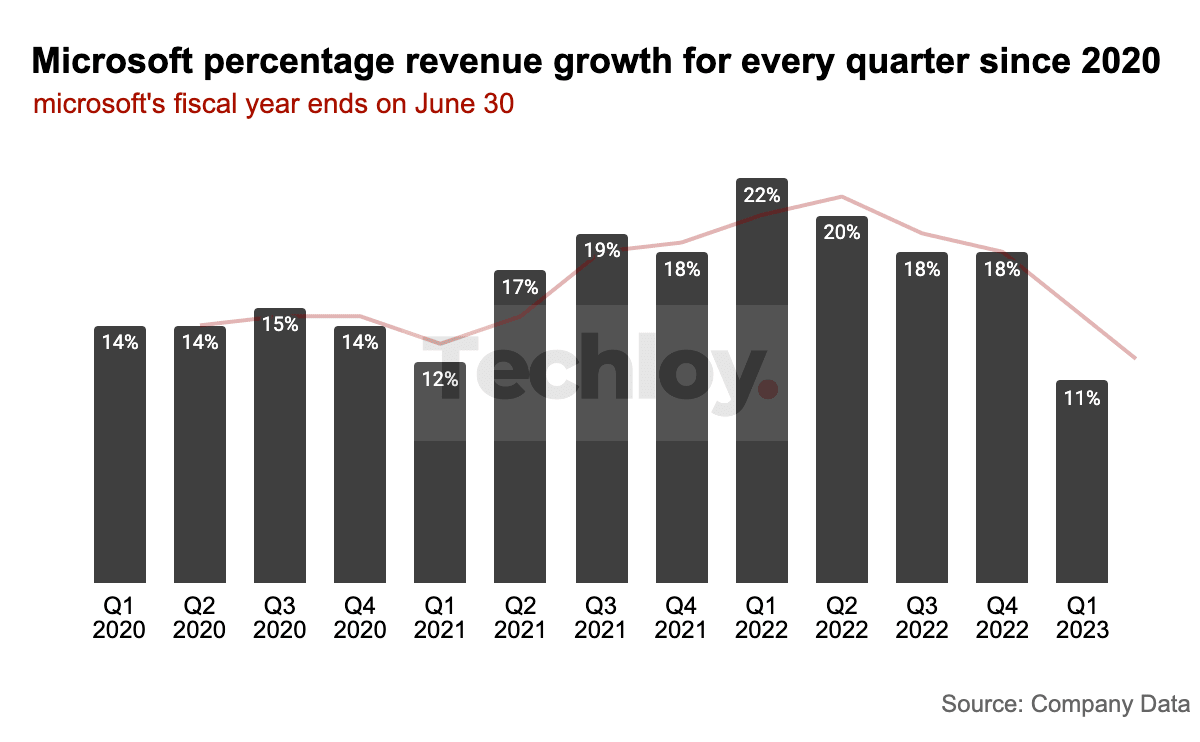
When the NASDAQ ticker flashed red late last Tuesday, the collective gasp from Wall Street was almost audible. Analysts had braced for headwinds, but few predicted the severity of the shock. Microsoft Corporation (MSFT), a titan synonymous with reliable growth, saw its stock price plunge, initiating its largest single-day percentage drop since the volatile market corrections of the early pandemic era in 2020.
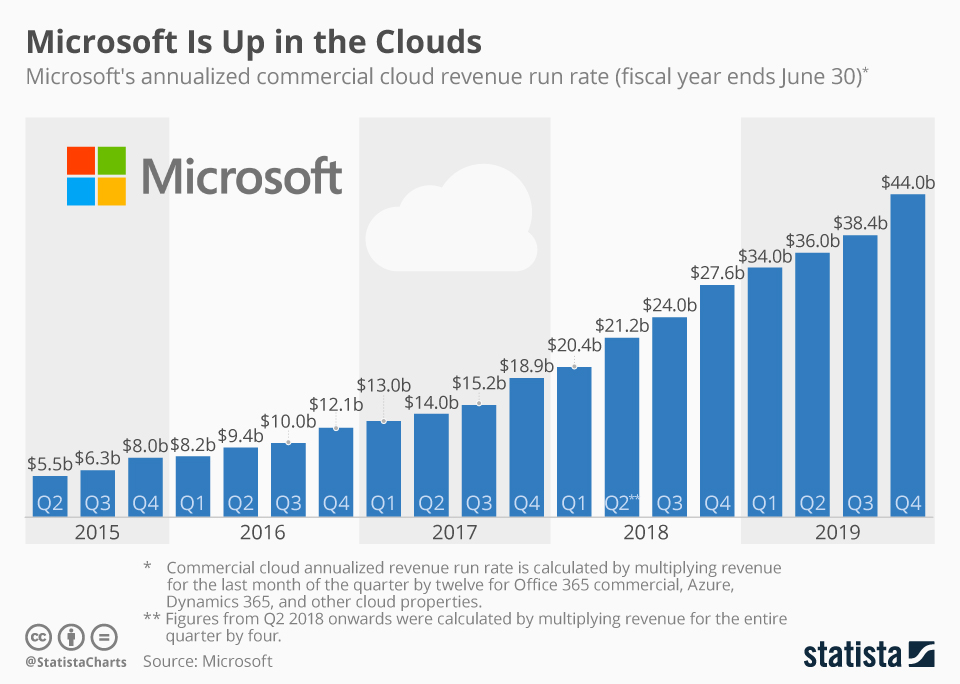
The immediate catalyst was clear: Microsoft’s latest quarterly earnings report revealed a pronounced deceleration in the growth of its flagship Intelligent Cloud division, specifically Azure. This segment, which has long served as the primary engine for the company’s valuation and future prospects, is now facing significant pressure from tightening enterprise spending globally.
This news confirms a trend that Big Tech investors have been fearing—that even the most resilient tech infrastructure services are not immune to sustained macroeconomic pressures and the global inflationary environment. The slowdown fundamentally challenges the narrative of perpetual, exponential cloud expansion that has defined the last decade of tech investing.
The Q3 Earnings Shockwave: Decelerating Momentum
The core issue wasn't that Microsoft performed poorly overall; the company largely met or slightly exceeded analyst consensus on revenue and earnings per share. However, investor confidence is driven by guidance and the trajectory of high-margin growth sectors. The slowdown in the cloud business spooked the market, leading to a swift and aggressive sell-off.
During the earnings call, executives provided guidance for the upcoming fiscal quarter that indicated growth rates would continue to normalize, or even drop further, challenging the high expectations baked into MSFT’s stock price. The margin of error for growth deceleration, particularly in Azure, has vanished.
The numbers revealed a concerning trend line for the Intelligent Cloud division:
- Azure's revenue growth, a key metric watched by investors, dipped below 30% for the first time in several years (when adjusting for currency fluctuations).
- While commercial bookings remained strong, the conversion rate and ramp-up period for new cloud contracts are extending as clients become more cautious.
- Operating income was impacted by the ongoing high costs associated with massive capital expenditure (CapEx) needed to build out the global data center network necessary to support Azure.
This immediate reaction highlights a crucial pivot point: Wall Street is no longer willing to overlook marginal disappointments in growth engines like Azure, especially when those disappointments are tied to broader issues of diminishing enterprise IT budgets.
I recall speaking with a fund manager the morning after the report dropped; the anxiety was palpable. "Azure was our bulletproof hedge against inflation," he stated. "If even Microsoft’s cloud growth dips this dramatically, every other major tech stock is suddenly under the microscope. This isn't just a Microsoft problem; it's a market correction warning shot."
The Azure Anomaly: Why Cloud Growth is Tapering
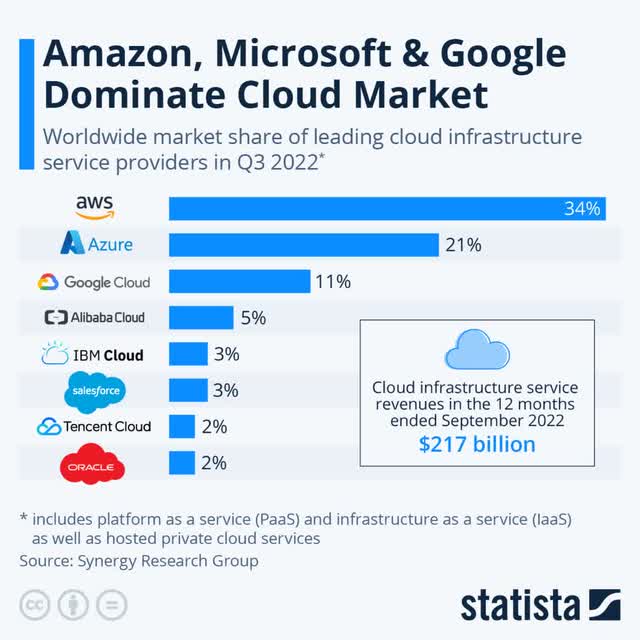
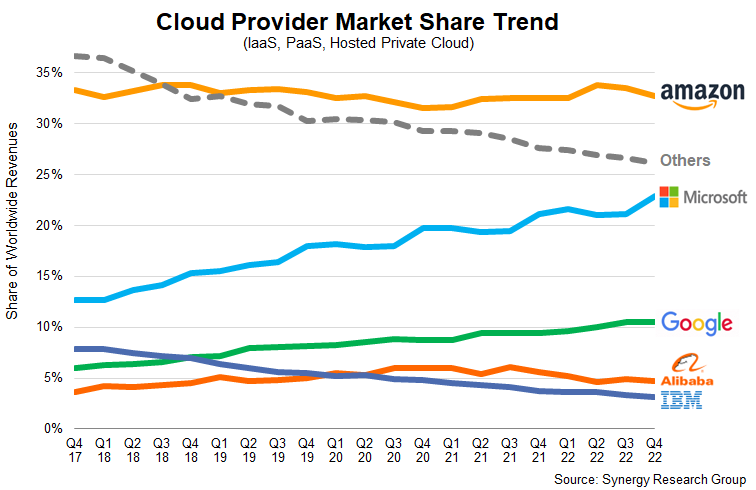
For years, Azure has been celebrated for its consistent, massive growth, competing directly with Amazon Web Services (AWS) to power digital transformation across the globe. The current slowdown is not a result of increased competitive losses, but rather a reflection of the global economic downturn impacting how companies utilize their existing cloud infrastructure.
Microsoft executives pointed specifically to "customer optimization" as the primary driver behind the slowing revenue figures. This term is corporate jargon for clients actively reducing their usage and expenditures on previously deployed cloud resources. Instead of blindly provisioning more servers, enterprises are now auditing their cloud spend meticulously to cut costs and maximize efficiency.
Understanding Customer Optimization
In the high-growth environment of 2021, many companies rapidly migrated workloads to the cloud without deeply optimizing the underlying infrastructure. Now, facing recession fears, CFOs are demanding that IT teams:
- De-provisioning Idle Resources: Shutting down virtual machines and storage that were provisioned but not actively used 24/7.
- Rightsizing Instances: Downgrading high-tier compute instances to lower-cost tiers that still meet performance needs.
- Committing to Reservations: Moving from flexible, higher-cost pay-as-you-go models to cheaper, multi-year committed contracts, which initially lowers immediate revenue for the provider.
This optimization phase creates a short-term drag on Azure’s revenue, even if the long-term commitment to the platform remains robust. Satya Nadella’s team is essentially witnessing customers becoming hyper-efficient—a necessary step for them, but a painful revenue headwind for Microsoft in the current fiscal environment.
Furthermore, major enterprises are delaying large, transformative cloud migration projects. While smaller tasks continue, billion-dollar migration deals require high levels of confidence and large capital outlays, both of which are scarce resources in the current economic climate.
Beyond Azure: Headwinds Hitting the Windows and Devices Segments
While the Azure slowdown dominated headlines and investor sentiment, the earnings report also revealed significant weakness in Microsoft’s traditional lines of business, further compounding the stock drop.
The "More Personal Computing" division, which includes Windows, Xbox, and Surface devices, delivered results well below expectations. This slump is intrinsically linked to the ongoing global decline in the Personal Computer (PC) market.
For context, the pandemic fueled an unprecedented surge in PC purchases as remote work and education took hold. That boom has decisively ended. Consumers and businesses are extending the lifespan of their current hardware, leading to a dramatic reduction in Windows OEM revenue—the revenue Microsoft earns from licensing Windows to PC manufacturers like Dell and HP.
The decline in this segment demonstrates that Microsoft is simultaneously battling two major macroeconomic fronts:
- The tightening of long-term enterprise IT expenditure (Cloud).
- The cyclical and post-pandemic collapse of consumer hardware demand (Windows and Devices).
Even the Gaming division, despite the strength of the Xbox Game Pass subscription service, saw slower growth in overall content and services revenue. Investors are seeking clarity on the pending acquisition of Activision Blizzard, a deal that aims to inject fresh momentum into the gaming segment but remains mired in regulatory scrutiny.
Strategic Pivot: Efficiency and AI as the Next Growth Levers
In response to the slowing momentum and the intense stock volatility, CEO Satya Nadella and CFO Amy Hood have strongly signaled a strategic pivot focusing on efficiency, cost management, and doubling down on differentiating technological advantages, particularly Artificial Intelligence (AI) and hybrid cloud solutions.
Microsoft understands that the high-growth, easy-money era is over. The company is now repositioning itself to be the leanest and most effective provider in a constrained spending environment. This includes aggressive cost-cutting measures, including high-profile layoffs across several divisions, and a pause in hiring for certain engineering and non-revenue-generating roles.
Focus on Hybrid Solutions and Cost Management
The move towards hybrid solutions, leveraging platforms like Azure Stack, is becoming crucial. By offering clients the ability to manage workloads both in their own data centers and in the public cloud with a unified interface, Microsoft mitigates the risk of clients pulling all workloads entirely off-premise, thus maintaining a revenue stream regardless of the client’s preferred deployment location.
Furthermore, the focus is shifting from simple infrastructure growth to high-value, AI-powered software-as-a-service (SaaS) offerings. Services that integrate AI and machine learning directly into the Microsoft 365 suite (Teams, Word, Excel) provide high margins and are often considered mission-critical, making them less susceptible to initial budget cuts than general compute resources.
The long-term outlook for Microsoft remains tied to the inevitability of digital transformation. However, the path has become steeper and more volatile. This significant stock drop serves as a definitive market indicator: for even the largest tech giants, the days of easy, predictable double-digit cloud expansion are temporarily on hold, demanding a renewed focus on fundamental cost control and demonstrable value creation.
Microsoft Drops Most Since 2020 Amid Slowing Cloud Growth
Microsoft Drops Most Since 2020 Amid Slowing Cloud Growth Wallpapers
Collection of microsoft drops most since 2020 amid slowing cloud growth wallpapers for your desktop and mobile devices.

Dynamic Microsoft Drops Most Since 2020 Amid Slowing Cloud Growth Wallpaper Illustration
Immerse yourself in the stunning details of this beautiful microsoft drops most since 2020 amid slowing cloud growth wallpaper, designed for a captivating visual experience.

Dynamic Microsoft Drops Most Since 2020 Amid Slowing Cloud Growth Image Art
Immerse yourself in the stunning details of this beautiful microsoft drops most since 2020 amid slowing cloud growth wallpaper, designed for a captivating visual experience.
Vibrant Microsoft Drops Most Since 2020 Amid Slowing Cloud Growth Wallpaper in HD
Explore this high-quality microsoft drops most since 2020 amid slowing cloud growth image, perfect for enhancing your desktop or mobile wallpaper.

Artistic Microsoft Drops Most Since 2020 Amid Slowing Cloud Growth View Collection
Find inspiration with this unique microsoft drops most since 2020 amid slowing cloud growth illustration, crafted to provide a fresh look for your background.

Lush Microsoft Drops Most Since 2020 Amid Slowing Cloud Growth Photo Nature
A captivating microsoft drops most since 2020 amid slowing cloud growth scene that brings tranquility and beauty to any device.

Detailed Microsoft Drops Most Since 2020 Amid Slowing Cloud Growth Abstract Photography
Experience the crisp clarity of this stunning microsoft drops most since 2020 amid slowing cloud growth image, available in high resolution for all your screens.

Vibrant Microsoft Drops Most Since 2020 Amid Slowing Cloud Growth Wallpaper Nature
Experience the crisp clarity of this stunning microsoft drops most since 2020 amid slowing cloud growth image, available in high resolution for all your screens.
Dynamic Microsoft Drops Most Since 2020 Amid Slowing Cloud Growth Abstract Nature
This gorgeous microsoft drops most since 2020 amid slowing cloud growth photo offers a breathtaking view, making it a perfect choice for your next wallpaper.

Amazing Microsoft Drops Most Since 2020 Amid Slowing Cloud Growth Landscape for Desktop
Explore this high-quality microsoft drops most since 2020 amid slowing cloud growth image, perfect for enhancing your desktop or mobile wallpaper.

Spectacular Microsoft Drops Most Since 2020 Amid Slowing Cloud Growth Wallpaper Illustration
Find inspiration with this unique microsoft drops most since 2020 amid slowing cloud growth illustration, crafted to provide a fresh look for your background.

Serene Microsoft Drops Most Since 2020 Amid Slowing Cloud Growth View Art
Discover an amazing microsoft drops most since 2020 amid slowing cloud growth background image, ideal for personalizing your devices with vibrant colors and intricate designs.

Detailed Microsoft Drops Most Since 2020 Amid Slowing Cloud Growth Capture Nature
Transform your screen with this vivid microsoft drops most since 2020 amid slowing cloud growth artwork, a true masterpiece of digital design.

Gorgeous Microsoft Drops Most Since 2020 Amid Slowing Cloud Growth Abstract Digital Art
A captivating microsoft drops most since 2020 amid slowing cloud growth scene that brings tranquility and beauty to any device.
Amazing Microsoft Drops Most Since 2020 Amid Slowing Cloud Growth Wallpaper for Mobile
Discover an amazing microsoft drops most since 2020 amid slowing cloud growth background image, ideal for personalizing your devices with vibrant colors and intricate designs.
Lush Microsoft Drops Most Since 2020 Amid Slowing Cloud Growth Design for Desktop
Find inspiration with this unique microsoft drops most since 2020 amid slowing cloud growth illustration, crafted to provide a fresh look for your background.

Captivating Microsoft Drops Most Since 2020 Amid Slowing Cloud Growth View Art
Immerse yourself in the stunning details of this beautiful microsoft drops most since 2020 amid slowing cloud growth wallpaper, designed for a captivating visual experience.

Detailed Microsoft Drops Most Since 2020 Amid Slowing Cloud Growth Landscape Art
Explore this high-quality microsoft drops most since 2020 amid slowing cloud growth image, perfect for enhancing your desktop or mobile wallpaper.

Crisp Microsoft Drops Most Since 2020 Amid Slowing Cloud Growth View for Your Screen
Immerse yourself in the stunning details of this beautiful microsoft drops most since 2020 amid slowing cloud growth wallpaper, designed for a captivating visual experience.

Detailed Microsoft Drops Most Since 2020 Amid Slowing Cloud Growth Picture in 4K
Transform your screen with this vivid microsoft drops most since 2020 amid slowing cloud growth artwork, a true masterpiece of digital design.

Spectacular Microsoft Drops Most Since 2020 Amid Slowing Cloud Growth Picture Collection
Immerse yourself in the stunning details of this beautiful microsoft drops most since 2020 amid slowing cloud growth wallpaper, designed for a captivating visual experience.
Download these microsoft drops most since 2020 amid slowing cloud growth wallpapers for free and use them on your desktop or mobile devices.