| Criminal charges are expected to be filed against former president Donald Trump's business on Thursday, per The Washington Post's David A. Fahrenthold, Josh Dawsey, Shayna Jacobs and Jonathan O'Connell. They would be the first charges stemming from long-running investigations by Manhattan District Attorney Cyrus Vance's (D) and New York Attorney General Leticia James's (D) offices. Prosecutors told lawyers for the Trump Organization that the company and its longtime chief financial officer, Allen Weisselberg, are likely to be indicted on charges related to unpaid taxes on benefits given to Trump Organization executives, according to two people familiar with the charges, though what exact crimes are being charged isn't yet clear. The former president is not expected to be personally charged with a crime this week, nor are any others in his immediate orbit. 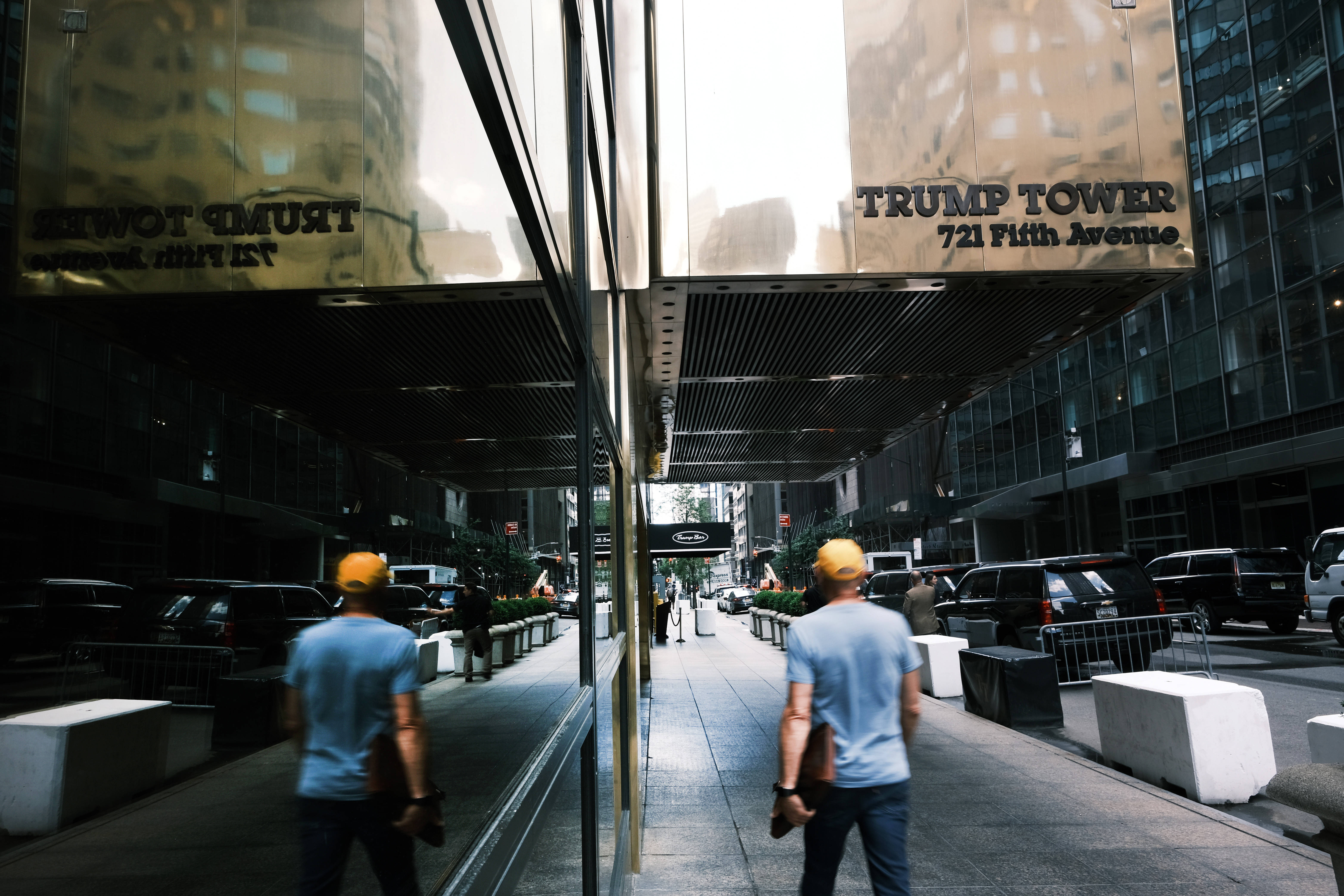 Trump Tower, the New York home to the Trump Organization, seen on Wednesday. (Photo by Spencer Platt/Getty Images) | Attorneys for Trump's business and for Weisselberg declined to comment. Trump has repeatedly attacked the investigations as part of what he sees as an ongoing "Witch Hunt" that is "being driven by highly partisan Democrat prosecutors." But it's not the prosecutors themselves who decide what kind of charges to bring in these situations. Who is bringing charges against the Trump Organization? In some cases — particularly high-profile cases like this one — prosecutors seek charges from a grand jury, a process intended to remove politics from the equation. Prosecutors don't usually move investigations to the grand jury stage unless they have what they think is compelling evidence of a crime — and it would seem, at this stage, Vance and James must believe they have that compelling evidence. It's a process that generally favors prosecutors because jurors hear only what the prosecutor wants them to. There is no cross-examination by defense lawyers, no mitigating factors presented — and innocence or guilt is ultimately determined in trial court. The grand jury process makes indictments the decision of a jury of citizens, rather than prosecutors themselves. It's also done behind closed doors; jurors are sworn to secrecy, witnesses can make statements to the jury without fear of retaliation from the party being investigated, and if no charges are brought, in theory, the reputation of the person being investigated is protected because the proceedings are never made public, and jurors have taken an oath not to talk about them. In New York, a grand jury is composed of at least 23 citizens; at least 16 have to be present to consider charges, and it takes 12 jurors to formally charge someone with a crime. It can be a long, boring and tiring process for jurors, who often spend long hours in the jury room and can't talk about the proceedings anywhere else. In most cases, electronic devices aren't allowed — so no one is surfing Twitter. The jury is allowed to ask questions. Legal questions are directed at the presiding judge or the prosecutor. But the jury can also question witnesses, usually by submitting queries to the prosecutor, who makes sure they are "relevant and legally proper," according to the New York grand juror's handbook. Who is Allen Weisselberg? Weisselberg has been the top financial executive at the Trump Organization for decades, having worked for Trump since the 1980s before becoming CFO in 2000. He's responsible for almost all of the company's financial dealings. 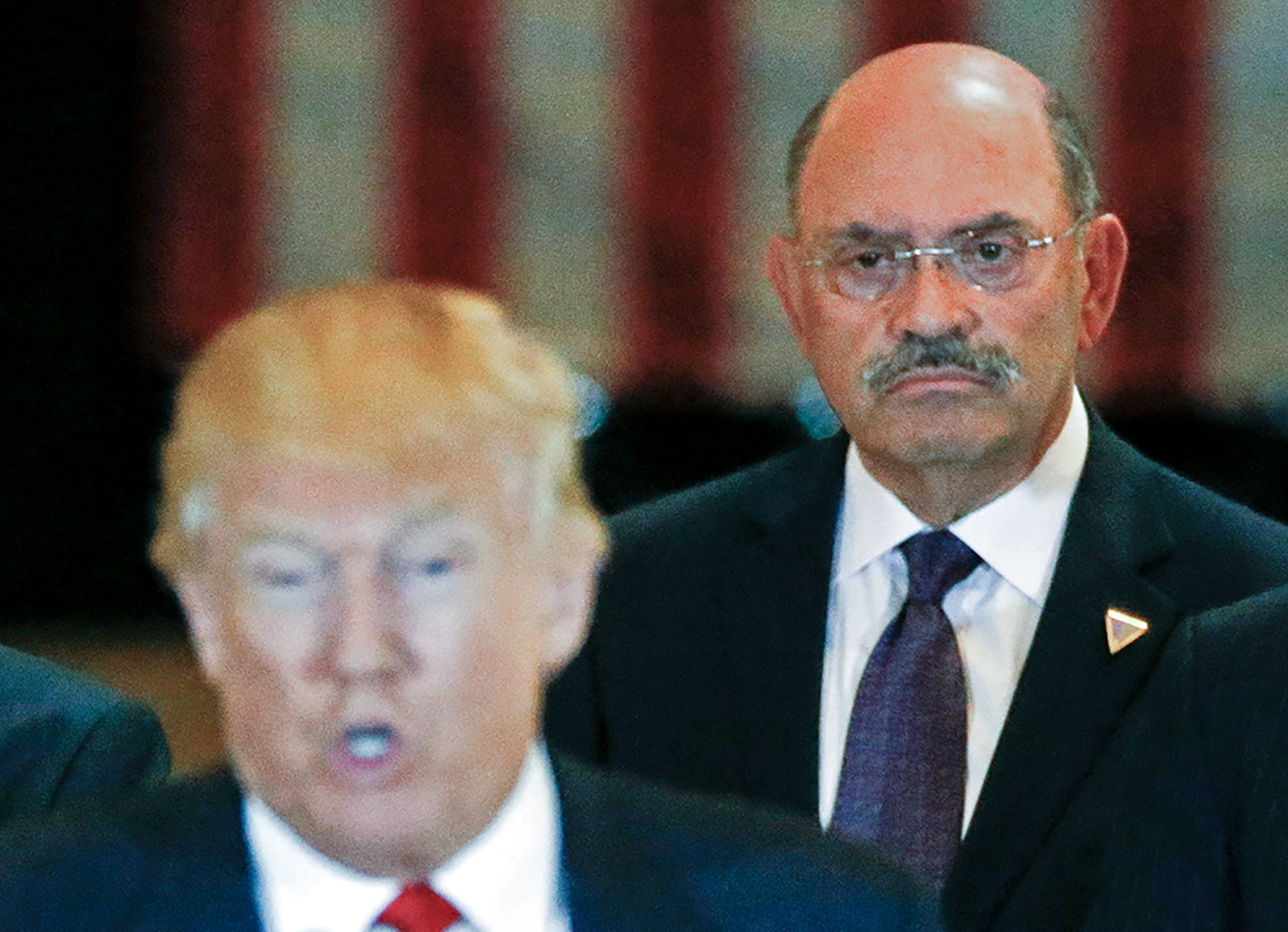 Weisselberg during a Trump news conference at Trump Tower in 2016. (Photo by Carlo Allegri/Reuters) | In an earlier story, Fahrenthold, Dawsey, Jacobs and O'Connell wrote: As the most senior non-Trump executive at the former president's private, closely held company, Weisselberg is probably a key figure in prosecutors' efforts to indict Trump, legal experts say. His central role in nearly every aspect of Trump's business, revealed in depositions and news interviews over the past three decades, afforded him what former employees say is a singular view of the Trump Organization's tax liabilities and finances. Although that role long allowed him to stay behind the scenes, it may place him front and center in what would be an unprecedented prosecution of a former president, should the investigation advance. Vance's office even tried to "flip" Weisselberg, which would have turned him into a potential witness for prosecutors. But Weisselberg appears to have rejected those advances, even as prosecutors turned up the heat on him and his family. Trump and his company have never faced criminal charges before, though they've been the target of civil suits from the New York attorney general's office in the past, including one that alleged the former president defrauded students at Trump University, which ended with Trump paying a $25 million settlement. | 




 Email
Email 


