| A well-appointed briefing on the latest news in the world of design, plus the buildings, projects and urbanism that have caught the eye. | | London / Zürich / Toronto /
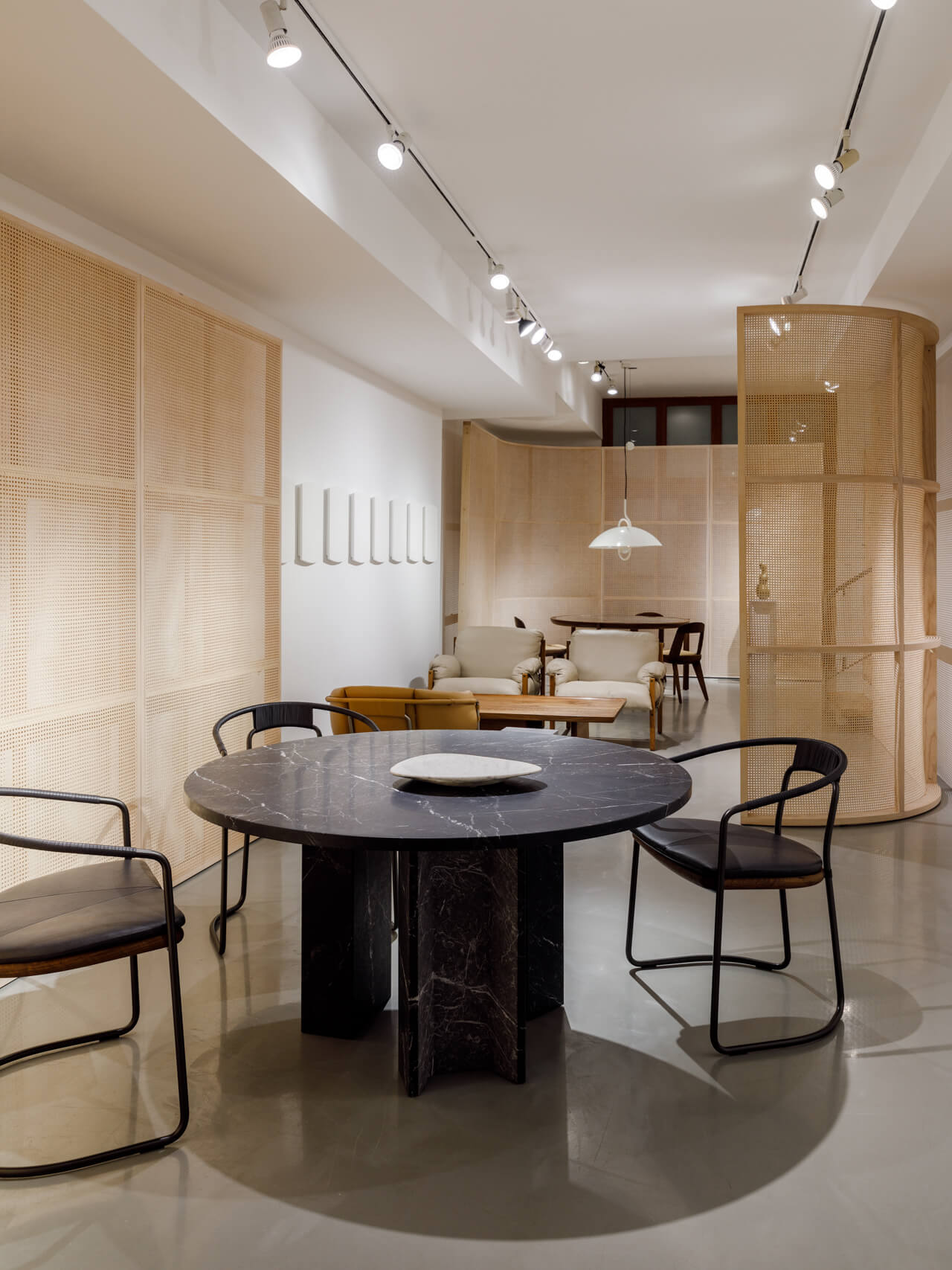
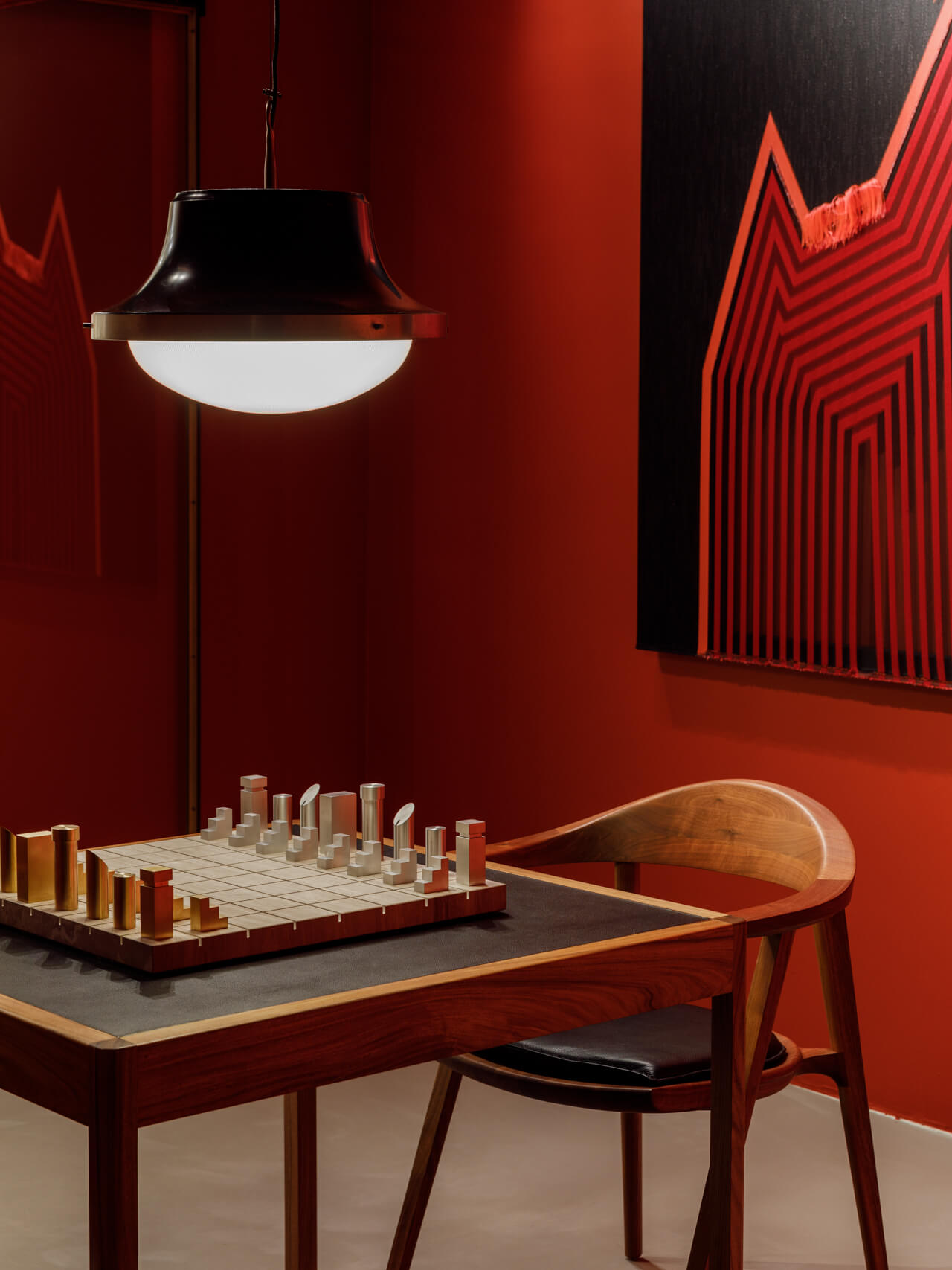
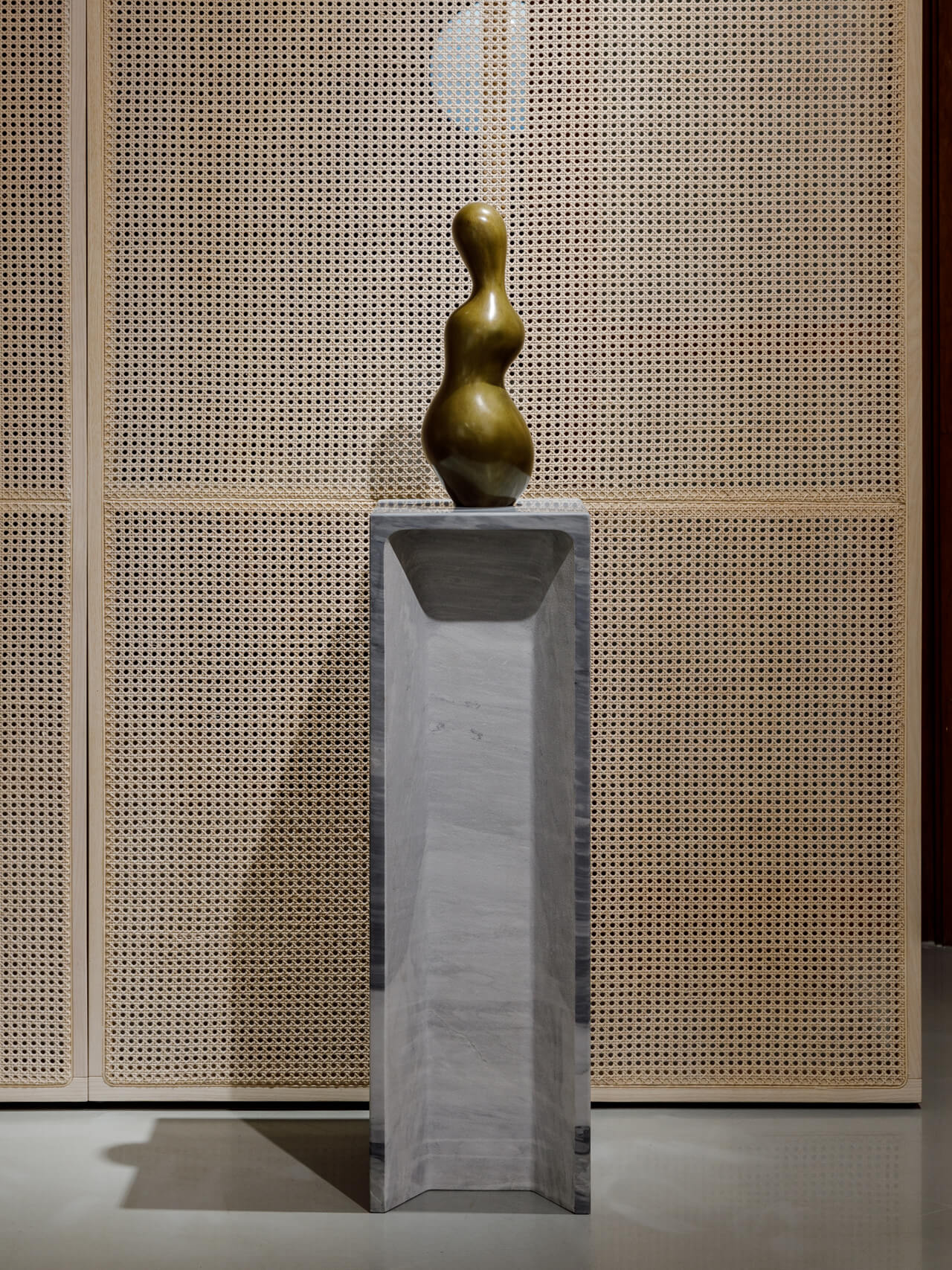
Los Angeles / Hong Kong / Tokyo | | | 01/07 OPINION / nic monisse Pure trash | | At their simplest, "crits" in architecture, furniture, fashion and graphic design studios are a four-step process. Firstly, drawings, samples, models and renders are pinned up on the walls and spread across the studio's tables. Then a wider team or invited guests huddle around the proposals. The project's designers then explain the thinking behind their work before finally opening up to the floor for questions, thoughts and feedback. However, after touring the factory of Begg x Co last week for a recent episode of 'Monocle On Design', I'd like to add another step: combing through the design team's bins. Inspiration struck after Lorraine Acornley, creative director for the heritage cashmere and knitwear brand, explained that some of her designs over the years have been "happy accidents" that might have otherwise been overlooked if not for a bit of, well, dumpster diving. From the brand's headquarters in Ayrshire, Scotland, Acornley explained that in looking for perfect solutions, creatives can often be too quick to discard their own work. The London-based designer argues that instead of binning the bolder, more adventurous – or even ugly – ideas that don't seem perfect, everyone from architects to fashion designers should instead unpack them with the help of others. "There will almost always be positive, exciting aspects to discarded designs, they just need to be reviewed through a different lens," says Acornley. "Sometimes a designer won't see their work's potential until it's pointed out by someone else." For proof, look to Begg x Co's Cashayr blanket, and Higgins and Kishorn scarves – all make use of unconventional cashmere textures that, without a willingness to explore the results of "happy accidents", might have been discarded. It seems that, as the proverb goes, one designer's trash really could be that same designer's treasure. | | | | | 02/07 THE PROJECT / 'Carve, Curve, Cane', Bassamfellows Home comforts | | The output of Connecticut-based design company Bassamfellows, which was co-founded by creative director Scott Fellows and architect Craig Bassam, spans a dizzying range of categories – from furniture to leather goods, sunglasses and footwear. The thread connecting it all together is a unique approach to modernism. "Our take on modernism involves mixing it with craft," says Fellows. "We introduce a little bit more warmth and comfort." | | Carve, Curve, Cane is an exhibition of the brand's most recent work at R & Company gallery in New York's Tribeca neighbourhood. The name is taken from the collection's integral elements: carving as a fabrication process applied to both wood and marble; the curves found in the modernist flourish of bent tubular steel; and the Vienna cane that several pieces of furniture are finished with – a cosy touch offsetting the harder materials. The exhibition backs up the firm's conviction that modernism doesn't have an expiry date. "These objects are designed around functionality – it's not just an aesthetic," adds Fellows. "So, your eye doesn't get as tired of them as you live around and use them." 'Carve, Curve, Cane' runs at R & Company gallery at 82 Franklin Street until 27 August.
bassamfellows.com; r-and-company.com
| |
You might notice the Monocle Minute On Design arriving at a slightly different time over the next few weeks. We apologise for the inconvenience as we make upgrades to our email delivery system.
| | | 03/07 DESIGN NEWS / Anoha Children's World, Berlin
Two by two
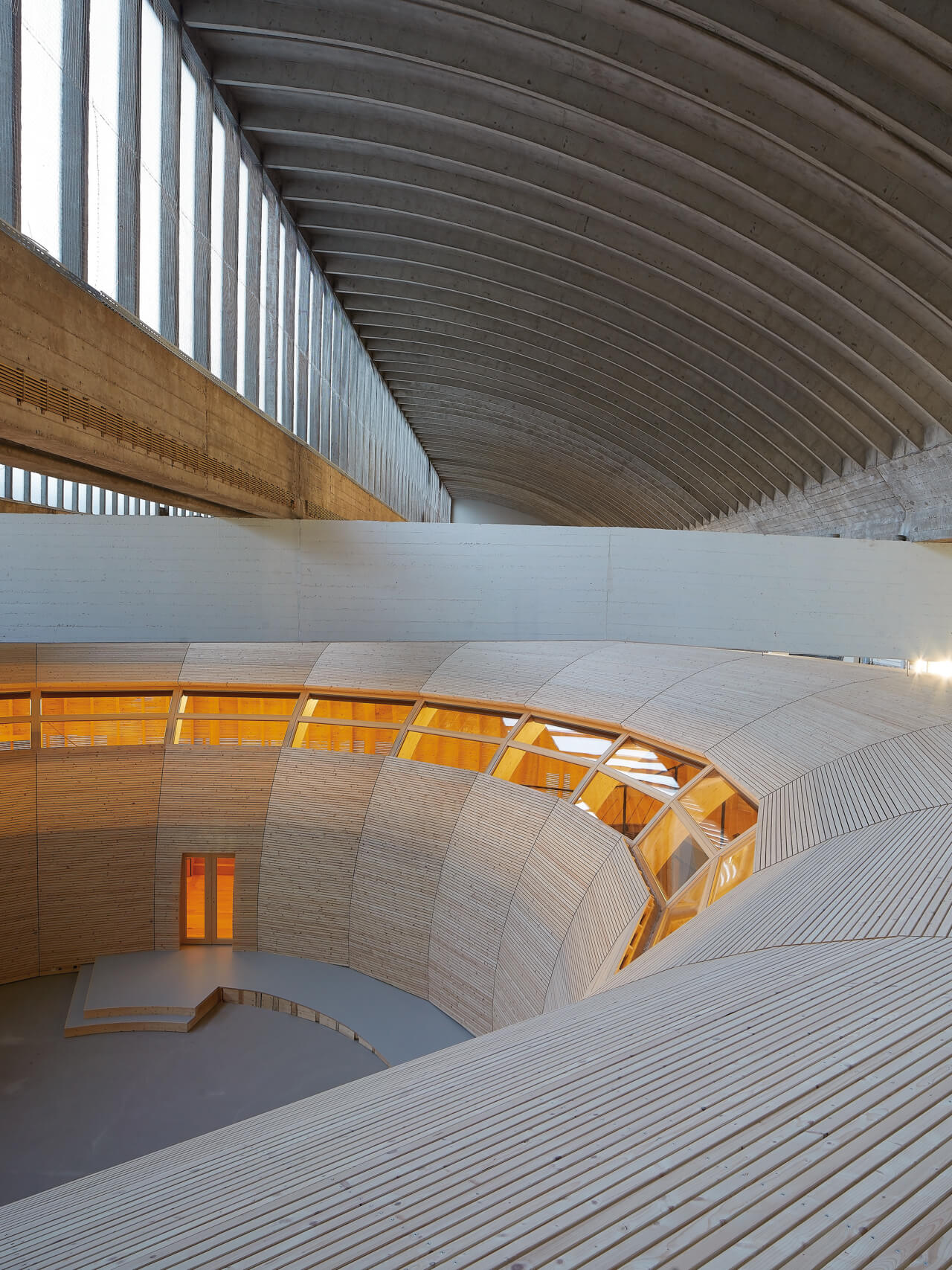
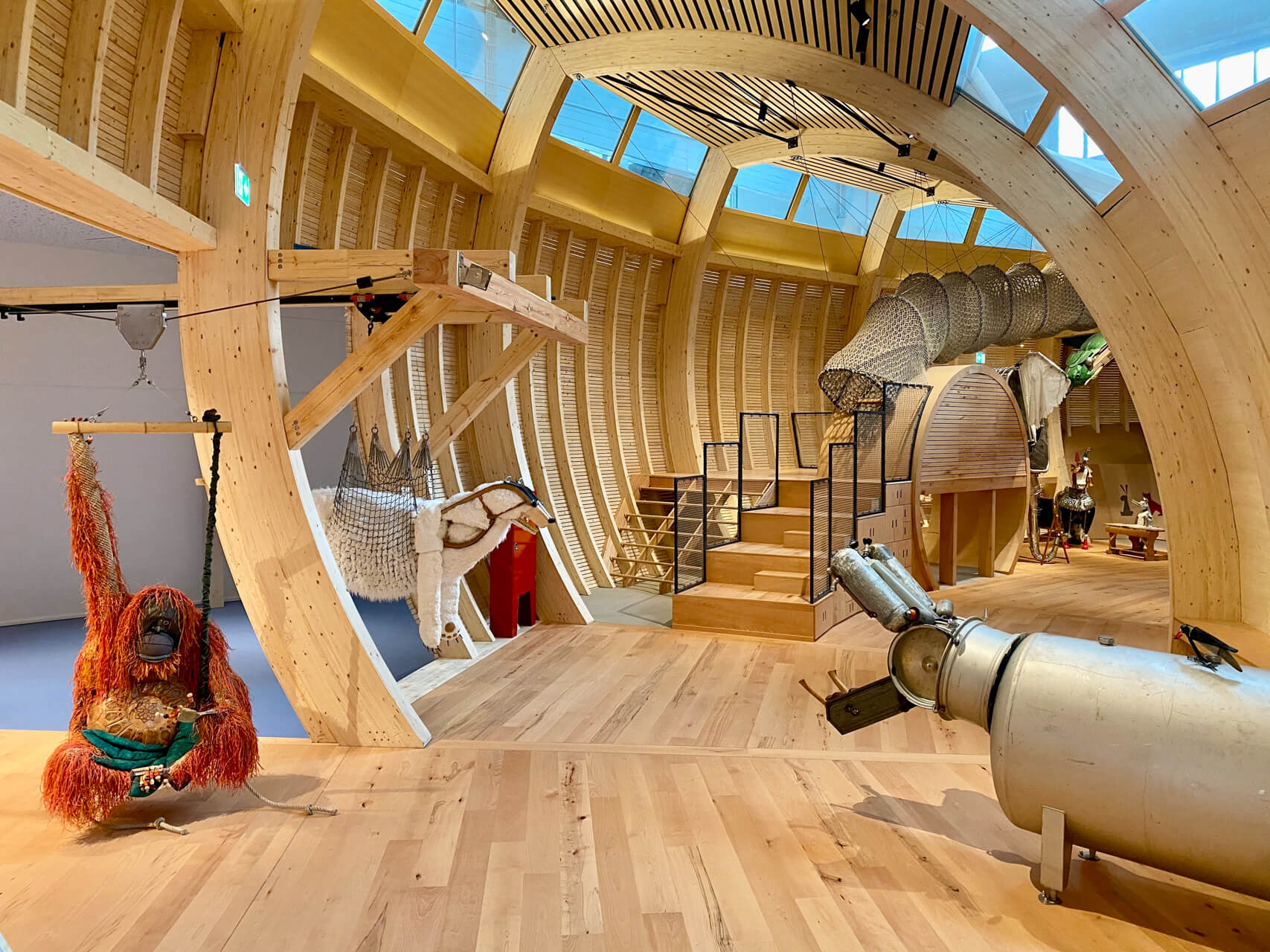
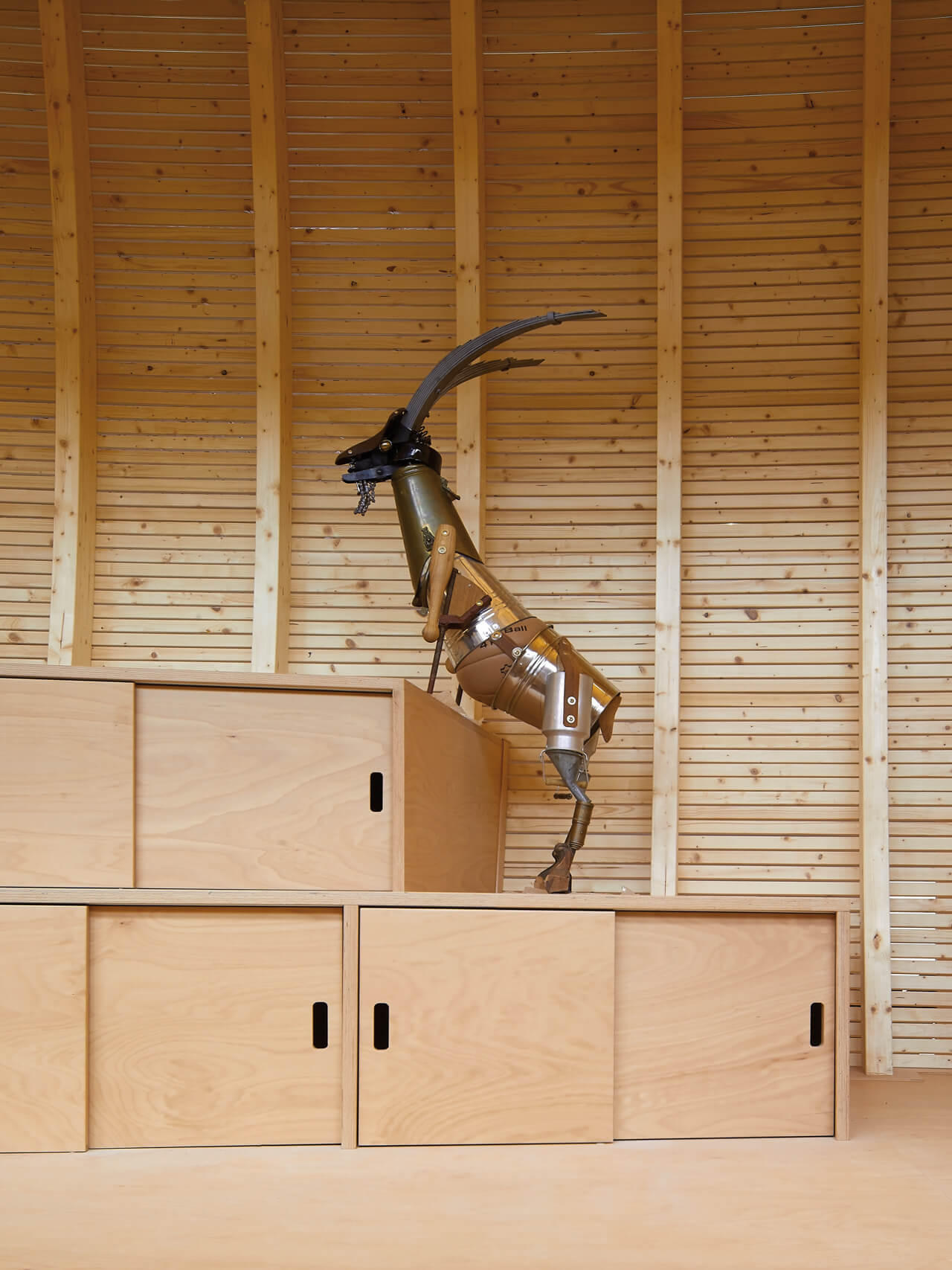
| | As a testament to the belief that a child's imagination has few boundaries, Seattle-based design and architecture practice Olson Kundig adapted ideas from workshops in six Berlin elementary schools into this cute and clever project for Berlin's Jewish Museum. Opened this week, Anoha Children's World is housed in a former wholesale flower market next to the main museum building. The interactive installation also takes cues from the Torah story of Noah's ark to highlight ideas about forming a better future. | | Combining suggestions from the workshops about the well-known tale, beautifully crafted, cuddly polar bears are seen on hoists, searching for new homes as the ice-caps melt, while animals such as donkeys are patchworked together with recycled materials. The effort is one that raises awareness about climate change while suggesting to kids (and grown-ups too) that there are ways to alleviate our future problems. It's also a lot of fun – with climbing nets and hammocks hanging throughout the cavernous ark – all executed in the considered, environmentally sensitive approach that Olson Kundig is known for.
olsonkundig.com
| | | 04/07 WORDS WITH... / Marlies Wirth, Vienna World in motion | | As the curator for digital culture and head of the design collection at Austria's Museum of Applied Arts (MAK), Marlies Wirth played an integral role in conceiving the first Vienna Biennale in 2006. Now a key event on the design calendar, it shows how art, design, and architecture can be used to make a better world, with this year's iteration examining humankind's relationship with the environment. As part of the event, Wirth is part of the curatorial team for Climate Care: Reimagining Shared Planetary Futures at MAK. To find out more about the exhibition and how it can inspire change, we spoke to Wirth for Monocle on Design. | | Can you tell us about some of the works you commissioned for this exhibition? Are there any special design projects that have been unearthed?
There's a section we call the "glacier cluster", which includes work by the German photographer Thomas Wrede. He visited a glacier in the Swiss Alps last year. It's been a tourist attraction since the 19th century but it's melting and designers have developed this very cute-looking blanket to cover the glacier. [His photographs are] an art project but they show an actual climate-care project that prevents the glacier from melting quickly. And while scientists predict that the glacier can't be stopped from melting, this blanket can help to slow it. Elsewhere in the museum, in collaboration with Anglo-Indian design studio Superflux, you installed a forest of wildfire-damaged trees. Was this a difficult undertaking?
It was the craziest thing I've ever done in my life. It was conceived to feel like a landscape after a very disturbing wildfire. These are the survivors that would normally be shredded and turned into soil – and they will be after they take a little break here at the museum – and they're evolving. The trees are now flowering and they weren't when they arrived. It's artificial but meant to resemble real life and landscaping, almost like The Truman Show. What is this exhibition going to do to help fight climate change? Is it just about raising awareness?
I think for cultural institutions this can be the goal. We are not activists but what we can do is show that the world is not a utopia. We have to do this to fight climate change, showing that there are already initiatives, or even companies making change. We can show there are already building materials that are more sustainable than concrete, or that there are architects like Shigeru Ban, creating large-scale buildings with wood that capture tonnes and tonnes of carbon dioxide, as opposed to structures that are just metal and glass. The exhibition can be a toolbox; designers grab it and use it. To hear more from the likes of Marlies Wirth, listen to this week's edition of 'Monocle on Design'.
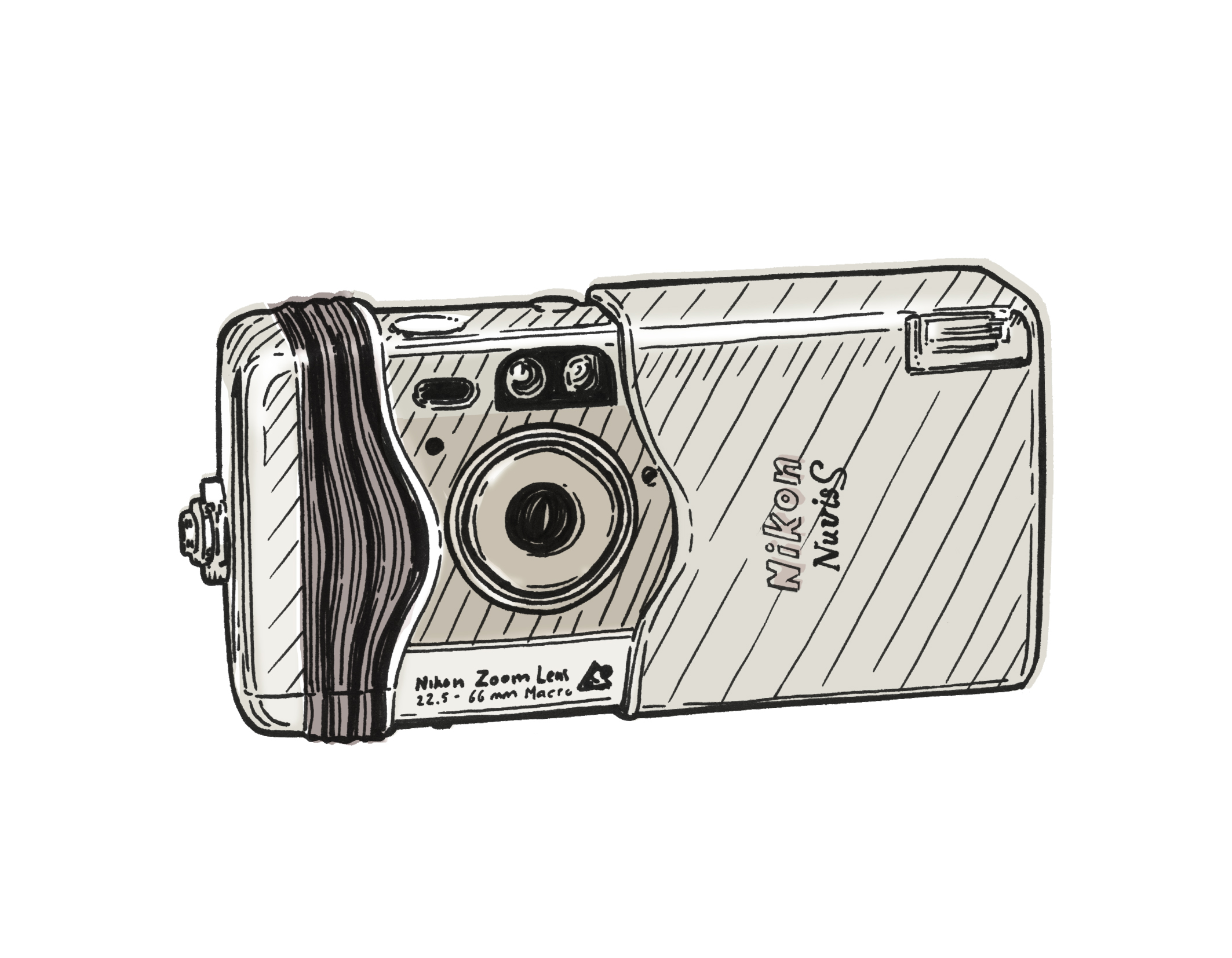
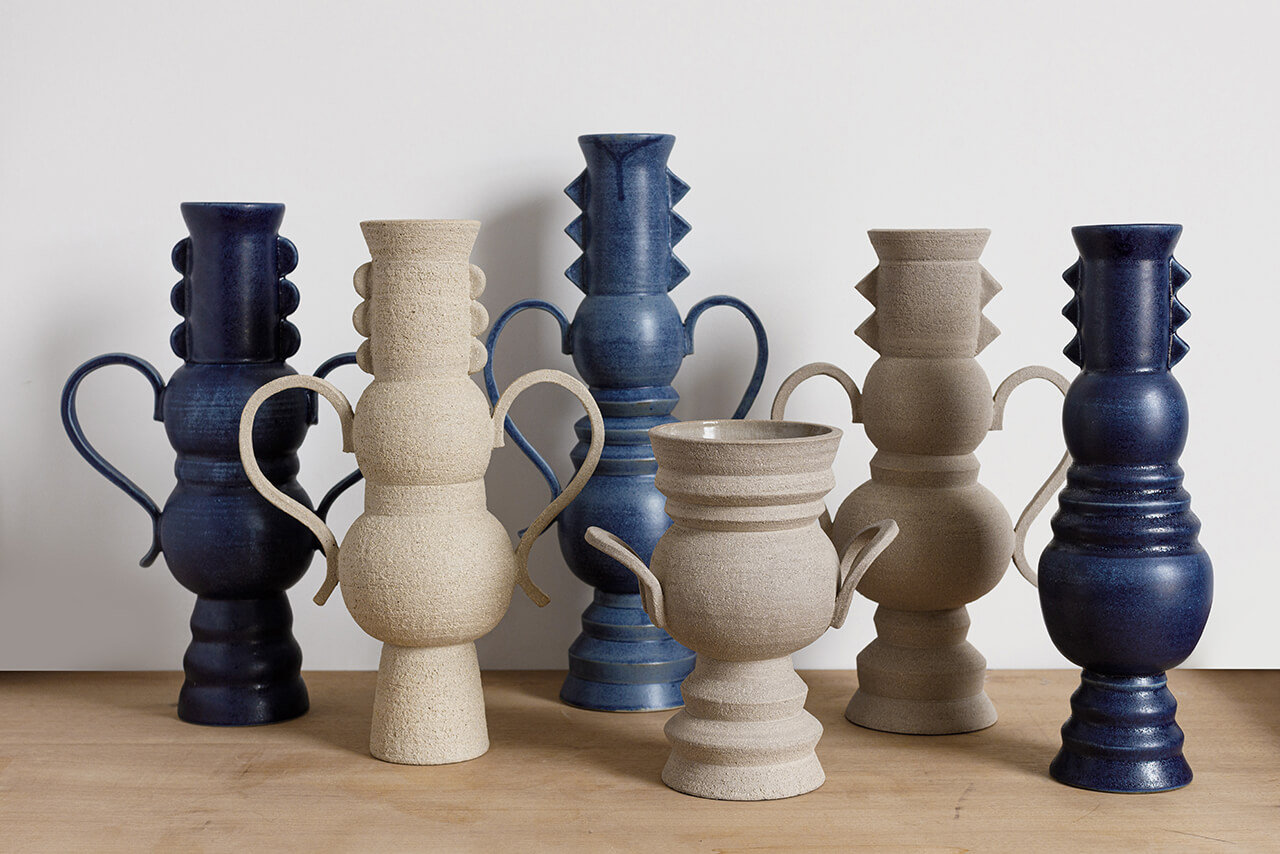
| | | 05/07 FROM THE ARCHIVE / Nikon Nuvis S Snap happy | | Relying on your smartphone for photography is both battery-draining and far less chic than using a real camera. But it's hard to beat the practicality of it as even the most simple point-and-shoot tends to be more bulky and require a separate protective case. This is why the super-compact Nikon Nuvis S from 1998 has caught our eye. | | This semi-automatic analogue camera is switched on by sliding it out to reveal the controls and a high-quality zoom lens. When closed, the device is fully protected inside its stainless-steel shell and measures only 9.5cm by 6.5cm, fitting safely and snugly into a shirt pocket. Despite this clever design, the Nuvis S didn't survive the rise of digital photography in the 2000s. But as many are increasingly keen on staying off their phones, it's time to bring it back. | | | 06/07 AROUND THE HOME / Openshaw Studio, UK Containing history | | When going on holiday, one might be tempted to pick up curiosities such as hand-crafted ceramics to bring back as souvenirs. That is, unless you're London-based Jonathan Openshaw who, after visiting Pompeii in January 2020, brought inspiration for his own ceramics home instead. | | Taking cues from the trip, the ceramicist has spent the past year refining a collection of 21 totemic stoneware vessels, each hand-finished with geometric details that pay tribute to examples he sketched in southern Italy. "I draw a lot of inspiration from different historical ceramic traditions," says Openshaw. "But I wanted to combine these classical forms with more unexpected references – from postmodernist sculpture to brutalist architecture – to make sure they feel modern and not like historical recreations." The result? Contemporary, one-of-a-kind pieces that will make a timeless addition to any home. We should also add that before Openshaw tried his hand at ceramics, he was once Monocle's business editor.
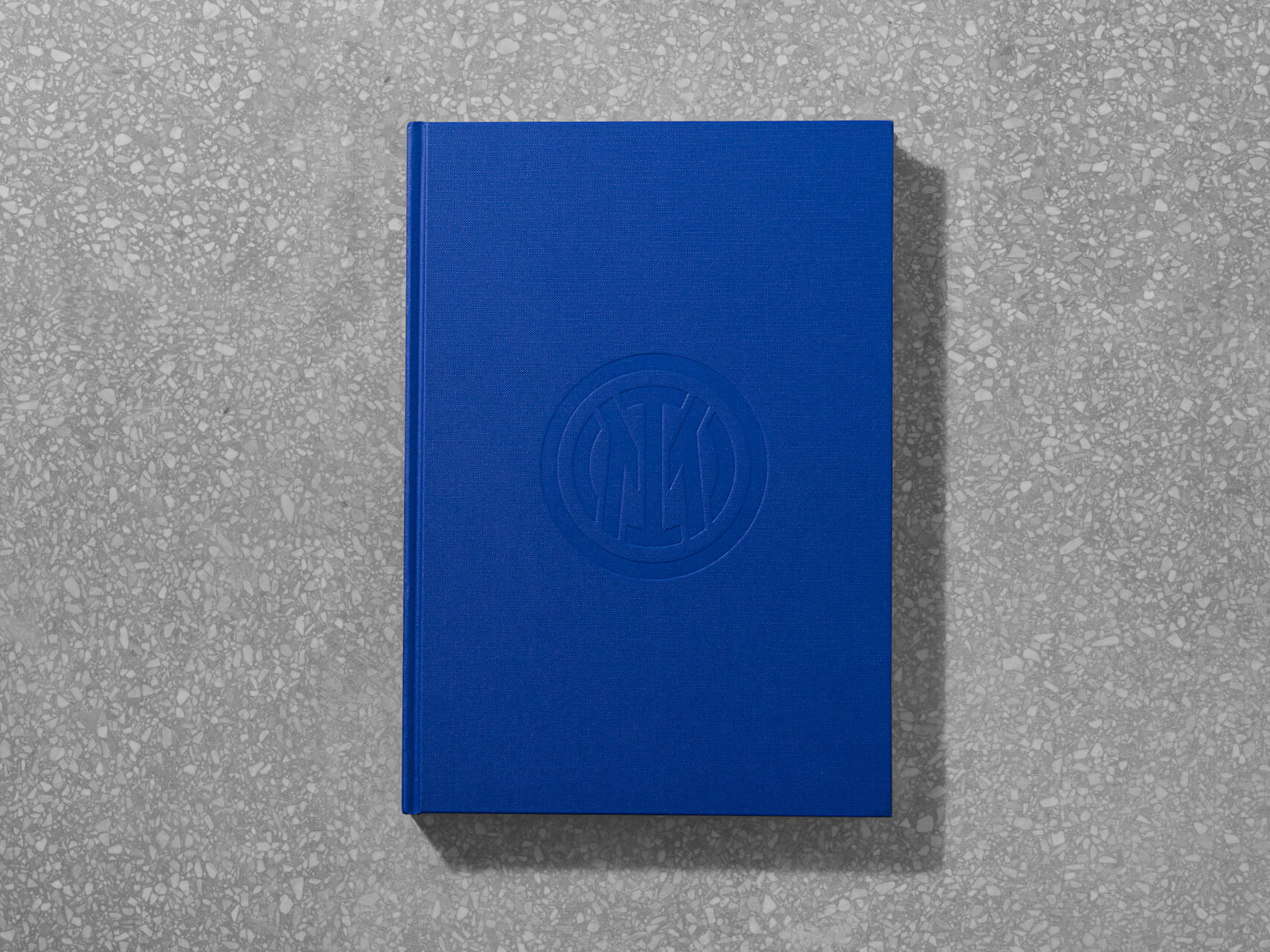
openshaw.studio | | | 07/07 IN THE PICTURE / 'Inter 110'
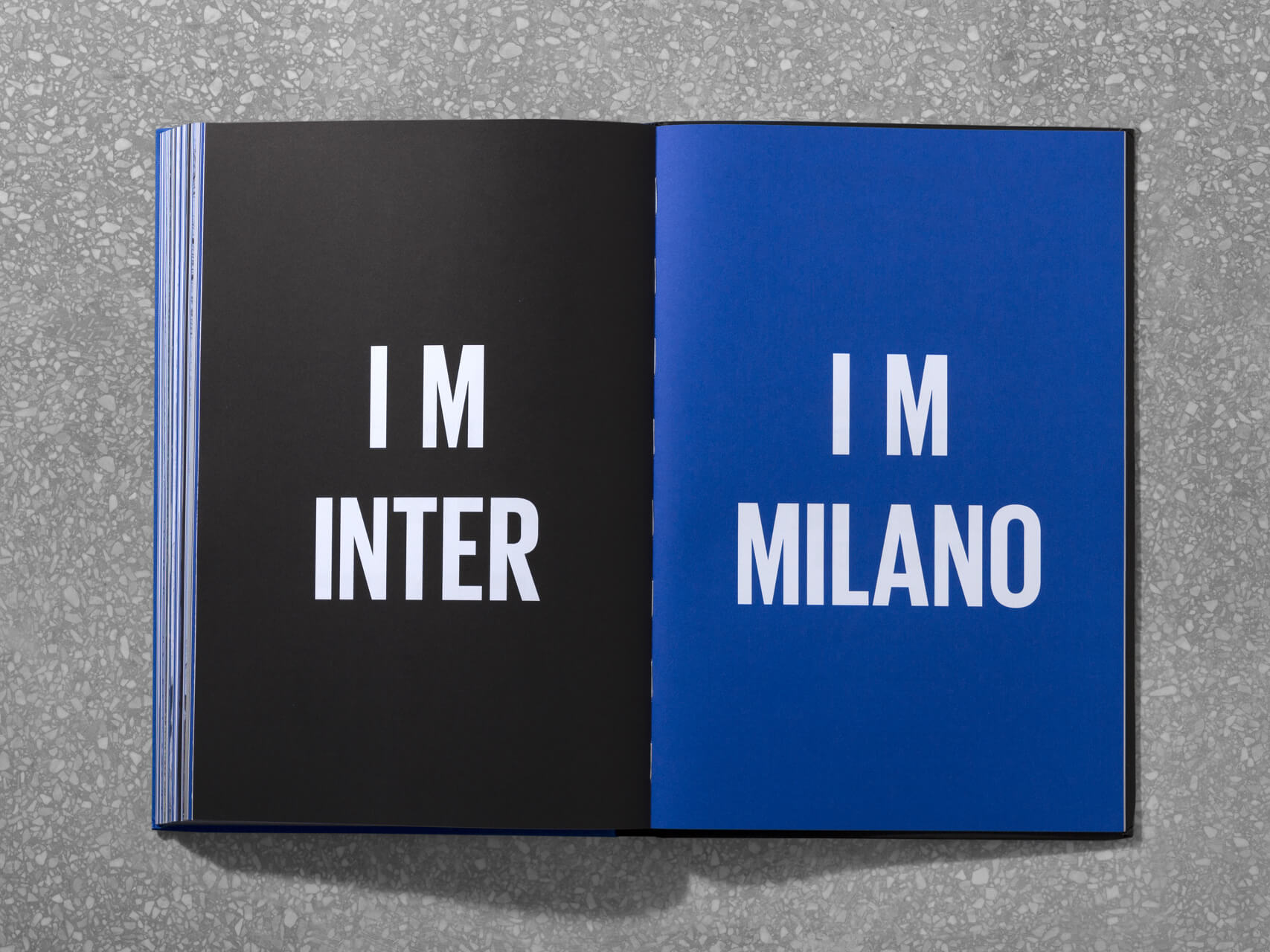
On the ball
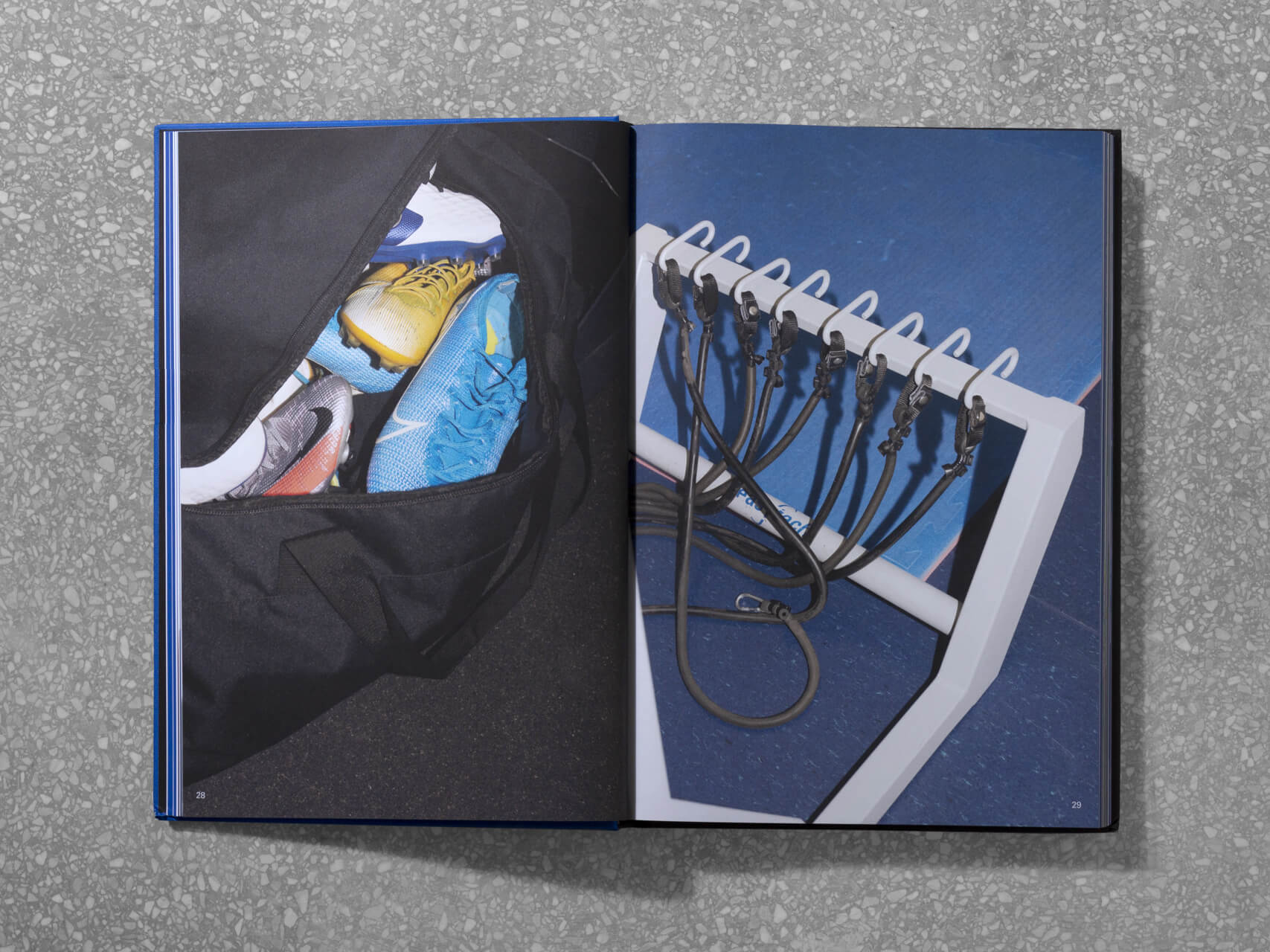
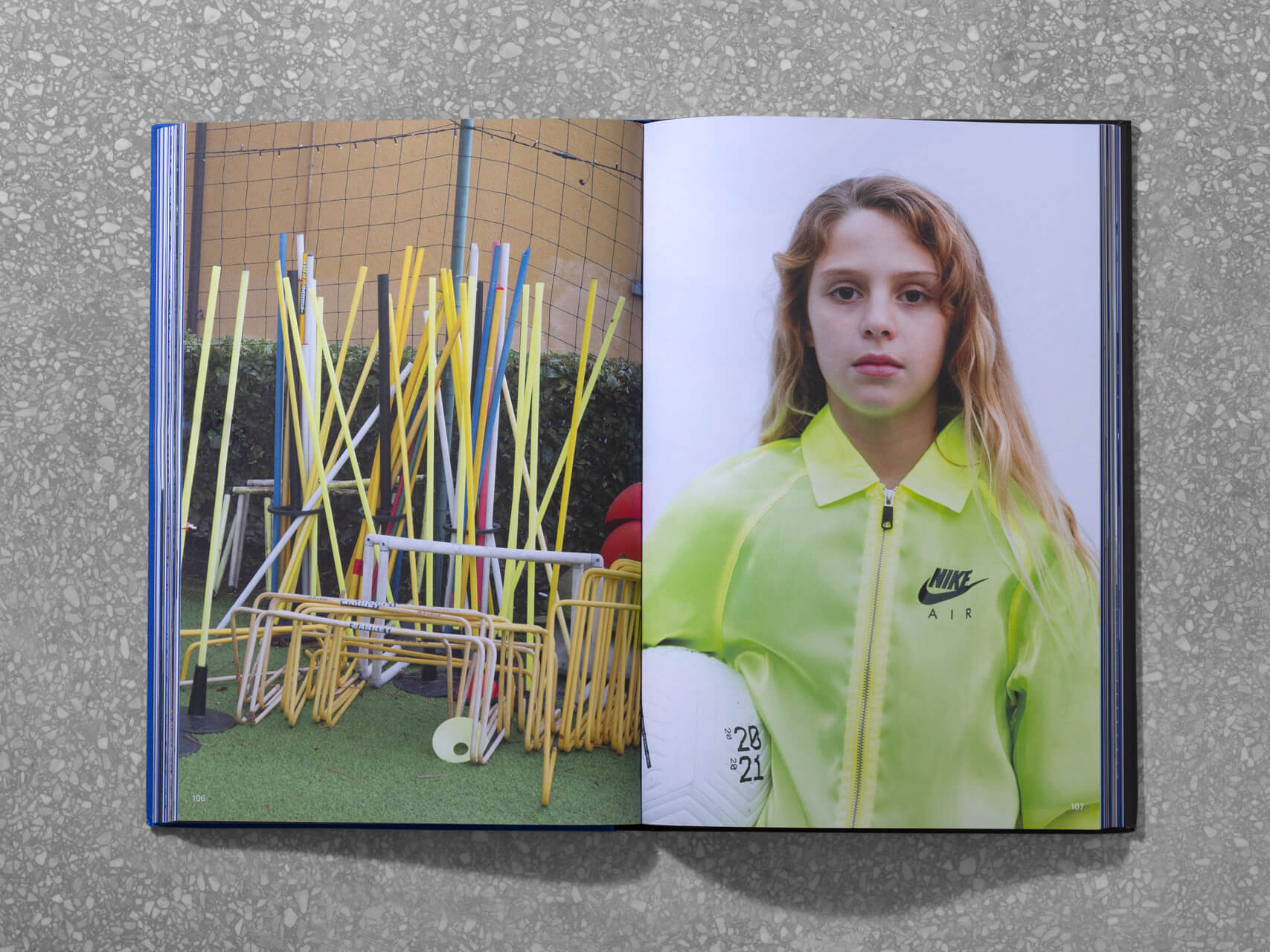
| | German designer Mirko Borsche has designed a photography book to accompany his rebrand of Italian football club Internazionale Milano. When he undertook the club's rebrand earlier this year, the project involved a pared-back redesign of its iconic logo. Borsche stripped away the letters "FC" from the emblem, pulling focus to the letters "IM" (a homonym of the English "I am"). | | This decision formed the basis of a campaign around the theme "I M Inter," which involved enlisting photographer Alessandro Furchino Capria to shoot portraits of people connected to the team which were then pasted around the city. These portraits (encompassing everyone from current players, club legends and Milanese fans) have been pulled together as part of a limited-edition book titled Inter 110 that explores the connection between the Italian capital and its world-famous sports team. It's a slick tome that stylishly captures the spirit of the team by shining a light on the faces behind the fervour.
skira.net
| | | Images: Max B, Hufton & Crow, kubix Berlin, Marcella Ruiz Cruz for PW Magazine, Anton Rodrigues, Alessandro Furchino Capria. Illustration: Anje Jager | | To stop receiving all Monocle newsletters, please click here This email is from Monocle whose registered office is at Midori House, 1 Dorset Street, London, W1U 4EG. You have received this email because you have previously provided us with your email address and subscribed to Monocle bulletins.
© 2021 Monocle. Stay up to date in your downtime with Monocle's new weekly newsletter. | | | | |