July 11: How Not To Photograph


July 11: How Not To Photograph
Your lens to the internet's most powerful photographs.
 📸For Your 👀 Only: 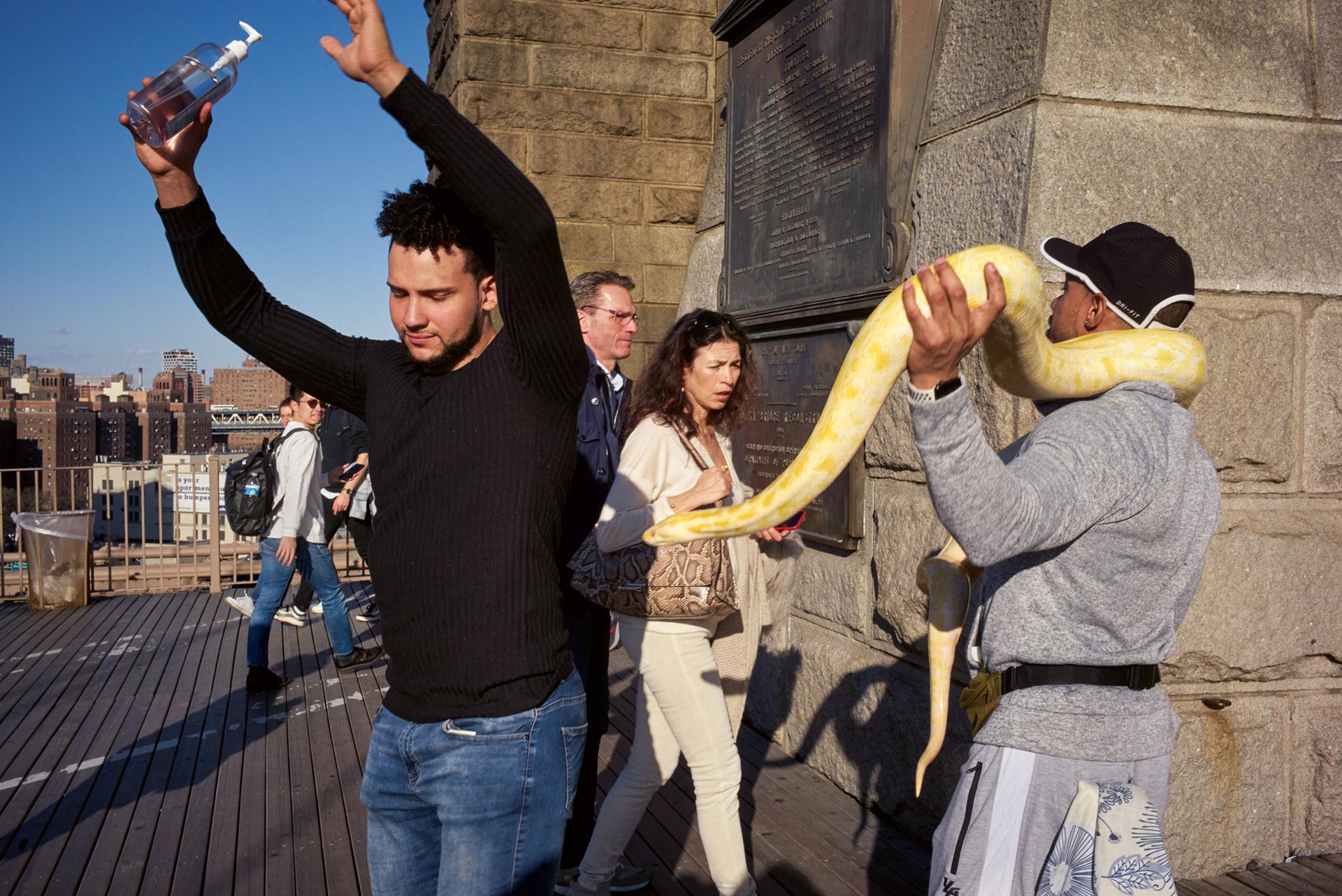 Gus Powell If the phrase "there's nothing new under the sun" were invoked about photography, some images would immediately come to mind. Whether it's phone photos of a tourist site that our maps app points us to over and over, or how we're all slowly starting to look like the same generic Instagram influencer, photos can be repetitive, trite, and overdone. But that doesn't mean that any of us should quit, throw the camera down, and take up basket weaving. Good photographs are out there waiting to be taken, and Jason Fulford is on a mission to figure out how we find those photographs that "transcend" their subject.
Fulford is a photographer and publisher who often works with others in the photography world to explore their minds and work. His new book, Photo No-Nos: Meditations on What Not to Photograph, was assembled during the pandemic lockdown. He crowdsourced advice and insight from famous photographers, such as Endia Bealand William Wegman, asking them what they try not to take pictures of and why. The final book is less of a blueprint to an objectively "good" photograph and more of a roller coaster that takes you through highs and lows, personal obsessions, and pet peeves of some of the world's greatest working photographers.
We spoke with Fulford in Brooklyn about what he learned while working on this book, and why every rule was meant to be broken. 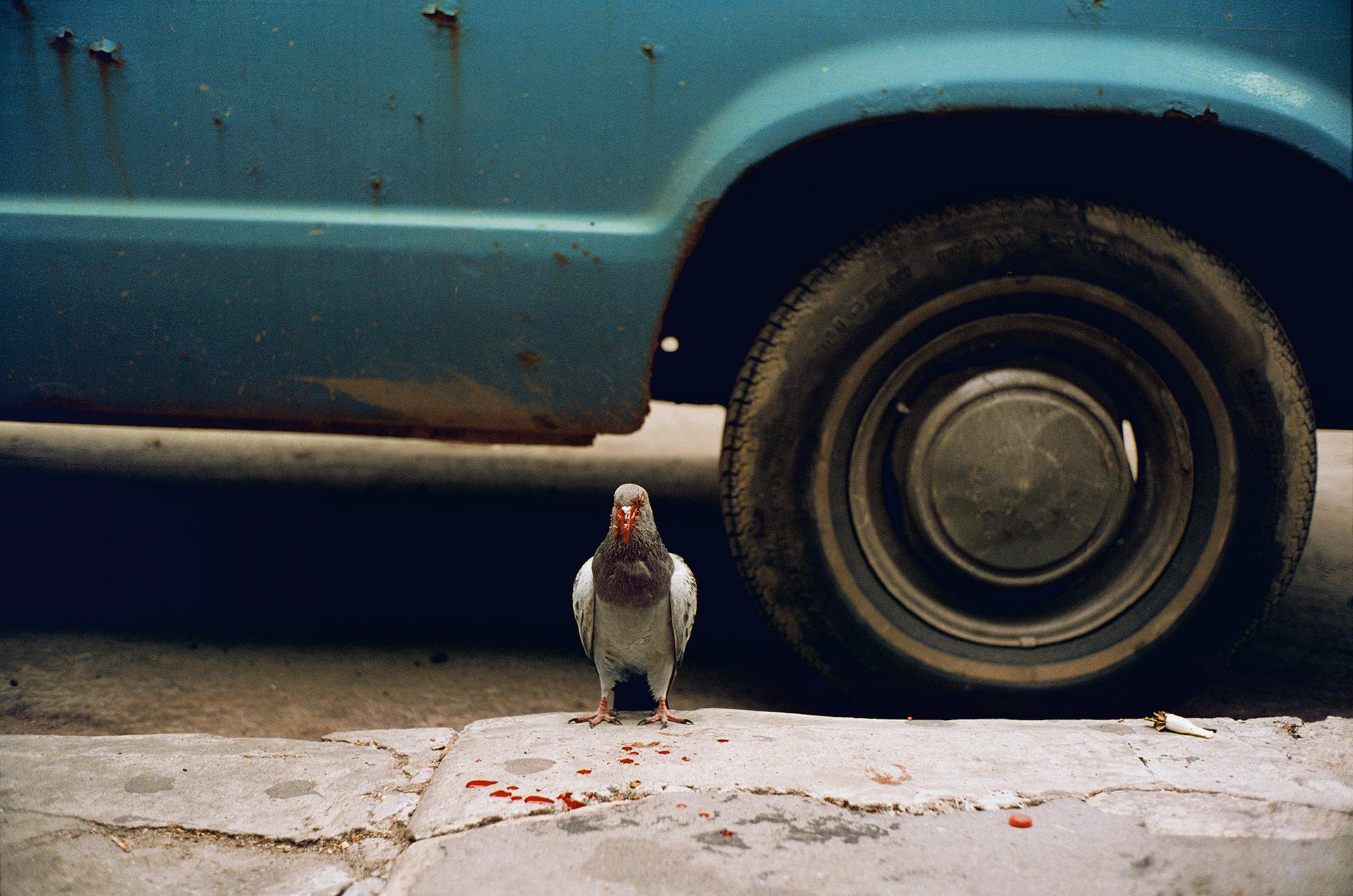 Jeff Mermelstein The book includes suggestions and "rules" from about 240 photographers, editors, and curators. What makes something a photography "no-no"?
Sometimes it's challenging to make a good picture of a subject that is too photogenic. It's difficult to go beyond that surface quality. Cacti, cemeteries, fireworks, lighthouses, peacocks. So some photographers avoid these subjects altogether.
My friend Gus Powell shoots on the street a lot. He'll be out on a street corner and something sparks it — the light hitting in a certain way, an interesting person. But instead of taking a picture just of the light or the person, he'll wait for something to come along into the frame and interact with that initial inspiration, and then that elevates the picture. Or Alex Webb wrote about avoiding sunsets — but then he made a picture he loves, of a sunset that also included a combination of light sources and colors and a silhouette of a person. And the sunset was only one element that added to the whole.
In a way, some of the pieces in the book are exceptions to a rule, which is implicit in everything once you get into it. Jeff Mermelstein writes about pigeons — he can't stop taking pictures of them. But it's implied that he knows it's a guilty pleasure; he knows they're an easy subject or even something that people don't want to look at.
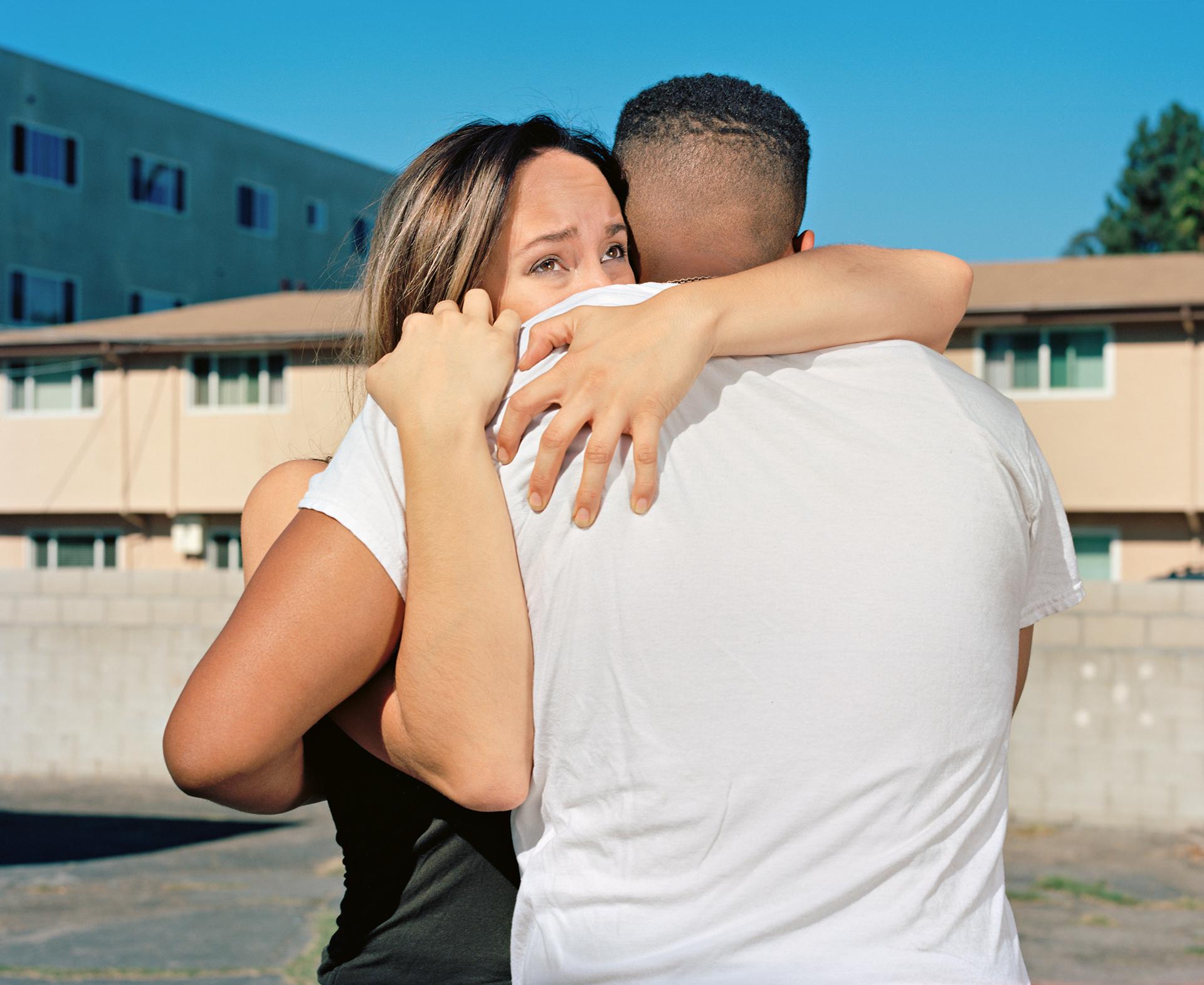 Max Pinckers What did photographers say when you reached out to them, asking them about what people shouldn't photograph?
Well, I didn't ask people what they thought others shouldn't photograph. I asked about things they avoid themselves. Pretty much everyone said, "I don't want to believe in self-censorship. I don't want to believe anything is off the table!"
There are moments in the book where two people say opposite things — Alessandra Sanguinetti talks about avoiding portraits where people stare off into the distance, while Ed Kashi mentions avoiding direct eye contact with the camera. I love it when they seem to cancel each other out.
Some of the book is about guilty pleasures and light topics; some of the book tackles more serious issues of representation and permissions in photographs. Did you know when you started asking that you'd get both?
From the beginning, we thought we would organize it alphabetically by forbidden subject, and we decided while we were working to include everything that people told us, even if they didn't expand upon it and write a piece about it.
Because of that, I think you get a really good mashup of life. Something intense and heavy happens, and then something stupid and funny happens. I wanted the book to feel like that, and not just hit one note. I didn't want for people to feel like they were being told what they should and shouldn't do. I wanted the small decisions to be mixed in with the really big ones, because when you're a photographer all of those things are happening when you make a picture — it's not just one thing at a time. 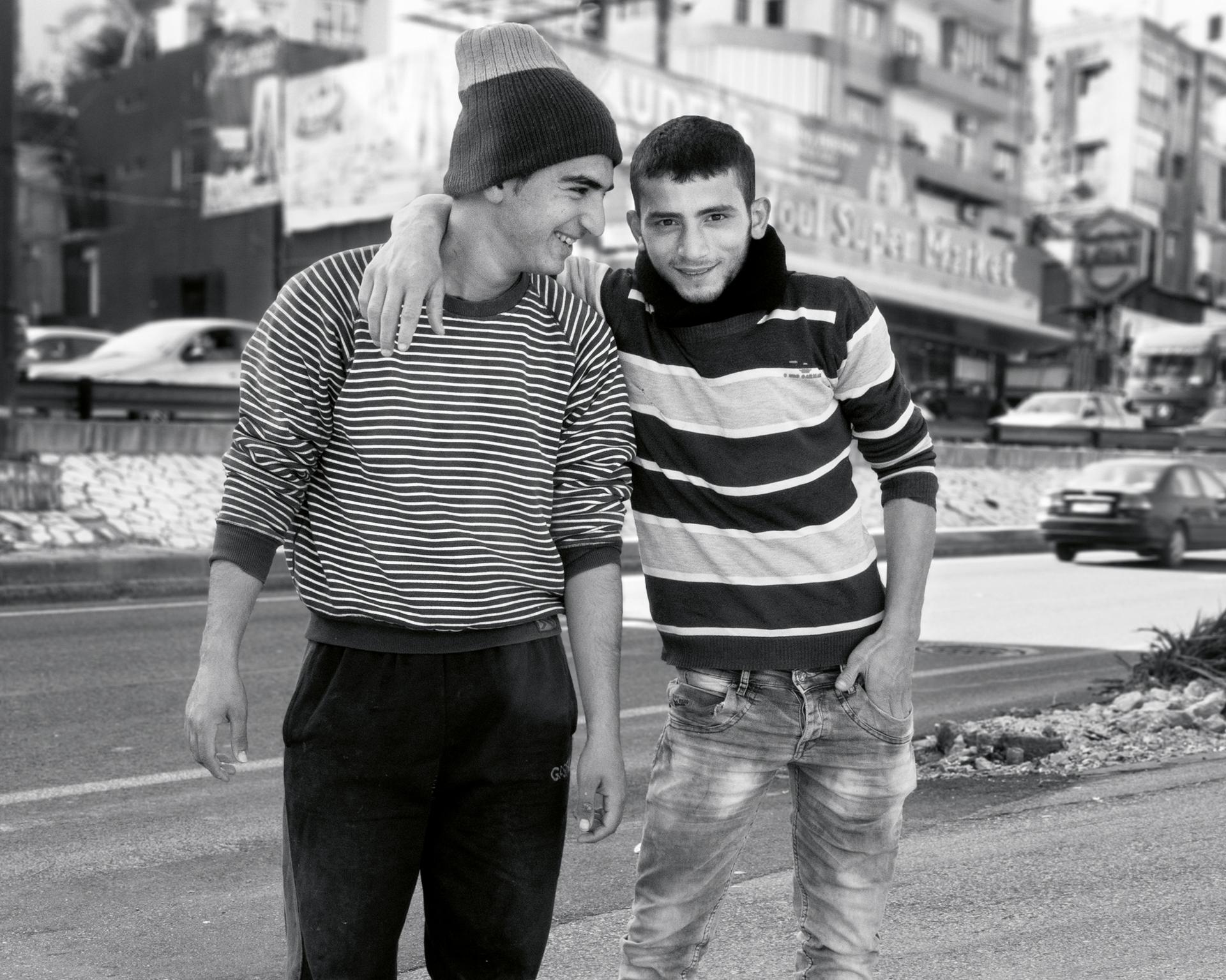 Manal Abu Shaheen Your last book, The Photographer's Playbook, included input from photographers of all backgrounds. Why do you like working on collaborative projects like this?
Photography can be really solitary as a practice — and if you're an artist, it's easy to be too into yourself, and it doesn't feel good to be like that. The other places in my life, like school or in darkrooms, where you would have downtime and get to be around other photographers and exchange stories, that's largely missing from my life now, except for some friends. Photography is just so huge. I learn a lot from hearing somebody else's perspective, and from somebody who is using photography for reasons that are different from mine. I think a lot of people feel this way, too.
How do you explain the book to people who pick it up, maybe thinking, Oh, OK, this is going to make me a better photographer by telling me what not to do?
I wish I had an easy answer for that. It's the tricky thing about this book — it's a language trick. I mention in the introduction that for me the book is framed in terms of negatives, but the underlying message is positive. You can learn about what someone cares about, and what they want to do, by learning what they say no to. That's as important as what they say yes to. This is a book about photographers. It is about you as the reader, also, but you have to find out for yourself why and how it's for you.  📸FROM OUR DESK 📸 As always, here are some of the best photo stories from around the internet, and what we loved from our desk. THESE IMAGES FROM THE WAR IN AFGHANISTAN RAISE A LOT OF QUESTIONS ABOUT WHAT IS NEXT 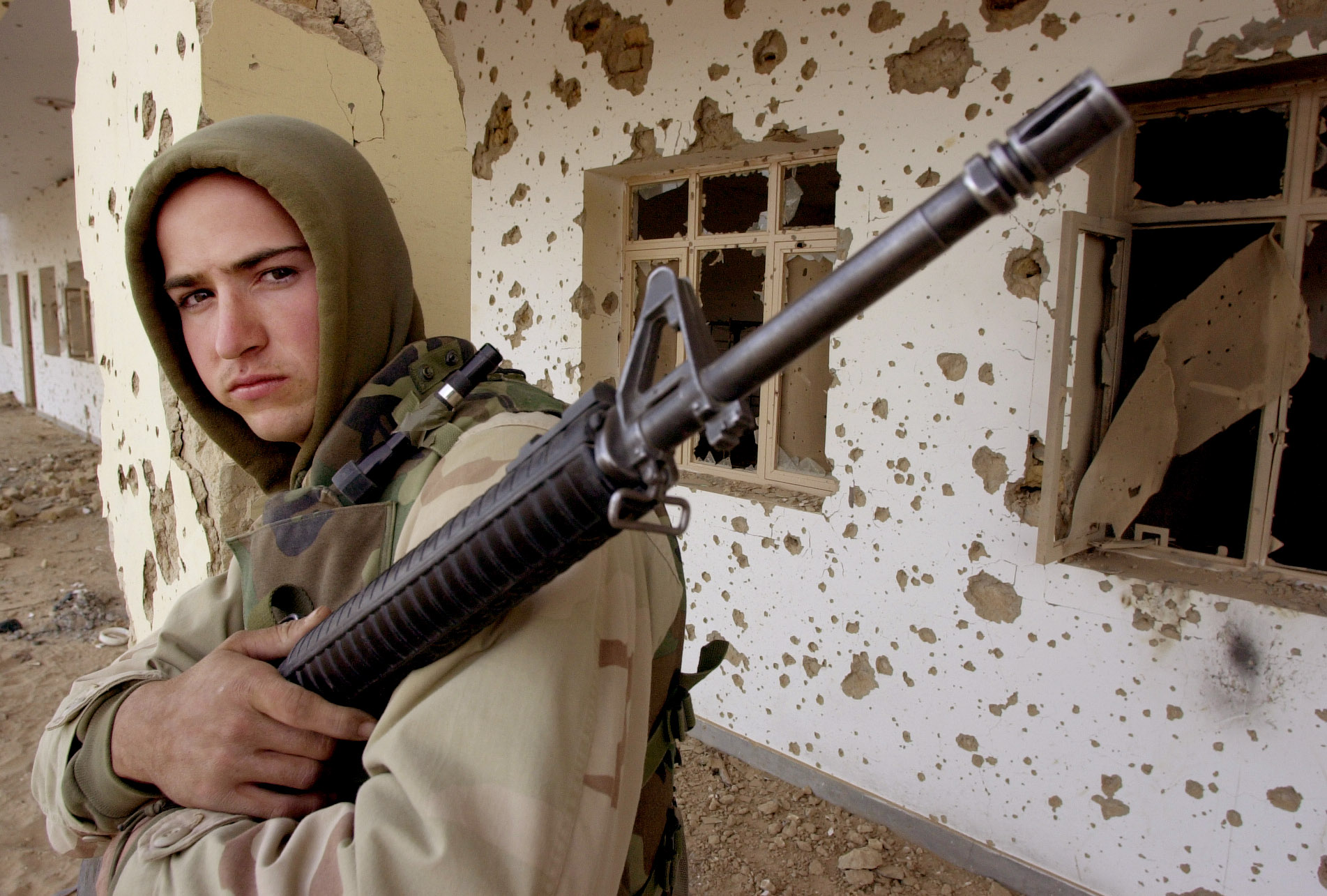 HOW AMERICANS AROUND THE COUNTRY CELEBRATED INDEPENDENCE DAY 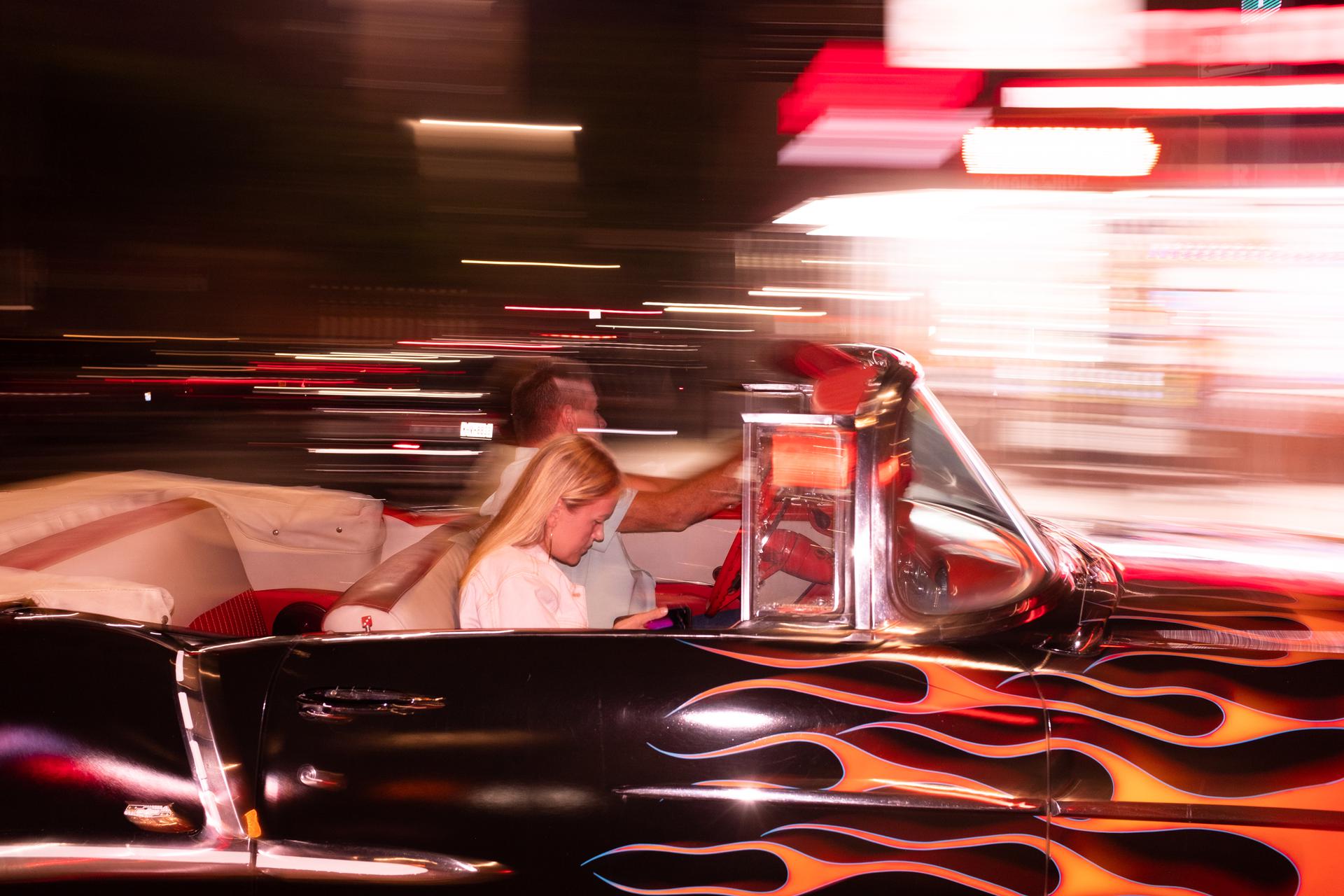 Derek Gardner/BuzzFeed News THESE RARE AND AMAZING PHOTOS SHOW THE QUEER COMMUNITY IN THE 1950s 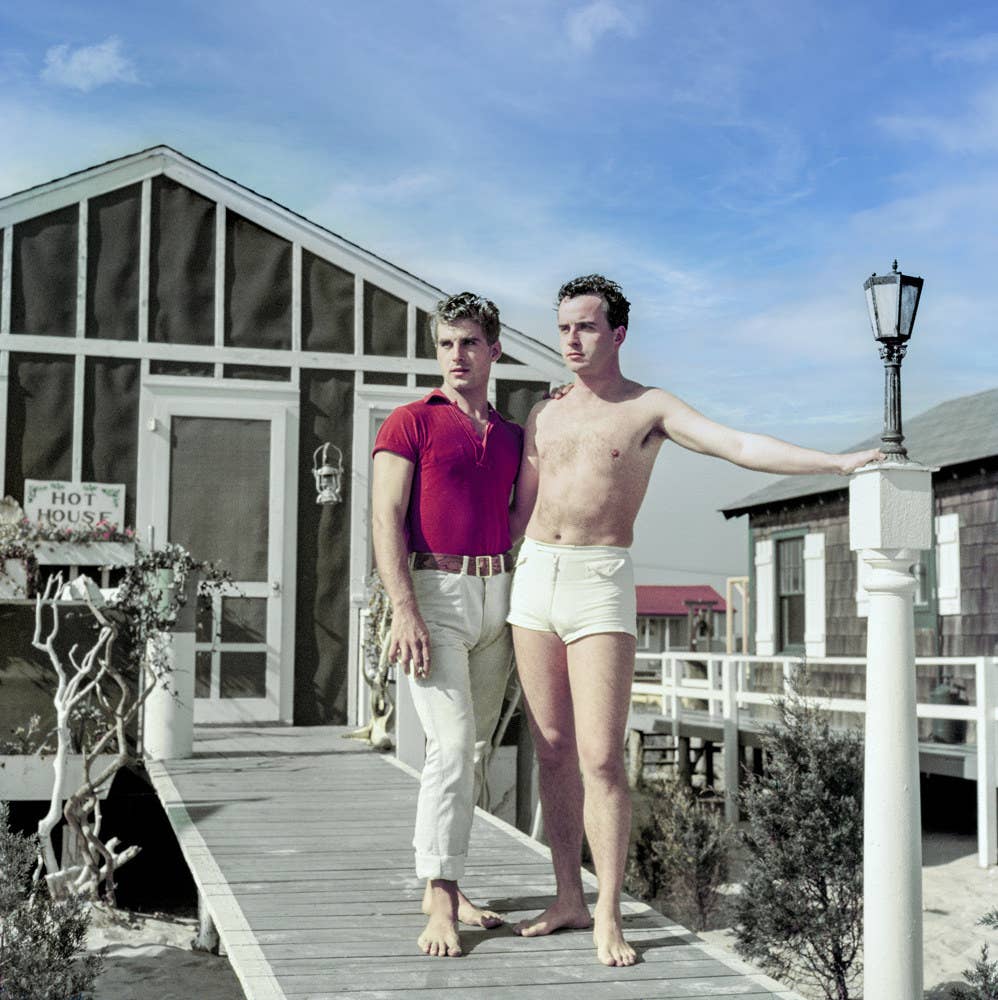 Cherry Grove Archives Collection SOME HOPE 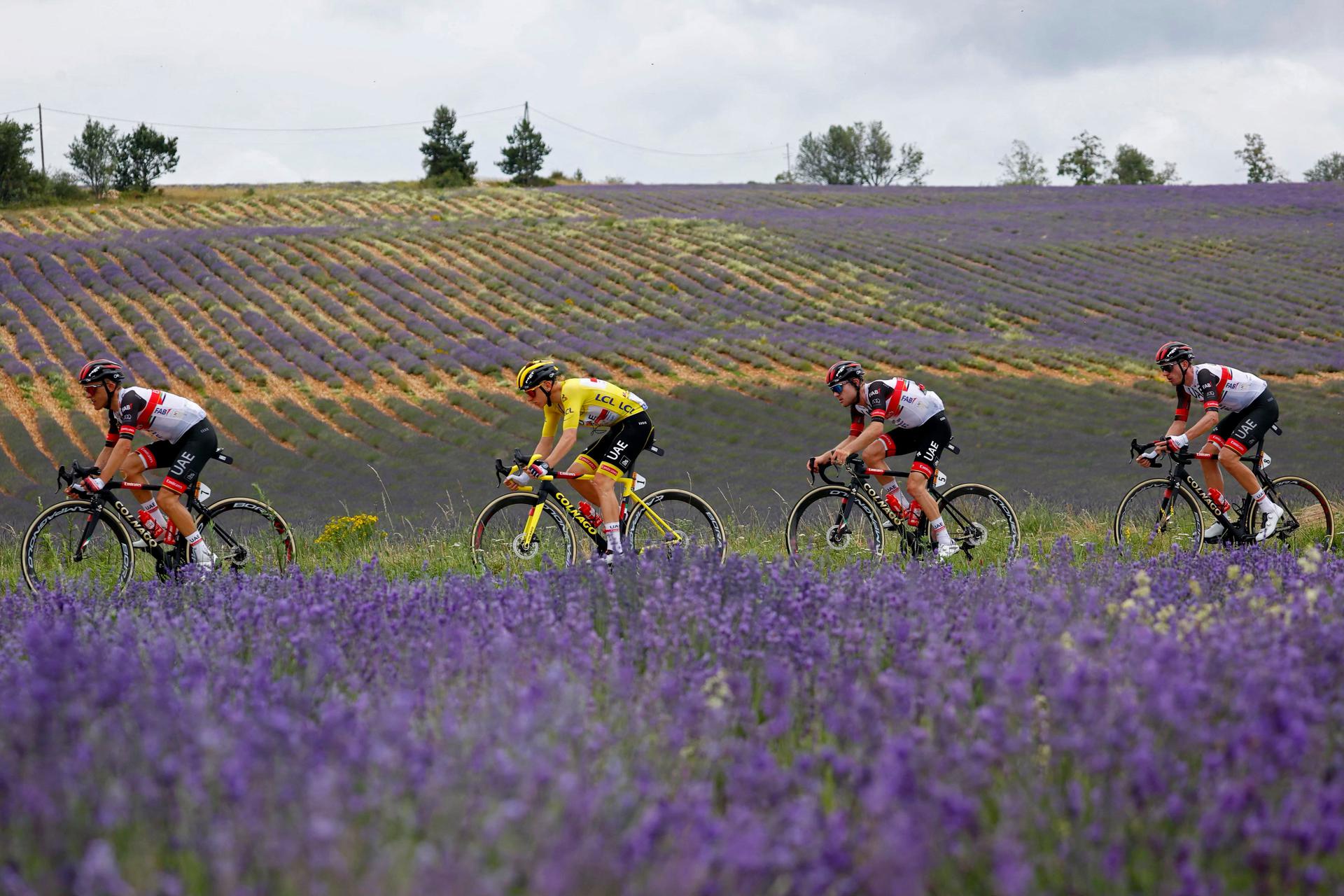 Thomas Samson/AFP, via Getty Images Not sure if I'm watching the Tour de France for the bikes or the flowers, frankly, but I'll take it until the Olympics starts later this month.
"We are making photographs to understand what our lives mean to us." — Ralph Hattersley That's it for this week! Kate + Pia
📝 This letter was edited and brought to you by the News Photo team. Kate Bubacz is the photo director based in New York and loves dogs. Pia Peterson is a photo editor based in Brooklyn. You can always reach us here.
BuzzFeed, Inc. |


