July 4: Reckoning With Our Identity


July 4: Reckoning With Our American Identity
Your lens to the internet's most powerful photographs.
 📸For Your 👀 Only: 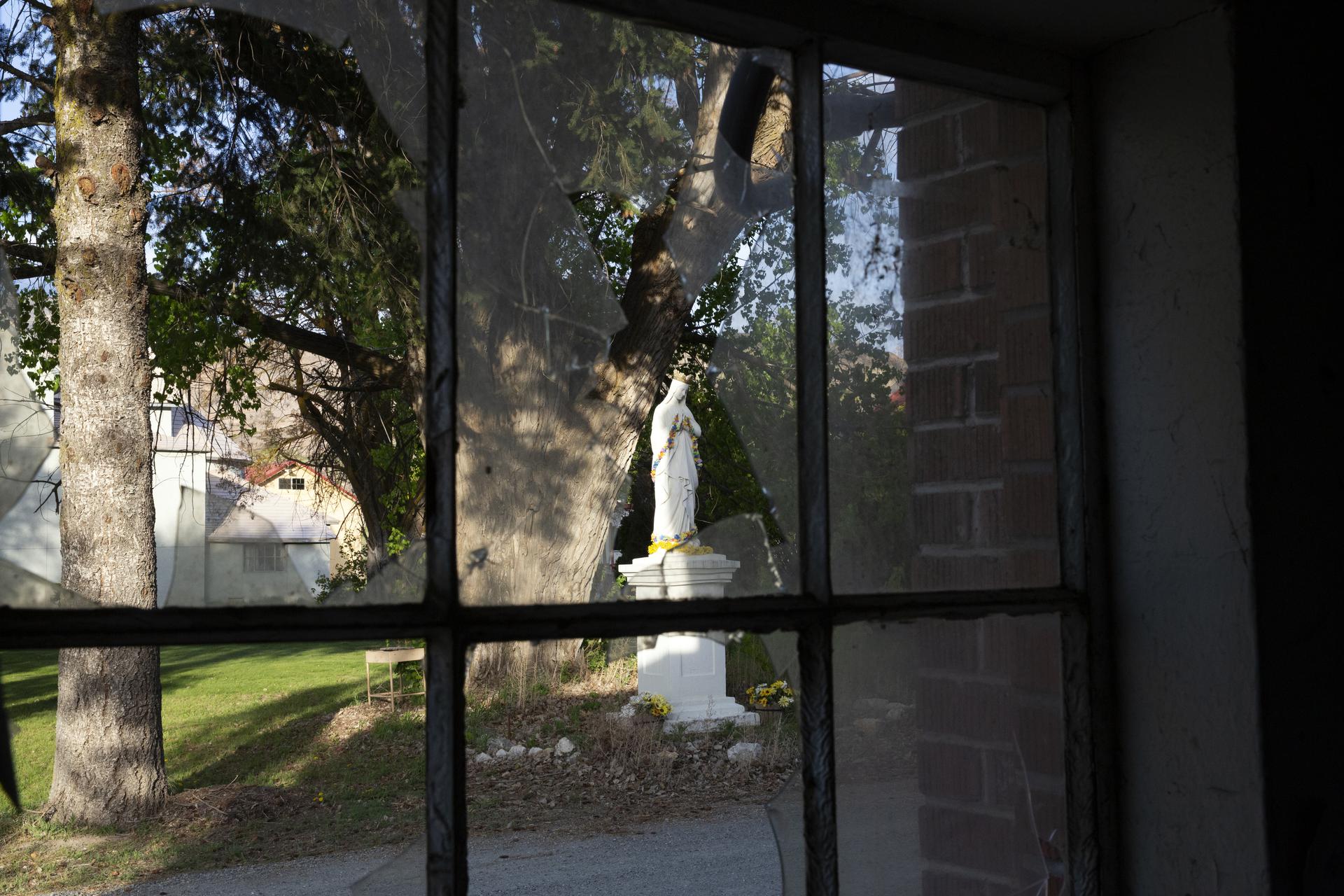 Daniella Zalcman I know it's a holiday weekend and we're all a little fragile, but it would be off-brand for me to talk about something celebratory when we really need to talk about our cultural legacy. Last week, the US Secretary of the Interior Deb Haaland announced an inquiry into finding the remains of Indigenous students who were sent to boarding schools with the intention of stripping them of their Native identity through forced assimilation. This inquiry was prompted by the discovery of mass graves at several residential schools in Canada.
Photographer Daniella Zalcman has worked extensively with survivors of residential schools to bring to light their history. Her work on residential schools in Canada was first published as a book, Signs of Your Identity, in 2015, and her work in the United States is ongoing with the support of The Pulitzer Center and The National Geographic Society.
What, if any, were some differences between the schools in Canada and in the US?
Every school in Canada was funded by the government and operated by a church — either the Catholic, Anglican, or Presbyterian church. There was a kind of uniformity to the experience because of that structure, though obviously First Nations, Metis, and Inuit children across the country had a range of experiences depending on where they were.
In the US, however, we have the separation of church and state, so the US government couldn't explicitly work with the churches (though it turns out they did quietly fund many of those schools as well). The US Bureau of Indian Affairs created its own network of boarding schools, and many churches operated their own missions on reservations as well, except with very little government oversight. And while the school system in Canada closed for good in 1996, we still have roughly 50 Indian boarding schools open in the USA. They're very different from what they once were, and some people would argue that they serve their communities in positive ways, but they're definitely also the places where current students' parents and grandparents were horribly mistreated, and they're part of a much larger colonial legacy that we haven't yet truly faced. 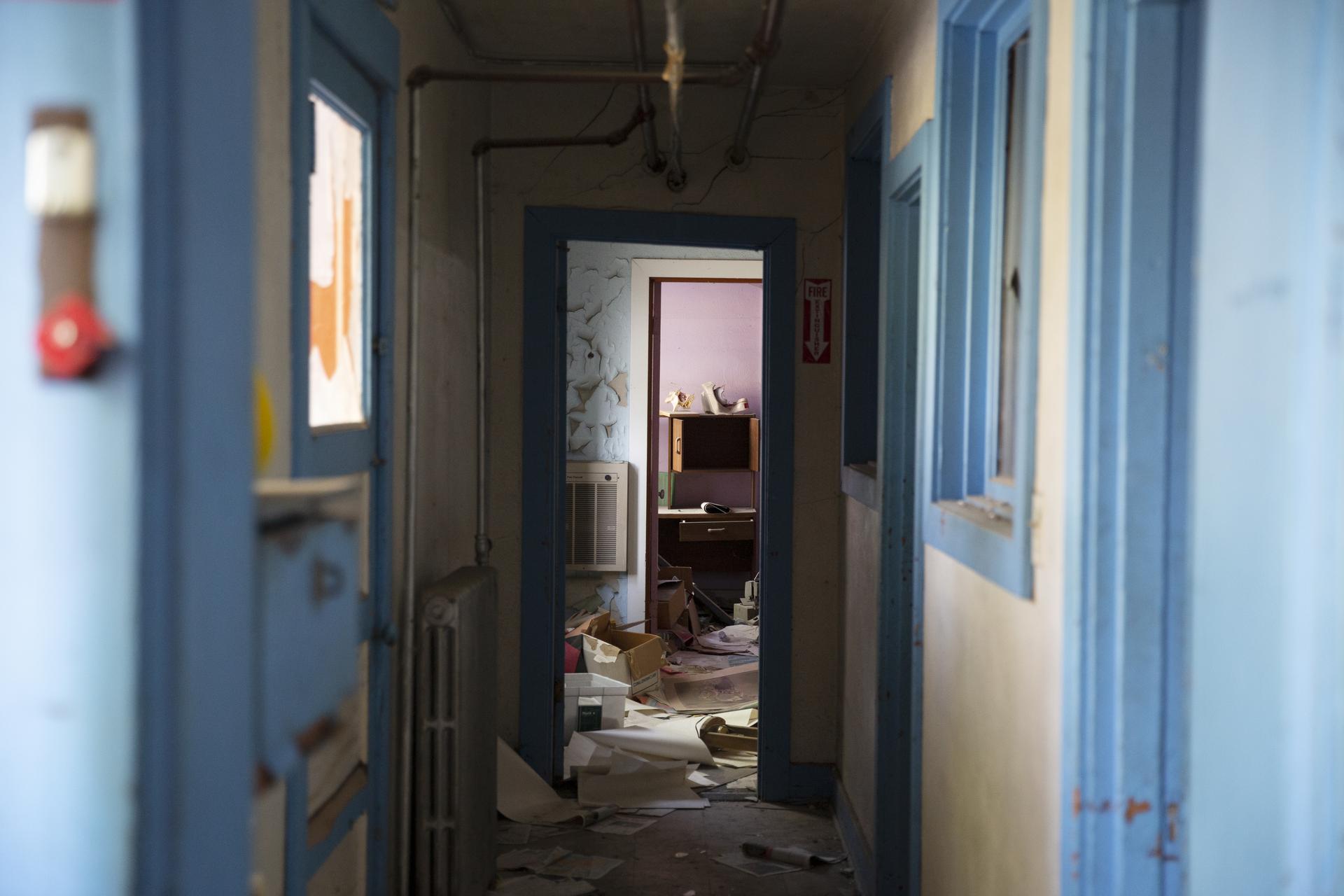 Daniella Zalcman Has this project evolved since you first started working on it in 2014?
In many ways. My first images, back when I thought this was ostensibly a public health story, were straight documentary news photographs of Indigenous people coping with HIV, which in urban communities in particular is tied to the ongoing opioid crisis and injection drug use. I don't need to show you those images for you to understand what they look like — and also to know that they aren't necessary or particularly thorough journalism.
Much of the work ended up taking the form of multiple exposure portraiture that overlaid boarding school survivors with the sites and memories of their boarding school experiences. And now, a lot of my work has become more collaborative — involving other Indigenous artists who have embellished my portraits in their own ways. I'm also trying to spend some time thinking about what it means to heal, and how Indigenous communities have reimagined education systems within their own communities — because as much as I believe in telling this story, I think it's important that we spend as much time thinking about reconciliation and futurism as we do remembering past traumas.
Can you talk about some of the reactions that people have had to this project?
There's a huge range! I'm grateful that so far, every survivor has been happy with their portrait and the way in which I've portrayed them. The broader reaction from Indigenous people (which is the audience I care most about) ranges from thanking me for working sensitively to questioning whether I'm the right person to be telling these stories — and I think that's an extremely valid question and one that I continually ask myself. I don't know the answer — but I try my absolute best to listen, be open, course correct when someone tells me that I'm doing something wrong, and make sure that I'm prioritizing the well-being and safety of the people who trust me with their stories above all else. 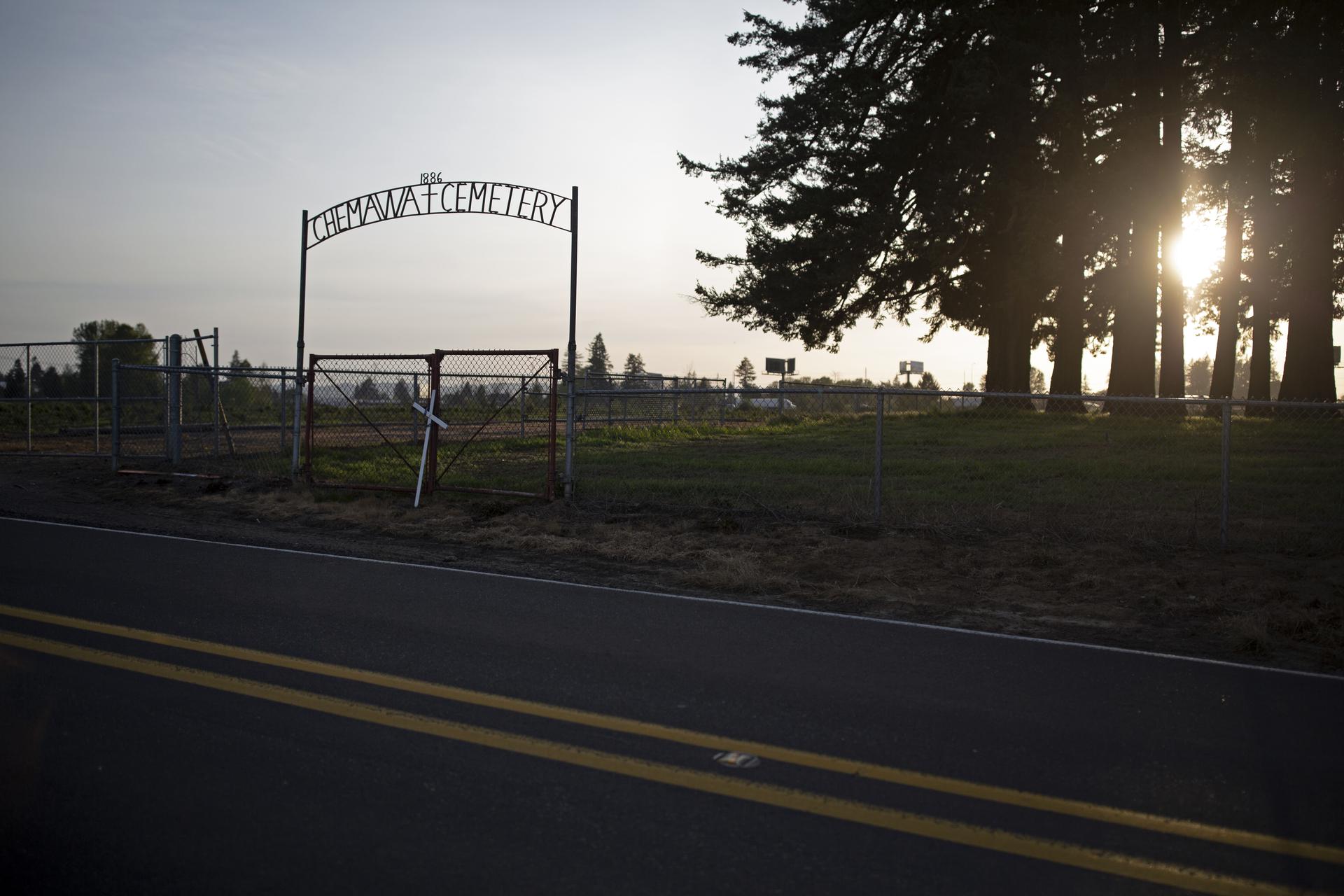 Daniella Zalcman The Canadian government formally apologized for the schools in 2007 — has any similar acknowledgment or restitution happened in the US?
Not really. President Obama signed the Native American Apology Resolution privately in 2009, which was a relatively generic apology for a "long history of official depredations and ill-conceived policies by the Federal Government regarding Indian tribes," and included one line about "the forcible removal of Native children from their families to faraway boarding schools where their Native practices and languages were degraded and forbidden." Michelle Obama gave the commencement speech at the Santa Fe Indian School in 2016, and went into more detail:
"As we all know, this school was founded as part of a deliberate, systemic effort to extinguish your culture — to literally annihilate who you were and what you believed in. But look at you today. The Native languages that were once strictly forbidden here now echo through hallways and in your dorm room conversations at night. The traditions that this school was designed to destroy are now expressed in every square foot of this building … And the endless military drills and manual labor that those early students endured have been replaced by one of the best academic curriculums in the country."
But we have not had anything remotely close to Canada's Truth and Reconciliation Commission (as flawed as it was). But last week, new Secretary of the Interior Deb Haaland announced the Federal Indian Boarding School Initiative, which will be a national investigation into the system and its legacy. Secretary Haaland's mother is a boarding school survivor, so I think it's an urgent and personal mission. 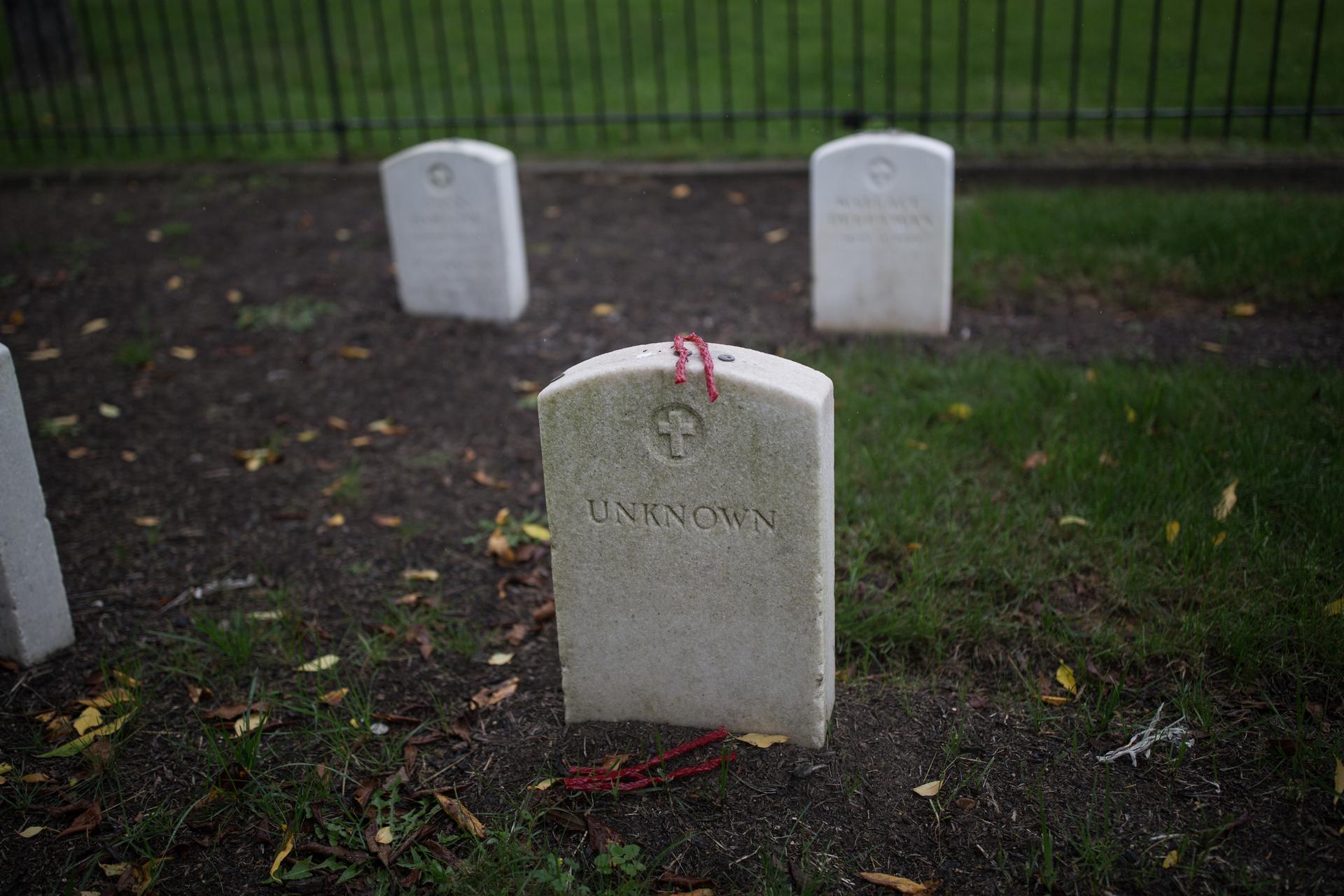 Daniella Zalcman  📸FROM OUR DESK 📸 As always, here are some of the best photo stories from around the internet, and what we loved from our desk. RED WHITE AND BLUE: SOME FLAG THEMED OUTFITS TO CELEBRATE THE FOURTH OF JULY 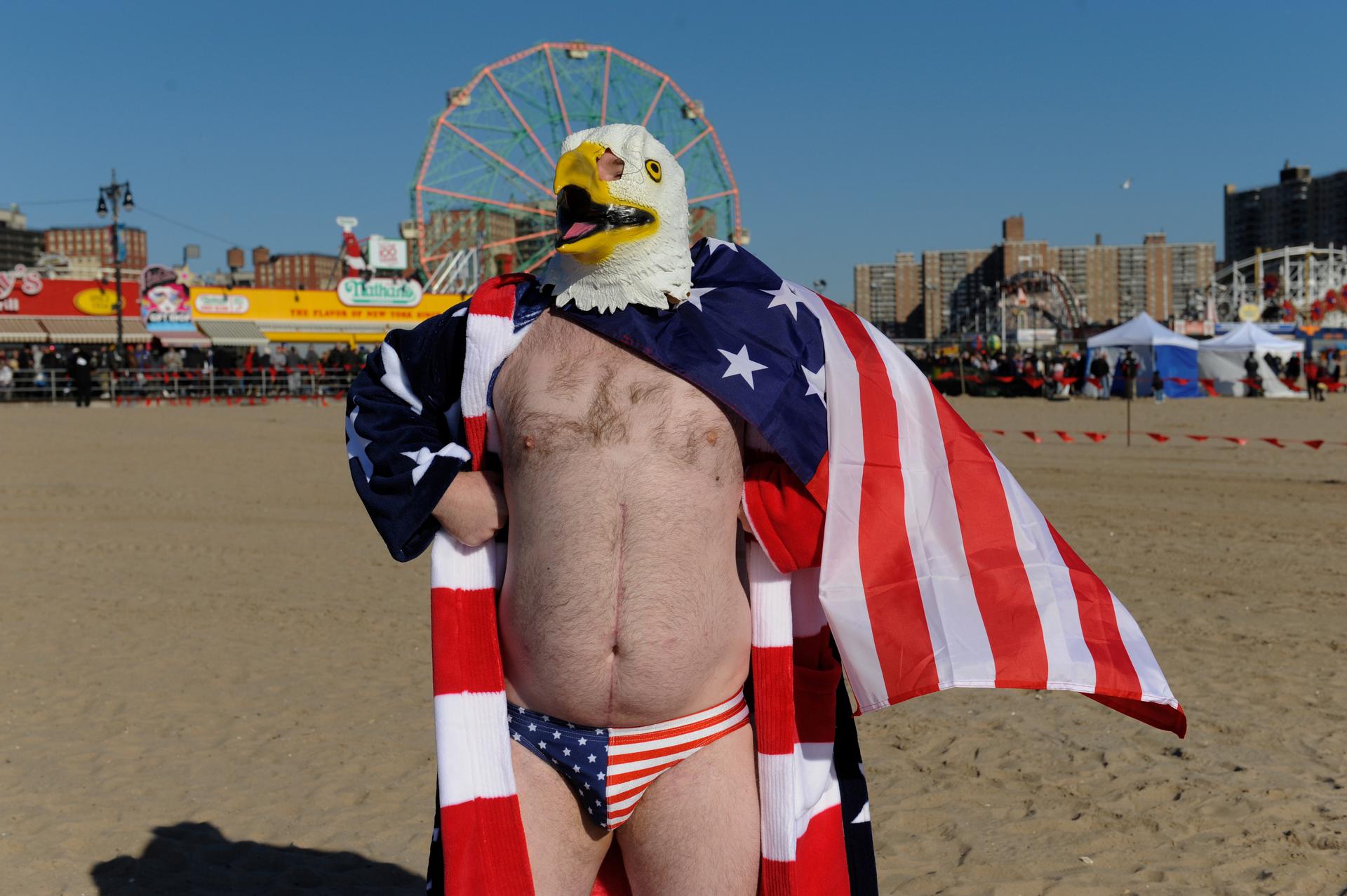 Reuters THESE RARE AND AMAZING PHOTOS SHOW THE QUEER COMMUNITY IN THE 1950s 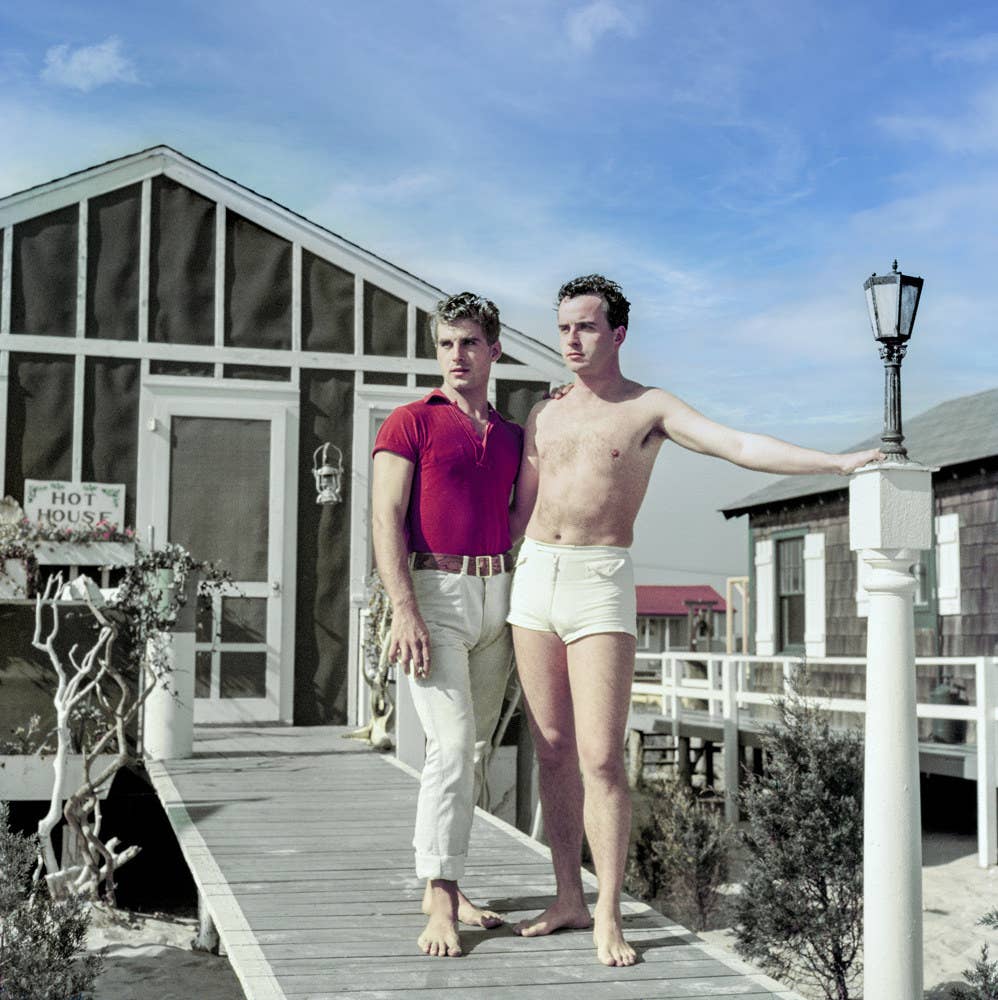 Cherry Grove Archives Collection
HOW PEOPLE IN THE PACIFIC NORTHWEST ARE COPING WITH THE DANGEROUS HEAT WAVE 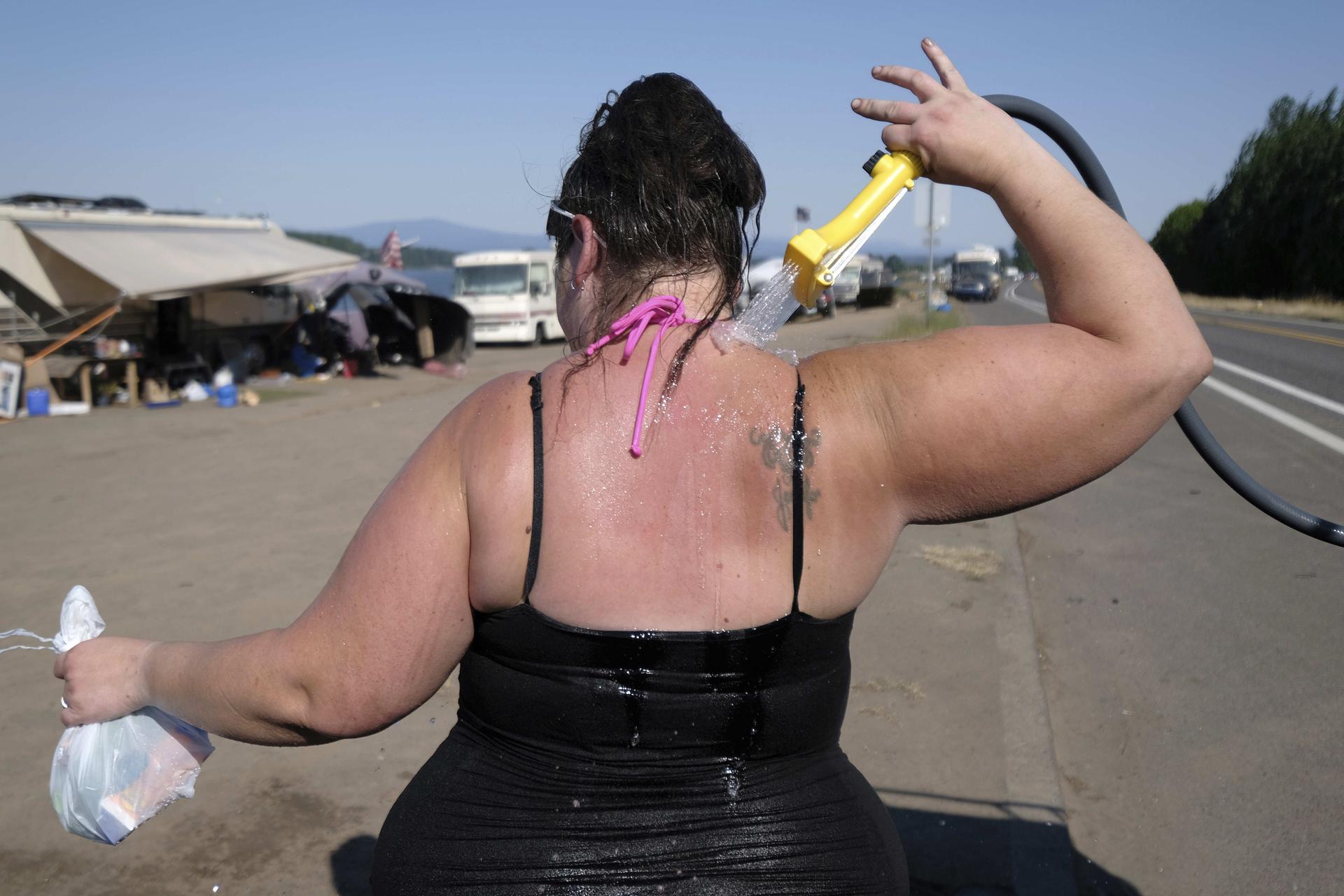 Alex Milan Tracy / Sipa USA via AP
SOME HOPE 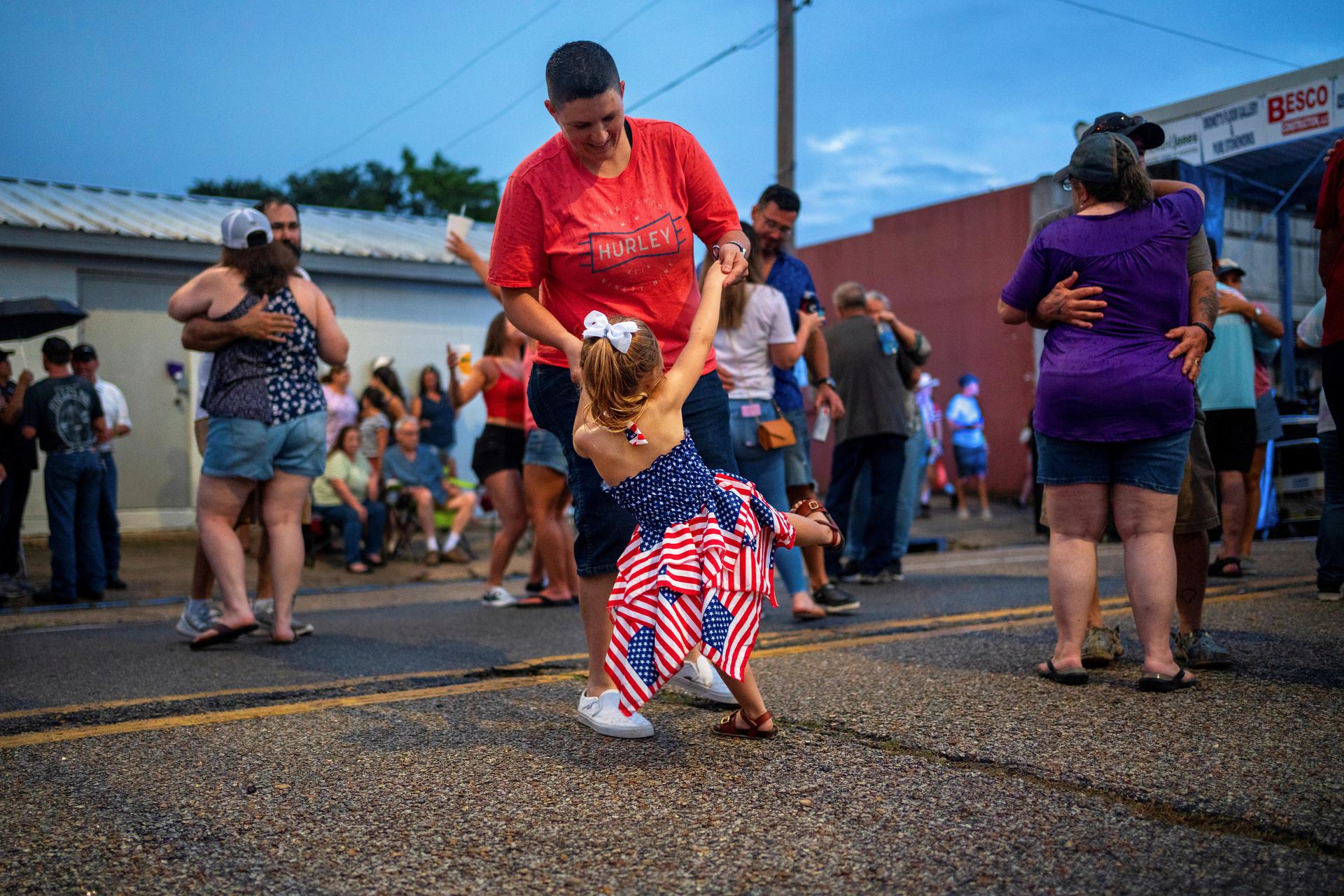 Kathleen Flynn / Reuters Addilynn Waller, 4, dances with her aunt Jacie Conley, during a Fais Do Do, or Cajun dance party, as part of 4th of July weekend celebrations in Erath, Louisiana.
"We are making photographs to understand what our lives mean to us." — Ralph Hattersley That's it for this week! Kate + Pia
📝 This letter was edited and brought to you by the News Photo team. Kate Bubacz is the photo director based in New York and loves dogs. Pia Peterson is a photo editor based in Brooklyn. You can always reach us here.
BuzzFeed, Inc. |


