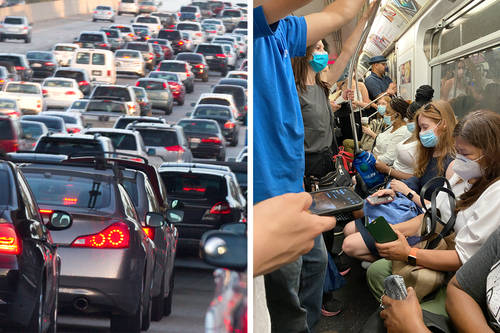
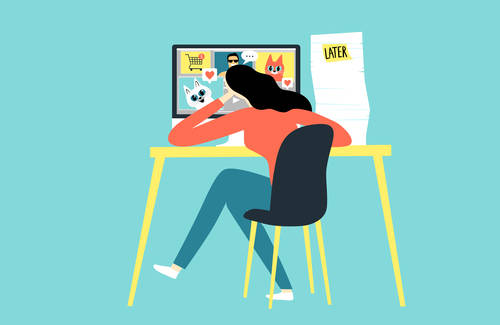
| If I did a pro and con list for working from home focused on wellness, in my case, the pros would far outweigh the cons. Cons would include missing emotional connection with colleagues and suffering self-consciousness when looking at myself on Zoom. Pros would include being physically fitter and more comfortable (soft pants! bare feet!); being mentally calmer and better focused; and eating more healthfully (it helps to not have a restaurant, snack place and coffee shop downstairs). But by far the biggest pro is that I don't have to commute. I live in suburban Maryland, and what should be a 40-minute drive to work is usually closer to an hour – sometimes more – of stop-and-go aggravation exacerbated by potholes, road closures and people who can't drive in conditions that involve any form of water. Then there is the challenge of finding parking and maneuvering into a too-small space. The time I've picked up by not commuting is the reason I'm better rested and am able to exercise more. It's also a major reason I'm calmer; I never arrive at work or home frustrated and agitated by a bad drive. It's made such a difference in my life that I look back on all the years that I commuted with the forehead-slapping frustration of whoever invented the horse-drawn cart. "Why didn't I figure this out sooner?" I imagine them thinking. "How could I have wasted all that time walking?" I am not alone in feeling trepidation about going back to commuting. The Post has been asking readers what they most miss or loathe about working in an office. As of this writing, there are responses from 144 people. Forty-four of those people say they are dreading their commute; four mention looking forward to it. (Other aspects of office work that people are looking forward to include seeing colleagues and having impromptu conversations; other dreads include distractions and cubicles.) The widespread disquietude about spending hundreds of hours and thousands of dollars yearly in service of outdated concepts about work is already changing the country. People are leaving jobs for others that allow remote work. And academics, corporations and planners are analyzing how different commute patterns will affect parking, public transportation, housing, the environment and the very reason for and design of cities. Still, it will take a while for many companies to come to grips with their employees' readjusted priorities. This means plenty of people will be resuming commutes that they now view as unnecessary evils rather than necessary ones. That's why, this week, Allyson Chiu talked to experts about how to make those commutes more bearable. One of the tips is to not focus on the negative. So, in pondering ways to make my commute more positive, I've decided to keep a list of all the books and podcasts I play to distract me from the traffic. When I see how many books I've read (and, yes, I'm going to start thinking of this as reading) and how much I've learned from podcasts, perhaps that will help me look at my commute a bit differently. In any case, it can't hurt. How are you planning to make your commute better? Click on my byline and send me your ideas. And, if you have other questions about wellness – fitness trends you want to know about, mental health issues you think we should address, nutritional claims that seem questionable, whatever you're wondering about – please send them to us via this form. Take care! | 




 Email
Email