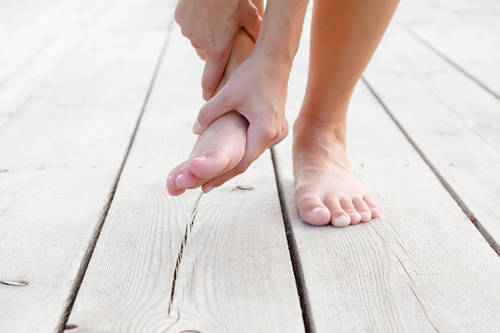
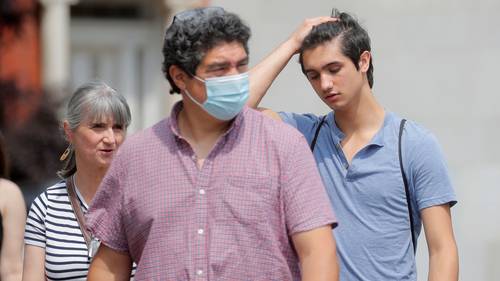
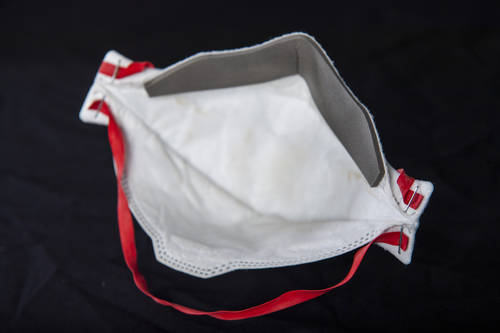
| For as long as I have been married, there has been an aloe vera plant next to our kitchen sink. This is because in Hawaii, where my husband grew up, people put aloe on burns, and burns often happen in kitchens. (They also use aloe for sunburns.) * Though my husband has used it, I've never once remembered to cut off an aloe leaf from that plant and squeeze some of the gel onto my skin after I've been burned or scalded. Instead, I've automatically reached for butter or ice, based on some ingrained guidance I got so long ago that I can't remember where – a parent, grandparent, Girl Scout leader? Turns out, that's a bad idea. Rather than applying butter (which can introduce contaminants) or ice (which can do more damage to the skin), you should place the burned area under cool, running tap water for 20 minutes. (That might not be appropriate if there is a drought where you live, or you might not be near a faucet. In that case, place a cool compress, such as ice wrapped in a towel, on the burn for 20 minutes.) More wrong ways to treat minor emergencies: soaking a splinter, stuffing cotton in nostrils to stem a nosebleed, or forcing a spoon between the jaws of a person who is having a seizure to keep them from biting their tongue – all of which is advice I heard years ago. You can find all the proper steps to take in Stacey Colino's educational story about changes in first-aid practices. Health and safety habits are deeply entrenched. Every generation, parents have to communicate to scoffing grandparents that no one puts alcohol on teething babies' gums anymore, for example, or that infants should sleep on their backs instead of their tummies. I'm dating myself, but I remember my grandmother challenging the idea that we kids needed seat belts in the back seat! It's hard enough, then, to change course every generation. And now, it seems like we're experiencing major swings in health and safety advice every few weeks, thanks to the novel coronavirus. The issue of masks has been particularly dizzying: First we were told that we didn't need them, then we were told we did need them. We were advised to wear them everywhere, then we learned we probably didn't need them outdoors, then that vaccinated people didn't need them indoors. The very transmissible delta variant is forcing changes in guidance again. Yesterday, we learned that in some cases, vaccinated people should wear masks indoors to help stop its spread. And, while we were initially asked to save N95 respirators for medical workers, now experts are saying that, in some cases, the delta variant calls for wearing not just any mask, but an N95. Yes, it's tough to keep up. But I just bought a batch of N95 masks. And I'll never put butter on my burns again. Take care! *When I read the comments on the first aid story, I learned that the aloe vera home remedy from Hawaii is more common than I realized, because several people mentioned it. So, I emailed one of the experts in the story, Matt Wilson, vice chairman of emergency medicine at MedStar Washington Hospital in D.C, to ask about its efficacy. While he said that aloe from a clean plant is okay for minor burns, such as small non-blistering sunburns, deeper burns call for stronger, more supportive antibacterial options. He noted that aloe is especially soothing it if is cool. By Yasmeen Abutaleb, Joel Achenbach, Dan Diamond and Adam Taylor ● Read more » | | | |





 Email
Email