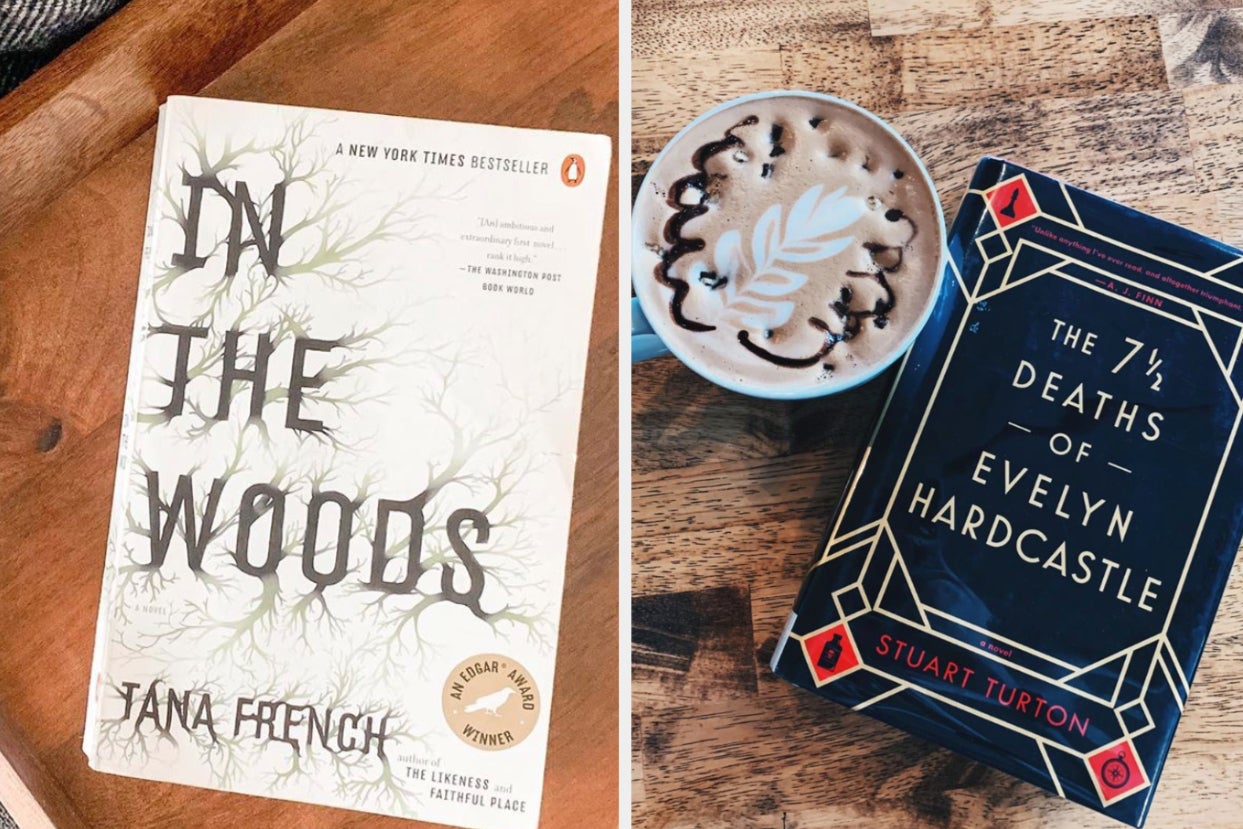
Our best books of August are here 🙌🏻


 From historical fantasies to psychological thrillers to swoon-worthy romances,
More for your TBR list Fun & funny
Read this if: You missed one of the best fantasy series of the last few years. 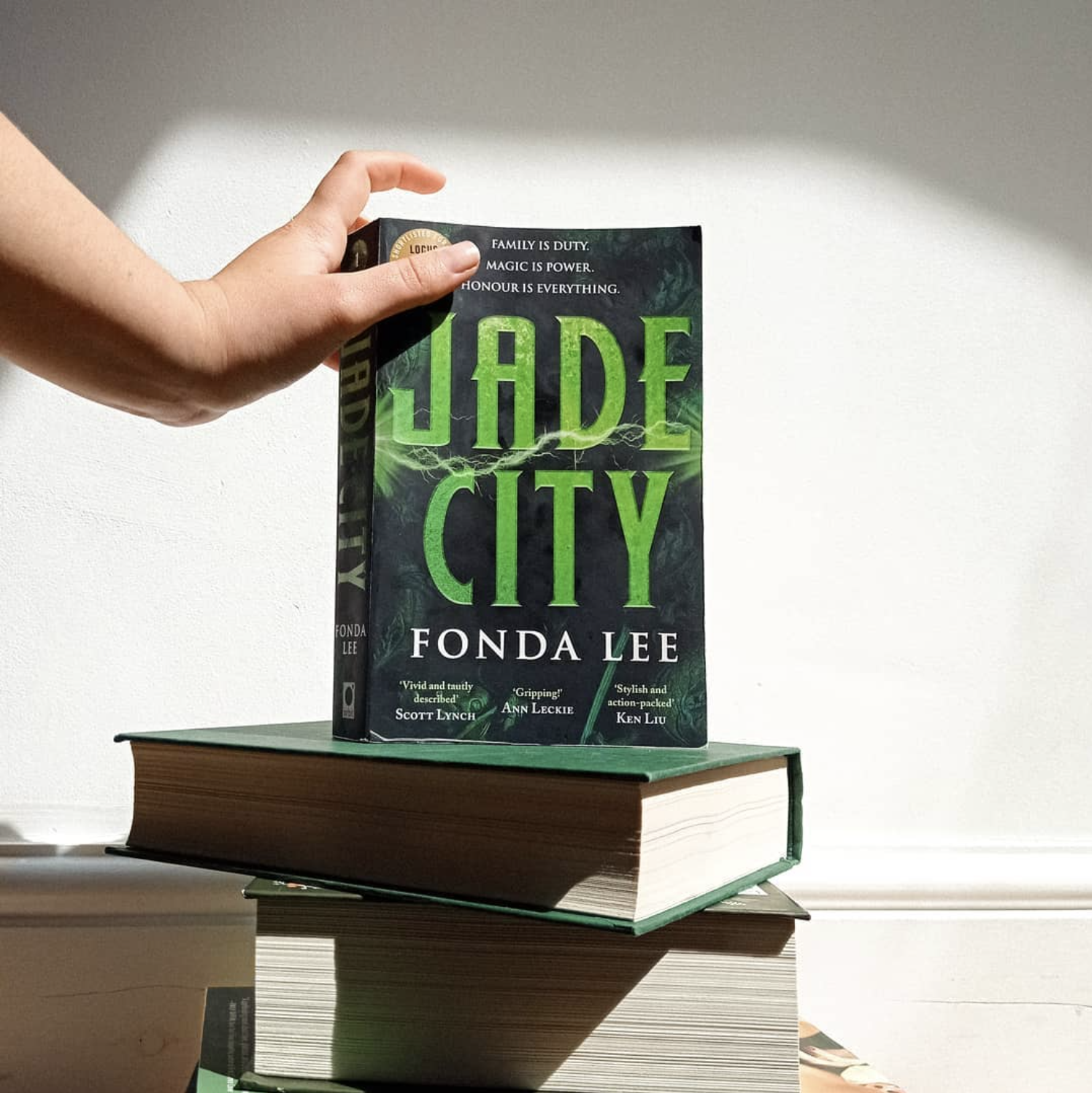 Credit: @book.police Jade City by Fonda Lee
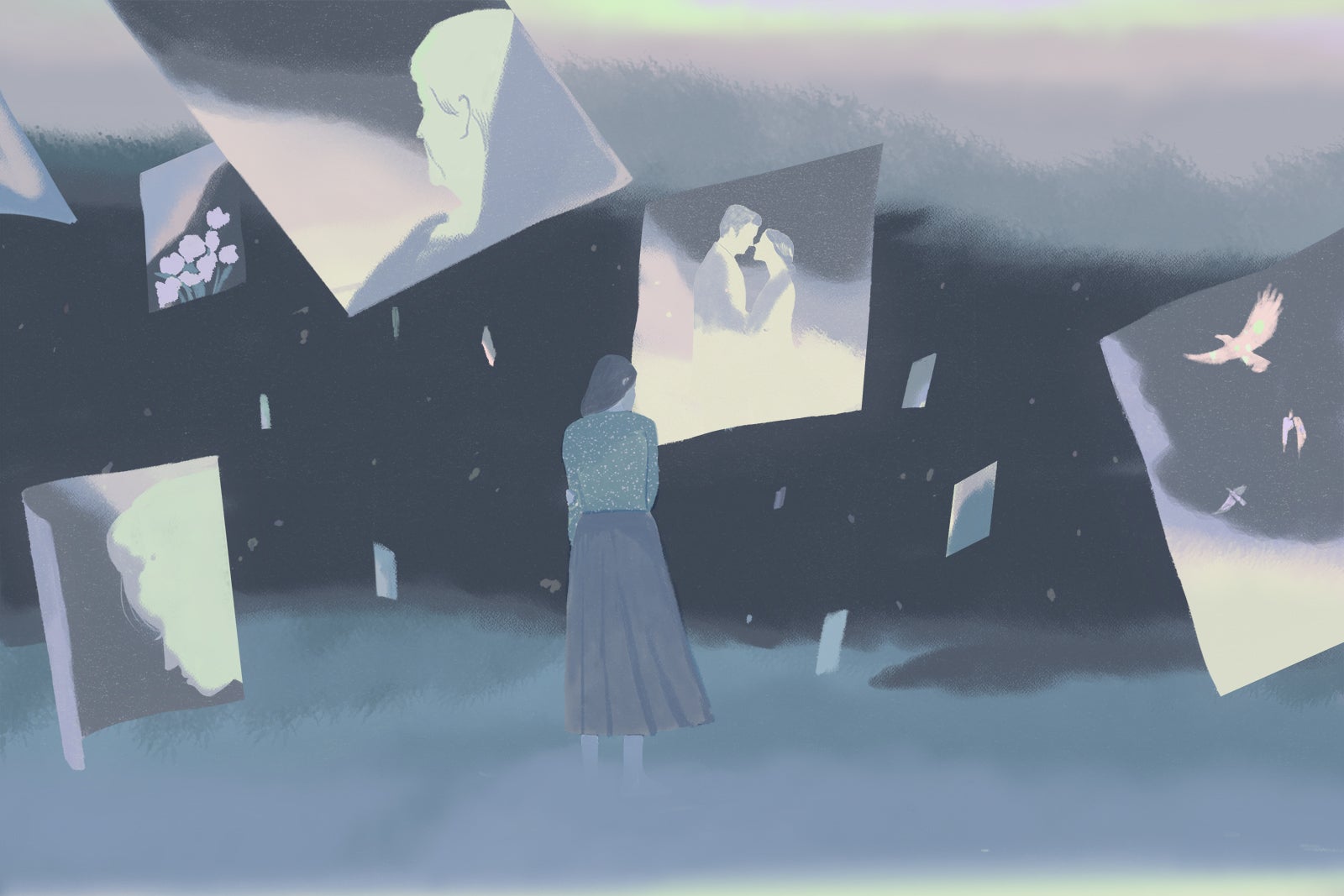 On a recent five-hour flight, I was wholly without Wi-Fi. It was a welcome reprieve from the internet, but instead of reading a book or doing anything productive, I spent three hours scrolling through the photos in my phone — I have thousands dating back to 2007. My friend, who sat beside me, had tens of thousands of photos on hers dating back even further. As we mindlessly scrolled, we found moments that we had spent together over the past decade, even though we don't live in the same city. There were also chunks of time that I sped over, uninterested in feeling the sharp pain of seeing people who are no longer in my life. But they were there too.
In the endless scroll, I found a cluster of photos of my mother feeding animals at a wild animal park in Texas. My mother died in the fall of 2019, but in these photos she was smiling and full of life. Which isn't to say she wasn't already sick — it was just her decline hadn't yet become severe. I had taken roughly 20–30 photos of her that day. I had also taken videos, but there was no video evidence of her petting buffalo or laughing at ostriches that strode alongside our truck. I had deleted those to make space for more photos months later. Photos that would work well in photo dumps — the ennui floating across our timelines now — pictures of the same skies, memes that made me wonder what I was going through when I screenshotted them, the random detritus of my life and the internet that I have been collecting for years.
I think about all the photos I deleted of people that I love and no longer have in my life — and even myself, growing older — because I needed the space on my phone. For instance, I don't actually have any videos of my mother left on my phone. I only have two voicemails from her. One is 23 seconds and the other is only 4 seconds long, a simple "call me please bye." When my father took over her cellphone after she died, he never changed her outgoing voice message. Sometimes I call him hoping he won't pick up so I can hear her.
When she used to send me selfies of a new haircut, she didn't realize she was sending me live photos. After she died, I went through our text messages and downloaded every photo she had ever sent me of herself. I took her cellphone and texted myself all the other selfies she had taken. Now, when I hold my thumb down, I can watch as she takes a photo of herself smiling, head moving to the left and right for the best angle. It's the only evidence of her aliveness that I have.
Over the last few years, all the technology that catalogs our lives has learned to feed those moments back to us. iPhones send unprompted "new memories" and collate photos at the end of each year to play back to us, Facebook bombards us with memories, and everywhere you turn, you have the potential to be reminded of things you wish you could forget. For millennia we've had to rely on human memory alone. Slowly, we began to augment it with writing, with art, and, not even two centuries ago, with photography. In the past decade or so, our phones have become agents of our recollection. We archive nearly everything on these slabs of glass that we tuck into pockets and cram into purses. They've become little mausoleums for the things we've held onto, consciously or not. And recently they've begun to poke at us with algorithmically selected reminders of our past. Sometimes these are joyful. At best, they can evoke a sad and welcome melancholy. At worst, they can resurrect the pain and regret we have tried to forget. More From BuzzFeed
BuzzFeed, Inc. We hope you love the products we recommend! Just so you know, BuzzFeed may collect a small share of sales from the links in this email. | ||||||||||||||||||||||||||||||||||||||||||||