Chaotic search for a new 'Jeopardy!' host is a lesson in hidden hiring biases 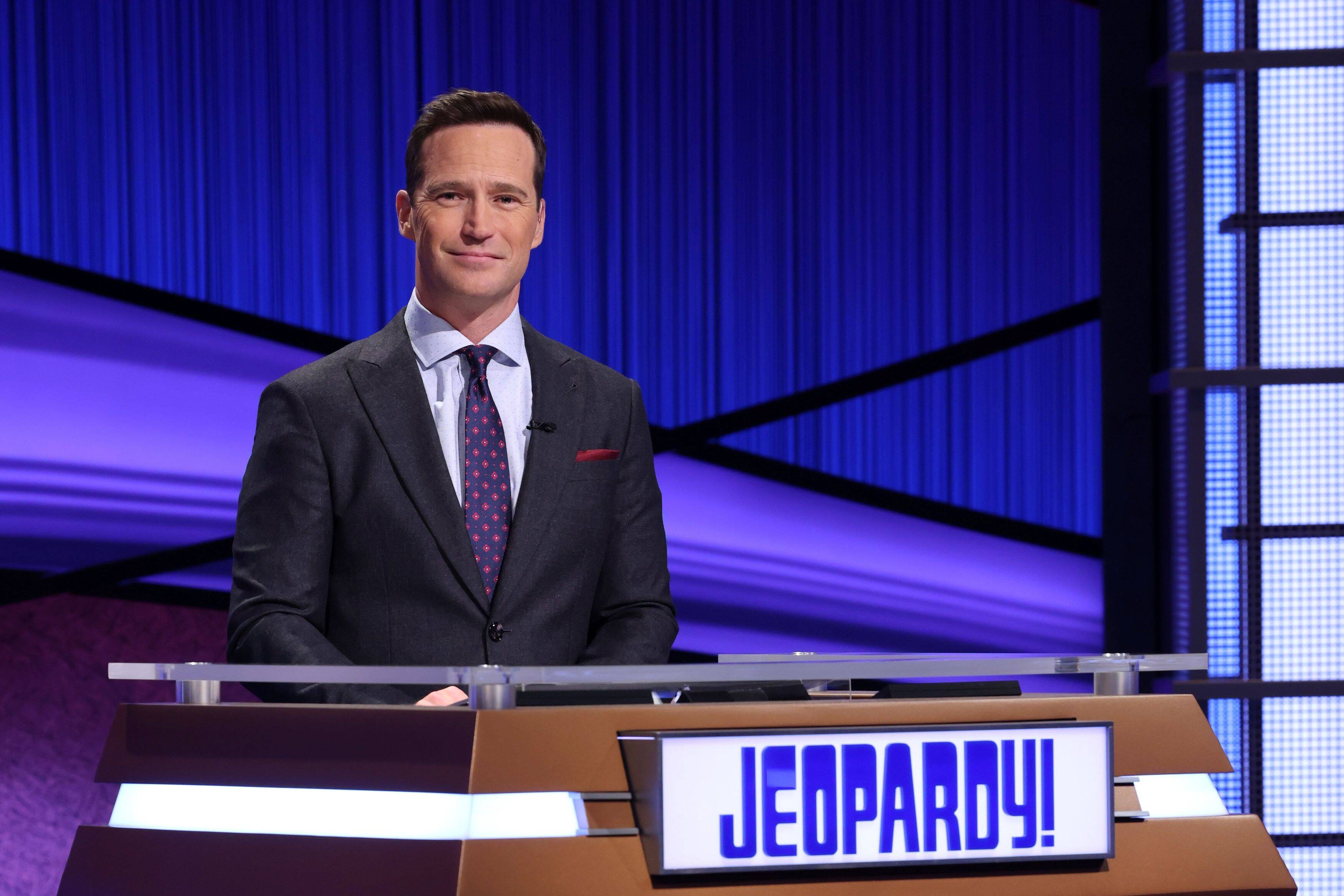 "Jeopardy!" executive producer Mike Richards was set to replace Alex Trebek as the game show's host until offensive podcast clips were discovered. | With coronavirus cases swelling, the debacle of the U.S. withdrawal from Afghanistan, and deadly flooding in Tennessee, the drama over who will succeed the late Alex Trebek as host of "Jeopardy!" is inconsequential. Yet, it is an interesting distraction and at some point will make a great case study in an MBA human resources course on unconscious bias in the recruitment process, or how Sony Pictures Television mucked up what should have been a progressive hiring decision for one of the best gigs in television. If you're not a fan of "Jeopardy!" and haven't been following the news about the host search, here's the short version of the melodrama. Sony, which produces the iconic quiz show, had a rotation of former contestants, actors, news anchors and an NFL quarterback compete for the hosting position. Once the tryouts were done, Sony announced that the show's executive producer — an internal candidate — landed the job. Cue disappointment from many fans, including me, that a diverse hire was just too much of a stretch. Richards was the host for a little more than a week before he resigned after a reporter for the Ringer, a website and podcasting network, exposed some offensive, sexist and racist things he said on an obscure podcast. Much has been written about Richards's comments, and he's apologized for what he said in the past. But let's talk about the other important element in this story: the unconscious bias in recruitment that often defaults to a less-than-diverse workforce. Whether it's conscious or unconscious, women and minorities are often shut out of positions because of their differences from the decision-makers in charge of hiring. If you dare question why a more diverse candidate wasn't selected or even considered, you're usually met with this trifling statement: "We just want to hire the best person for the job." Two things can exist at the same time — a qualified candidate who is also female, Black or Latinx. The truth is many Americans like the concept of diversity in the workplace until it means challenging the status quo and making a serious effort to change recruiting efforts to be more inclusive. An overwhelming majority of Americans say it's a very good thing or somewhat good that the U.S. is made up of people of different races and ethnicities, according to a 2019 Pew Research Center report. But in that same poll, 74 percent of Americans say employers should only take a person's qualifications into account when making these decisions, even if it results in less diversity in the workplace. "As the United States becomes more racially and ethnically diverse, and as companies from Wall Street to Silicon Valley grapple with how to build workforces that reflect these changing demographics, Americans have a complicated, even contradictory, set of views about the impact of diversity and the best way to achieve it," the Pew report said. This is why we get a Richards-type selection, someone with an institutional advantage. Here's why diversity matters and has to happen on purpose, including considering an applicants' race and ethnicity in hiring and promotions. Diversity efforts are like recruiting for a football team. On the field, you need different kinds of players to have an exceptional winning season. You wouldn't complain that a coach is hiring an offensive guard if he already has a great quarterback. The team needs the talent of both types of athletes to move the ball down the field and score points. Diversity in hiring doesn't mean denying a qualified White candidate a job, it's about considering all a candidate's attributes to balance out your team. The life experiences and cultural background of an applicant can be assets too, in addition to correcting a history of discrimination. Was Richards, who remains the show's executive producer, really the best hire for the "Jeopardy!" hosting job? Compared to the other job candidates, Richards was mediocre. And in case you're wondering, Green Bay Packers quarterback Aaron Rodgers was one of my top three picks for the job. I was also rooting for television stars Mayim Bialik and LeVar Burton. Burton hosted the beloved "Reading Rainbow" on PBS. And for goodness' sake, Bialik, who brilliantly played a neuroscientist on the spectacular sitcom "The Big Bang Theory," actually has a PhD in neuroscience. In announcing the hosting pick, Sony said Bialik would host prime-time specials for the quiz show. Bialik was gracious about the sidekick selection but it felt like an appeasement to those who would complain that the entertainment company went with another White guy. Sony could have managed expectations and, in the interest of transparency, should have said, "We have a strong internal White male candidate, so don't get your hopes up for change." So, here's a "Final Jeopardy!" answer: Mike Richards. The correct response is: What is an example of White male privilege? Reader Question of the Week If you have a personal finance or retirement question, send it to colorofmoney@washpost.com. In the subject line, put "Question of the Week." Please note that questions may be edited for clarity. Q: What is the latest on the Retirement Security and Savings Act? It changes the rules for required minimum distributions. Is it likely to pass before the end of 2021? A: The Retirement Security and Savings Act follows up on the retirement changes enacted under the Setting Every Community Up for Retirement Enhancement or Secure Act of 2019. The Secure Act among other things increased the age for individuals to take their required minimum distributions or RMDs from 70½ to 72. U.S. Senators Rob Portman (R-OH) and Ben Cardin (D-MD) introduced the bipartisan Retirement Security & Savings Act (S. 1770) in May, saying it would address several major areas: - It would allow people who haven't saved much for their retirement to set aside more money. It increases the "catch-up" contribution limit to $10,000 for individuals over age 60. - It would help small businesses provide 401(k)s and other retirement plans to their employees. - More people who work part-time would be able to enroll in their employers' retirement savings plans, by allowing them to save after only two (rather than three) years of employment. - It increases access to retirement savings plans, including for low-income Americans without coverage. The bill expands the current Saver's tax credit, which is available to eligible people who make contributions to their IRA or employer-sponsored retirement plan. - It would make it easier for employees to find lost retirement accounts by creating a national, online database of lost accounts. - It would raise the age for RMDs to 75 from 72 by 2032. The bill has been referred to the Senate Committee on Finance. But it's unlikely there will be much movement in the near future with Congress focused on other major issues such as the infrastructure package and upcoming budget negotiations. In Retirement News Part of planning for retirement and then living on the money you've saved or invested is keeping up with the issues that you need to know. In this section, I feature blogs, news stories, new research, surveys, and government policy changes that could affect your retirement. If you see a news story or issue you think would help folks, let me know and I'll check it out and share it with newsletter subscribers. People are always asking whether they should put retirement contributions in a 401(k) or Roth IRA. The answer of course is it depends. I found this article by Kiplinger Magazine very helpful in explaining what might be right for you. Read: The Right Retirement Plan: Do I Choose a Traditional or Roth 401(k)? Retirement Rants and Raves What are your thoughts about saving for retirement? If you're retired, how is it going? What advice would you have for others about retirement? This is your space to rant or rave about anything related to retirement. Send your comments to colorofmoney@washpost.com. Please include your name, city, and state. In the subject line put "Retirement Rants and Raves." Responses may be edited for clarity. Gene SirLouis of Washington, DC, made some good points about the expectation of expenses in retirement. The truth is many people assume they won't be spending much once they stop working. "Whatever you're spending now, you're going to spend that much or more in your retirement," he wrote. "The car still needs gas and repairs; the house still needs maintenance. And health insurance, don't forget health insurance. A friend one time said she had $100,000 in her retirement account. We asked her how much she makes per year now and it was over $100,000. Can you live off that now we asked her? And her answer was barely. So how long do you think $100,000 is going to last you in retirement? I think people are thinking things are still like it was for their grandparents when between a pension and Social Security and a paid-off house you could make it, but those days are long gone." Read this from Kiplinger: Planning for Retirement? You're Probably Underestimating Your Spending | 



 Email
Email 

