| "The governor grabbed this young woman's butt." "He ran his finger down her neck to her spine," and said, "Hey you." "She told us that she felt completely violated to have the governor touch her, as she put it, between her chest and privates." Those are just some of the disturbing details from a massive investigation released today into New York Gov. Andrew M. Cuomo's (D) behavior toward women in his office. The investigation stemmed from allegations women made going back to last year. New York's attorney general found the governor sexually harassed 11 women and created a hostile work environment. "We should believe women," Attorney General Leticia James said. "What this investigation revealed was a disturbing pattern of conduct by the governor of the great state of New York." It's a brutal report for any politician, especially someone who was briefly hailed as the star of the Democratic Party during the initial outbreak of the coronavirus pandemic. 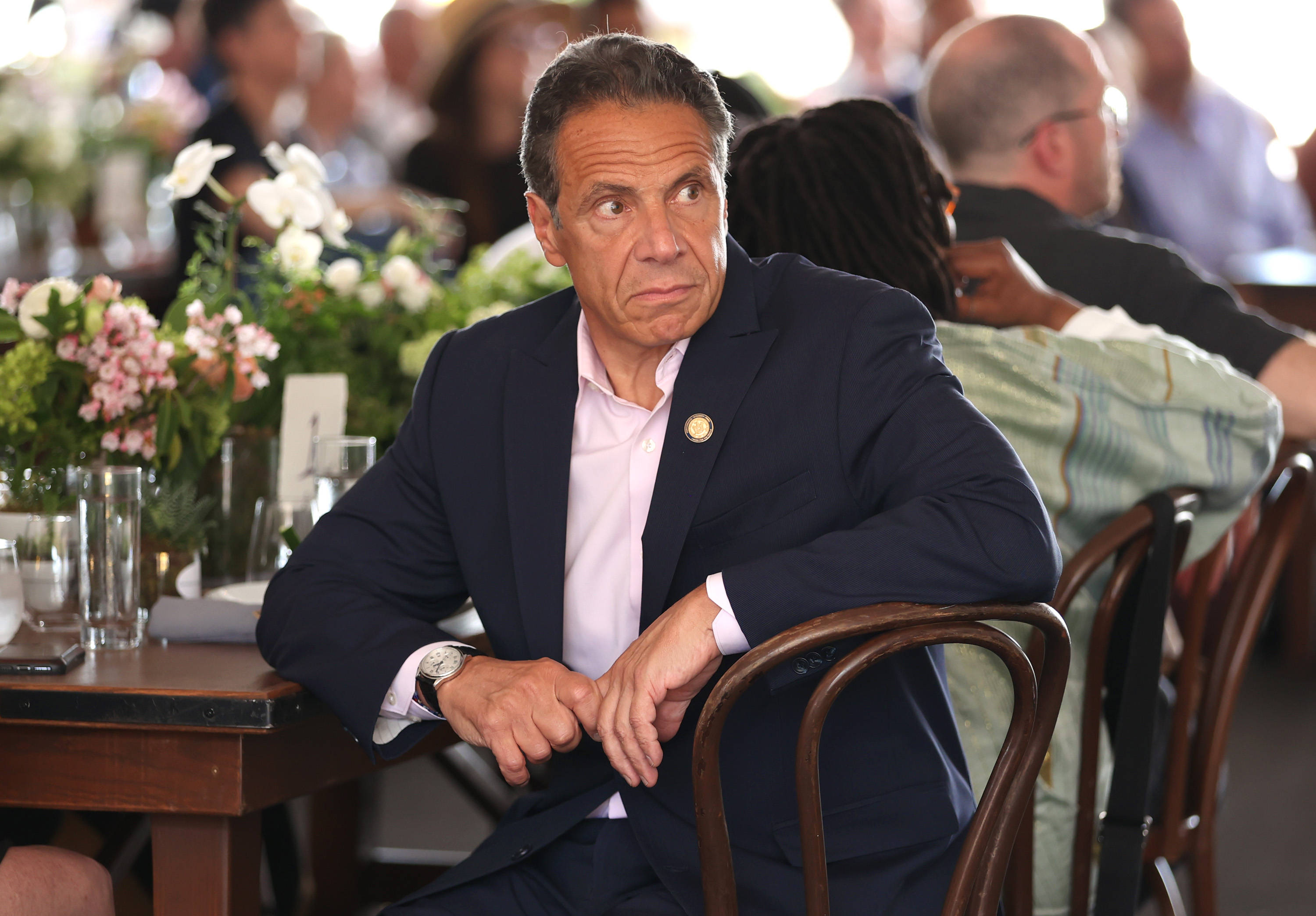 New York Andrew M. Cuomo sexually harassed women who worked for him, an investigation by the state's attorney general finds. (Cindy Ord/Getty Images for Tribeca Festival) | New York's attorney general said there's no plan to press criminal charges even though her report found that Cuomo violated laws. But the political consequences could be huge. Cuomo is up for reelection next year for a fourth term. For now he is defiant, contending Tuesday that "the facts are much different than what has been portrayed." Democrats, including the president, are ditching Cuomo President Biden said that Cuomo should resign during a news conference Tuesday afternoon. House Speaker Nancy Pelosi (D-Calif.) has also called on the governor to resign. New York's two senators — Senate Majority Leader Charles E. Schumer and Kirsten Gillibrand — had called for his resignation in March, and they repeated that on Tuesday. It's a difficult situation for Democrats. Cuomo is a massive figure in Democratic politics. And Democrats are champions of the #MeToo movement, emphasizing a need to believe women. But that position also set them up for GOP charges of hypocrisy when Biden faced allegations during the campaign and denied them, with little protest from Democrats. On the other flip side, Democrats ditched former senator Al Franken pretty quickly over sexual harassment allegations, and some on the left never forgave the party for that. Why the infrastructure bill is a big deal Okay, some good news: On Tuesday morning Congress started to vote on infrastructure bill that will get both Democrat and Republican support to become law. It's not a done deal, but if it gets passed in the next week or so, it will mean Congress and the White House have found a way forward on an issue that has perplexed Washington for years. And it's even more significant, because: 1. It suggests there could be more to come on the bipartisanship front Congress actually passes a lot of bills with both parties, says Molly Reynolds, a congressional analyst with the Brookings Institution. But the really big stuff gets stuck in the mud. (Immigration, gun reform and police reform, anyone?) The last major bipartisan bills were coronavirus relief packages — and for those, partisanship was suspended rather than bipartisanship fostered. 2. Biden didn't muck this up That's less a comment about the current president and more a comment on the fact that when any president gets involved with congressional negotiations, it tends to cause both sides to dig in more rather than loosen up, Reynolds said. But Biden pitched himself on the campaign trail as someone who would try to work with Republicans to get things done. On this, at least, there's evidence he did. "Biden repeatedly made it clear in conversations with Republicans that he was serious about achieving a bipartisan deal," reports The Washington Post's Seung Min Kim. She described Biden's diplomacy as "quiet." And the one time he commented publicly on what kind of bill he'd sign, it actually almost derailed everything. What else can he do quietly? 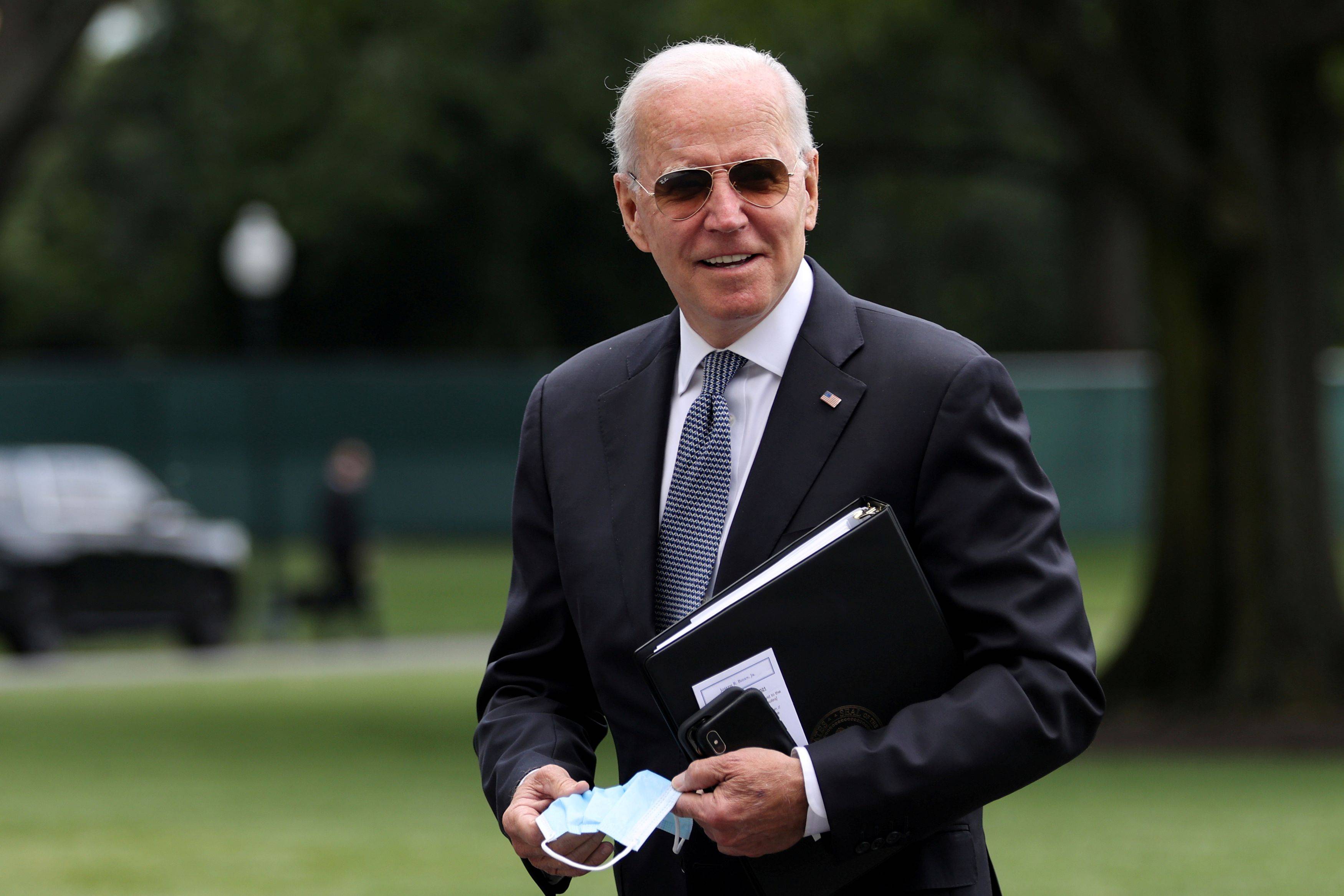 President Biden personally called Republican senators to get them on board with an infrastructure bill. (REUTERS/Jonathan Ernst) | 3. It opens the door for Democrats to do more on their own There are plenty of Democrats in Washington who just want to go their own way and pass bills without Republican support. But they were essentially blocked by moderate Senate Democrats like Joe Manchin of West Virginia and Kyrsten Sinema of Arizona, who really wanted to try to get stuff done by working with Republicans first. Now that there's a bipartisan bill in the books, could that make these senators more willing to go along with Democrats when they need to pass bills without any Republican support? Or maybe to get rid of the filibuster? Your politics questions, answered Thanks for the kind notes about my return. Here are some of your questions, answered. Keep the good ideas coming. How is voting in Georgia and Texas actually being restricted? Lots of ways. In Georgia, early voting and mail voting are significantly curtailed, and state lawmakers have more power over how to count elections. In Texas's bill, methods that Black and Latino voters widely used in 2020 to vote are curtailed, like drive-through voting. How can Democrats out-organize against changes like that? They can't, said Michael Waldman, a voting expert and president of the nonpartisan Brennan Center for Justice. "It's wishful thinking to think that deep structural attacks on how to vote can be met by more get out the vote efforts," he told me Tuesday. Could voting-rights advocates sue to change voting laws in the states? Yes, and the Justice Department is suing in Georgia. But the courts will take time, and time isn't on Democrats' side right now. The procedures to vote are getting put in place now for the 2022 elections. | 




 Email
Email 


