| President Biden's decision to end the U.S. military presence in Afghanistan is popular with Americans, but it precipitated a disaster for Afghanistan. The latest on a rapidly evolving situation is here. Biden has a tendency to reverse once-hard-line policies (on refugee admissions, under what conditions he'd sign an infrastructure bill, on eviction bans). But on leaving Afghanistan to the Taliban, he is resolute to the point of being cold-eyed, write my colleagues. His baseline argument is: This is better than an endless war. "I stand behind my decision," Biden said Monday as he addressed Americans. "After 20 years, I've learned the hard way that there was never a good time to withdrawal us forces." 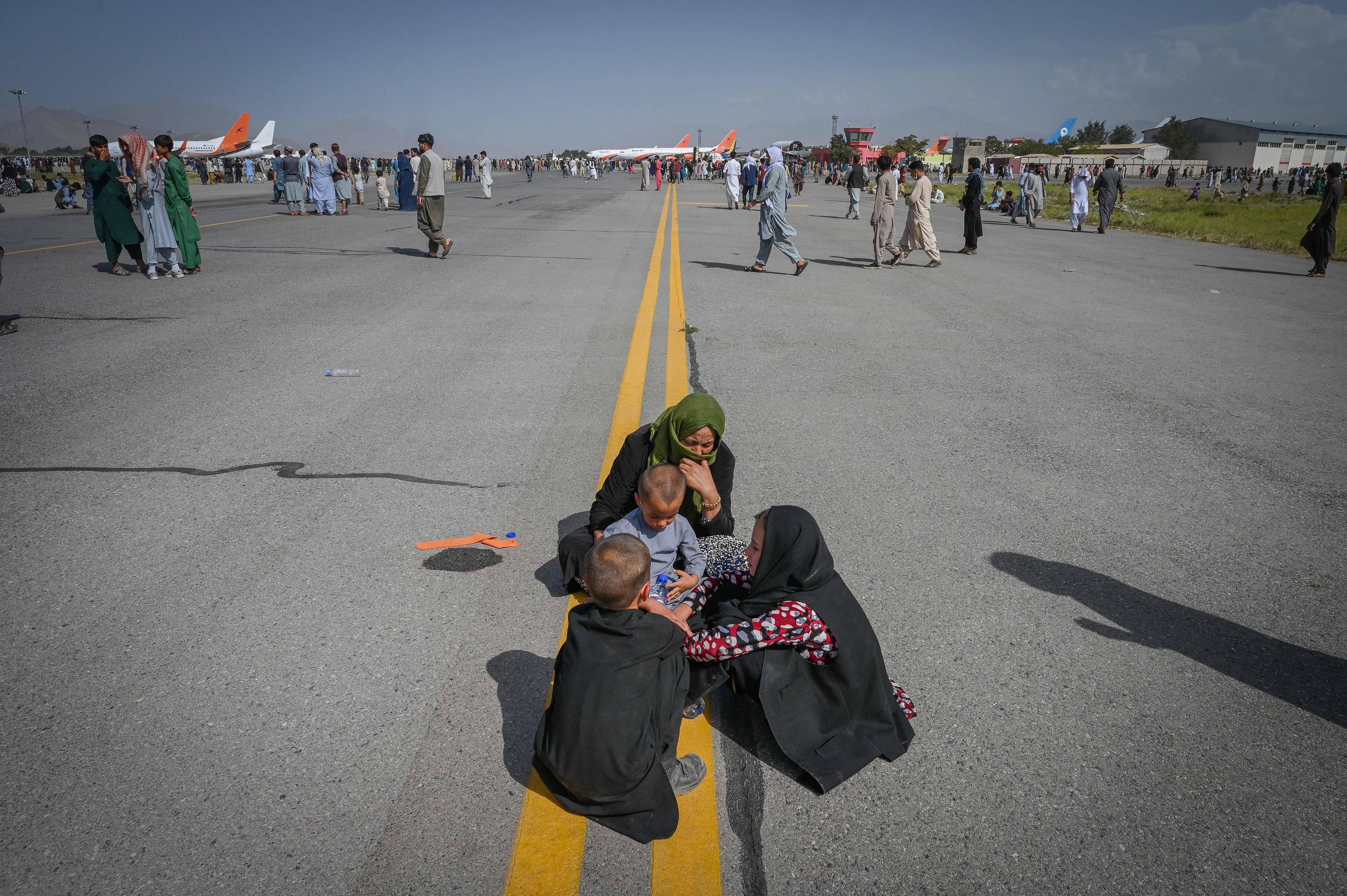 Afghan people sit along the tarmac as they wait to leave Kabul on Monday. (WAKIL KOHSAR/AFP via Getty Images) | This is a political newsletter, so what are the potential political consequences for Biden? We don't know. Like I said, polls showed broad support among Americans for getting the military entirely out of Afghanistan. Such a policy is so popular that former president Donald Trump started it, and Biden finished it. | ADVERTISEMENT | | Content from Accenture | | Make the Leap, Take the Lead |  | During the pandemic, the rate of tech adoption has accelerated, but not equally. Our research shows that leaders have compressed digital transformation and moved even further ahead of the pack in innovation and growth. | |  | | | | But did Americans anticipate a brutally swift fall of the country that could leave tens of thousands of Afghani allies and their families in danger of being executed by the Taliban, rather than lifted to safety? And the mass mistreatment (and worse) of women? As gripping as this is, how much does this factor into the daily lives of Americans, still struggling with their own financial hardships and a ravenous coronavirus? I can tell you one thing. Republicans sense an opening to weaken Biden where he has traditionally been the strongest, on foreign policy, and try to reshape the entire narrative of his presidency. I analyzed what Biden's opponents are already saying here. One nuance that may go missed: It's not a surprise that the Taliban took over 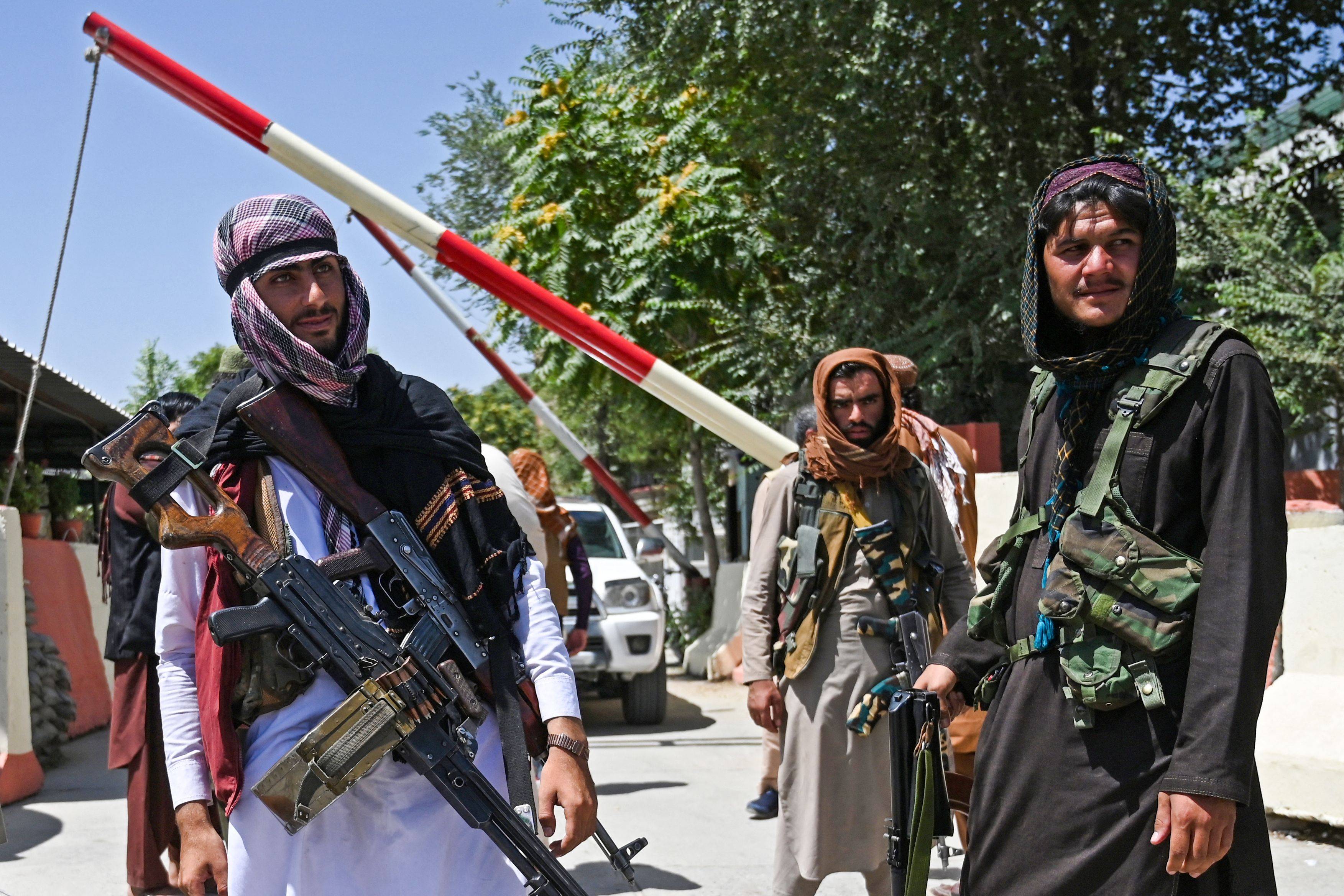 Taliban fighters stand guard along a roadside in Kabul on Monday. (Wakil Kohsar/AFP via Getty Images) | After Biden announced this spring that the U.S. would leave this summer, intelligence reports warned that the Taliban could take over in a matter of months as soon as the Americans were gone. "I'll be fair, we can't blame Biden for the Taliban taking over," one Republican foreign policy aide told me as Kabul fell Sunday. But few if anyone thought the takeover would happen in just days. That's why the dominant Republican criticism is that Biden should have better prepared for the worst-case scenario. Why, they say, were Afghan allies not evacuated months earlier when Biden made his decision to leave? Some Democrats I've talked to are privately frustrated about this as well. Biden's team argues that they had hoped for the best: an Afghanistan government capable of fighting back the Taliban after two decades of being propped up by the U.S. On that, they acknowledge, they were caught off guard. "I always promised the American people I would be straight with you," Biden said Monday. "The truth is, this did unfold more quickly more than we anticipated." He said Afghanistan's president assured him the military was ready to fight the Taliban. That assumption may be one of Biden's biggest miscalculations on all this. And as The Fix's Aaron Blake points out, there are a number of things Biden got wrong about the end of the war, from the Afghanistan military's unpreparedness to defend the country, to just how quickly the Taliban took over, to just how much this mirrors the fall of Saigon. Americans have been misled about Afghanistan for two decades 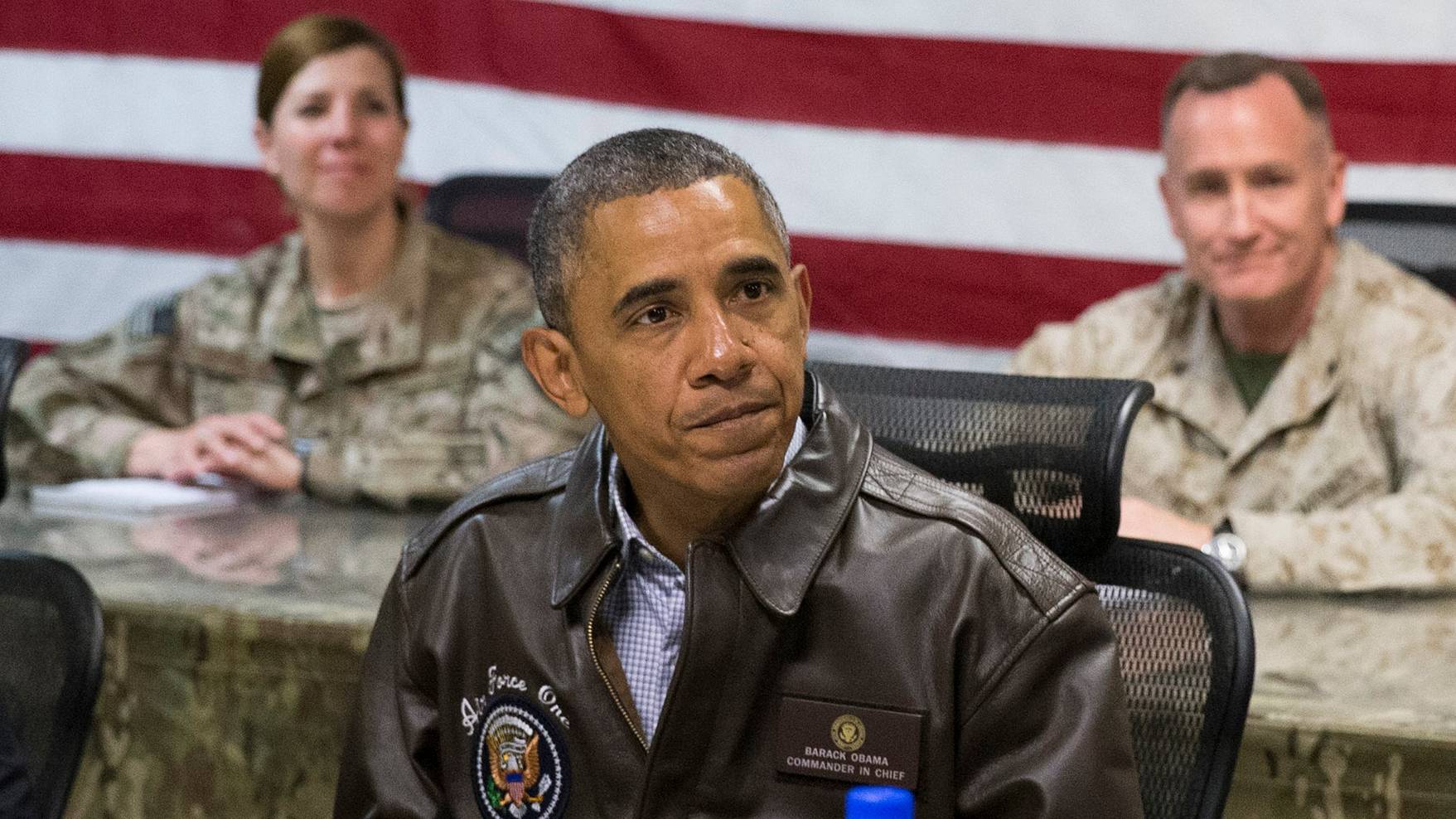 President Barack Obama in Kabul in 2014. (Evan Vucci/AP) | That's the sum of The Post's Craig Whitlock's award-winning investigation into the politics of this intractable military conflict. In "The Afghanistan Papers," he writes that presidents both Republican and Democrat have felt stuck between waning public support for the war and military hawks who warned that leaving would create a vacuum for terrorists. Whitlock says specifically that the U.S. military hid serious problems with the Afghani force that U.S. taxpayers were propping up. Unlike his predecessors, Biden made a clear choice on what to do in Afghanistan. "I will not mislead the American people by claiming that just a little bit more time would make a difference," he said Monday. But how clearly did Biden communicate the risk factors to Americans? "The jury is still out, but the likelihood there's going to be the Taliban overrunning everything and owning the whole country is highly unlikely," Biden said July 8. Thirty-nine days later, that's exactly what happened. | 




 Email
Email 


