| Even if you're not from New York, Gov. Andrew Cuomo's (D) resignation is a big moment in national politics and for the #MeToo movement. He still denies the comprehensive and serious allegations against him, but he resigned today anyway. Here's why it's such a big political story: The allegations against him are very serious. To recap: Last week, the state's attorney general released a 165-page report, based on interviews with 179 people, that said the governor is a serial sexual harasser. The report found that 11 women claimed he inappropriately touched them or made sexually suggestive comments to them. And that he and his aides tried to leverage his power to cover up his actions and undermine his accusers. It is the definition of corruption. 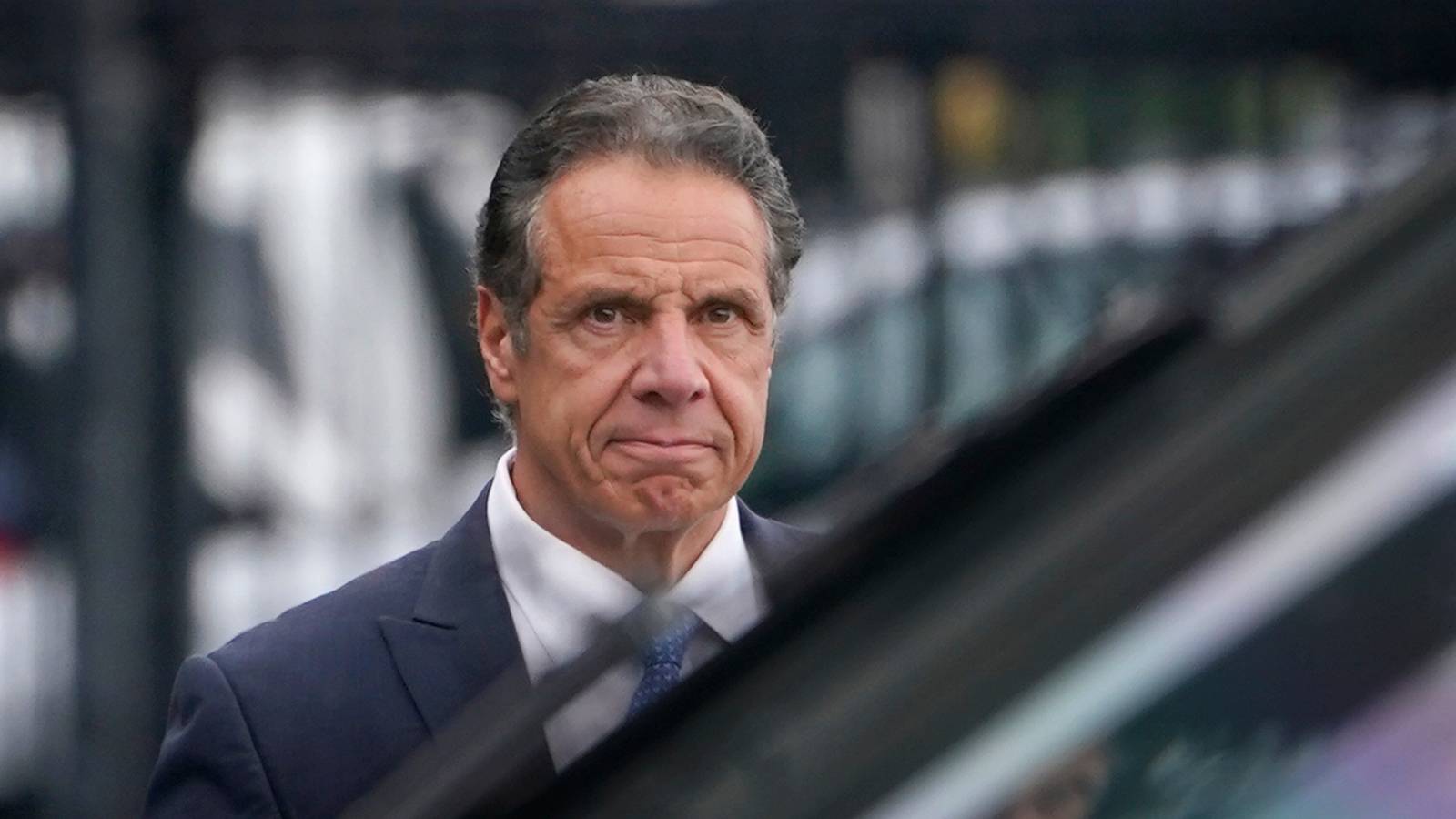 New York Gov. Andrew M. Cuomo prepares to board a helicopter after announcing his resignation Tuesday. (Seth Wenig/AP) | Cuomo was the last politician advocates thought would be doing this. As a public-facing champion of the #MeToo movement, Cuomo pressed for laws around sexual harassment and retaliation that he himself is now accused of violating. Publicly, he spoke eloquently of how men get away with bad behavior because of the power structure enabling them. Yet Cuomo had a power structure that consisted of prominent liberal advocates who appeared to have been doing just that for him. All of this calls into question just how much progress female survivors and the #MeToo movement have made, and whether some of their perceived friends were really their enemies. His own party turned against him ASAP. After the report was released, Cuomo lost support from his closest aide on up to the president of the United States. Members of his own Democratic Party were preparing to impeach him. (And they still might to prevent him from taking office in New York again.) In ditching Cuomo so quickly, Democrats set a new standard for a party disowning one of their own as a way to escape broader fallout. Also: New York will have its first female governor because of Cuomo's scandals, Lt. Gov. Kathy Hochul (D). New York got its first Black governor in 2008 after Eliot Spitzer's own sex scandal. What's actually in the infrastructure bill? 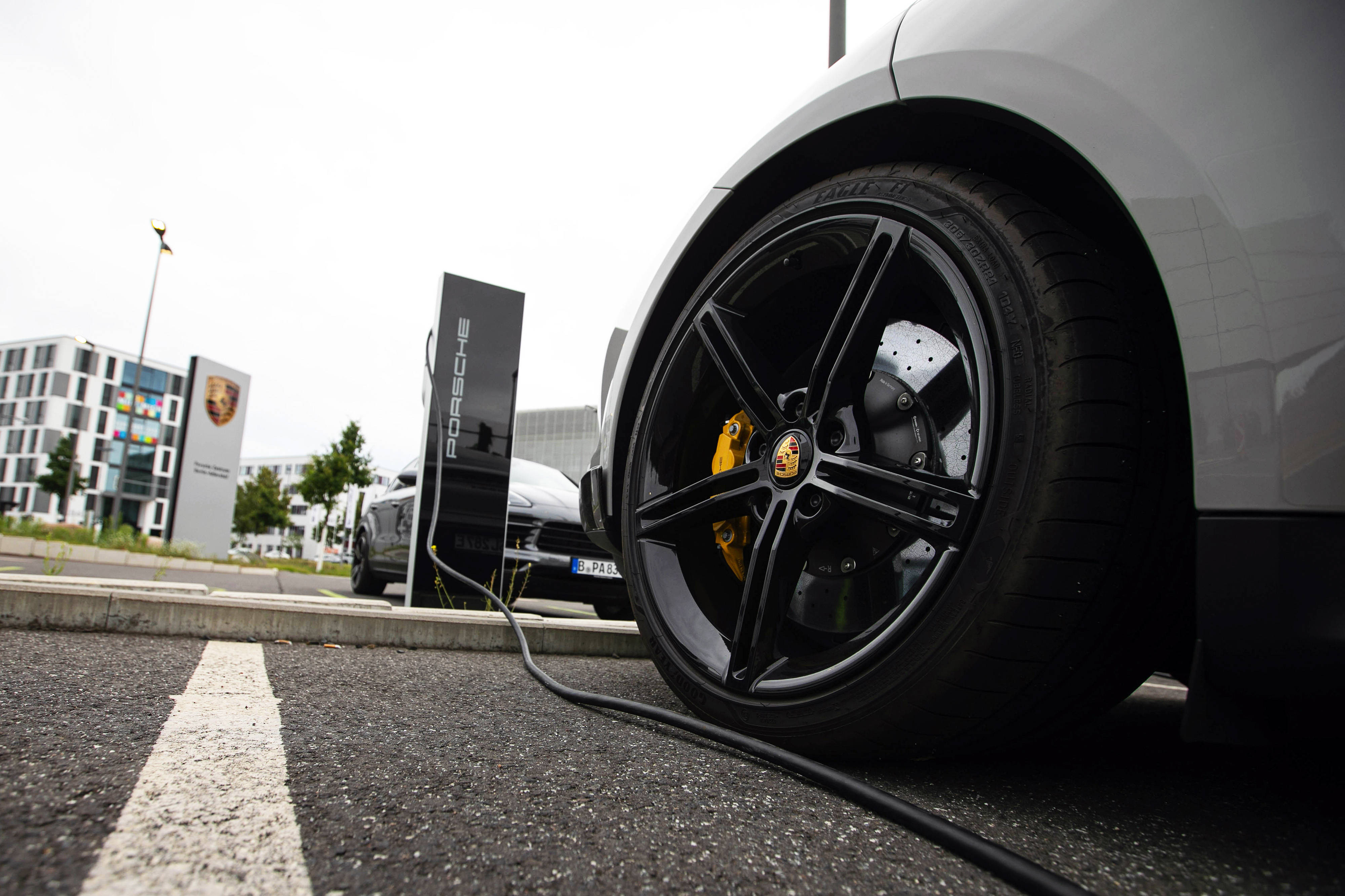 Billions are dedicated to building up electric vehicle charging stations. (Krisztian Bocsi/Bloomberg) | The bipartisan legislation the Senate passed Tuesday to invest in roads, bridges, new pipes and expand broadband should create jobs, writes The Washington Post's Heather Long. Here's what else is in the legislation, per Heather: - An effort to recruit more women into construction and trucking.
- Money to find ways to relieve congestion in cities.
- Money to create a national network of electric charging vehicle stations on highways. There's also money to build up an electric school bus fleet.
- Money to mitigate the effects of climate change, such as flooding and erosion in coastal areas and droughts and wildfires in the West.
The bill still needs to be passed by the Democratic House to become law. (We expect it will, but that could take weeks or even months.) Conservative networks toss the blame back to Trump for 2020 reporting Today the company that makes voting machines used across the nation, Dominion Voting Systems, sued two conservative networks — Newsmax and OAN — for defaming their equipment when they falsely reported that these machines helped steal the election from President Donald Trump, reports The Post's Elahe Izadi. These networks make their money by reporting what Trump is doing and championing him, so they're not likely to throw him under the bus. But Newsmax did issue a statement that seemed to place the blame at the feet of the president and his allies in Congress for falsehoods about who won the election: "In its coverage of the 2020 Presidential elections, Newsmax simply reported on allegations made by well-known public figures, including the President, his advisers and members of Congress." The courts will decide whether that's a fair defense. | 




 Email
Email 


