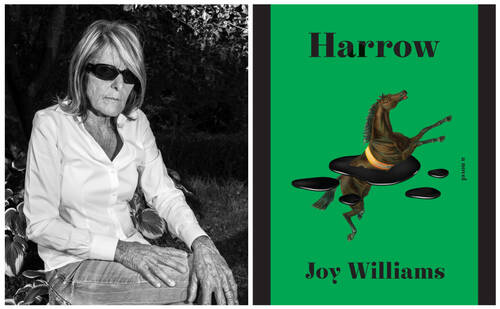
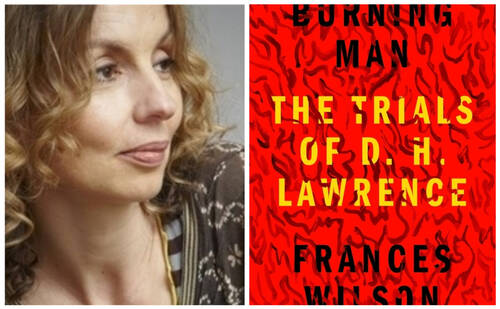
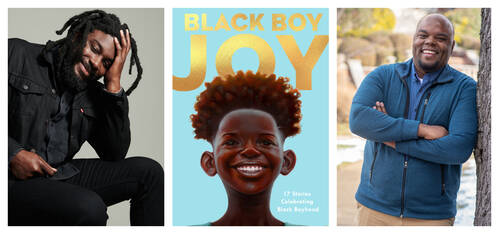
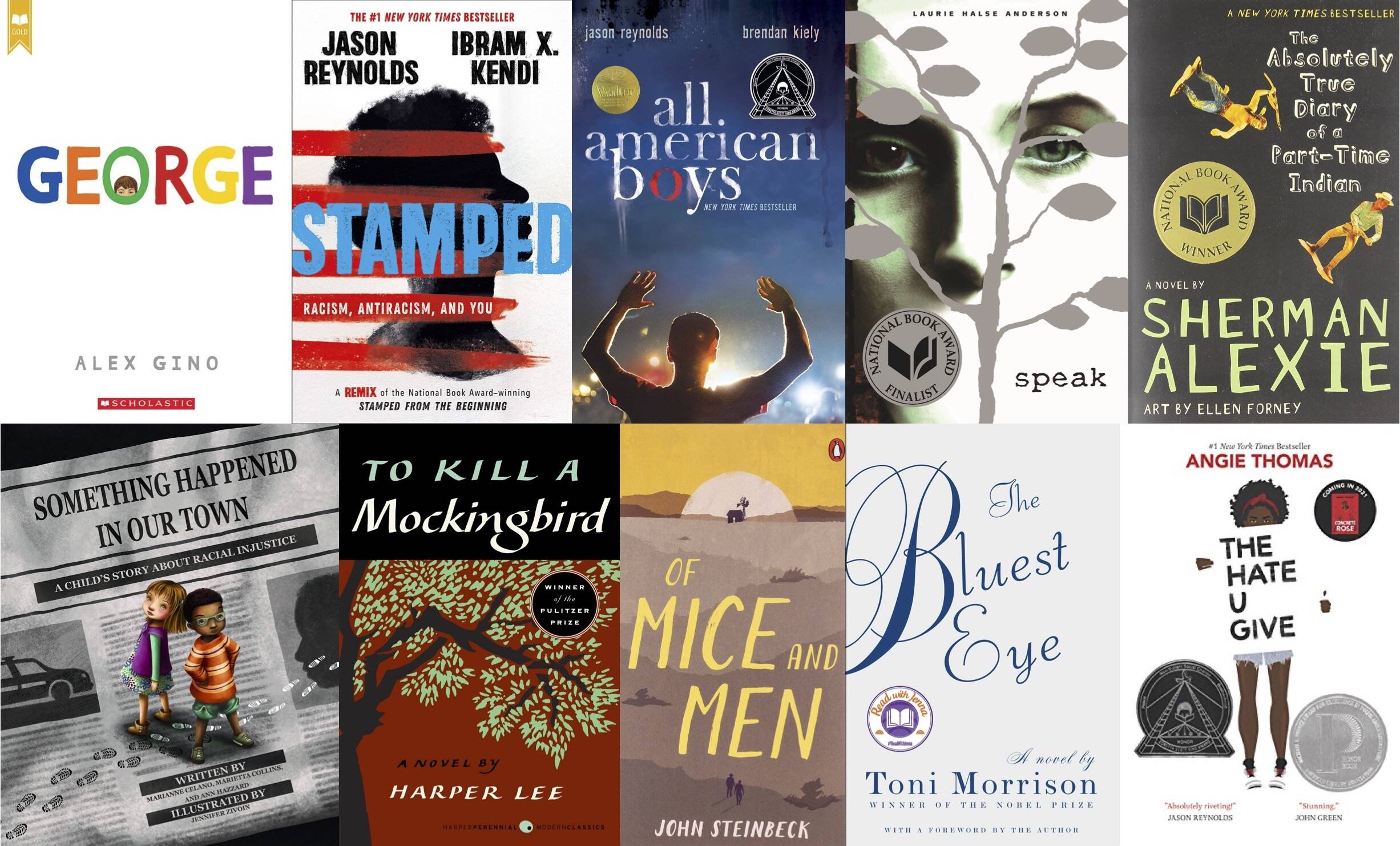
 Top 10 Most Challenged Books, according to the American Library Association. (Scholastic; Little, Brown Books for Young Readers; Atheneum; Square Fish; Little, Brown Books for Young Readers; Magination; Harper Perennial; Penguin; Vintage; Balzer + Bray) | Banned Books Week begins Sunday. No, you shouldn't start collecting dry sticks. This is the American Library Association's annual celebration of our right to read whatever the hell heck we want. Here are the top 10 most frequently challenged books in schools and libraries, according to ALA's Office for Intellectual Freedom: - "George," by Alex Gino
- "Stamped: Racism, Antiracism, and You," by Ibram X. Kendi and Jason Reynolds
- "All American Boys," by Jason Reynolds and Brendan Kiely
- "Speak," by Laurie Halse Anderson
- "The Absolutely True Diary of a Part-Time Indian," by Sherman Alexie
- "Something Happened in Our Town: A Child's Story about Racial Injustice," by Marianne Celano, Marietta Collins and Ann Hazzard, illustrated by Jennifer Zivoin
- "To Kill a Mockingbird," by Harper Lee
- "Of Mice and Men," by John Steinbeck
- "The Bluest Eye," by Toni Morrison
- "The Hate U Give," by Angie Thomas
Over the past few years, this annual list has been dominated by titles that address LGBTQ issues. (I read them all. The gay penguins did not corrupt me.). But now, more book challenges are being driven by hysteria over "critical race theory," which has become a Republican phrase meaning, "That Black lady is making me feel bad about my White privilege!" Under education laws passed this summer in the Theocracy of Texas and other states, books that explore systemic racism and police brutality are now regarded as legally suspect. Deborah Caldwell-Stone, the director of the ALA's Office for Intellectual Freedom, tells me, "The proscription is so vague that it will only lead to self-censorship and questioning about what can be taught in schools, what can or can't be read in libraries. What can I teach? What books can I require? Will they really come after me if I offer a biography of Rosa Parks?" She adds, "It's sad that the best that legislators can do is to try to suppress ideas, to suppress discussions, when the whole point of reading and education is to gain empathy, to understand each other, to build a community." Next week, several organizations are offering a broad range of free virtual presentations related to freedom of expression: - The Banned Books Week Coalition will host discussions on Facebook and Twitter with YA superstars Gene Luen Yang, Laurie Halse Anderson, Alex Gino and Jason Reynolds, who has just been appointed to a third term as the National Ambassador for Young People's Literature (details).
- PEN America will host events on gender identity, political and historical literature, YA books and more (details).
- Yale University Law School will host a conference titled "Access & Accountability 2021: Seize the Day," examining government accountability and openness (details).
 Courtesy of Substack | "Uncle Tom's Cabin," "Middlemarch," "Madame Bovary" — those are just a few of the classic 19th-century novels originally issued in serial form. Now, with the explosion of email newsletters (C'est moi!), some fiction writers think the time and the technology are ripe to bring that old form back with a twist. (Newsletters may threaten the mainstream media, but they also build communities.) This month, Salman Rushdie started publishing a newsletter on Substack called Salman's Sea of Stories (subscribe). In his introduction, the Booker-winning writer says this new platform will allow him to post "my made-up stories, as well as personal stories, the stories behind the stories I'll be telling, and sometimes I'll ask you questions, too, and we can have a conversation about it all." Tomorrow, he'll begin offering subscribers installments of a novella called "The Seventh Wave." The point, he says, "is to have a closer relationship with readers, to speak freely, without any intermediaries or gatekeepers." That freedom from intermediaries appeals to Chuck Palahniuk, too. On Monday, the cult novelist launched a newsletter on Substack called "Plot Spoiler" (subscribe). "Read the stories the gatekeepers keep out," he writes. "Why settled [sic] for the focus-grouped, predigested pap of mass media?" Subscribers will get installments of his new novel, "Greener Pastures," along with what he calls "short, upsetting fiction." When I ask him for an example, he refers to "Guts" from his 2005 collection "Haunted" (review). It's a story about three masturbating 13-year-olds who end up crippled and disemboweled. Palahniuk says, "That's never going to be in the New Yorker." (No complaints here.) "There are not really any glossies that do really challenging short stories," he says. "You can look at your heroes like Stephen King or Bradbury, but the magazines that they got their start with just don't exist anymore." He suspects the short story market has evaporated because much of that audience has migrated to video games, movies and streaming TV. Palahniuk also plans to use "Plot Spoiler" to publish the best work from students who attend his free Study Hall held in a shuttered movie theater in Portland, Ore. In fact, he's framed his newsletter as a kind of educational correspondence course: "Learn to write your own fiction," he says, "and create work better than what you can buy." I love this idea, but I'm skeptical, economically and aesthetically. The tales of unbounded riches to be harvested on Substack already sound like irrational exuberance. And if there were a broad market for periodical fiction, the Kenyon Review would have 8 million subscribers. (It does not.) Also, the disdain for gatekeepers — what we used to call "editors" — points to a fatal weakness, the common symptoms of which can include stylistic gaffes, factual errors, self-indulgence and logorrhea. I spent decades editing essays from some of the best fiction writers in the country; I've seen raw copy that would turn even Chuck Palahniuk's stomach. Everybody — everybody — needs an editor.  Courtesy of Plum Creek Literacy Festival; photo illustration by Ron Charles/The Washington Post | The Plum Creek Literacy Festival is having a terrible, horrible, no good, very bad day. Founded in 1996, this convention at Concordia, a Lutheran university in Nebraska, usually draws thousands of children to see the nation's top writers and illustrators. But less than 48 hours before the festivities were set to begin, the events planned for today and tomorrow were canceled because many of the guest authors withdrew in protest over Concordia's discriminatory policy toward LGBTQ people. The controversy started when two-time National Book Award finalist Eliot Schrefer was getting ready to attend Plum Creek. He noticed that the festival website was missing his recent novel, "The Darkness Outside Us," about a relationship between two teenage boys on a spaceship. The website was also missing "Ask the Passengers," a celebrated LGBTQ novel by another festival guest, A.S. King. Schrefer says the festival director told him that the omission of "The Darkness Outside Us" was "an inadvertent slip," but when Schrefer looked into Concordia, he discovered that the university's official code of conduct calls homosexuality a "sin" deserving of "disciplinary intervention." At that point, Schrefer withdrew from the festival. "When you're visiting an institution, there's kind of an implicit trust, and that left when I put all the pieces together," he told me. "I couldn't contribute to the campus life of a school that actively discriminates against gay people or lesbian people." Alerted to Concordia's code of conduct, Tim Miller, Varian Johnson, Molly Idle, Laurie Keller and other authors and illustrators announced they would not attend Plum Creek. Newbery Medal winner Meg Medina came to the same decision. "There was just no way that I could go to that festival without feeling like it was implied that I was okay with that policy," she told me. "I was thinking of children — gay children, straight children — all over this country and what it would do to them to have me attend a conference with such a policy." She says Plum Creek needs to think hard about how it wants to move forward. "If they're trying to run an inclusive conference that includes children's literature as it is today, then it needs to honor the lives of all children. It needs to be a welcoming and safe and nondiscriminatory place." Dylan C. Teut, director of the Plum Creek Literacy Festival, sent me an email saying that "The Darkness Outside Us" was not included on the children's book sale website only because Schrefer was scheduled to speak to a middle school group about one of his other novels. ("The Darkness Outside Us," which is listed as YA, was going to be available for sale at the adult conference, according to Teut.) And he said that "Ask the Passengers" was not included because he wasn't familiar with it. Teut went on to say: "Plum Creek does not discriminate against attendees, nor does Concordia University discriminate against its students based on sexual orientation or identity. Since the festival began 26 years ago, we have hosted multiple authors, illustrators and attendees who have various sexual orientations and identities in our open and welcoming community." Alas, that's the institutional version of "But some of my best friends are gay!" It is simply not acceptable to host a book festival for a general audience on a campus that's officially homophobic. 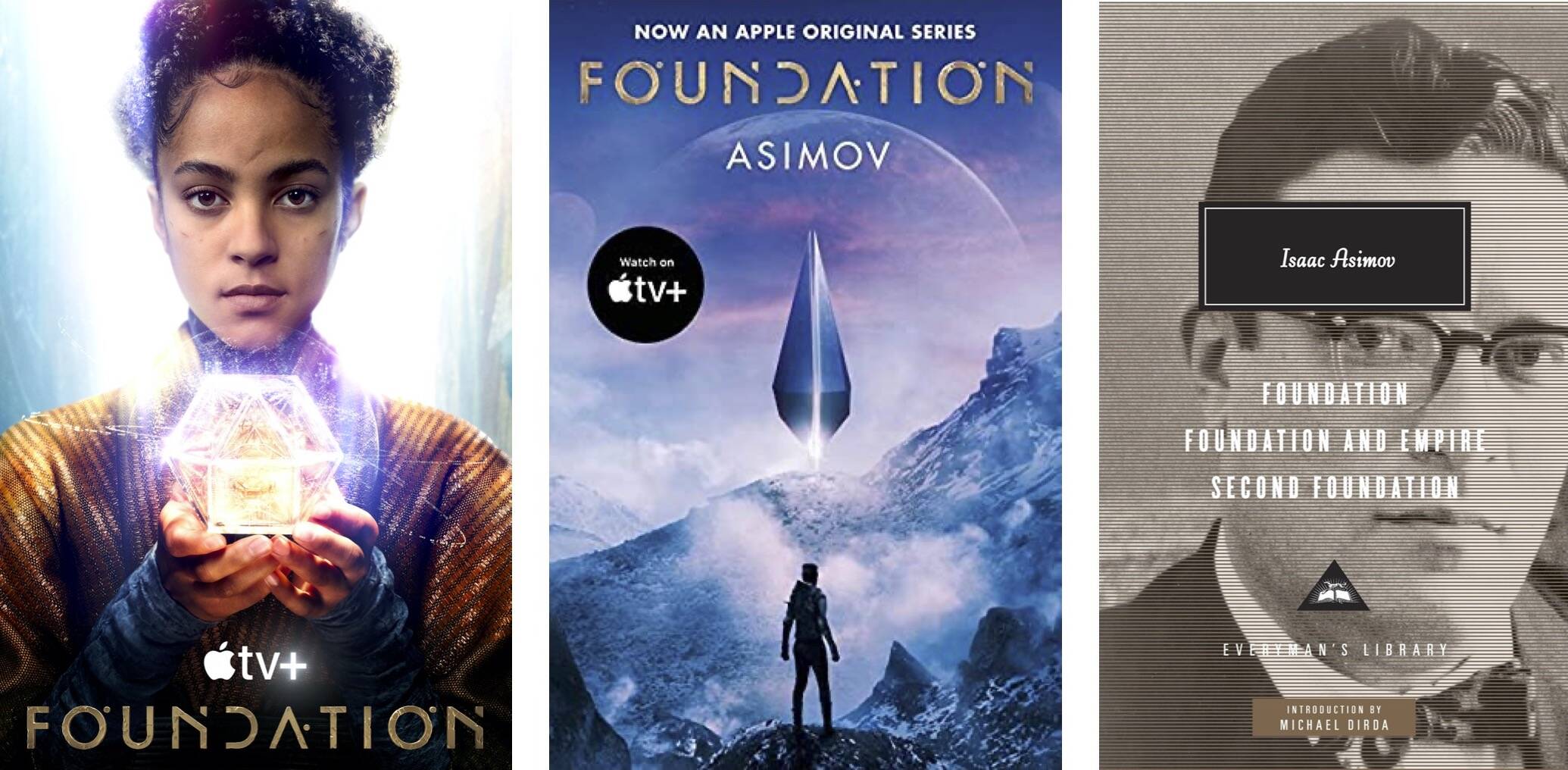 (AppleTV+; Del Rey; Everyman's Library) | This fall, science fiction fans are rocketing toward two adaptations of notoriously unfilmable novels — and both look dazzling. "Dune," based on Frank Herbert's 1965 classic, arrives Oct. 22 starring Timothée Chalamet. Until then, feast your eyes on "Foundation," a 10-part series that starts streaming today on Apple TV+. The show, starring Jared Harris as Hari Seldon, is based on stories that Isaac Asimov began publishing in 1942. "Foundation" producer David S. Goyer and co-creator Josh Friedman believe they've found an effective way to corral Asimov's cosmically sprawling tale into a compelling TV drama. (Early reports suggest they have taken considerable liberties with the text.) If you want to read Asimov's original, Del Rey recently released a TV tie-in edition of the first "Foundation" novel. And there's a stately edition of the central trilogy — winner of the Hugo Award for Best All-Time Series — from Everyman's Library with an introduction by Washington Post book critic Michael Dirda. "In effect," Dirda writes, "Asimov took the central myth of the 1930s and '40s — lived out and believed in by Communists, Fascists, the International Brigade and New Deal Democrats alike — and re-imagined it, with spaceships, in a galaxy far, far away." 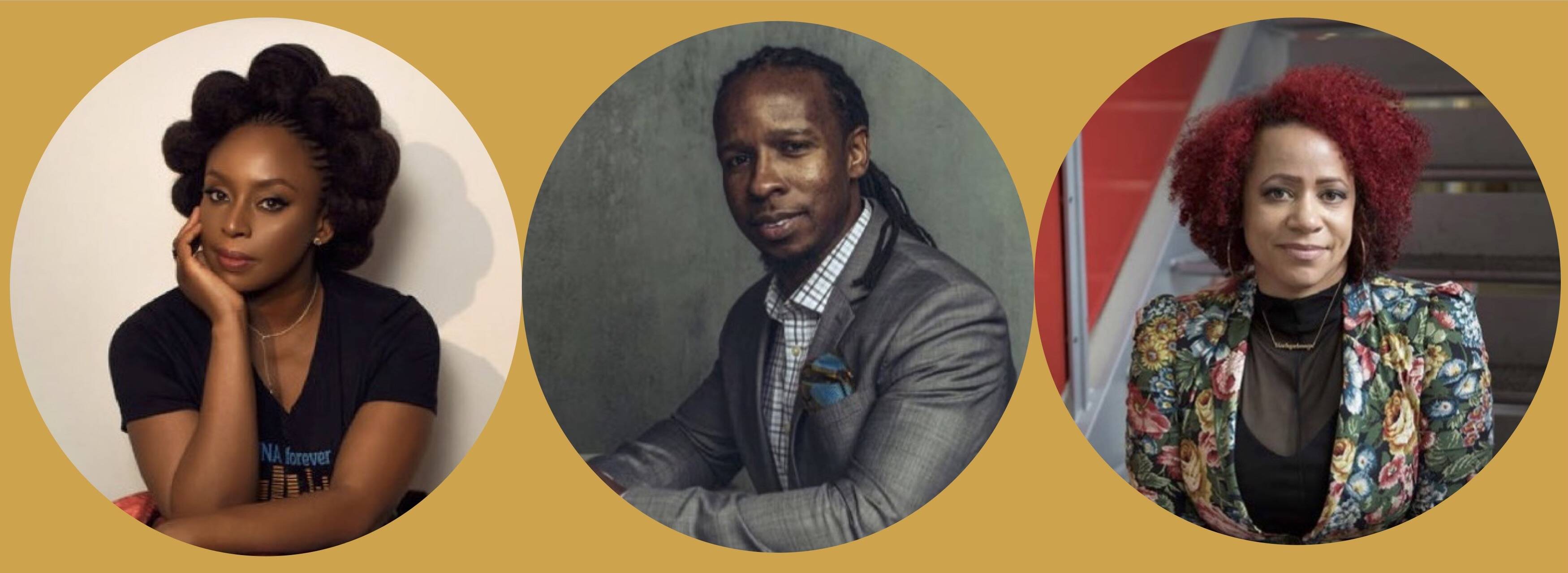 Chimamanda Ngozi Adichie, Ibram X. Kendi and Nikole Hannah-Jones (Photos courtesy of the Hurston/Wright Foundation) | The Hurston/Wright Foundation is a literary nonprofit that nurtures Black writers. Each year, since 2001, the foundation presents three Legacy Awards for lifetime achievement. This year's honorees were announced on Tuesday: - Chimamanda Ngozi Adichie, the author of "Americanah" (review), has won the North Star Award for serving "as a beacon of brilliant accomplishment and as an inspiration to others." Her most recent book is "Notes on Grief" (review).
- Ibram X. Kendi, author of "Stamped from the Beginning: The Definitive History of Racist Ideas in America" (review), has won the Ella Baker Award for his "exceptional work that advances social justice." His most recent book for adults is "Four Hundred Souls: A Community History of African America, 1619-2019" (review).
- The Calabash International Literary Festival in Jamaica has won the Madam C.J. Walker Award for "exceptional innovation in supporting and sustaining Black literature." The next Calabash Festival is scheduled for May 27-29, 2022 (information).
Pulitzer Prize-winning reporter Nikole Hannah-Jones will host this year's Hurston/Wright Legacy Awards ceremony on Oct. 15. That night, additional prizes will be announced for debut fiction, fiction, nonfiction and poetry. You can watch the virtual ceremony for free if you register here. More literary awards and honors this week: - Patricia Engel has won the New American Voices Award for her novel "Infinite Country" (review). This annual prize is conferred by Fall for the Book and the Institute for Immigration Research "to recognize a recently published book that illuminates the complexity of human experience as told by immigrants." Engel will accept the $5,000 award during the free virtual Fall for the Book festival Oct. 14-31 (details).
- Patricia Smith has won the $100,000 Ruth Lilly Poetry Prize in recognition of her lifetime achievement. Her most recent poetry collection is "Incendiary Art." In addition to being a Guggenheim fellow, a two-time Pushcart Prize winner and a Hurston-Wright Legacy Award winner, Smith is a celebrated slam poet. Next year, she plans to publish a collection of dramatic monologues with 19th-century photos of African Americans.
- Mary Beth Norton's "1774: The Long Year of Revolution" has won the $50,000 George Washington Prize, an annual award for the best book on the nation's founding era.
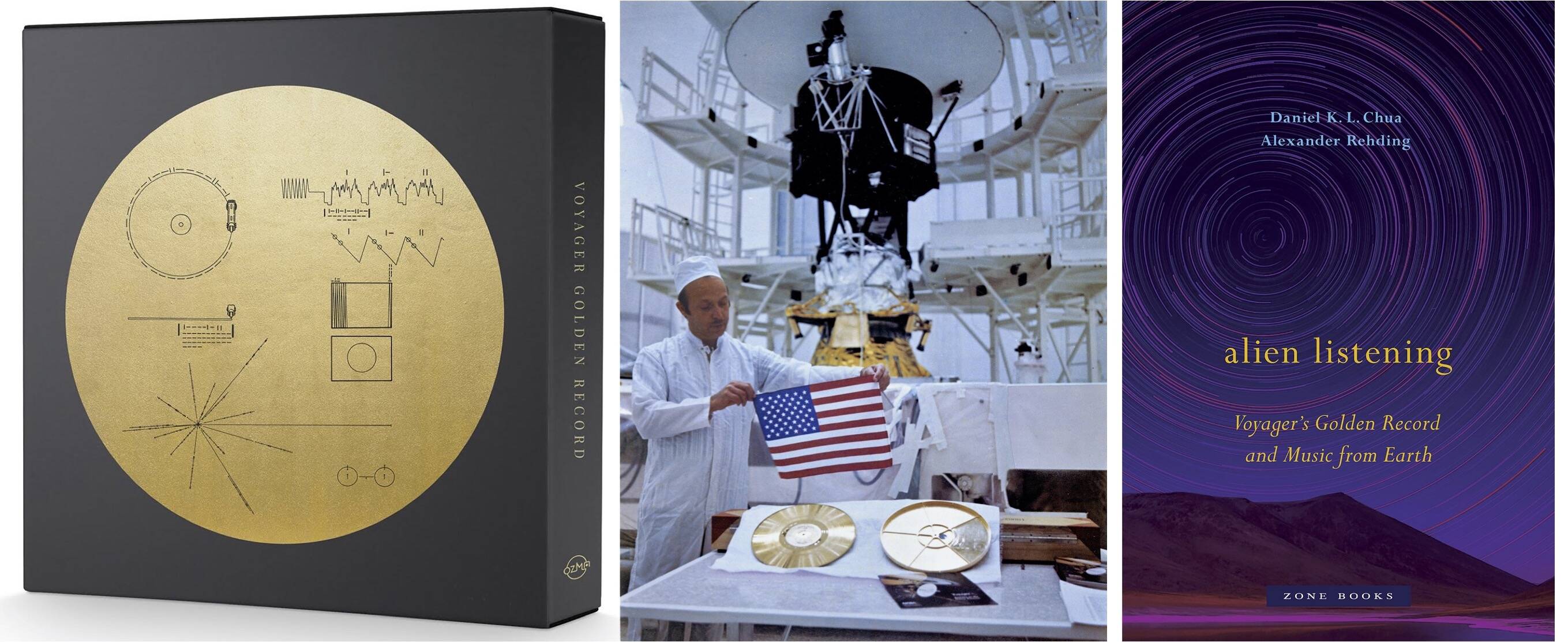 Ozma Records; John Casani, Voyager project manager, holds a U.S. flag that was folded into the thermal blanket of the spacecraft before they were launched. Below him lies the Golden Record. In the background stands Voyager 2 in Cape Canaveral, Fla., Aug. 4, 1977. (Photo credit NASA/JPL-Caltech); Zone Books | Among all the cutting-edge musical groups, only one album is truly out of this world. In 1977, NASA launched Voyager 1 and 2 to infinity . . . and beyond! Both carried a gold-plated copper disk containing multilingual greetings, sounds of Earth and a selection of music. Presumably, in a few hundred million years, some teenage extraterrestrial will find the record, give it a spin and get down with Chuck Berry's "Johnny B. Goode." But if you can't wait for that alien jam session, Ozma Records offers a three-LP set of the audio from the Voyager Interstellar Record along with a softcover book containing all the original images, a gallery of photos transmitted back to Earth by the probes and an essay by the producer of the Golden Record (details). And this month, while the Voyagers continue flying toward our future overlords at 35,000 miles per hour, music scholars Daniel K. L. Chua and Alexander Rehding have published a book called "Alien Listening: Voyager's Golden Record and Music from Earth." It's a surprisingly witty response to the cerebral question, "What is music on a planet that we will never know, for a civilization that we can never conceive, in a sensorium that may not resemble ours in any way?" (The lonely journey of a UFO conspiracy theorist). Sprinkled with funny illustrations and cartoons, "Alien Listening" explores the galaxy of music theory and particle physics in a wildly discordant way. "Having one foot tangled in strings and the other on things is just a way to organize our intellectual kleptomania," Chua and Rehding write. "Taking heed of the slim chances of success for Voyager, we have tried to boost our chances of contact by sending many gifts, rather than one golden payload, scattering them across our text in the hope that someone out there in the darkness might intercept our peace offering." (UFO mania is out of control. Please stop.) 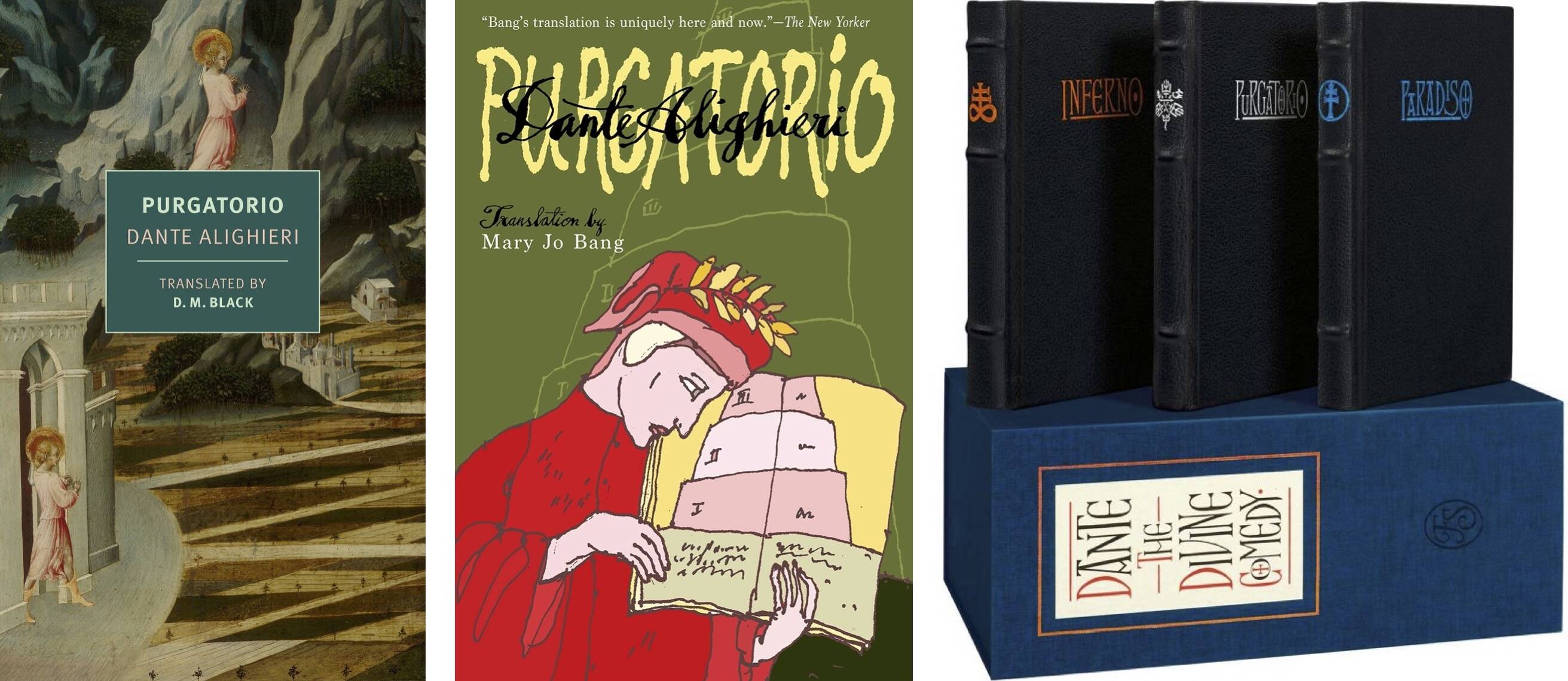 NYRB Classics; Graywolf Press; the Folio Society | Dante Alighieri died 700 years ago this month. Presumably, since shuffling off this mortal coil, he's been writing in one of the three places he immortalized in the "Divine Comedy." If the covid pandemic has given you a new appreciation for purgatory, it may be time to brush up on the specifics. There are three new editions of "Purgatorio" to choose from. Scottish psychoanalyst and poet D.M. Black has just published a translation that regards "Purgatorio" as "a very remarkable engine for psychological change and development." His version begins: To run through better waters now the little
ship of my talent here must lift her sails
and put behind her that so cruel sea;
and I will sing now of a second kingdom,
where the human spirit undergoes purgation
and makes itself fit for the ascent to Heaven. American poet Mary Jo Bang fills her engaging new translation of "Purgatorio" with humor and vigor. She begins: Heading over waters getting better all the time
My mind's little skiff now lifts its sails,
Letting go of the oh-so-bitter sea behind it. The next realm, the second I'll sing,
Is here where the human spirit gets purified
And made fit for the stairway to Heaven. And finally, there's a lavish new three-volume, leather-bound edition of "Divine Comedy" from the Folio Society with illustrations by Neil Packer ($1,095; details). In her insightful introduction, Jhumpa Lahiri writes, "Dante is saying something crucial here about language – that it is porous, that it moves, that it can emerge from mouths that we don't expect – and also about literature – that it continues to speak to us, even if the original language in which it was written becomes inaccessible or obsolete." The Folio edition uses a translation by British scholar Robin Kirkpatrick published about 15 years ago. His version of "Purgatorio," which is also available in a Penguin Classics edition for somewhat less than $1,095, begins: To race now over better waves, my ship
of mind – alive again – hoists sail, and leaves
behind its little keel the gulf that proved so cruel.
And I'll sing, now, about that second realm
where human spirits purge themselves from stain,
becoming worthy to ascend to Heaven. So take your pick. One way or another, you'll get to paradise. 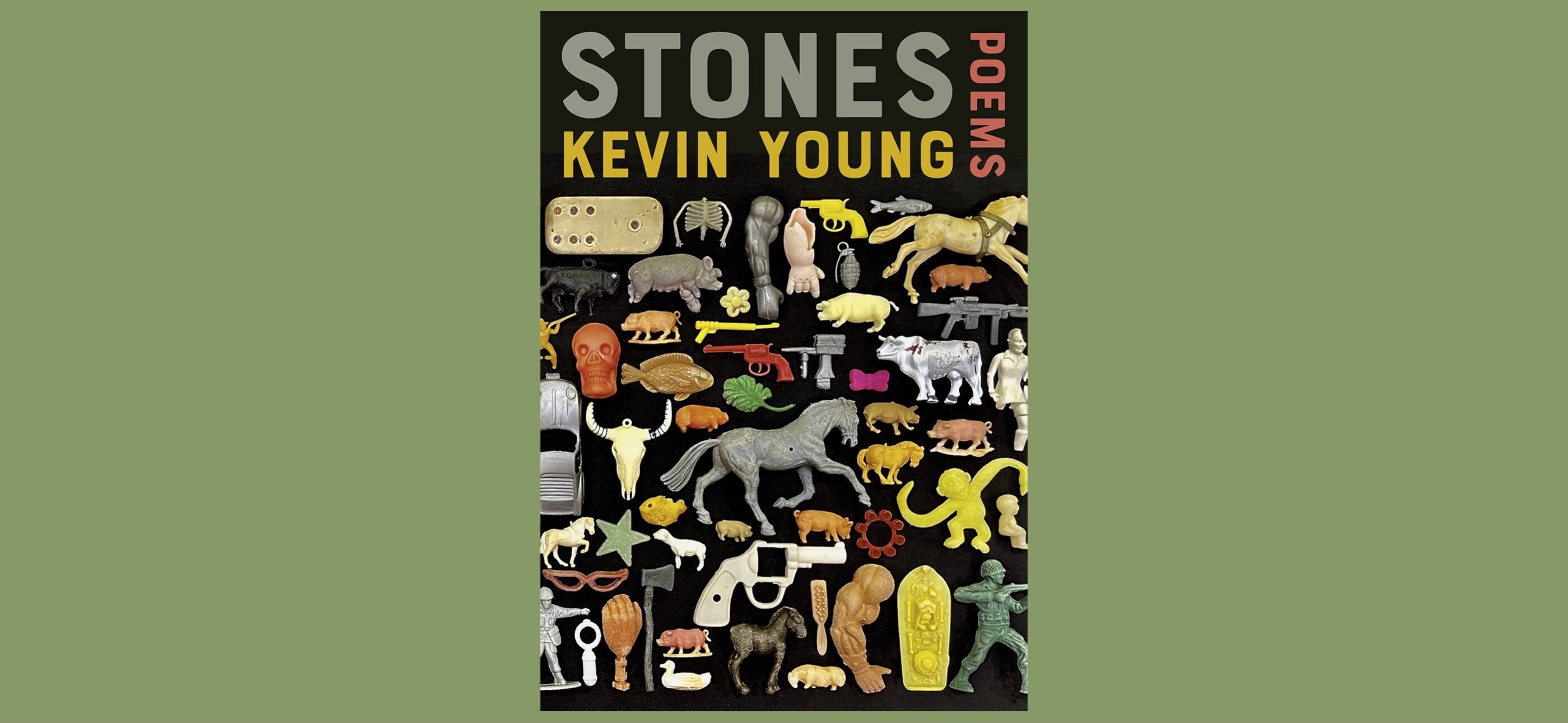 Knopf | Kevin Young, the New Yorker's poetry editor and the director of the Smithsonian Museum of African American History and Culture, is publishing a book of poetry next week called "Stones." It's an exceptionally beautiful collection, full of retrospection, longing and grief ambered into verse. On Sunday at 6 p.m. ET, you can see Young in conversation with fellow poets Claudia Rankine and Phillip B. Williams. This will be the closing event of the 10-day National Book Festival (details). Mason Jar Most miracles
be small —
lightning bugs flicking off
& on
in the dusk before the storm, hoping
to be caught
by fire & each other.
Instead, children
capture them winking in jars once
filled with pennies
or peaches put away for winter, this waning light
they drown in
without the air they are
meant for.
In this heat little keeps —
see how your hat
wilts, held over your heat to honor
today the dead
who cannot say, yet still share your name. From "Stones: Poems," by Kevin Young. Copyright © 2021 by Kevin Young. Excerpted by permission of Alfred A. Knopf, a division of Penguin Random House LLC. All rights reserved. No part of this excerpt may be reproduced or reprinted without permission in writing from the publisher. 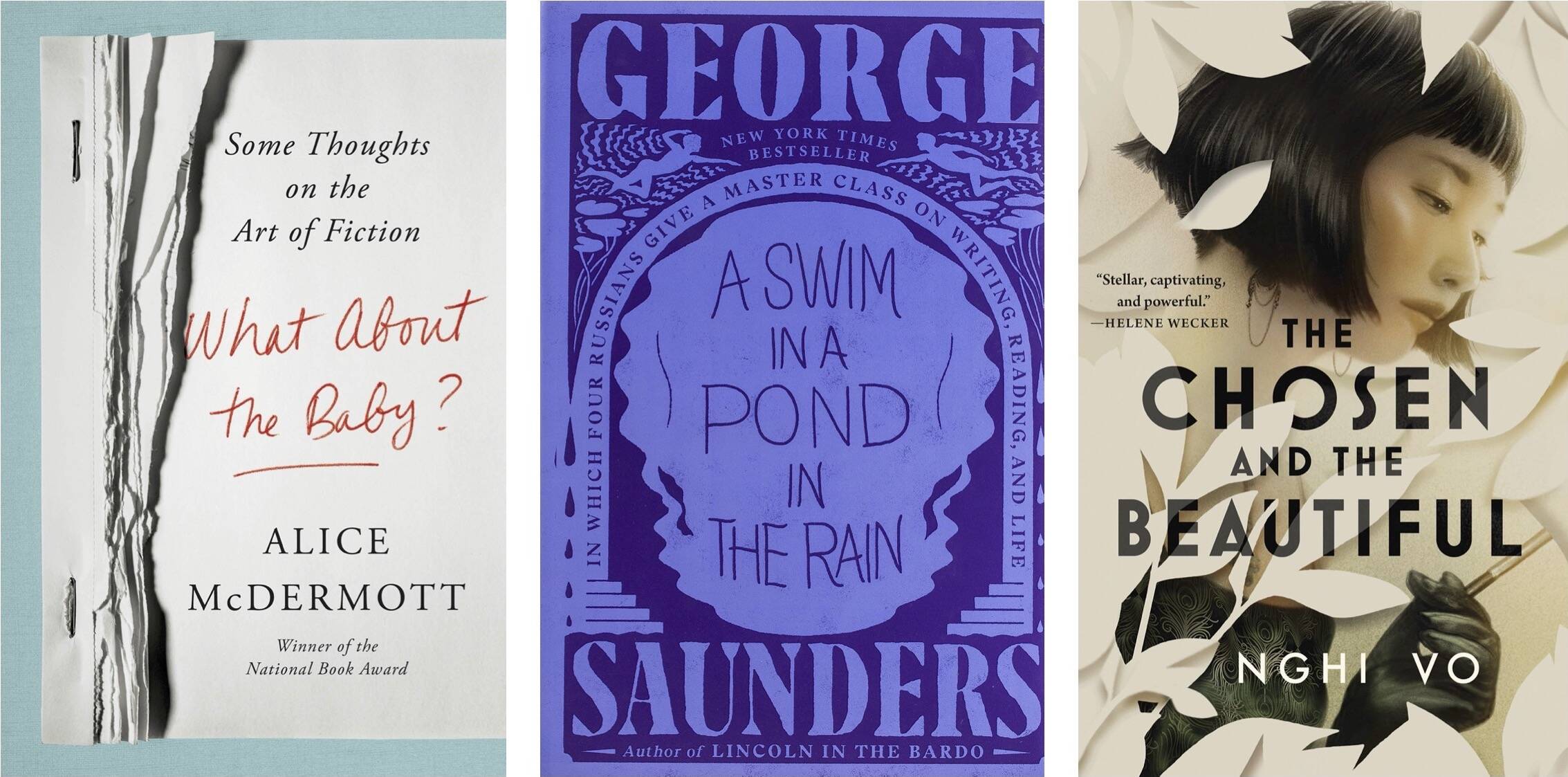 FSG; Random House; Tordotcom | This evening at 6 p.m. ET, I'll be talking with two of America's most celebrated writers about their new books on fiction: Alice McDermott, author of "What About the Baby?: Some Thoughts on the Art of Fiction," and George Saunders, author of "A Swim in a Pond in the Rain: In Which Four Russians Give a Master Class on Writing, Reading and Life." This live streaming discussion is part of the ongoing National Book Festival (details). And on Monday, I'll be a guest on the "Chatter on Books" podcast (listen). I'm excited to meet the other guest: Nghi Vo, who wrote "The Chosen and the Beautiful," that amazing queer fantasy version of "The Great Gatsby" (review). Meanwhile, I'm tearing through a stack of 600-page novels that are being published next month in a conspiracy to crush me. More on them later. Send any questions or comments about our book coverage to ron.charles@washpost.com. You can read last week's issue here. And remember, so long as I resist the lure of infinite riches on Substack, the Book Club is free, but it would help if you forwarded this newsletter to your bookish friends and encouraged them to subscribe here.
Interested in advertising in our bookish newsletter? Contact Michael King at michael.king@washpost.com. |





 Email
Email