Pretty much all the slang you know comes from Black Americans


THE BIG STORY
We found rage in a hopeless place 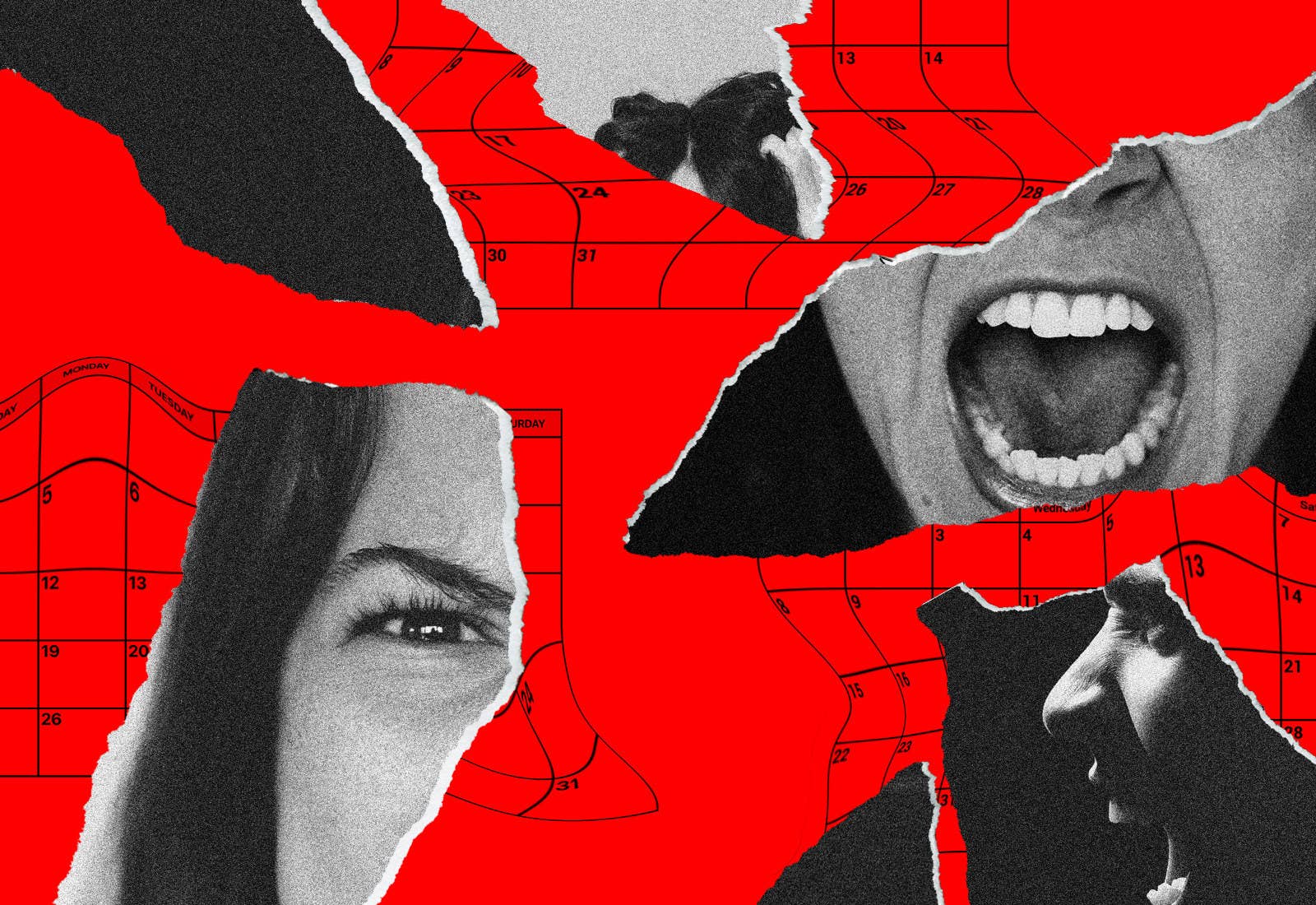 (BuzzFeed News; Getty Images) Despite many people's optimistic ambitions, the summer of 2021 has been defined by anger.
There's the kind of sudden, violent outbursts that range from embarrassing to unruly to racist: Everybody's seen the videos of people screaming on flights or in stores; fighting in airports, parking lots, and at baseball games; and punching older Asian American people.
Then there is the moral anger, deep and existential, that some nurses and doctors have felt fighting a pandemic for which there is a vaccine to reduce or prevent symptoms. ("Anger is the best word, honestly," one South Carolina doctor said.)
And a few weeks ago, the US capped off the summer by completing its chaotic withdrawal from Afghanistan, with horrific videos of boys falling off planes and young Marines dying in explosions. (A 22-year-old Afghan woman, standing in the airport with no visa or money or known destination, told the AP, "I didn't deserve this. No one deserves this.")
Is there something to connect all this? Blowing up at a customer service employee clearly isn't the same as the vast anger felt by health care workers burning out in the pandemic. But it's hard to shake the feeling that we're living in a society soaked through with wrath, and unpredictably so.
BuzzFeed News editor Katherine Miller explores this summer of rage, how anger wove its way into every corner of our lives, and perhaps most crucially, what comes next. STAYING ON TOP OF THIS
So much modern slang is AAVE. Here's how language appropriation erases the influence of Black culture. 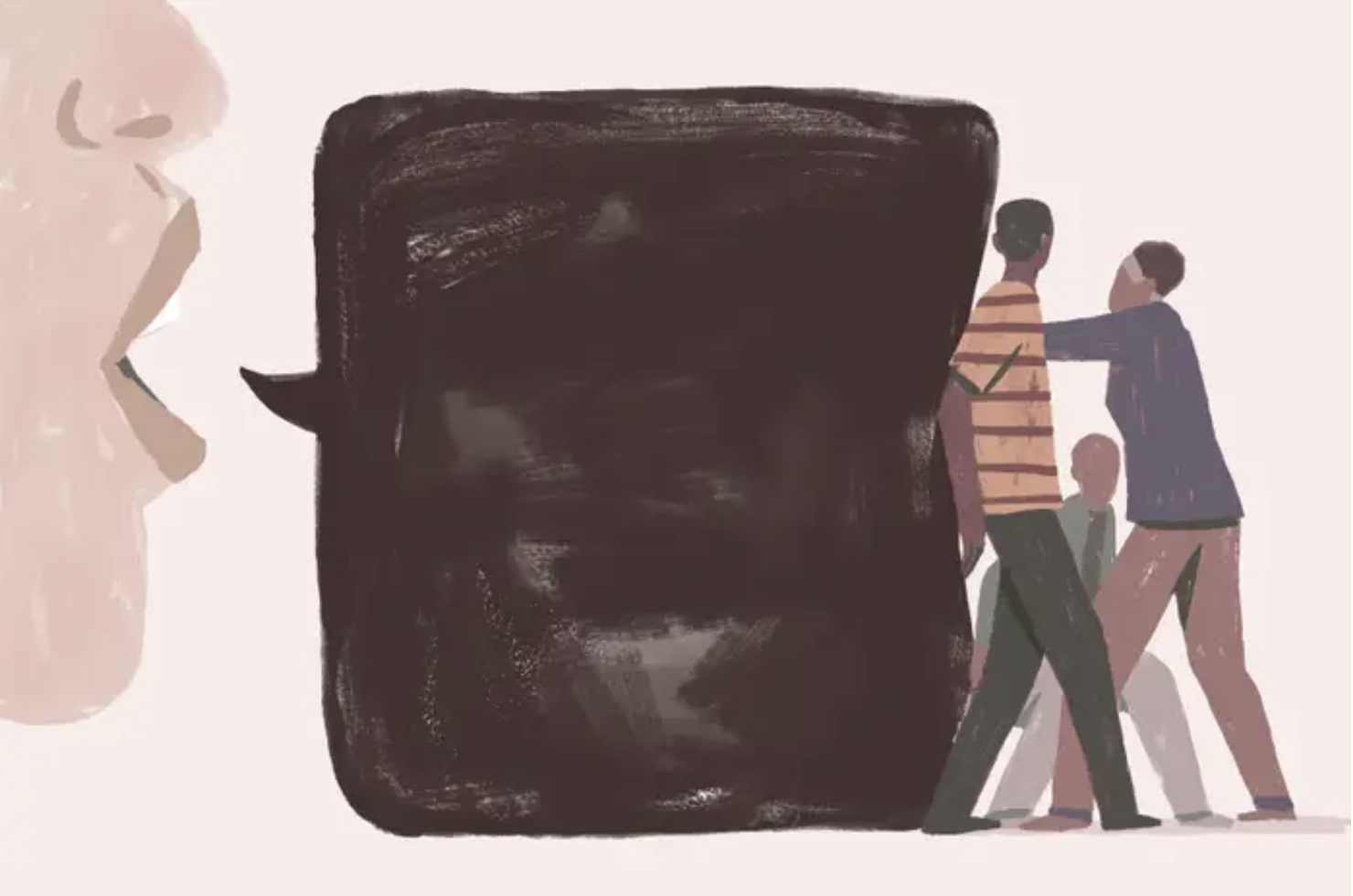 (Jamiel Law for BuzzFeed News) On fleek. Canceled. Savage. Stay woke. AF. Shade. Spill the tea. It be like that sometimes. These words and phrases don't just come from young people, or fandoms, or "online communities." They're examples of how African American Vernacular English (AAVE) has been co-opted into mainstream slang, often without recognition for its Black American origins.
Also known historically as Ebonics, AAVE is the unique dialect often spoken by the descendants of Africans who were enslaved in the US. Black immigrants often assimilate and use it too, bringing new linguistic traits with them. AAVE consists of both singular phrases and unique grammatical structures that make it comparable to the language spoken by the Gullah Geechee in the Carolinas, Florida, and Georgia, the Creole from Haiti, and the patois spoken in countries such as Barbados and Jamaica.
Black American language, music, and ideas underpin many of the US's oldest institutions and provide a vital frame of reference for both the past and present, writes Sydnee Thompson. When we divorce this language from its context, we risk further oppressing not only Black people but also the communities they intersect with, including other people of color, LGBTQ people, and people with disabilities.
By making the effort to uncover something's origins, we make a strong statement: Black culture is not deserving of mockery or appropriation — it demands respect.
This is an excerpt from the latest installment of Quibbles and Bits, a newsletter where our copy team breaks down how evolving linguistics reflect and inform our evolving world. Sign up to get Quibbles and Bits in your inbox here. SNAPSHOTS
Britney Spears' father has filed a petition to end her conservatorship. For years, Jamie Spears has dismissed calls to free his daughter from her conservatorship — which is typically used in cases of severe disability or dementia. Tuesday's filing was a very unexpected development.
18 books from small presses you'll love. From coming-of-age novels to absurdist short stories, don't miss these electric books from smaller presses.
ANOTHER PANDEMIC AUTUMN
These photos show what the first day of school looks like across the country Over the past month, schools across the US have welcomed students back for what many were hoping would be a "normal" school year. But as mask mandates leave communities divided and the Delta variant spreads nationally, the start to the 2021-2022 school year is proving to be a far cry from normalcy. 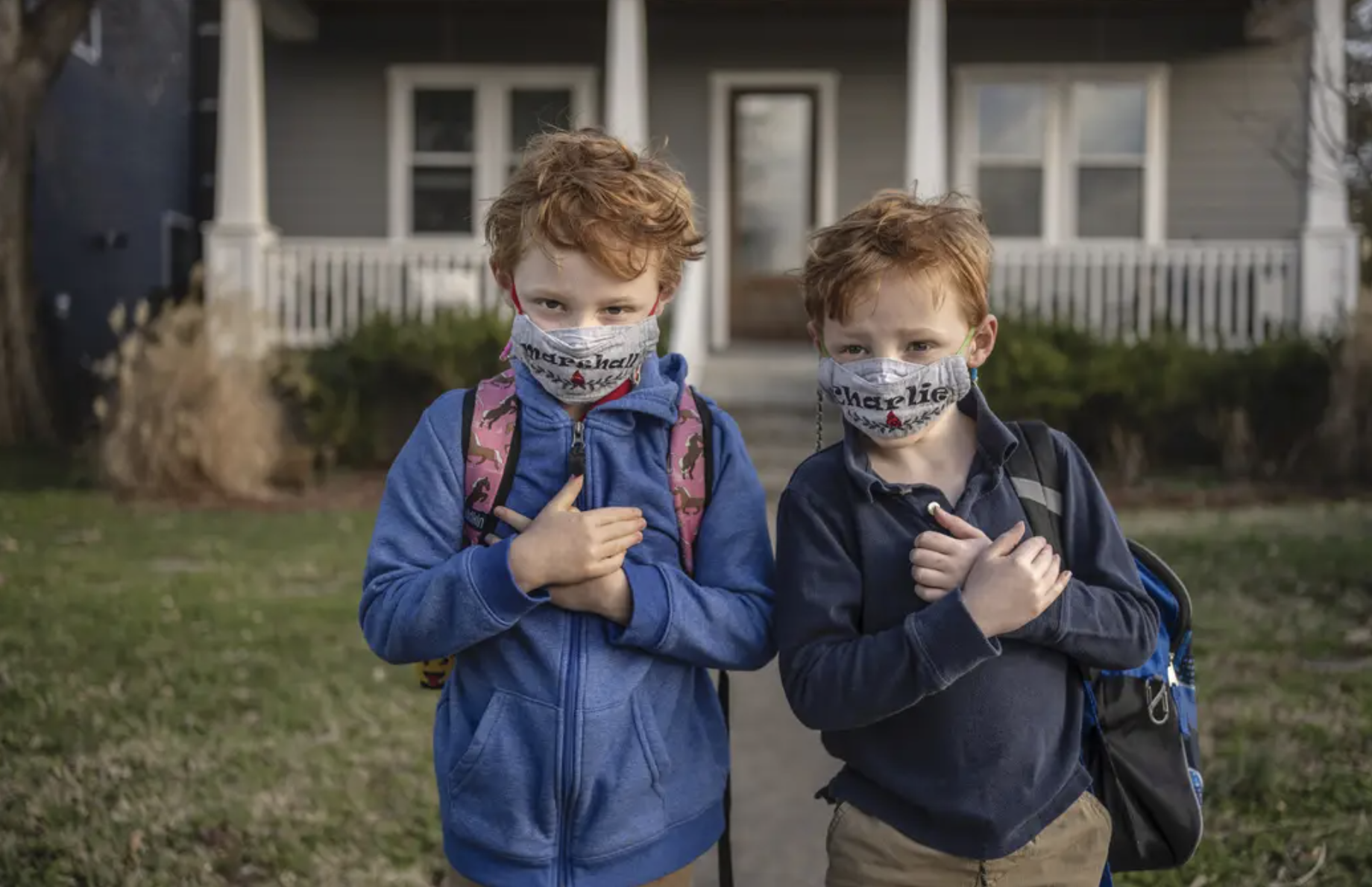 Marshall Groves, left, and his twin brother, Charlie Groves, go to Lockland Design Center. Their mother, Beth Groves, is fully behind children that have not been vaccinated wearing masks at school in Nashville. (John Partipilo/AP)
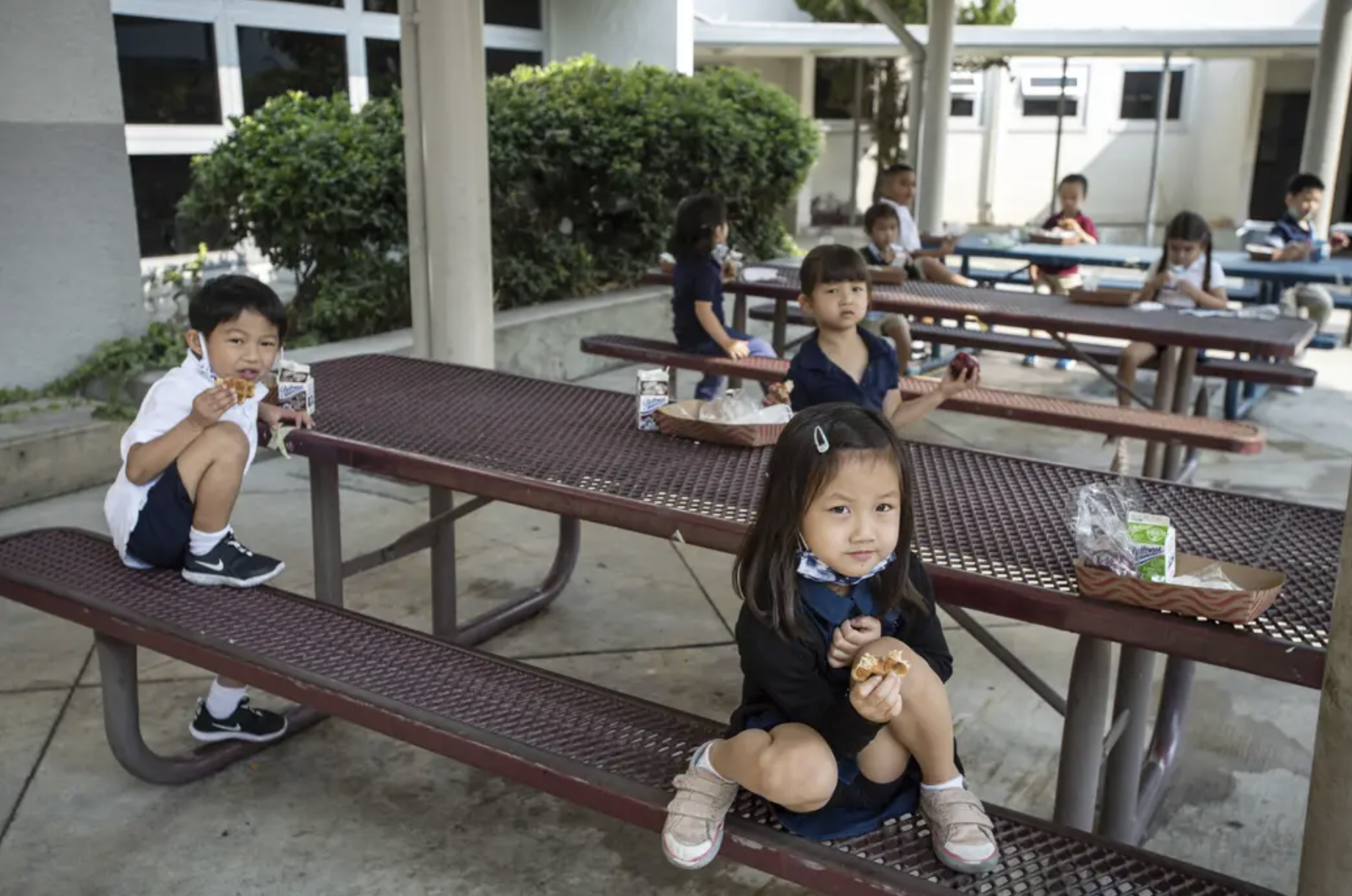 Children socially distance as they eat breakfast at Repetto Elementary School in Monterey Park, California, on Aug. 17. (Sarah Reingewirtz/AP)
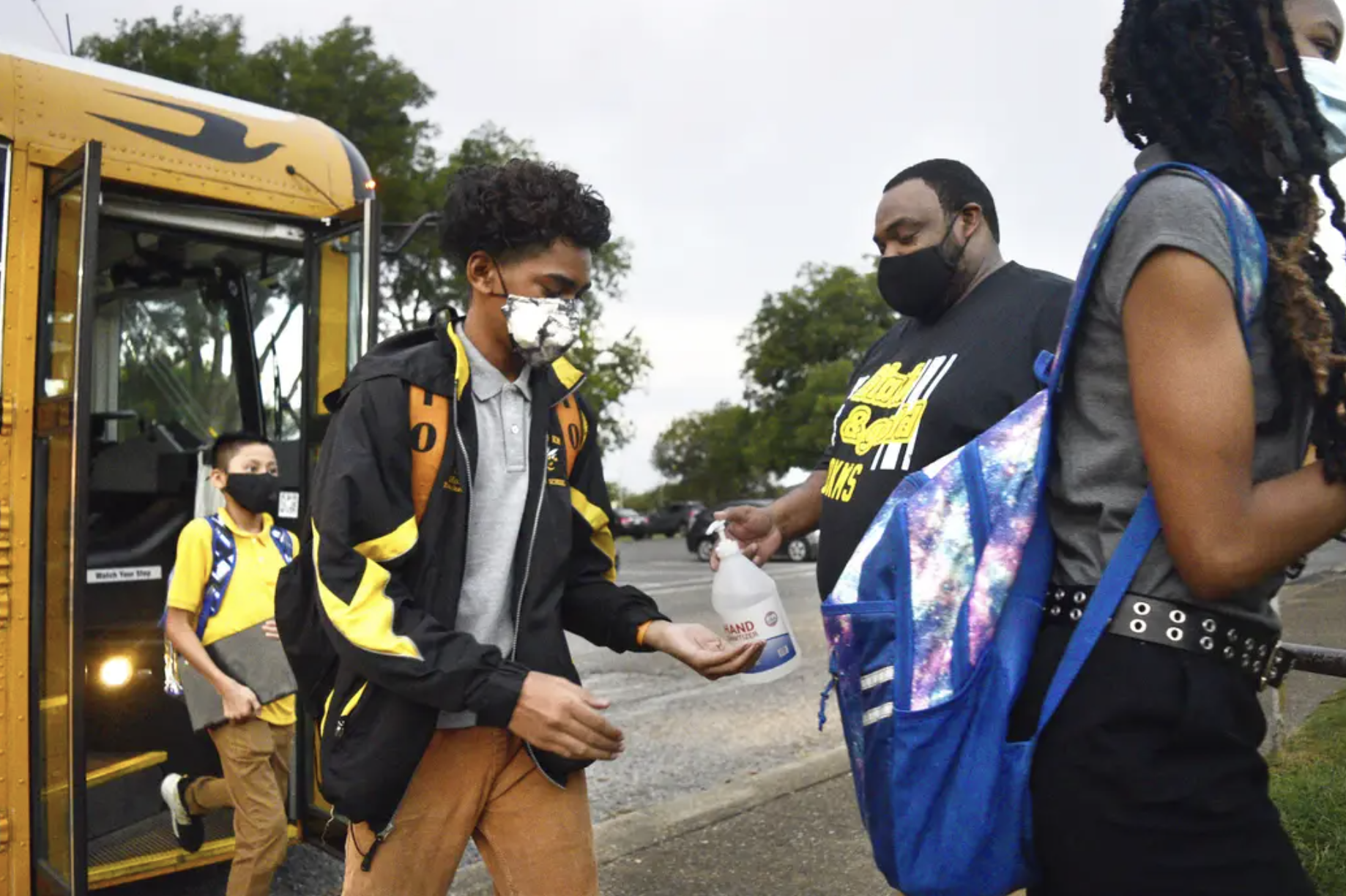 Orchard Knob Middle School Assistant Principal Michael Calloway squirts sanitizer onto students' hands as they arrive for the first day of school in Chattanooga, Tennessee, on Aug. 12. (Robin Rudd/AP) Find the full photo series here. REVISITING THE CLINTON AFFAIR
Impeachment misses a chance to really flip the narrative on the Clinton affair. As a drama about a young woman thrust into the political spotlight, Impeachment: American Crime Story isn't half bad. But as cultural commentary, it's a symptom of the current moment, not a critique of it, says Alessa Dominguez.
The new limited series focuses largely on reframing Monica Lewinsky's story and revisits former president Bill Clinton's impeachment mostly from her perspective. (Lewinsky is a producer on the show.) Impeachment tries to reframe the case as a story not about sex, cigars, and betrayal but about changing media mores and abuse of power.
Lewinsky endured a lot, Dominguez writes, and she has helped shift the conversation about sex, gender, and power while reclaiming her narrative. But aside from her story, Impeachment feels like it's looking back without any new perspective. Is there someone in your life who needs a good friend today? Alexa Correction: Friday's subject line incorrectly labeled ivermectin as a potential "COVID cure." The controversial study at the heart of our story focused on ivermectin as a preventative measure. 📝 This letter was edited and brought to you by Alexa Lee and BuzzFeed News. You can always reach us here.
👉 Your support of BuzzFeed's journalism does not constitute a charitable donation, and your contribution is not eligible for a tax-deduction. This is part of an effort to explore a deeper relationship with our most active supporters. BuzzFeed, Inc. |


