September 5: The Story And Every Story


Photographing Hurricanes Katrina and Ida, 16 Years Apart
Your lens to the internet's most powerful photographs.
 📸For Your 👀 Only: 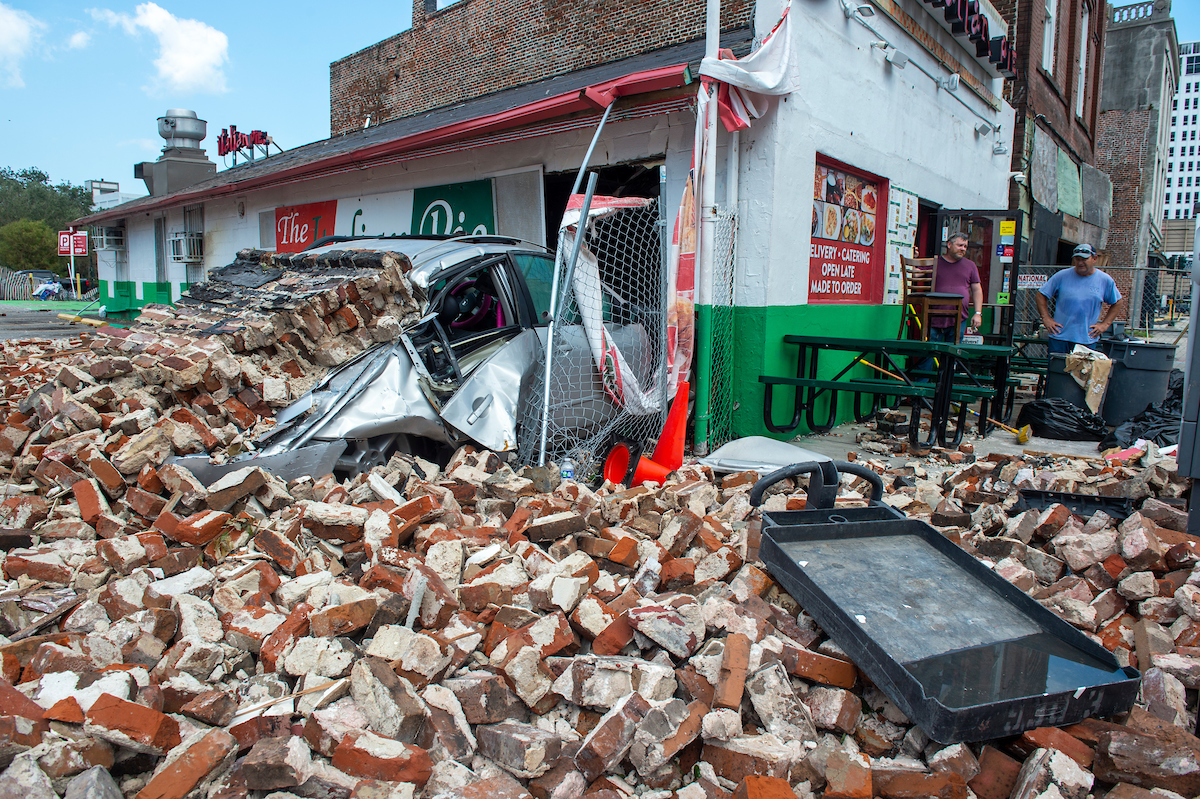 Employees of The Italian Pie in downtown New Orleans look at a coworkers car that took a direct hit of bricks from a nearby building. The men were cleaning up two days after Hurricane Ida on Tuesday, August 31, 2021. Chris Granger/The Times-Picayune | The New Orleans Advocate Chris Granger is a photojournalist based in New Orleans who has worked full-time for the Times-Picayune and NOLA.com for more than 20 years. In that time, he has covered the most joyous and most heartbreaking local moments as well as national news, such as the war in Iraq, the BP oil spill, and, of course, natural disasters. We caught up with him in the days after Hurricane Ida hit New Orleans to talk about covering climate change, disaster fatigue, and how members of the community help each other in times of crisis.
What was it like covering Hurricane Katrina and its aftermath? Well, when I say "most heartbreaking moments," Katrina certainly is the most heartbreaking of anything I have ever covered. The scale of death and destruction was truly indescribable. Now, Hurricane Ida is a close second, though it is not the scale of Katrina. Ida's wind damage to New Orleans proper — the surrounding parishes had wind and water and are in some ways a much worse situation than New Orleans, and my heart breaks for them — is catastrophic, but in Katrina, with the levee failures, the city of New Orleans was underwater for weeks, so recovery couldn't even begin until the city drained. With Ida, as horrific as it has been, recovery was able to start in New Orleans the day after the storm passed, greatly accelerating the ability to get back up and running — or at least the ability for residents to assess the damage and make plans. The problem today is a complete breakdown of infrastructure. We live in an era when we take for granted things like reliable power and water service and the ability to navigate safely on roadways. Hurricane Ida's winds took down major trees, utility poles, roofs, etc., blocking roads. The complete breakdown of infrastructure is astounding. 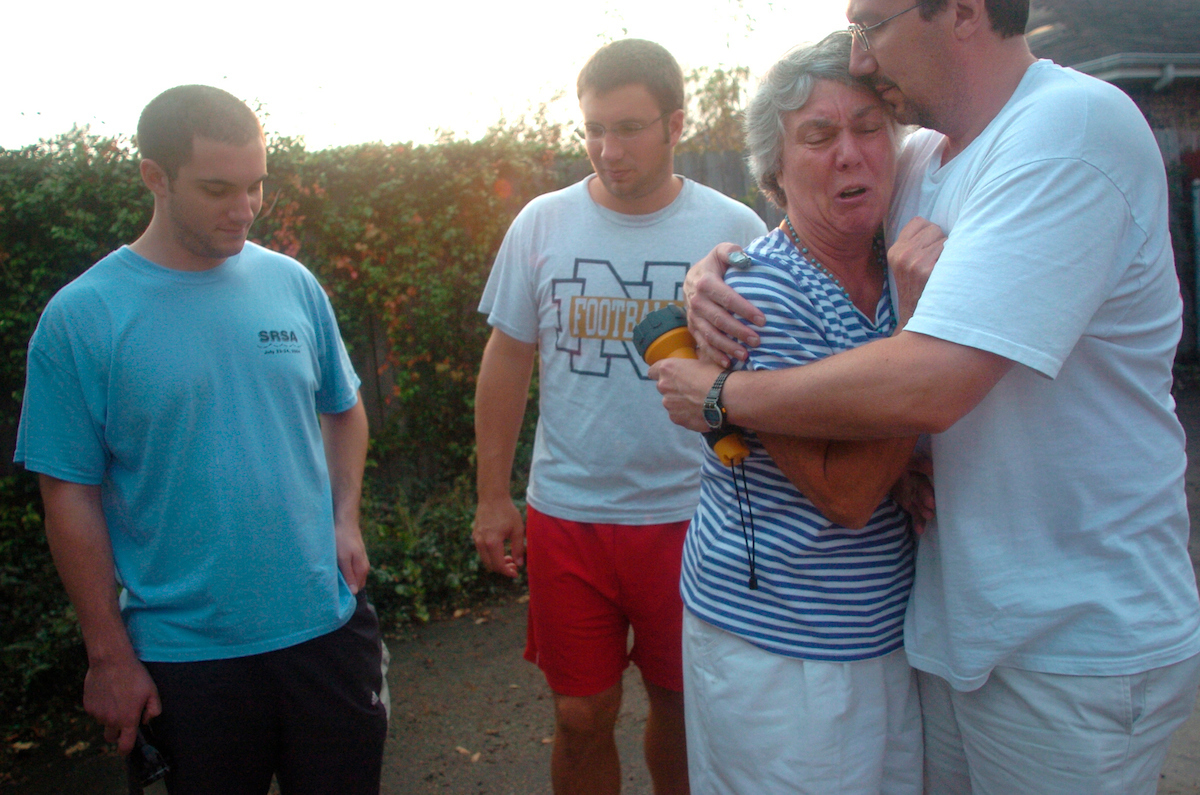 Monday September 5, 2005 After taking her first walk thru of her house following Hurricane Katrina, Carol LaVie's son, Kevin, gives his mom a hug as she lets out some frustration early Monday morning. Her grandsons, Daniel, 19, center, and Louis, 20, stand by them. LaVie had wind damage and about two feet of water in her home. Chris Granger/The Times-Picayune | The New Orleans Advocate How has it been covering New Orleans in the last decade and a half since Katrina? I can imagine that the disaster has colored a lot of the local news that has followed. In the first five years after Katrina, we would joke that every story was a Katrina story, and by that I mean everything was related to the hurricane, even if it didn't seem to be. Normal life experiences, like going to a wedding, had an element of discussion about how the event was able to take place given all the issues related to Katrina and rebuilding. It was the story and every story. The further we got away from Katrina, the further away it faded from the everyday discussions, which was merciful.
As a local photographer, what has it been like to watch the city rebuild? The city rebounded and was truly better than ever, with major rebuilding making our architecture and our people more resilient in every way. The post-Katrina recovery was incredibly inspiring. The city pulled together, with residents from all walks of life helping each other, and the nation and the world offering incredibly helpful assistance. Residents were very grateful for that assistance.
What was it like covering Ida? Hard to put into words. It brings back so many memories of Katrina, and so much heartbreak. I met a family that had walked eight miles in the August heat to get bottles of water. I got medical help for an elderly man who was trying to get to a hospital to get his medication, and he was really struggling. It's been heartrending.
In New Orleans, we referred to Katrina as "the storm," and there was no doubt in conversations the hurricane we were referring to with that reference. Now, with Ida, we'll have to be more specific. It's hard to get my head wrapped around the idea that we're going through another major hurricane recovery. 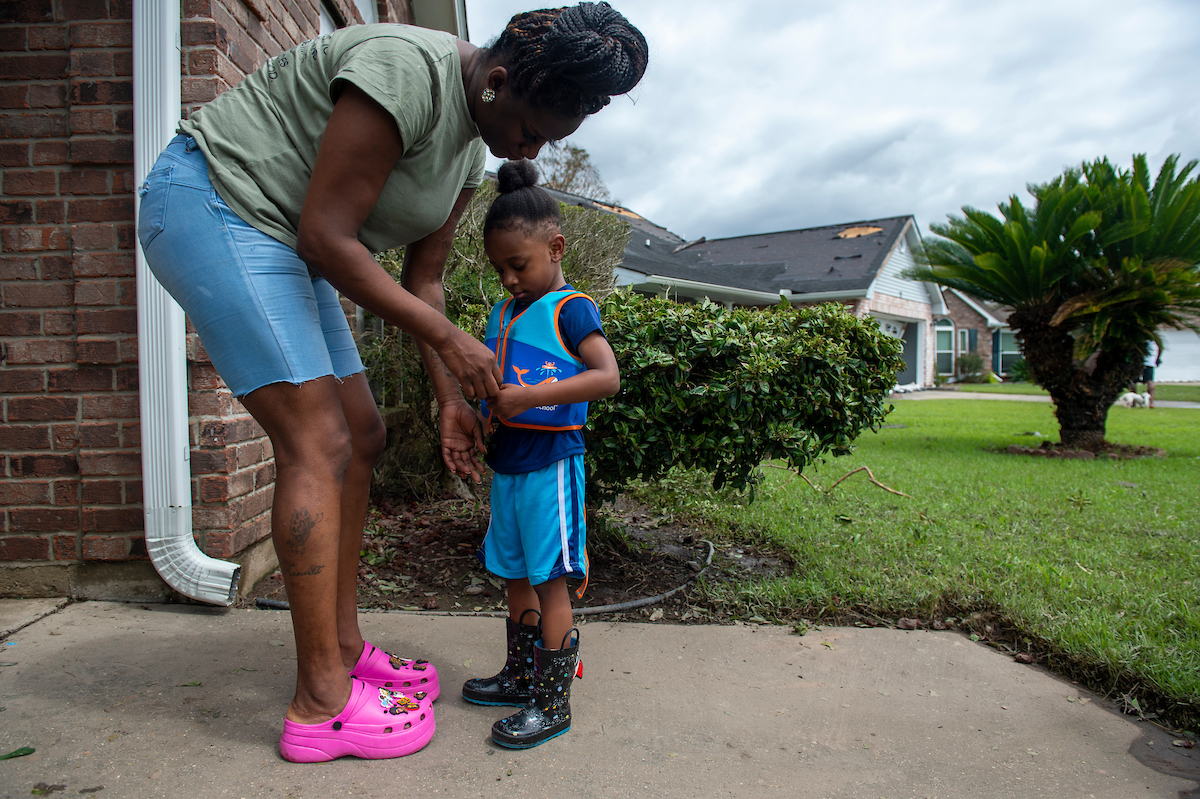 Tamequa Williams, secures a lifejacket around her son, Royal, 4, as they get ready to walk down their flooded street for their evacuation on the morning after Hurricane Ida hit their neighborhood in LaPlace on Monday, August 30, 2021. Chris Granger/The Times-Picayune | The New Orleans Advocate How do you think that people in New Orleans will react to natural disasters as climate change worsens? We are all tired — very, very tired. We love this place. It's home. You wouldn't walk away from a loved one in distress, and we feel that New Orleans is that loved one in distress. We can't just turn our backs on it. But it's hard to deal with disasters of this scale and the emotional worry about the next one that could hit. That said, I have no doubt New Orleans will recover from this and rebound better than ever, just like after Hurricane Katrina. As the whole country grapples with the effects of climate change, more places will face the challenges that New Orleans has been experiencing. The remnants of Hurricane Ida sent catastrophic flooding to New York and the Northeast. I was in Boston a few weeks ago and was flying home to New Orleans as a tropical storm was predicted to hit New England. It was a surreal experience thinking that I was flying back to New Orleans to get away from a tropical storm.
Everyone has disaster fatigue. We all do. I have worked in Haiti, and my heart breaks to see the earthquakes, hurricanes, and political upheaval there. I've covered the wildfires in California, and I am in awe at the destruction they are causing. And, as I mentioned, there were horrific floods and deaths in New York from the remnants of Ida all the way up in New York. It boggles the mind and makes us all want to just turn away, close our computers, shut off our phones. But I do ask that people keep Louisiana in their thoughts. We are a resilient city — a resilient region — that has provided so much to the nation. Our food, music, architecture, the oil and gas production that fuels the country, all have benefited the United States. 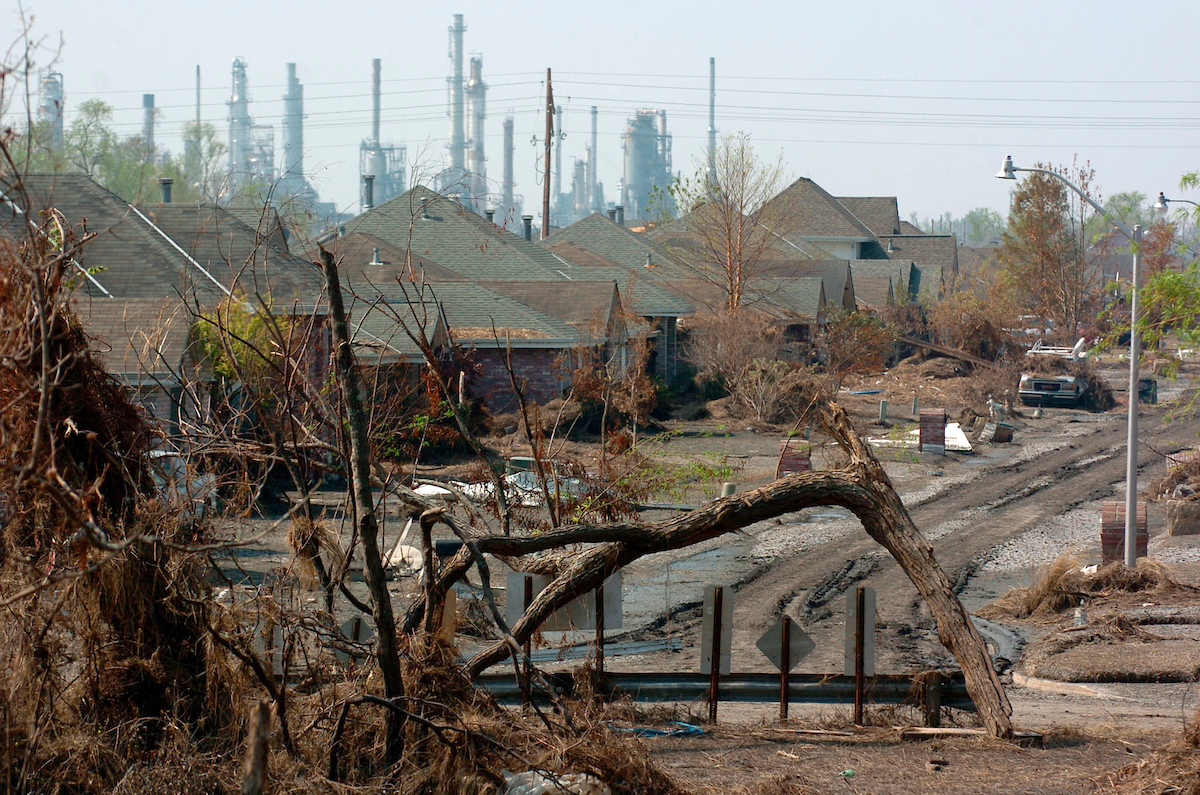 Oil and mud covered streets in the shadow of Murphy Oil, back left, in Meraux. On September 15, 2005, nearly three weeks after Hurricane Katrina crews are still trying to recover all of the leaked oil. Chris Granger/The Times-Picayune | The New Orleans Advocate  📸MORE FROM OUR DESK 📸 As always, here are some of the best photo stories from around the internet, and what we loved from our desk. 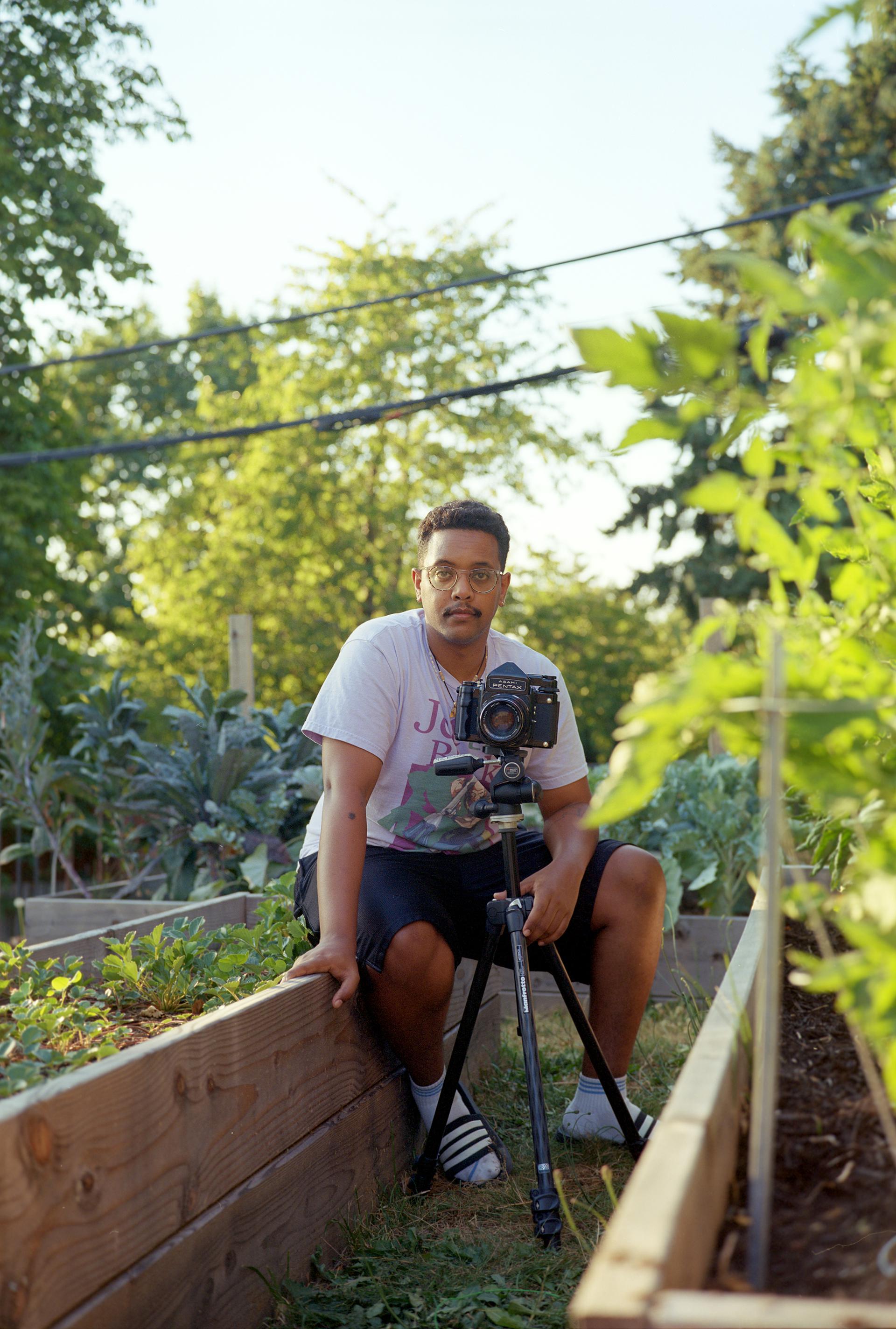 Meron Menghistab for BuzzFeed News DEVASTATING PHOTOS SHOW THE CALDOR FIRE BURNING NEAR LAKE TAHOE 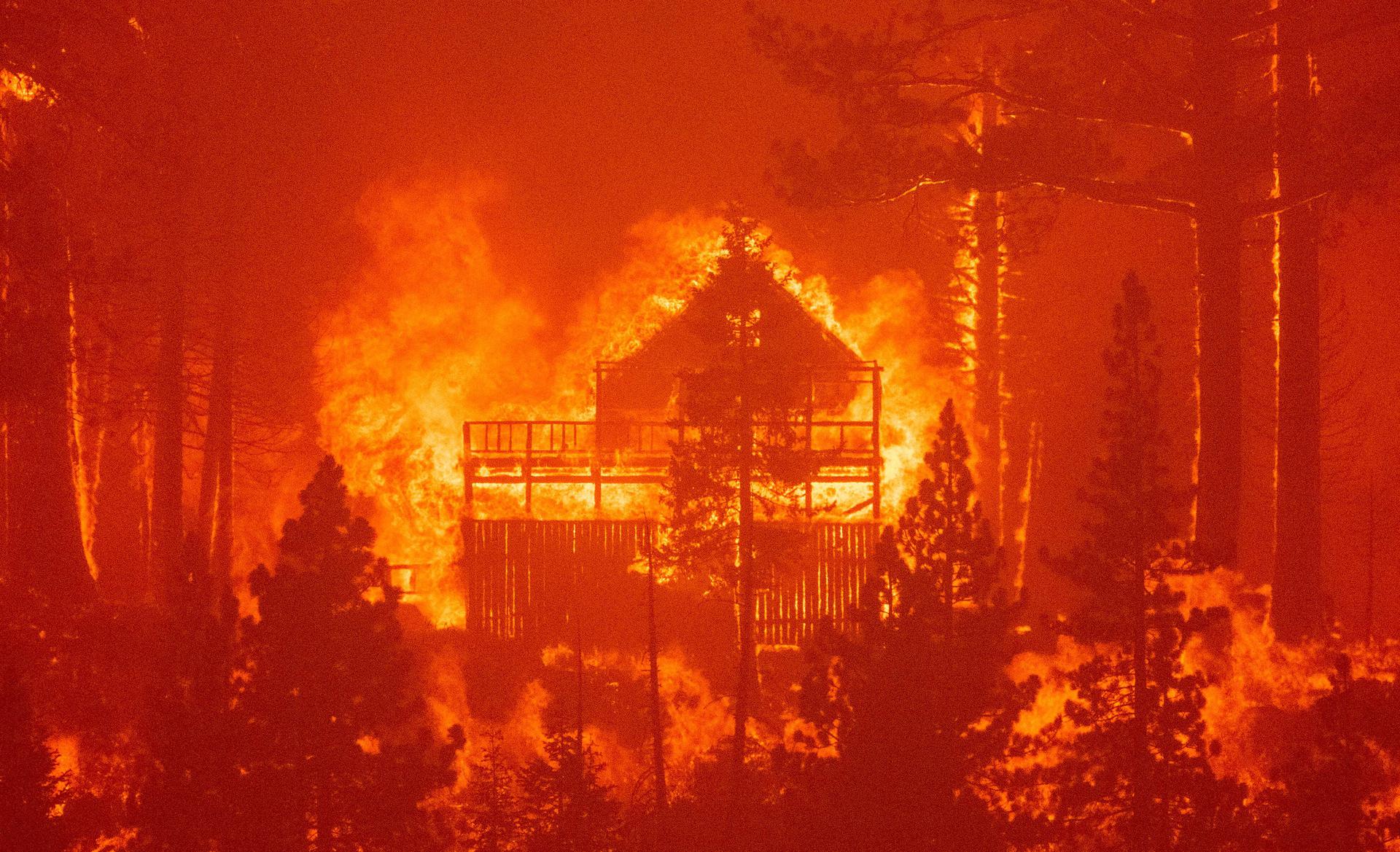 Josh Edelson / AFP via Getty Images PHOTOS OF A PIE EATING ROAD TRIP ACROSS AMERICA 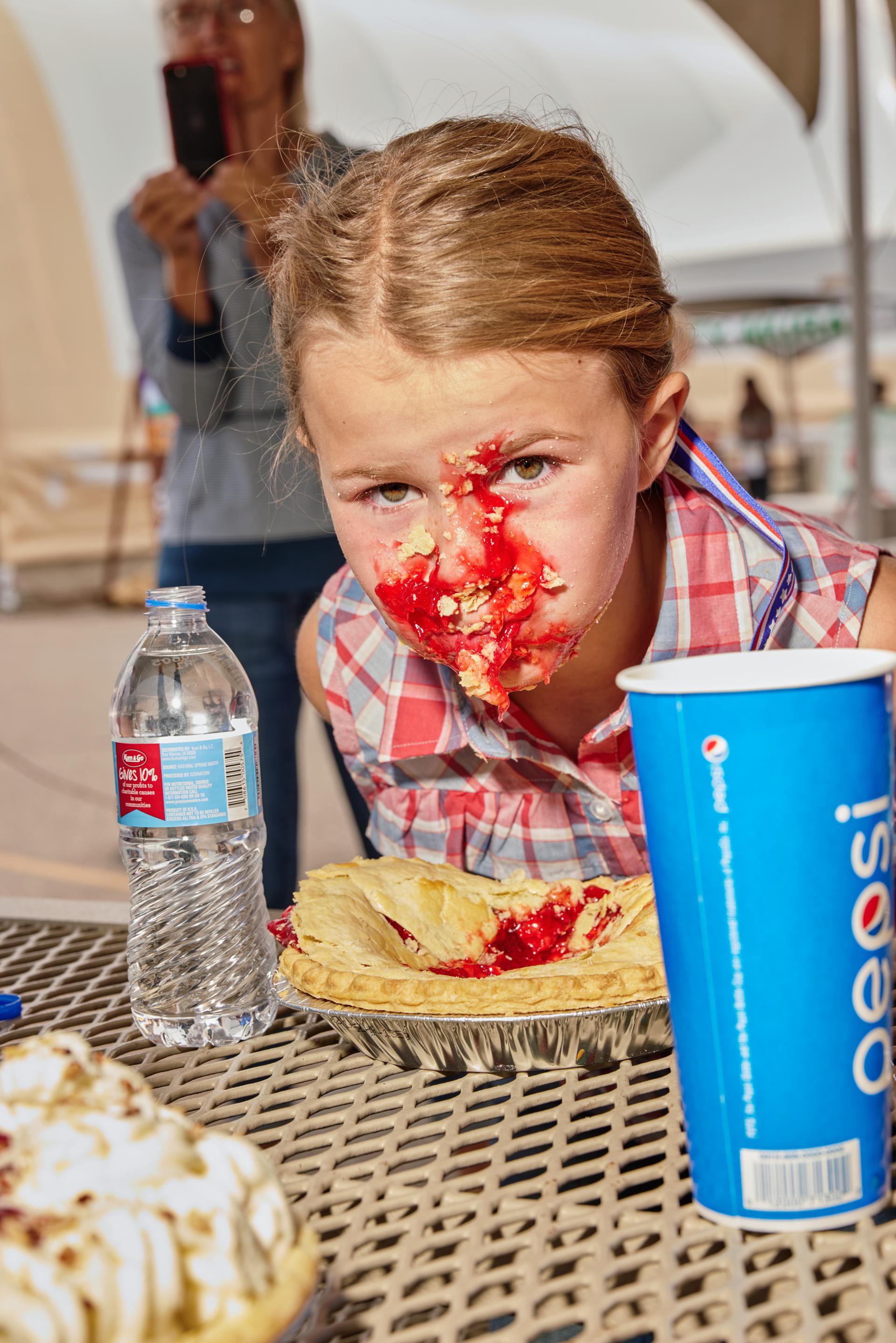 Maggie Shannon
SOME HOPE 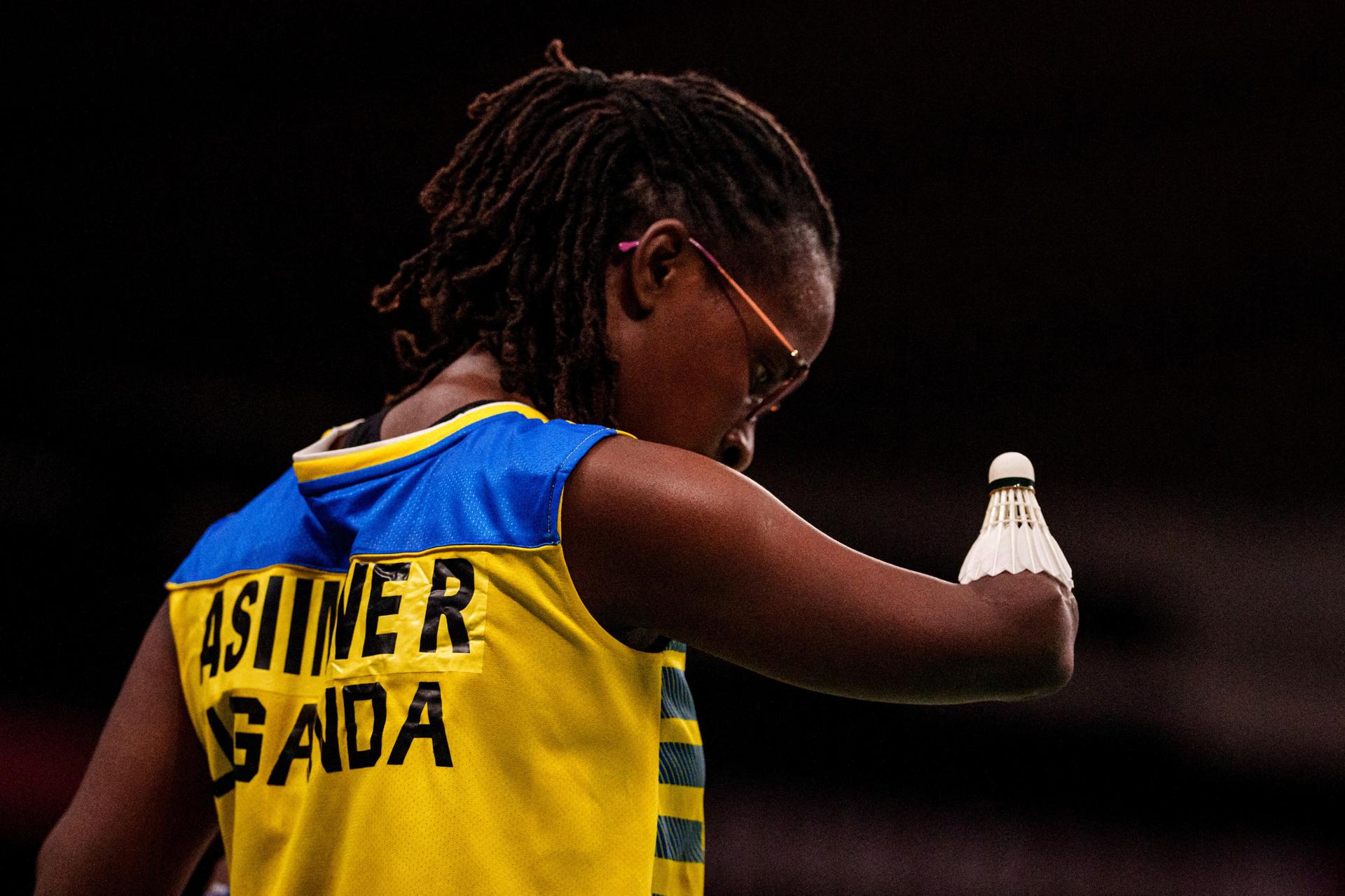 YASUYOSHI CHIBA/AFP via Getty Images It's been a tough week for women in the US, but we're still here. Rooting for Uganda's Ritah Asiimwe as she competes during the badminton women's singles in the Tokyo 2020 Paralympic Games on September 3, 2021. "We are making photographs to understand what our lives mean to us." — Ralph Hattersley That's it for this week! Kate, Kirsten + Pia
📝 This letter was edited and brought to you by the News Photo team. Kate Bubacz is the photo director based in New York and loves dogs. Pia Peterson is a photo editor based in Brooklyn. You can always reach us here.
BuzzFeed, Inc. |


