| This politics newsletter aims to give you what you need to know in five minutes or less. Now The Washington Post has another newsletter equally respectful of your time: "The 7," which features seven of the day's biggest stories from all sections of The Post, at 7 a.m. Eastern time in your inbox every weekday. It launched today. Sign up to get it in your inbox starting tomorrow. A quote in the news, explained: Could one party control politics for the next 20 years? "We are really on this precipice, this knife's edge, and each party goes, 'If I just push a little bit harder I can control politics for the next 20 years. And it's true." — Conservative activist Grover Norquist, the president of Americans for Tax Reform, talking to The Post's Michael Scherer. Norquist is talking about the balance of political power teetering both inside and outside Washington. Inside Washington, Democrats did remarkably well during the Trump years, seizing Congress and the White House. But Republicans have spent more than a decade capturing power in the states. Both sides face big choices about how ruthless to be to consolidate their power even more. Republicans, via state legislatures, have the chance to draw themselves into the majority in the House of Representatives through redistricting. If that happens, they could cement themselves in the majority both there and in states for a decade, at least until the next census. Republicans have not been shy about pushing the boundaries with their power in the states: In Texas they have effectively banned most abortions, and a number of states GOP-led legislatures have restricted how people vote; there's a new voting-restriction law in Texas that just got signed today. Democrats have options to fight back with radical changes to how the democratic process is structured at the federal level, like ending the filibuster in the Senate. With no filibuster, they'd have a greater chance at passing federal laws that roll back voting restrictions, protect and advance abortion rights and end partisan gerrymandering. Or, they could expand the Supreme Court and tilt it toward being more liberal. 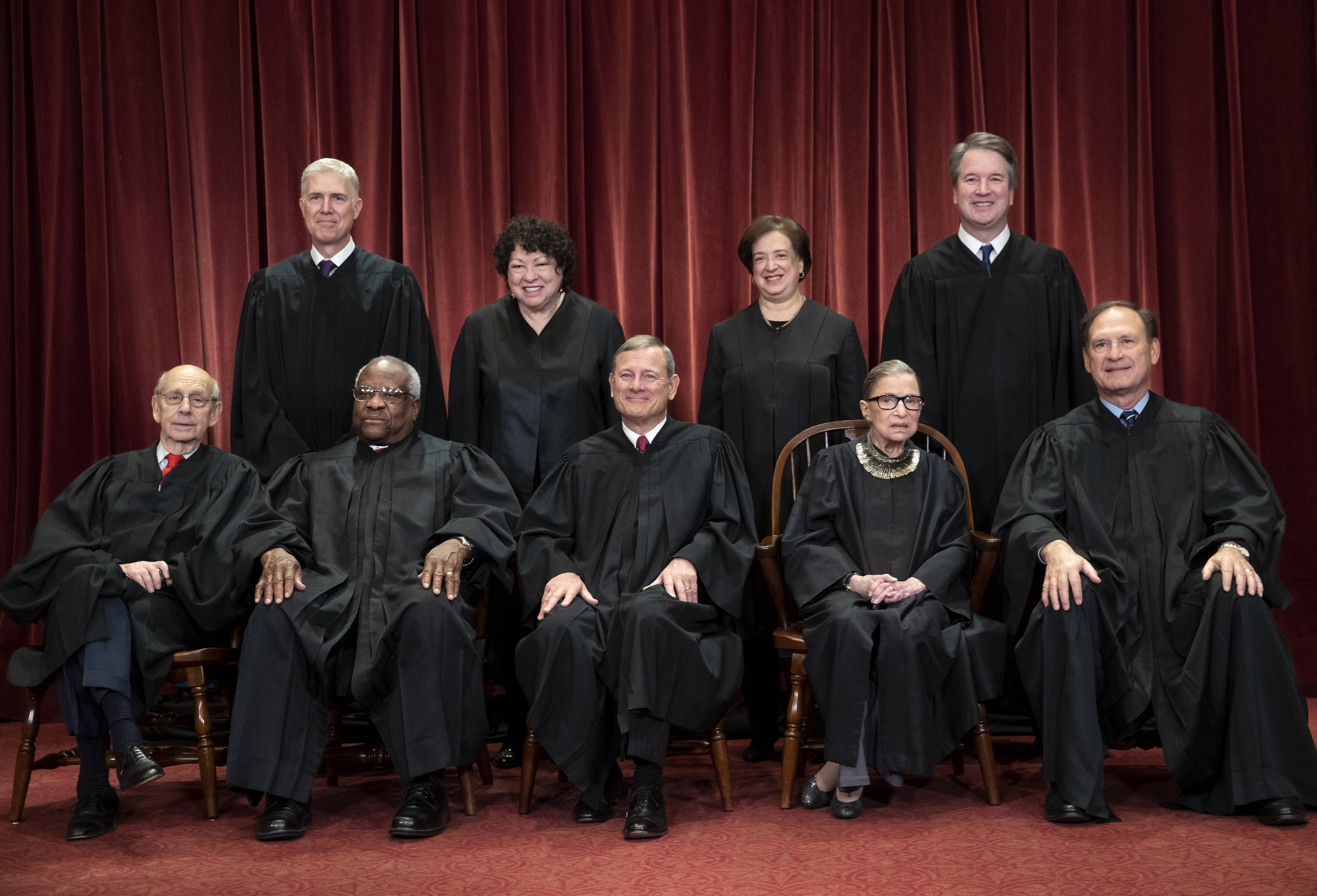 Congress can change how many justices sit on the Supreme Court. (AP Photo/J. Scott Applewhite) | Republicans are going full steam on redistricting; the time is now for Democrats in Washington to decide what to do in response. Why the Texas abortion law is so slippery 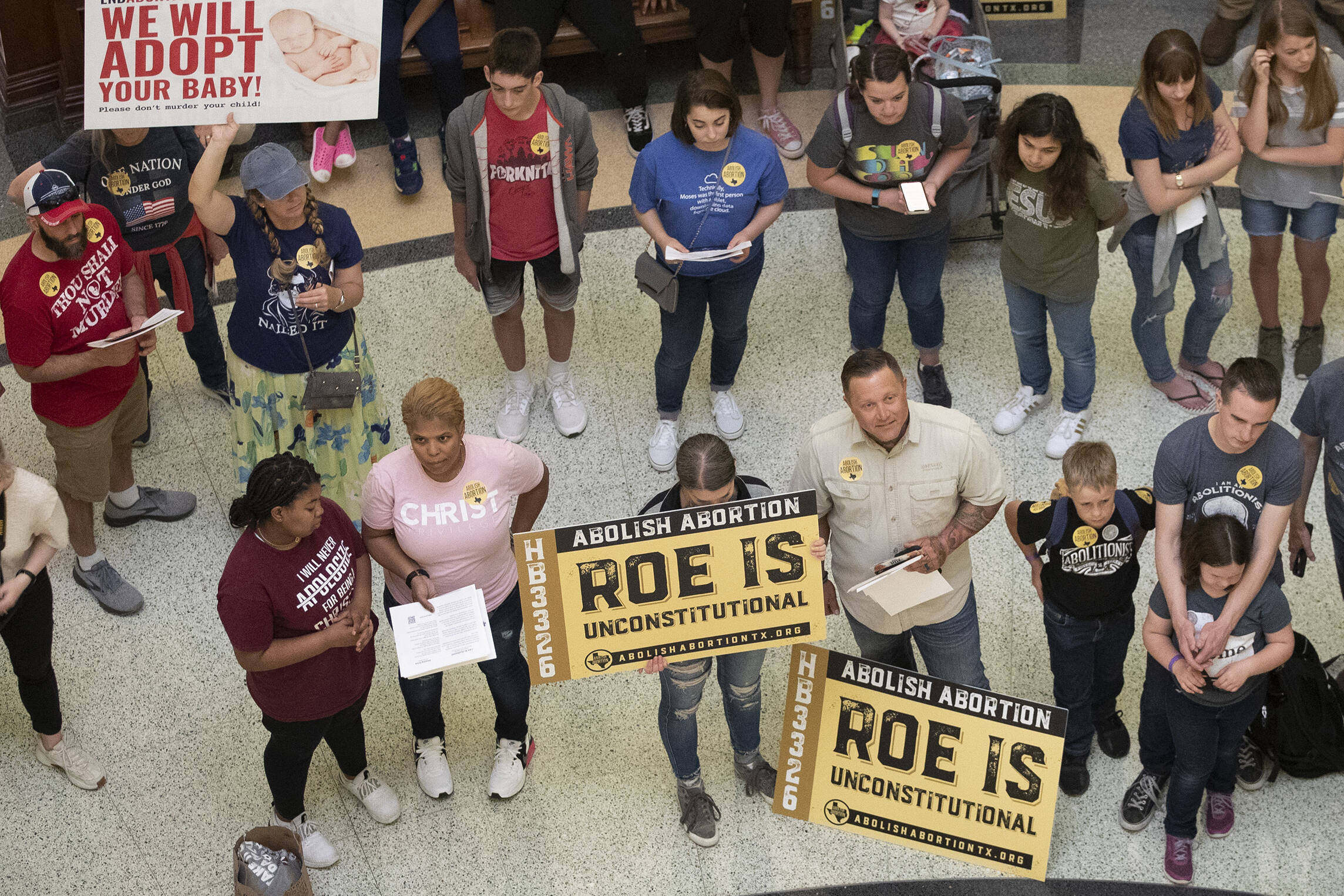 Antiabortion protesters in the Texas Capitol earlier this year. Any one of them can sue an abortion provider to enforce the state's six-week ban. (Jay Janner/Austin American-Statesman via AP) | Other states that have tried to ban most abortions got knocked down by the courts. So why did the Supreme Court let a Texas six-week abortion ban go into effect? And why might it be standing for a while? The Texas law is different than others that have come before it because empowers people — not government officials — to enforce the six-week ban on abortions. Anyone in the state of Texas can sue anyone they think are "aiding and abetting" an abortion after that point in pregnancy. And they can be rewarded $10,000 for it. That civil-suit approach seemed to short-circuit the Supreme Court last week. Courts are set up to tell government officials, not average Joes, whether they can enforce a law. So the five conservative justices decided the court does not have the authority to pause the Texas law while its legality is debated, because there's no government official to tell to stop enforcing it. Next up is a longer argument in the courts over whether the law is constitutional. Here, abortion rights advocates are currently stymied: They have to wait until someone is sued for breaking the Texas law by having or aiding an abortion after six weeks. Or they could sue judges themselves for enforcing the law. It's the Wild West of abortion law, and no one seems to know what to do to stop it. What questions do you have about the Texas abortion law? Join Washington Post Supreme Court reporter Robert Barnes, gender reporter Caroline Kitchener and me for a live chat Wednesday, at 1 p.m. Eastern time, about this abortion law and its impacts. Get your questions in now, join us live, or catch up on the chat later. It's all at this link. | 




 Email
Email