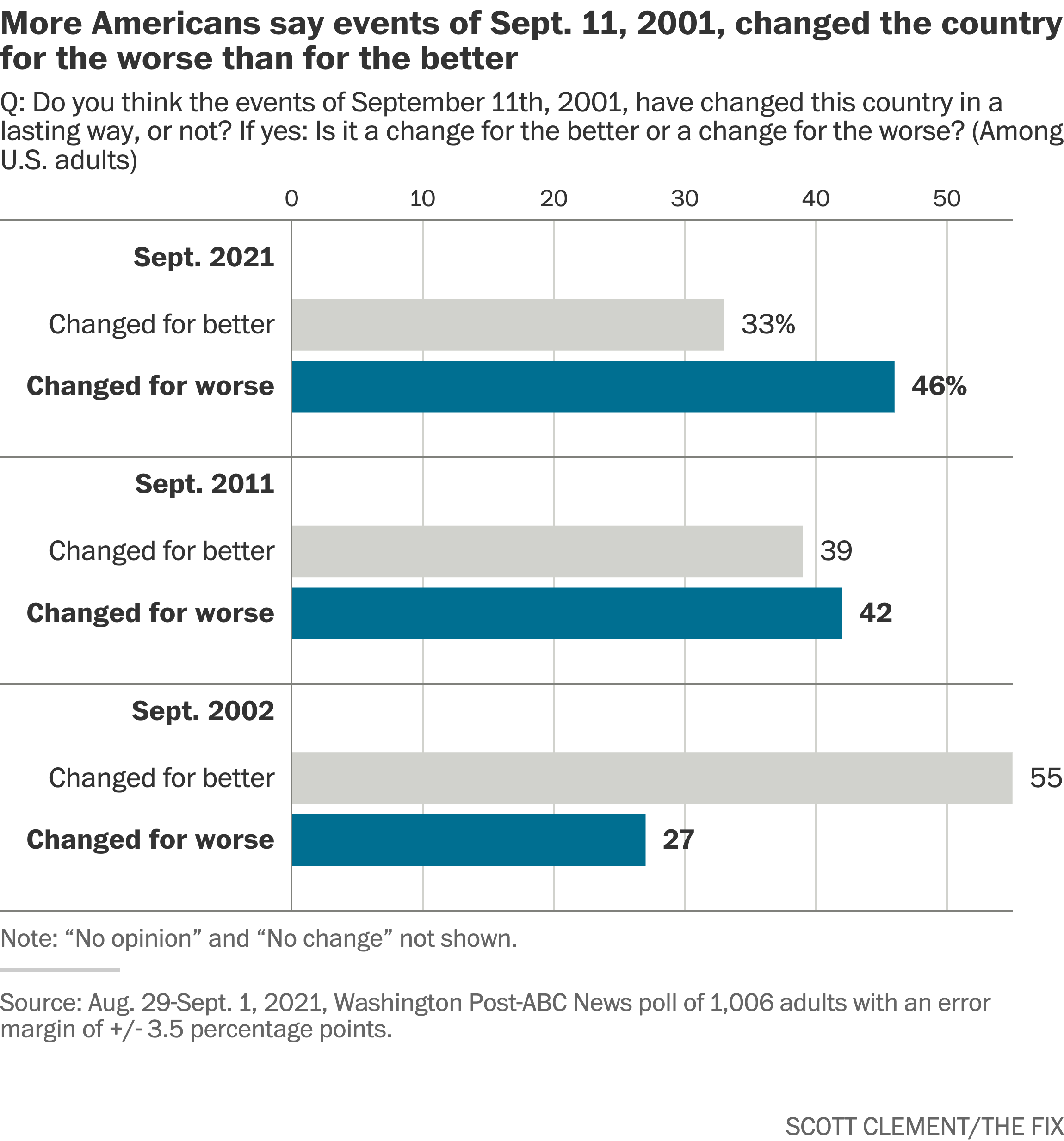
| The 20th anniversary of 9/11 arrives at a particularly unsettling time for America. There is the pandemic, climate change and continued economic uncertainty. Americans also are reeling from the deadly aftermath of a bungled end to a 20-year war born from the attacks. From polling Americans on how the attacks changed the country, to talking to 9/11 refugees, to hearing from lawmakers deeply affected by it, to the ongoing political battles today about it, The Washington Post has a lot of coverage reflecting on this nation-altering moment. Here are some stories that caught my eye. 1. "Americans increasingly say the events of Sept. 11, 2001, had a more negative than positive impact on the country, and predictions for the pandemic's long-term impact are even more downbeat." The Post's polling director, Scott Clement, analyzed the results of a Washington Post-ABC News poll on how Americans have shifted in their views of 9/11 and the subsequent response. Nearly half of Americans, 46 percent, say the events of 9/11 changed the country for the worse, including more than half of liberals and nearly half of conservatives. Only 33 percent of Americans say 9/11 changed the country for the better. That's a lot more pessimistic than Americans were right after 9/11 about how the attacks would change the nation. The dour lookback probably reflects years of political battles about torture, never-ending wars and civil liberties. 2. "[With] the 20-year anniversary, you get all sorts of attention on this subject … The families are literally at their wit's end." That's Brett Eagleson, an advocate for 9/11 families, who lost his father in the attacks. He told The Post's Amy Wang that about 1,800 families who lost someone in the attacks have tried to convince now three presidents to take what they see is a crucial step in their fight for justice. They want the government to declassify evidence that the bipartisan 9/11 Commission found implicating the Saudi Arabian government in the attacks. 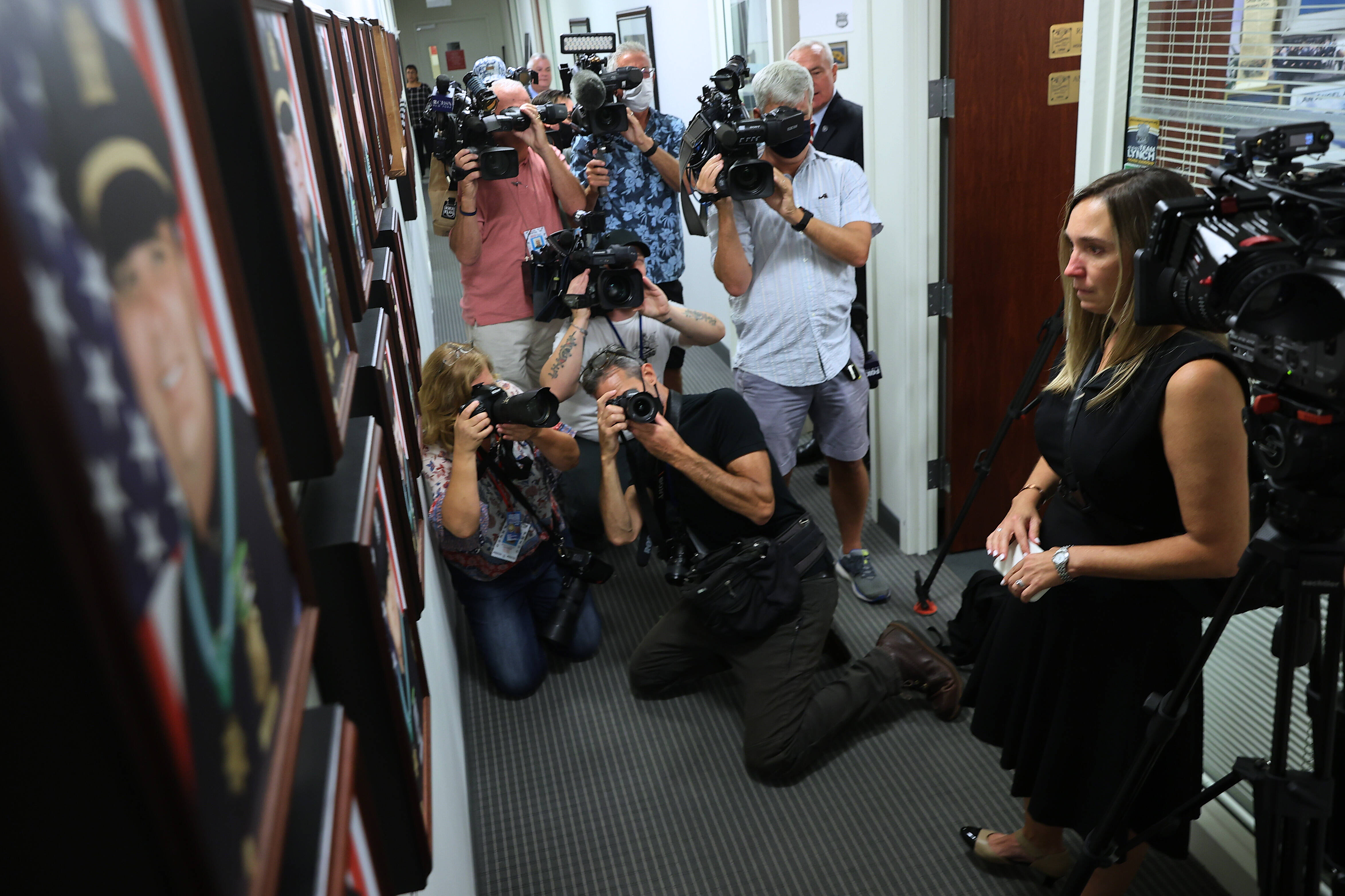 Family members visit a new 9/11 memorial wall in New York. (Chip Somodevilla/Getty Images) | The families said President Biden wasn't welcome at 9/11 memorials if he didn't take that step. Last week, Biden ordered a number of classified documents related to the attacks to be released — challenging a long-held mentality in U.S. government that such information should remain secret. And the families are cautiously optimistic they'll finally get what they've been fighting the government for. 3. "Seventeen years after the 9/11 Commission called on the United States to offer moral leadership to the world and to be generous and caring to our neighbors, our moral leadership is in question, and we can barely be generous and caring to ourselves." The Post's Pulitzer-Prize winning book columnist Carlos Lozada read and reread a dozen or so consequential books about the attacks and all that came after. His subsequent essay serves as a cynical history lesson, a necessary read for even those of us who lived through it. Twenty years of political battles and war is a long time and a lot to synthesize. 4. "If I lose an election because I'm telling people the truth …" That's Rep. Adam Kinzinger (R-Ill.), who may well lose an election as he goes against his party. Kinzinger is one of two Republicans willing to sit on Congress's bipartisan committee investigating the insurrection at the U.S. Capitol on Jan. 6. He tells The Post's Rhonda Colvin that he was driving to his job at an IT services company in Bloomington, Ill., when he heard about the World Trade Center falling. He has since served in the Air Force and is now in Congress, where he's become a prominent Republican critic of former president Donald Trump. "9/11 was so impactful for me that I think it really comes into how I act today," Kinzinger said. "I have to be willing to put everything on the line to defend this country, and if I lose an election because I'm telling people the truth, well, that needed to be done." 5. "If you can get through the first six months, you can make it here." 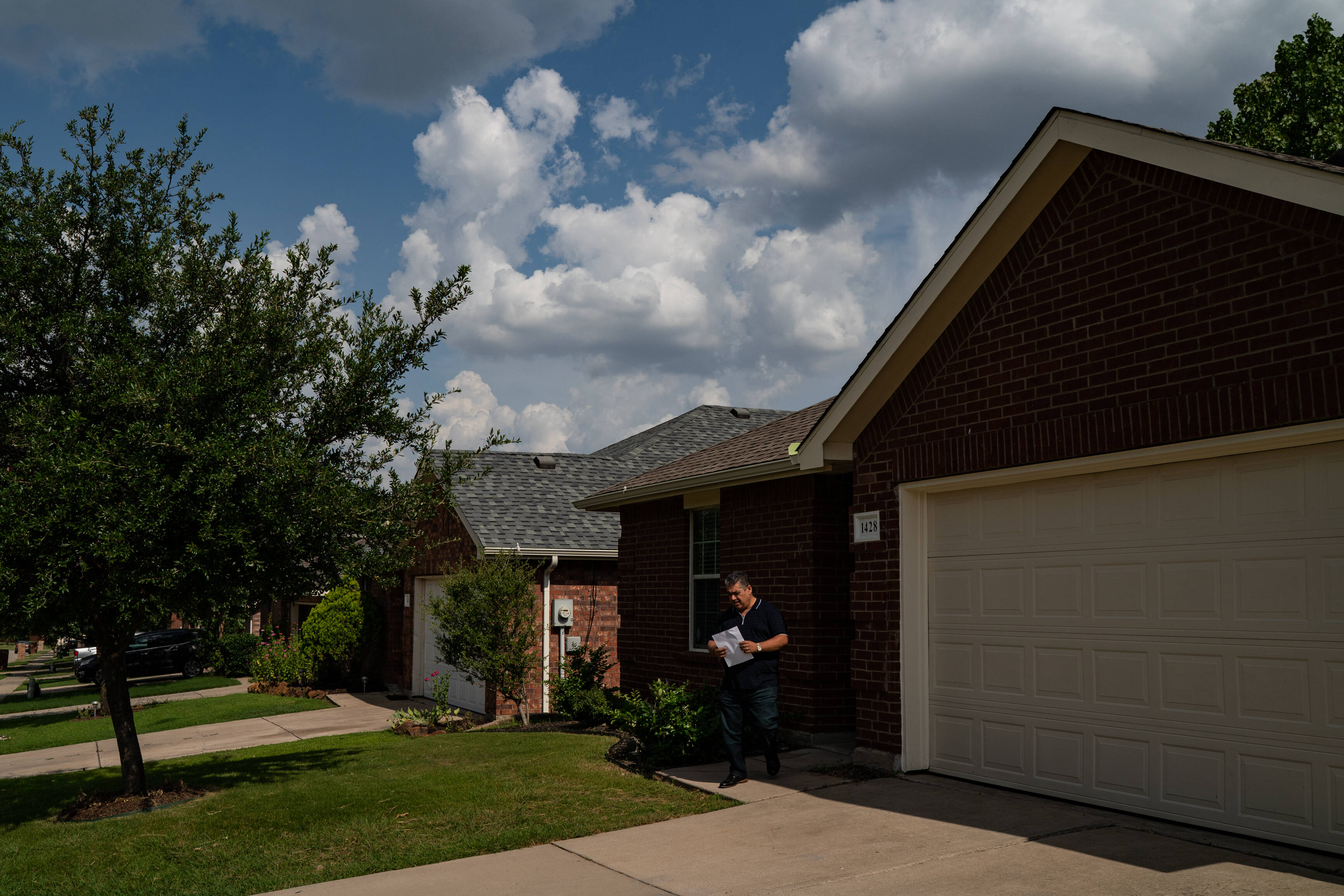 Omar al-Tememe, a real estate agent and community leader among the Iraqi Americans in Texas, shows a house. (Salwan Georges/The Washington Post) | That's an Iraqi refugee, Omar al-Tememe, whose 7-year-old daughter was killed in the violence in the Iraq War. He is among several post-9/11 refugees who talked to The Post's Abigail Hauslohner about their experiences assimilating in America. Their stories are especially alive as the United States scrambles to resettle thousands more Afghan refugees at the close of the war. Hauslohner writes of Tememe's first months: "He remembers the cockroaches in his first apartment, the crime in the neighborhood, and the helplessness — not knowing how to get a driver's license or open a bank account, or where to buy groceries. He struggled to understand the English around him, totally unlike the formal British grammar from his school days." One more thing before you go: How is Congress going to avoid a shutdown, a default and political peril for both parties this month? A lot is at stake for Democrats in September, in particular. In the video above, I outline what they need to get done and what could go wrong. (Let us count the ways.) More here. | 




 Email
Email