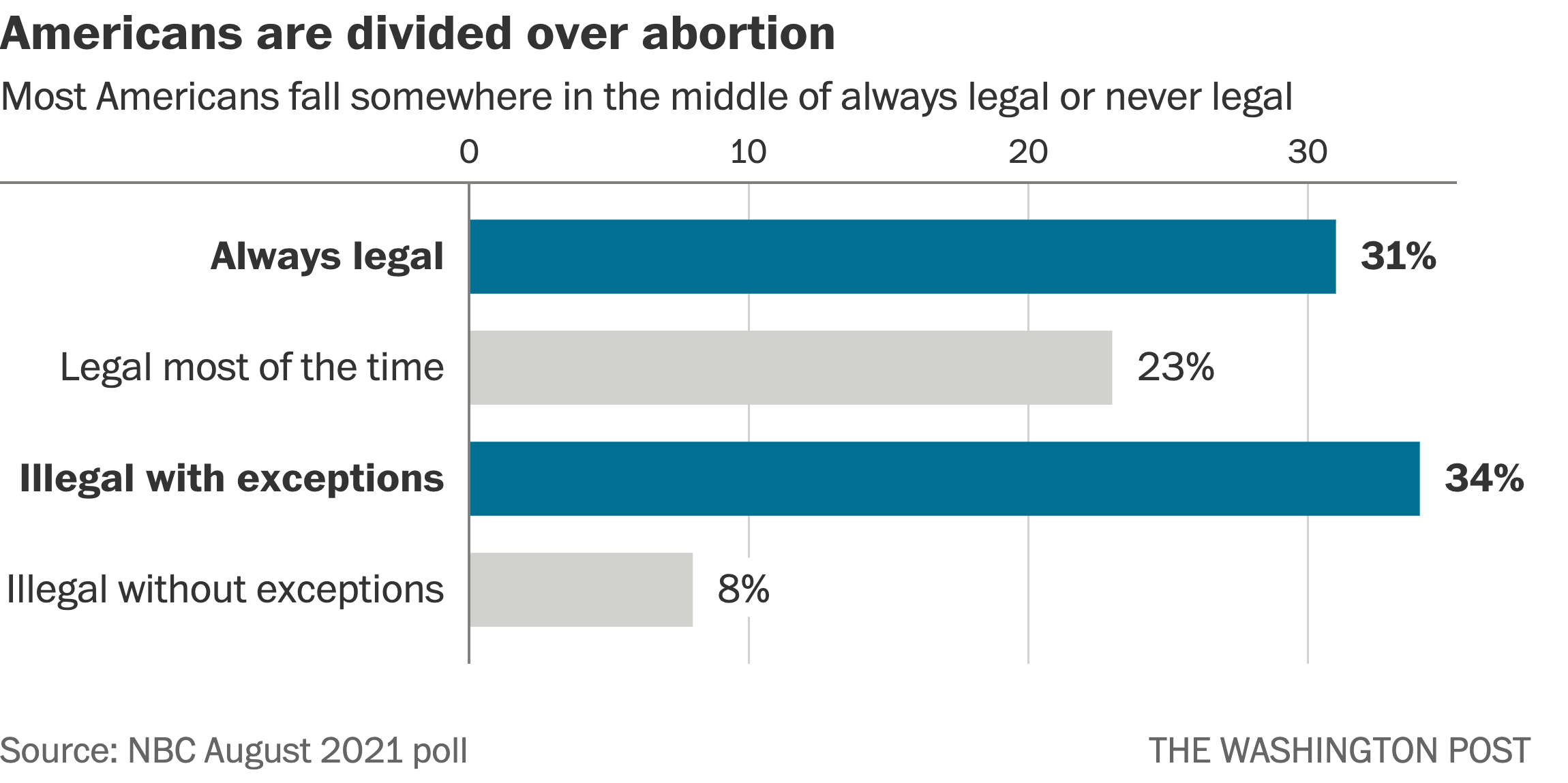
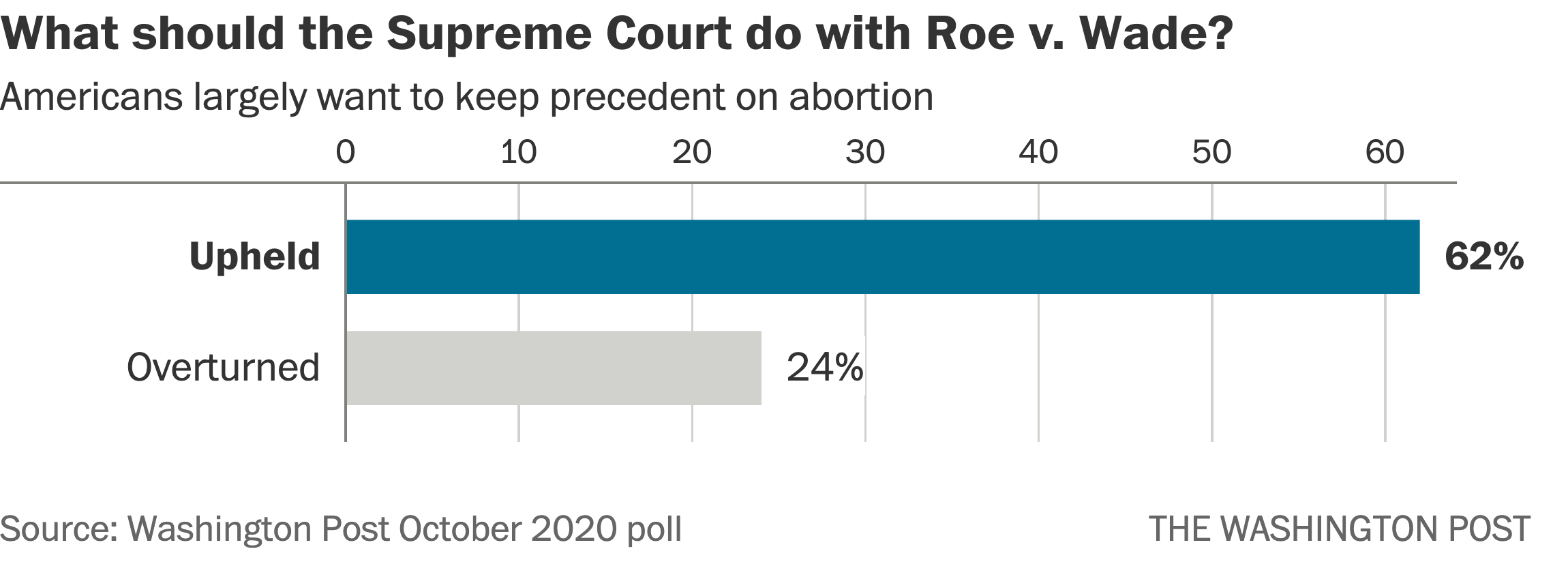
| After a scare for Democrats, California voters easily decided to keep their Democratic governor, Gavin Newsom, in a conservative-driven recall vote that ended Tuesday. That's not necessarily a surprise, because, California. But this election was nationalized, and that means there are a few things we can learn from it about the next political battles to come. Like: Democrats feel like they're the party fighting covid: And they think it's a winning political strategy to convey seriousness and put mask-and-vaccine mandates in place. A few months into the pandemic, I looked at public support for governors who implemented some of the most stringent measures, like lockdowns, versus governors who were more loose. The former had notably higher support than the latter. In his recall campaign as the Delta variant raged, Newsom emphasized how his lead Republican opponent opposed mandates. Early exit polls showed the pandemic was the top issue for California voters. If the pandemic wanes before the next election, Democrats hope they've positioned themselves to take credit for some of that.  People wait in line to vote Tuesday in Huntington Beach, Calif. (AP Photo/Jae C. Hong) | Donald Trump is still a helpful political tool for Democrats: How do you get Democratic voters to turn out in nonpresidential elections? In 2018, Democrats found the answer: Trump. Make races implicitly or explicitly about the polarizing Republican Party leader. They recaptured the House of Representatives for the first time in nearly a decade that way. Trump's not on the ballot anymore (not yet at least). But as Larry Elder, a Trump-supporting GOP candidate in California, rose, Newsom saw an opening to talk all about Trump again and the radicalization of the Republican Party. It worked. Democrats could still have a tough midterm election next year. But they're heartened that in upcoming Senate and governor's races, Republican candidates modeled after Trump are getting most of the attention and could get their party's nominations. How Democrats are criticizing Biden's Afghanistan withdrawal 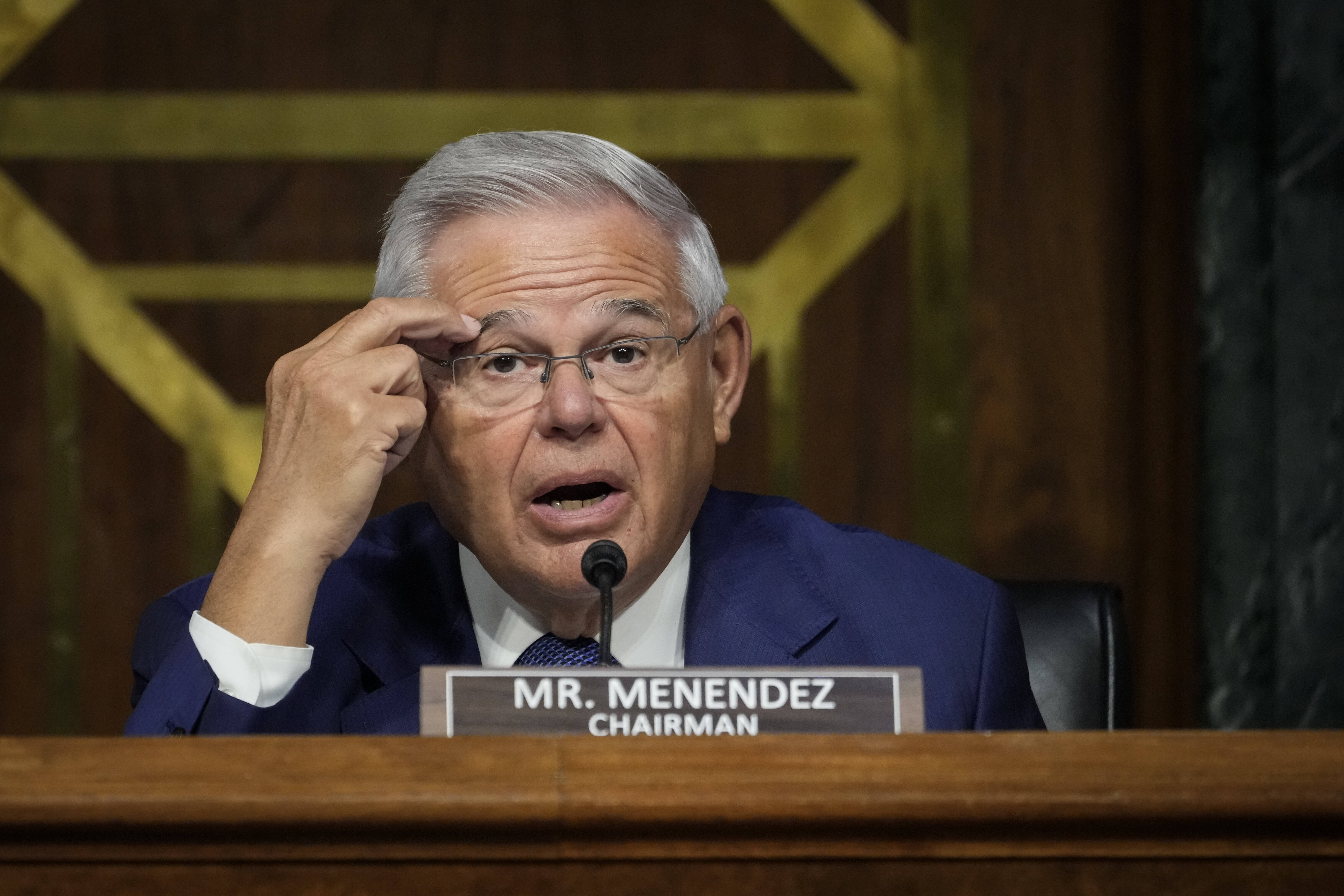 Committee chairman Sen. Robert Menendez (D-N.J.) questions Secretary of State Antony Blinken on Tuesday. (Drew Angerer/Getty Images) | It's not a great look for President Biden: Democrats in Congress are leading hearings asking what went wrong with how he left Afghanistan. Those hearings started this week, as the House and Senate questioned the nation's top diplomat, Secretary of State Antony Blinken, on Monday and Tuesday. While Democratic lawmakers largely support ending the war (as do most Americans), key members are critical of how the administration did it (like most Americans). In these partisan times, Democratic criticism of the president on any significant scale is notable, especially since Republicans hope to make Afghanistan a big story in upcoming elections. But as the withdrawal dings Biden's poll numbers, many Democrats are also careful to try casting blame on Republicans too. Some of the sharpest criticism from within Biden's own party sounded like this: The withdrawal was "clearly and fatally flawed" and "doing the right thing in the wrong way can be the wrong thing." — Robert Menendez (D-N.J.), the chairman of the Senate Foreign Relations Committee "If we just simply leave today, believing that if we had planned better … I think we're just inviting another Iraq, another Afghanistan in the future." — Sen. Chris Murphy (D-Conn.) Muted criticism sounded like this: Overall, more Democrats in the House and Senate spent their time insisting that Republicans are also to blame, whether through Trump's flawed peace deal with the Taliban or Republicans blocking special immigrant visas. "Let's stop with the hypocrisy about whose to blame," said Sen. Jeanne Shaheen (D-N.H.) " … We all deserve the blame." There will be more Democratic-led hearings in the weeks to come that Biden will have to navigate. How abortion polls in America Public opinion on abortion does not match the debate politicians are having about it: whether it should be totally legal or — in the case of Texas — nearly totally illegal with no exceptions for rape or incest. Most Americans fall somewhere in the middle, wanting restrictions on abortion but not too many. Most Americans know how they feel about a nearly 50-year-old Supreme Court precedent protecting a woman's right to have an abortion up to the point of fetal viability (typically around 25 or 26 weeks). They want to keep Roe v. Wade in place. Yet the Supreme Court has accepted an opportunity to potentially overturn Roe, in its decision to consider Mississippi's 15-week ban this term. | 




 Email
Email