| Thousands of Haitians are sleeping under a border bridge in South Texas as they try to illegally make a home in the United States, the latest example of a desperate group of people seeking haven in America. The fresh humanitarian crisis snagged Washington's attention this week as photos and video of Border Patrol agents on horses chasing down Haitian migrants were published. The nation's main immigration official called the images "horrific" and pledged to investigate.  A U.S. Border Patrol agent on horseback tries to stop a Haitian migrant from entering an encampment on the banks of the Rio Grande on Sunday. (Paul Ratje/AFP via Getty Images) | Now, top congressional Democrats are demanding President Biden stop using a contentious enforcement measure to rapidly send these migrants back home. Why and how has this become such an issue at the border? I spent some time talking to immigration analysts today. Here's what I found. They're coming from South America. Many of the Haitians at the border now — most estimates say more than 10,000 — were actually migrants from a different earthquake, a horrific one in 2010. They settled in South America, but for a host of reasons, many have tried to come to the United States. "When you look at what's driving this migration, it is a combination of deteriorating economic, social and sometimes security situations in the countries these Haitians have been living in," said Jessica Bolter with the nonpartisan Migration Policy Institute. "As well as the perception that under the Biden administration, it might be easier to get into the U.S." 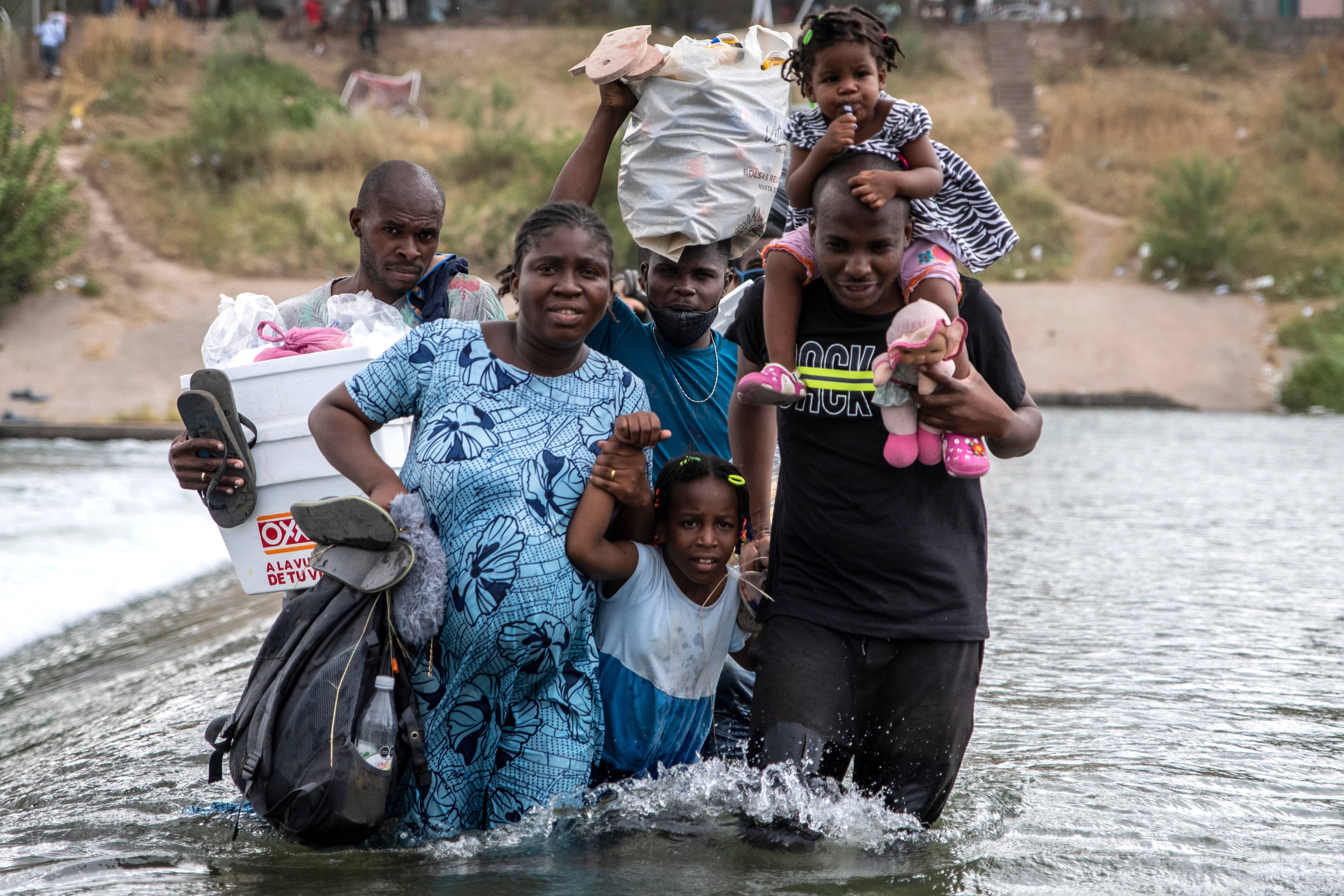 A family of migrants cross the Rio Grande in Ciudad Acuna, Mexico on Saturday. (Sergio Flores for The Washington Post) | The government is sending migrants out as quickly as they can. The administration could soon be flying home as many as 1,000 Haitians a day, although some haven't lived in Haiti for years. The Biden administration hopes that is a deterrent for others who might try to come. But the limits of deterrents are directly correlated to the desperation of people, said Theresa Brown, of the Bipartisan Policy Institute. The Biden administration acknowledges that things in Haiti are very, very bad. This summer, the Biden administration granted temporary protected status to thousands of undocumented Haitians in the United States, citing "extraordinary and temporary conditions" in Haiti, such as: "a deteriorating political crisis, violence, and staggering human rights abuses." In 2010, the government took similar action after the earthquake in Haiti. Perhaps that fed the false perception among Haitian migrants that they could seek a home in the United States. This is one of the last things Biden needed politically. The border has been his political weak spot since he took office. But even as Biden continues a much debated Trump-era policy to ship people home as quickly as he can, still, migrants come. People from all over the world — driven by political instability, corruption, climate change — are coming to the U.S.-Mexico border in increasing numbers. And there's not a lot the Biden administration can do about it. What Biden said at the U.N. 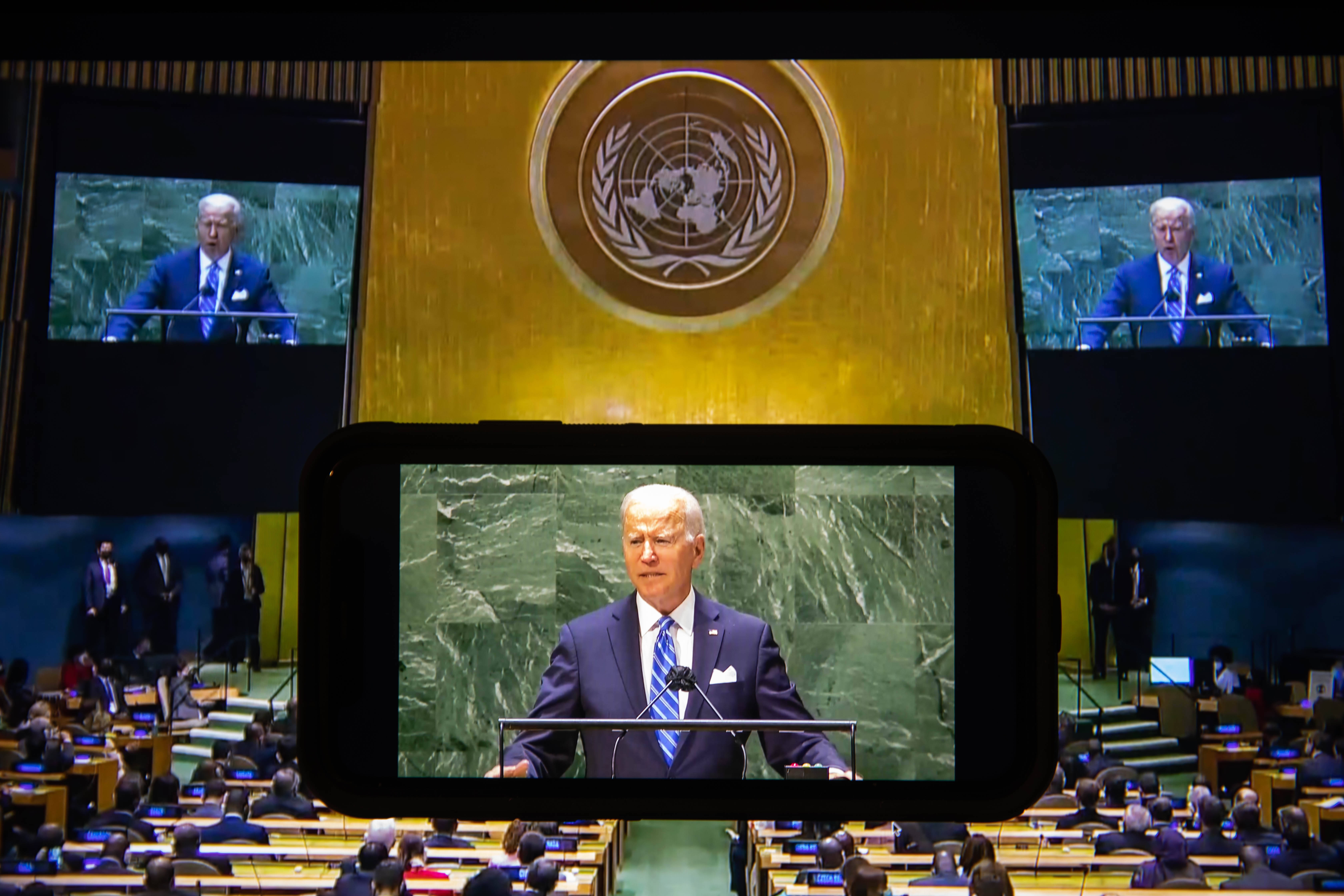 President Biden speaks during the United Nations General Assembly via live stream in New York on Tuesday. (Michael Nagle/Bloomberg) | Today was Biden's first address to the United Nations as president. He tried to strike a conciliatory tone for the rest of the world, urging global cooperation on, he said, "ending this pandemic, addressing the climate crisis, managing shifts in global power dynamics, shaping the role of the world on vital issues like trade, cyber and emerging technologies and facing the threat of terrorism as it stands today." But Biden faces a critical global audience, writes The Post's Anne Gearan: "The fence-mending follows several setbacks for Biden as he tries to rebuild trust among allies after four years of President Donald Trump. European allies have grown increasingly skeptical about Biden's message that 'America is back' in light of an Afghanistan withdrawal that left NATO nations feeling sidelined and as he advances a China agenda many find needlessly confrontational." The "trash" of the Internet, exposed 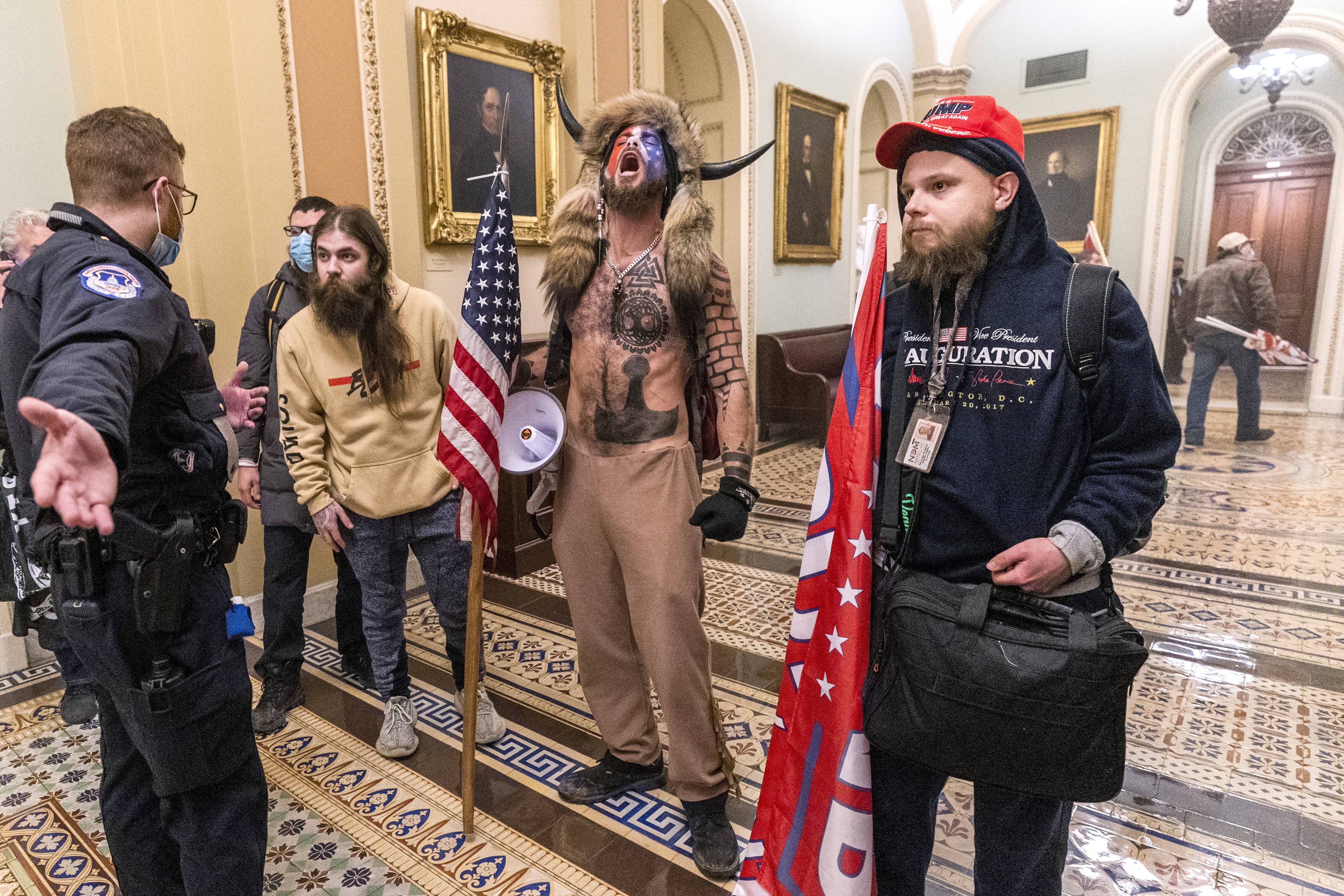 A huge hack of information from the Internet company Epik, which hosted far-right sites, could shed light on the Jan. 6 attack. (Manuel Balce Ceneta/AP) | "The worst trash the Internet has to offer" is how hackers from the group Anonymous described their huge hack of Internet company Epik that has hosted a who's who of right-wing sites no one else on the Internet will. The hack happened last week, making public private information that was loosely guarded, if at all, by Epik. The Post reports today that it could reveal who's behind groups such as the Proud Boys, a far-right group with a history of violence, whether there are any right-wing extremists hiding in regular or even high-profile jobs, and shed more light about how the Jan. 6 attack on the U.S. Capitol happened, right as prosecutors start trying to jail some of the worst offenders. The hack is so big, we'll be learning information from it for months to come. | 




 Email
Email 


