| Here's one fight about covid that both Democrats and Republicans seem almost happy to have with each other: Whether the government can require employers to mandate vaccine shots. Here are the contours of the political battle and where it could be politically beneficial to both sides. "Have at it." That's President Biden to Republican governors who are threatening to sue over a mandate he announced last week requiring most American workers to get vaccinated or face regular testing. He's bolstered by the fact that the administration appears to be on pretty solid legal ground to do it. And an employer vaccine mandate and testing options are more popular in polling than one might think, writes The Fix's Aaron Blake. And as vaccine mandates go, it's weak: there's an option to get tested instead, and exemptions for religion or disabilities. 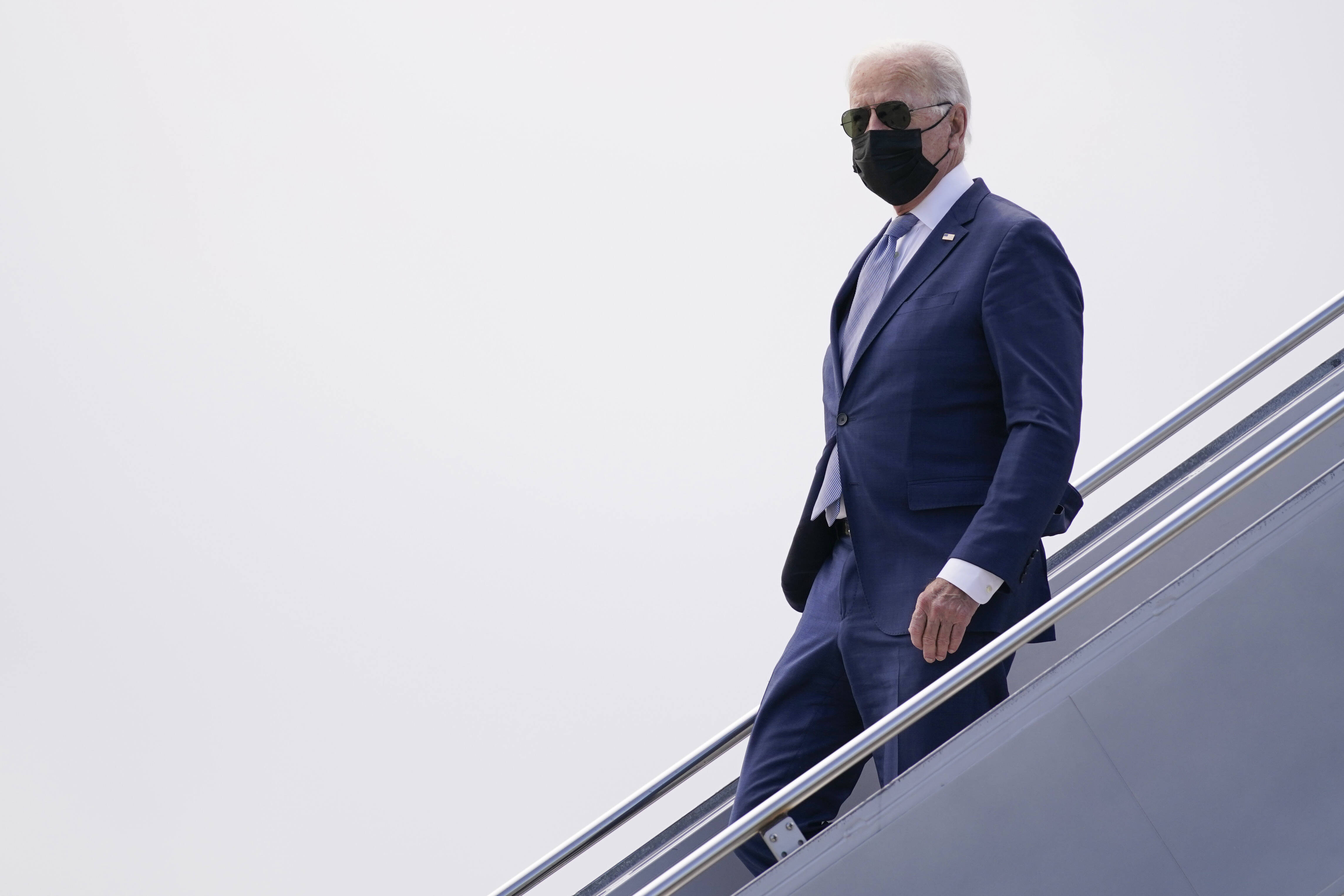 President Biden is welcoming a fight with Republicans on vaccine mandates. (AP Photo/Evan Vucci) | Why Biden is welcoming this political fight: Biden wants to open the economy and keep schools open, and generally portray that the virus is under control before his party finds itself defending its congressional majorities in midterms next year. It's good politics for Biden to follow the science and fight for more Americans to get vaccinated. "Outrageous." "Overreaching." "A power grab." Those are Republican governors blasting the mandate. Their argument against it falls into two camps: - That this is an overreach.
- That it's the wrong way to convince Americans get vaccinated, because it's too much of a top-down approach.
Why Republicans are welcoming this fight: Even though they themselves want their constituents to get vaccinated for the coronavirus, and many states already mandate other vaccines, opposing this one fits right in line with the GOP's 2022 midterm arguments that Democrats are too eager for government to invade every aspect of American life. A Trump adviser acknowledges how unprepared the White House was for the pandemic 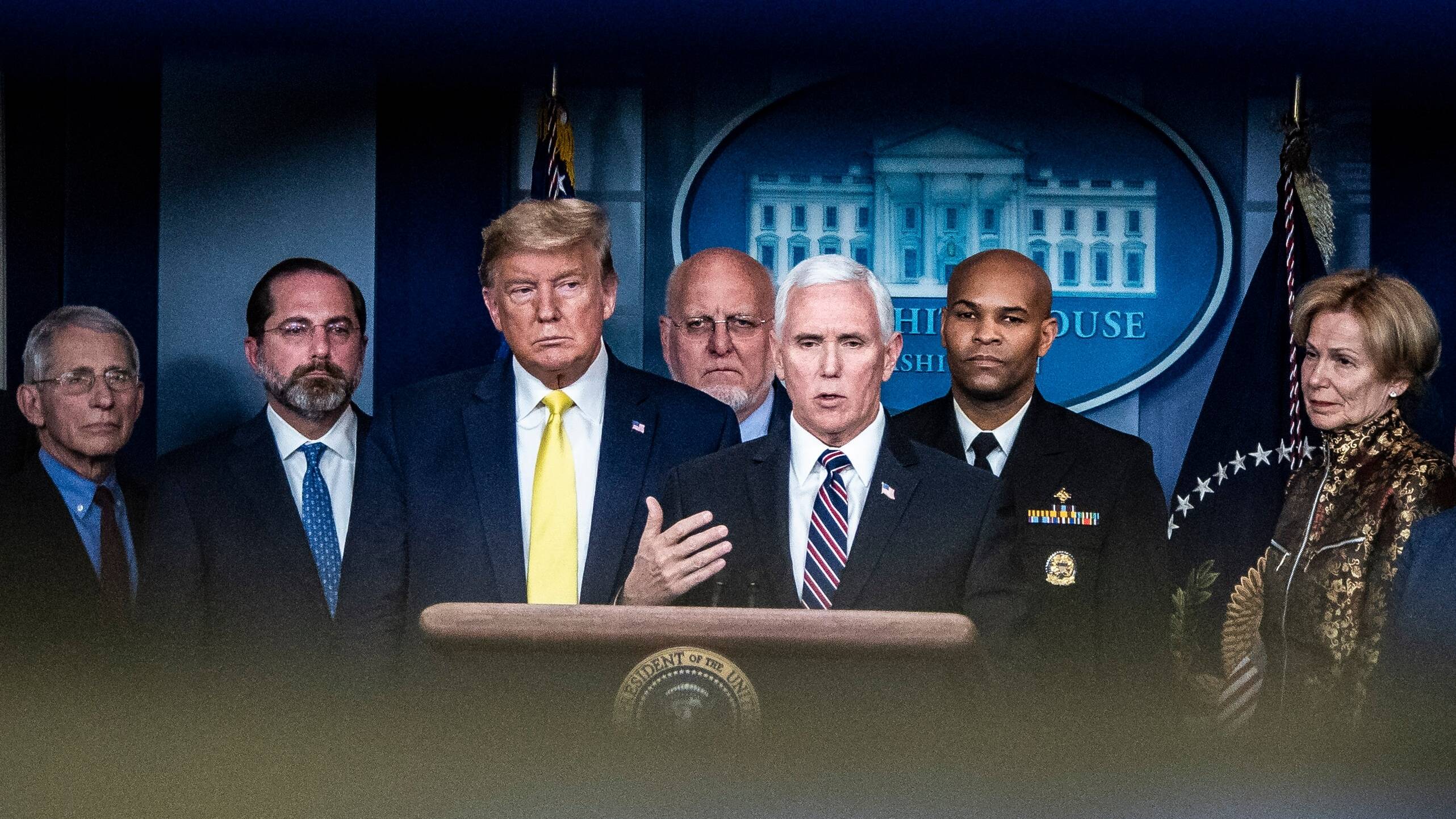 Former president Donald Trump with members of the coronavirus task force in March 2020. (Jabin Botsford/The Washington Post) | It's the end of February 2020. Coronavirus was already spreading in America, and two weeks later, much of the nation would shut down. President Donald Trump would publicly assure Americans this was under control. But privately, his White House was being warned by his own advisers that this was anything but: "In truth we do not have a clue how many are infected in the USA. We are expecting the first wave to spread in the U.S. within the next 7 days," wrote Trump adviser Steven Hatfill to Peter Navarro, the president's trade director. The Post's Dan Diamond has the story. Add it to the list of examples of the Trump White House being warned about the pandemic's severity. "This is deadly stuff," Trump told reporter Bob Woodward in February 2020, even as he publicly compared it to the flu. And a key military adviser worried Trump could start a war with China 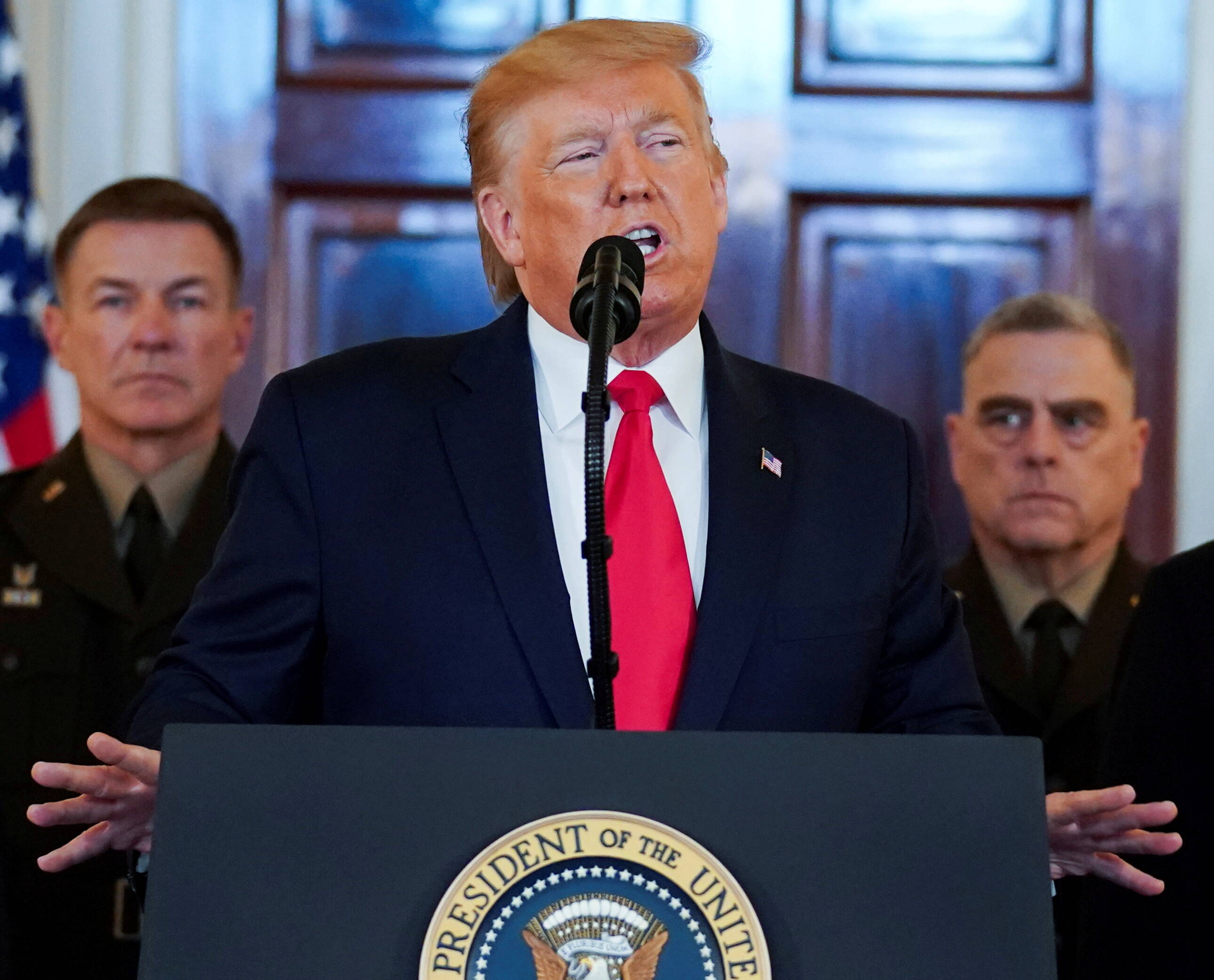 Joint Chiefs of Staff Army General Gen. Mark A. Milley, right, listen to Trump in January 2020. (REUTERS/Kevin Lamarque) | Add Gen. Mark Milley to another list, this one of high-profile members of the Trump administration and Republican Party who were seriously worried about democratic instability during the transition of government between November and January. The Joint Chiefs chairman agreed in a call with House Speaker Nancy Pelosi (D-Calif.) in January that Trump is "crazy," and he secretly assured China that Trump wouldn't attack them. That's according to a new book, "Peril," by Woodward and national political reporter Robert Costa. We also know that Trump's defense secretary, Mark Esper, worried he would be fired in the final days of the campaign and "what Trump might try to do with the military if he were not at the helm," write The Post's Carol Leonnig and Philip Rucker in their book "I Alone Can Fix it." Both officials were worried that Trump might try to take control of the military and use it to somehow keep himself in power, reports the Wall Street Journal's Michael Bender in his book, "Frankly, We Did Win This Election." It's almost a year after the 2020 election, and we're still learning about just how close the country came to a not-peaceful transfer of power behind closed doors. | 




 Email
Email 


