| We are days away from the third government shutdown in as many years. To which you are justified in asking: What is up with Washington? Whether it's under Republican control or Democratic control, why can't lawmakers get their act together and do their most basic jobs, like funding the government? 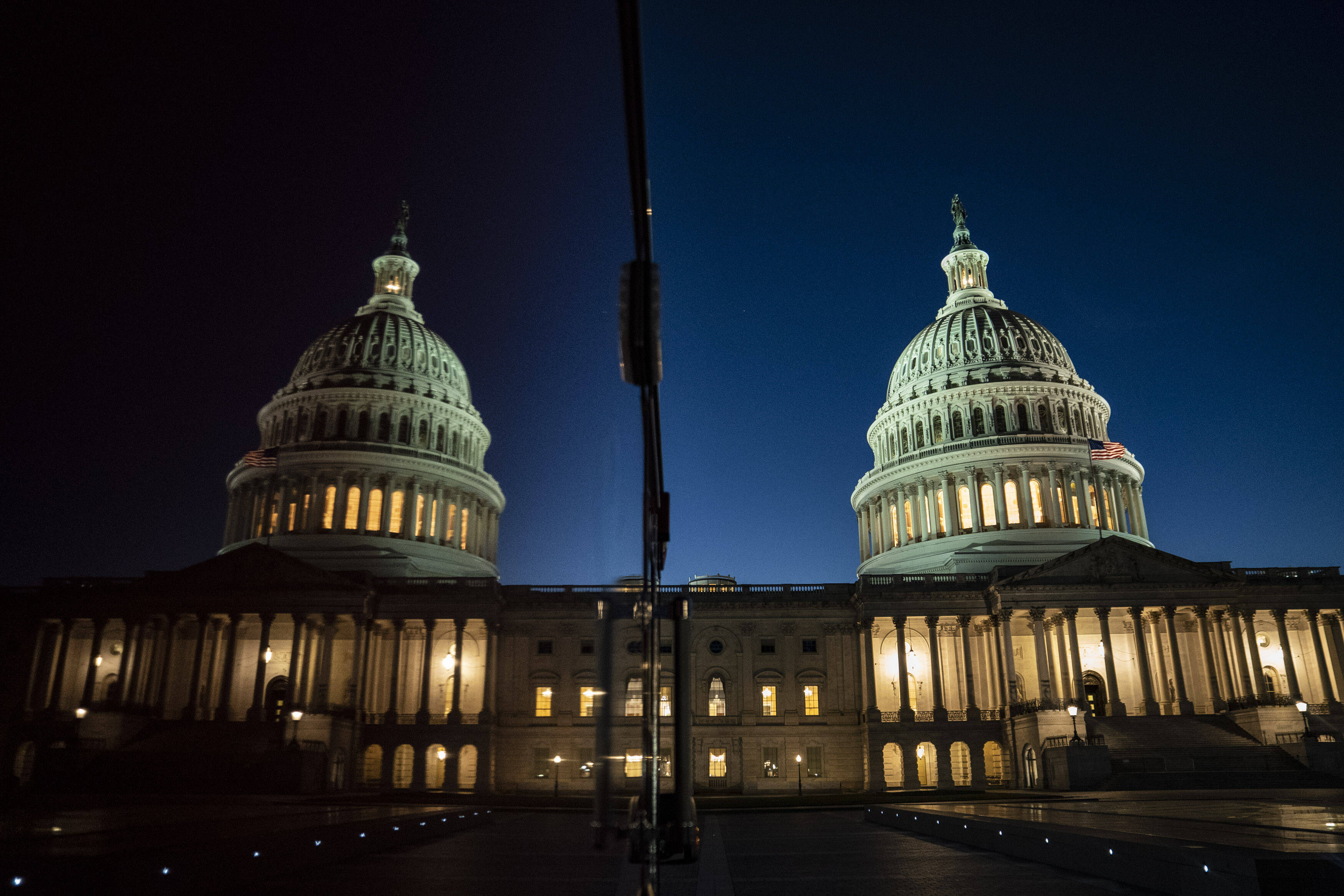 On Monday, Senate Republicans blocked a bill to fund the government and raise the debt ceiling. (Jabin Botsford/The Washington Post) | The details of each shutdown are as unique as the politicians at the center of them. But there are overriding dynamics that contribute to the current congressional climate of brinkmanship. Like: Gerrymandering. Redistricting is happening across the U.S. right now, with Republicans controlling the ability to draw congressional boundaries in many of the battleground states that will determine which party controls the House of Representatives for years to come. Gerrymandering happens when lawmakers draw these congressional districts to benefit their party. If you're a lawmaker drawn into a safe red or safe blue district, you have less motivation to compromise and more motivation to stick it to the other side. Budget reconciliation bills. Created in 1974, the budget reconciliation process was originally intended for advancing high-priority tax, spending and debt limit legislation. But lately, both parties have been trying to dump the kitchen sink into reconciliation bills, which require just 51 votes to pass. It allows senators to avoid the filibuster, another dysfunctional feature of Washington. The filibuster was supposed to ensure that the majority party listens to the minority party but is now largely viewed as a hindrance to passing major legislation since Democrats and Republicans agree on less and less. Close majorities. As we mentioned, Democrats are trying to do almost all of their big policymaking without Republican votes. (Republicans tried the same when they were last in control of all of Washington.) Mathematically, that means the party leaders have fewer votes to work with, since they're only working with half the Congress. Right now in the House, Democrats can only afford three defections on legislation that Republicans won't vote for. In the Senate, that's zero. That has given outsized influence to centrist Democratic senators such as Joe Manchin (W.Va.) and Kyrsten Sinema (Ariz.) as well as liberal House lawmakers such as Rep. Alexandria Ocasio-Cortez (N.Y.). The more polarized Congress is, the more likely it is to have these close majorities on either side that allow legislating to be held up by a handful of lawmakers. 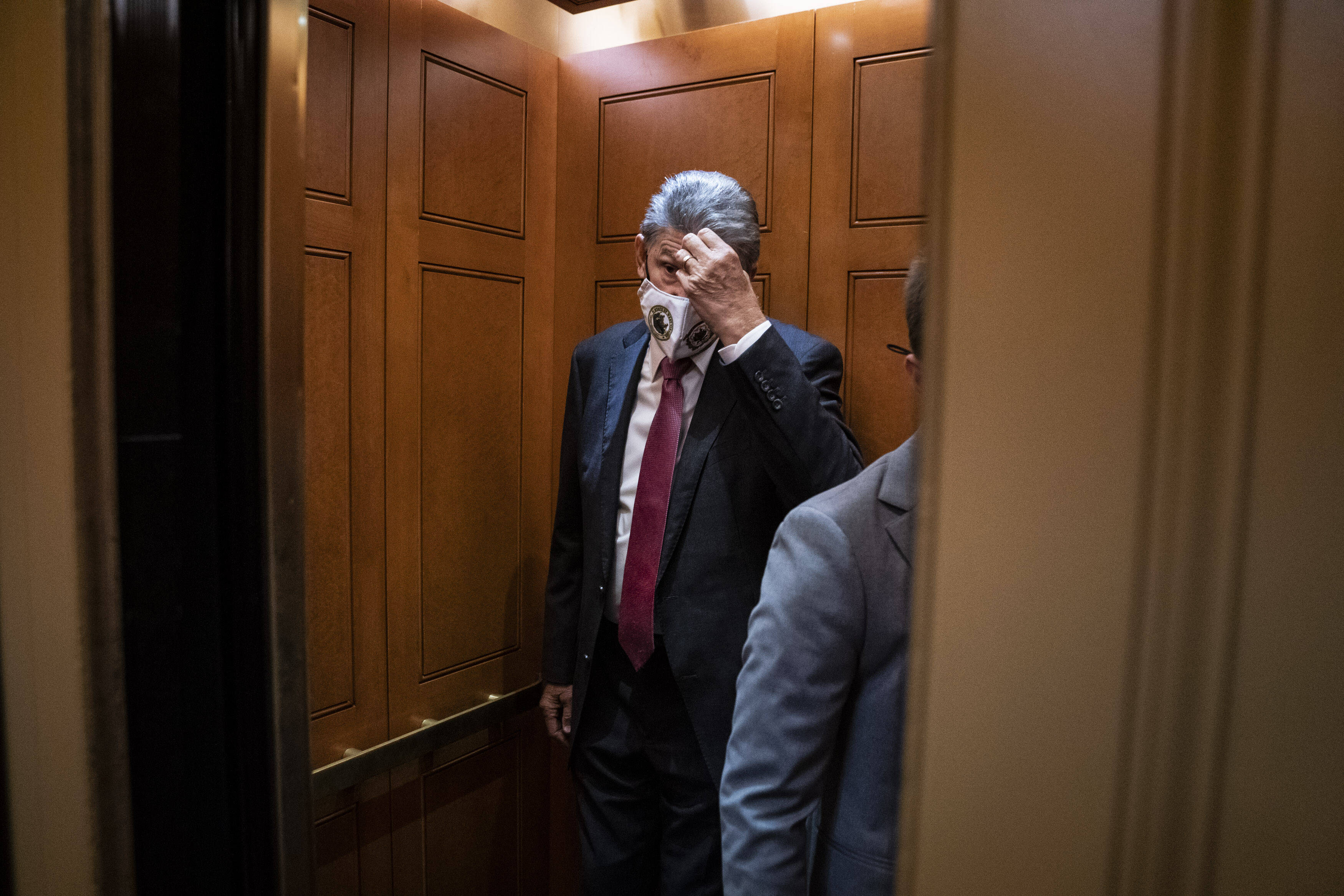 Sen. Joe Manchin III (D-W.Va.) has a lot of say in Democrats' economic agenda. (Jabin Botsford/The Washington Post) | Earmarks. These are goodies lawmakers can pack into legislation specifically for their districts — money for a local stretch of highway, or for a high school to be rebuilt. But they're essentially defunct after some lawmakers used the process corruptly. And without earmarks, legislators have less leverage to get their skeptical colleagues on board on a bill. A broken or near-broken Congress is a relatively new phenomenon Its decline has come over the past 10 years, starting around the time of hyperpolarization with President Barack Obama's election, according to research from The Post's senior congressional correspondent, Paul Kane. "The incentive structure keeps going in the wrong direction," he told me in an interview today, "and it takes moments of super crisis for people to come together and do something like they did last year in battling coronavirus, and that's a debilitating way to run your government. … The incentive structure is to blow something up rather than get to bipartisanship." How a U.S. military leader assuaged concerns about Trump 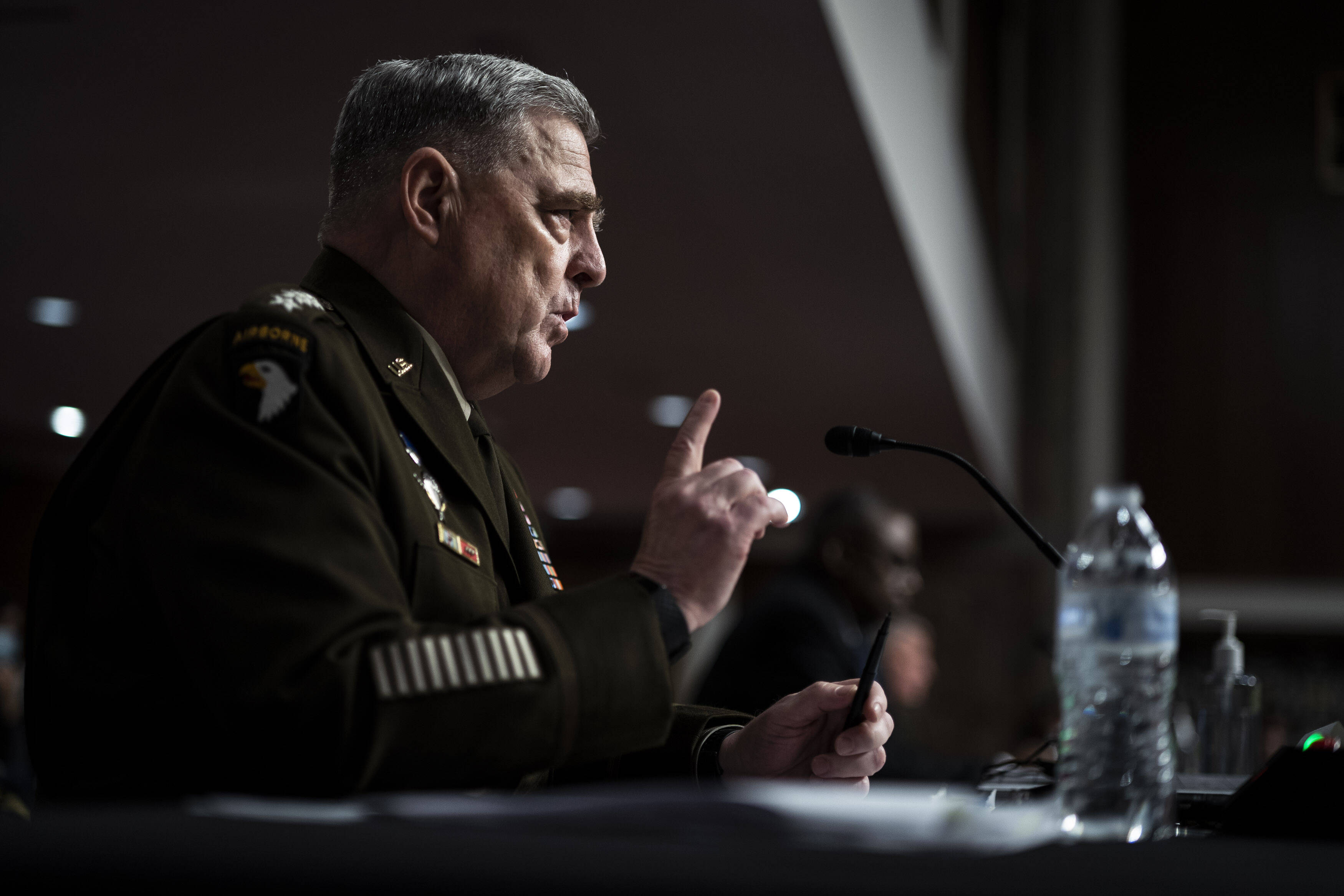 Gen. Mark A. Milley, chairman of the Joint Chiefs of Staff, testifies Tuesday. (Jabin Botsford/The Washington Post) | In President Donald Trump's final months in office, one of his top generals twice called China — which was worried about an increasingly belligerent U.S. leader — and assured them that the U.S. wouldn't attack them. After the Jan. 6 insurrection, General Gen. Mark A. Milley spoke on the phone with House Speaker Nancy Pelosi (D-Calif.) and assured her that Trump wouldn't launch a nuclear war, while agreeing with her that Trump is "crazy," according to reporting from a new book, "Peril," by Washington Post reporters. In Tuesday's Senate hearing about Afghanistan, Milley defended himself from Republican accusations that he was undermining the office of the presidency in having those calls. (He's still President Biden's top general, and Biden said he has confidence in Milley.) More interesting to me is that as Milley defended his actions, he lifted the curtain on how military leaders navigated that tumultuous time for American democracy. Like: On China: "I am certain that President Trump did not intend to attack China," he said. " … My message [to the Chinese] was consistent: Stay calm, steady and de-escalate. We are not going to attack you." On his call with Pelosi: "I sought to assure her that nuclear launch is governed by a very specific and deliberate process. She was concerned and made various personal references characterizing the president. I explained to her that the president is the sole nuclear launch authority and he doesn't launch them alone and that I am not qualified to determine the mental health of the president of the United States." | 




 Email
Email 


