Jaida Grey Eagle On Being A Native Photographer In Minneapolis

 Jaida Grey Eagle On Being A Native Photographer In Minneapolis
Your lens to the internet's most powerful photographs.
 📸For Your 👀 Only: 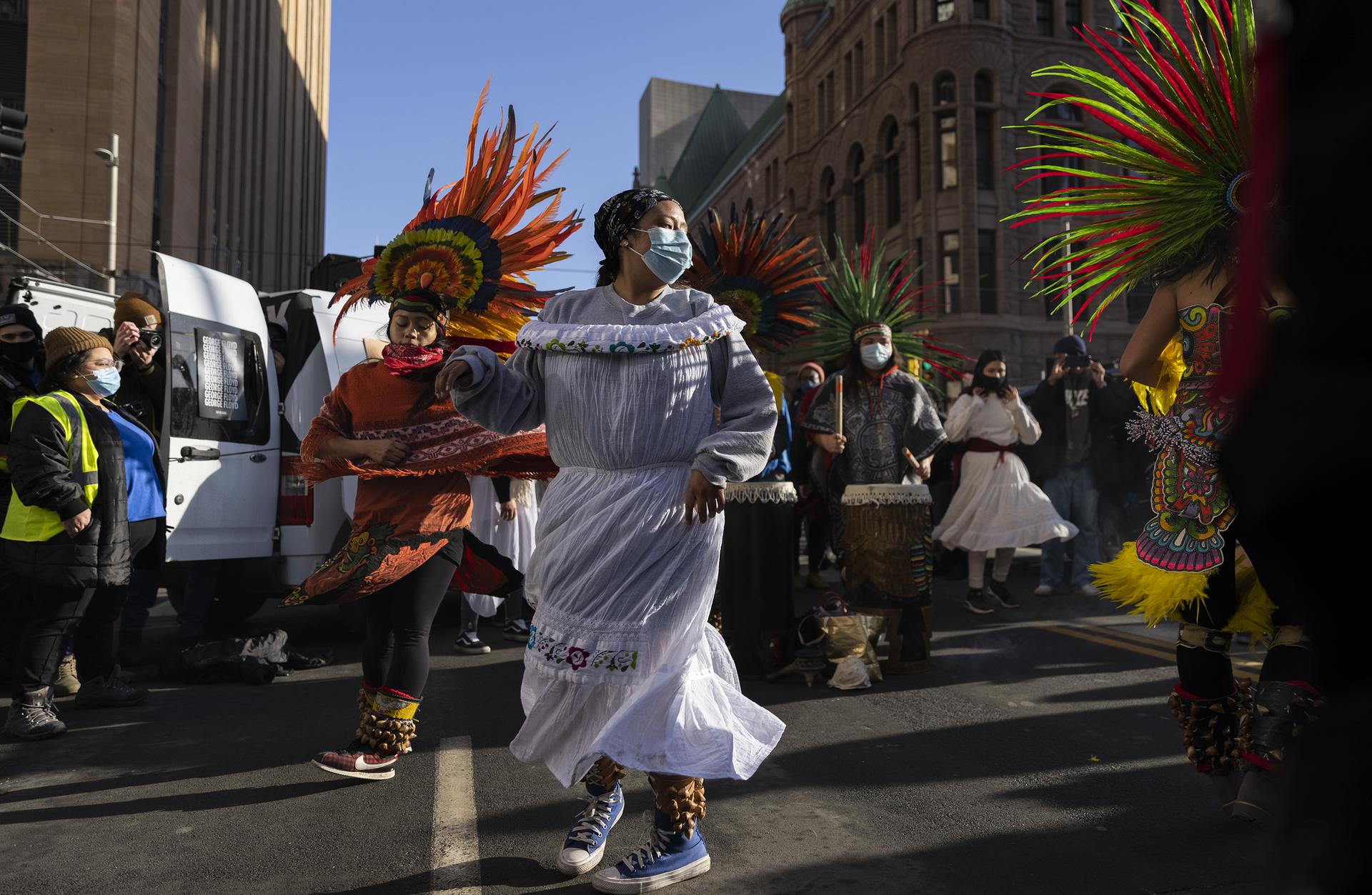 Jaida Grey Eagle Jaida Grey Eagle is a photographer at the Sahan Journal, a digital newsroom focusing on immigrants and communities of color in Minneapolis, Minnesota. Originally from the Pine Ridge Indian Reservation in South Dakota, Grey Eagle and her family moved to Minnesota when she was a young child.
As a photographer, Grey Eagle explores the connection between people, the land they inhabit, and between cultures in her work. I love her work because it's newsy and on topic, but it also has a fresh perspective that I never realized I was missing from news photography before. On Indigenous People's Day, we're looking back at some of our coverage of Native photographers and issues. We're also looking forward to how photographers are thinking of the future, and we were excited to talk to Grey Eagle about her work.
She currently has an exhibit up at Photoville in Brooklyn, and she's looking ahead to curating a museum show of Indigenous photography, which will open in 2023, at the Minneapolis Institute of Art.
What has the last year been like in Minneapolis?
It's been really intense, and really fulfilling. No matter what, I would have been in these situations in some capacity, I would have been photographing these events. But it feels good to be working for a publication whose work I really believe in. There's so much happening all the time, and to be able to cover it visually is really intense and a really huge honor and privilege.
Later on last year, we heard about the killing of Daunte Wright. There were so many rallies and so much going on, and photographing what was happening, staying late at night, that's when the police would start announcing things like everyone needs to go home, journalists will be arrested. Most people don't usually get to do all that in their first year of being a photojournalist. It felt very natural, and it didn't feel rushed. It felt right.
I'm in my second year of working for the Sahan Journal as a fellow with Report for America. As part of Report for America, you can choose your top three newsrooms. My top choice was the Sahan Journal. I'm from here and I know what it's like to be here, and I know what it's like to be a person of color here. It was also one of the only beats available that was covering human stories, and that's incredibly fascinating to me. 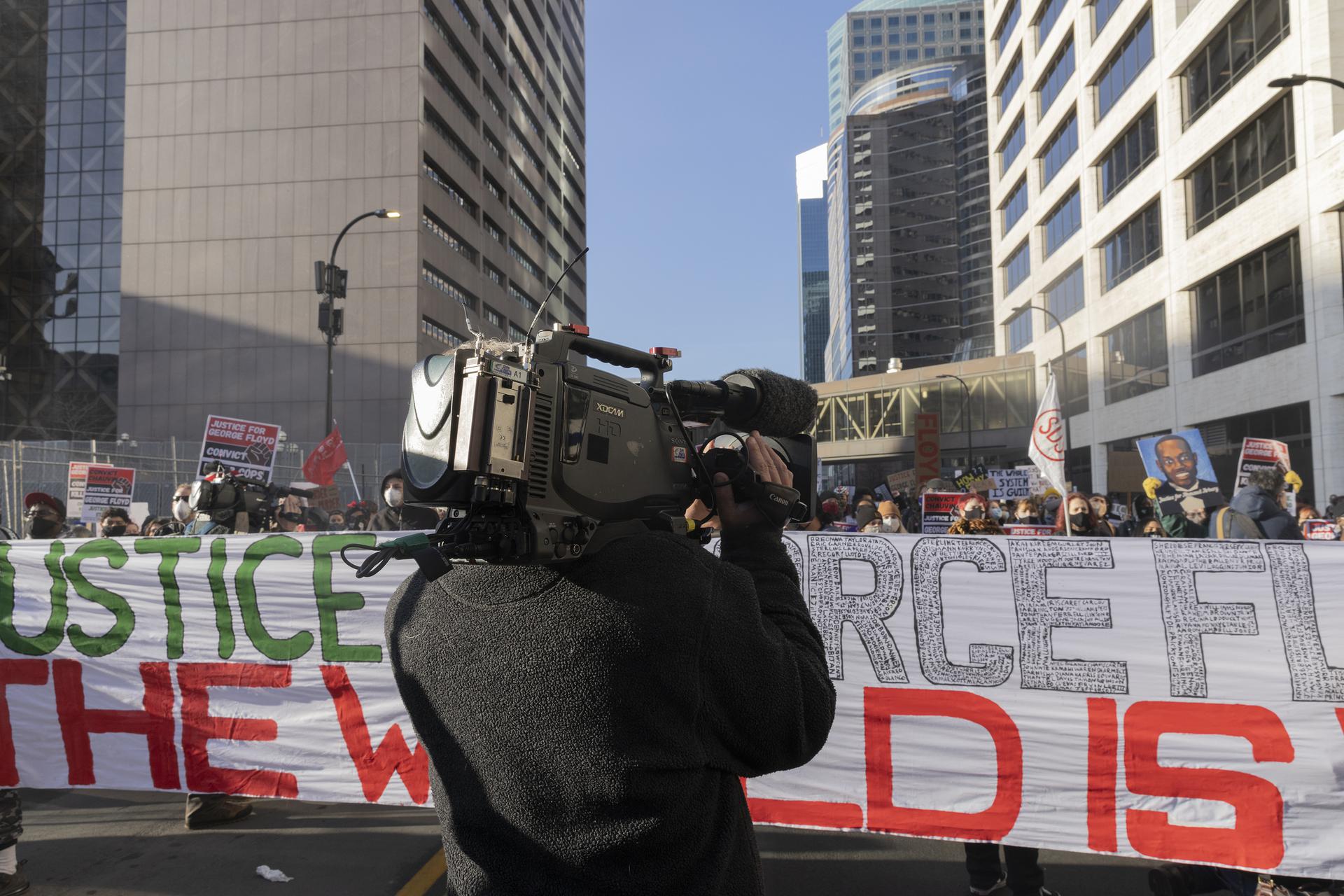 Jaida Grey Eagle How did it feel to be a Native woman covering the murder of George Floyd and the protests after?
It was conflicting. There was a discussion of photography that I have never heard being talked about so widely. It was bringing up a bunch of conflict like, should I be in this space, should I be here in these places, should I be covering this in this way? And then I realized there were so many white guy photographers being parachuted in, and I asked myself, why them and not me? I'm an Indigenous woman, I'm from here, this is my home. If they are adding their voices to this, where is mine and how does it fit in? It was a conversation I had with myself a lot during that time, why do I deserve to be here, and it informed my work.
What do you feel like that point of view is?
I often bring it back to where we are, and whose homelands we're on. I always think about this, this transition of who is on this land currently. The way that I approach and the way that I think about things is very rooted in place, very rooted in who I am. I know that as a photojournalist we're technically not allowed to have our own voice in things, but I always push against that because it does matter who you are, and how you were raised and what your upbringing was. How I see the world matters, and how I was raised as an Oglala Lakota woman informs how I see the world, and that is important.
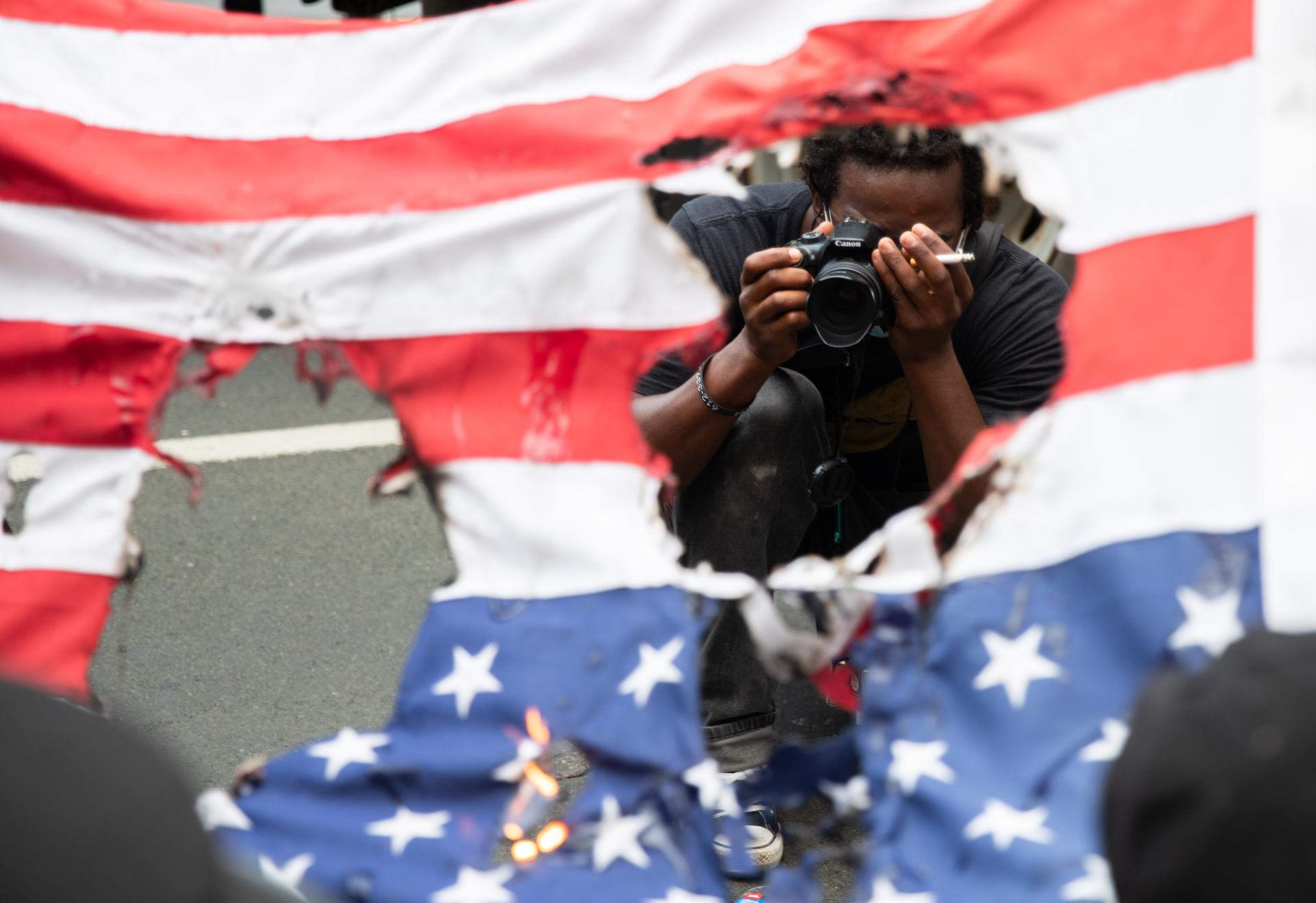 Jaida Grey Eagle Do you want to or have you covered Indigenous issues in your work? I covered the Line 3 resistance that was going on for the Intercept, and I worked on a story written by David Truer for the New York Times Magazine. I've worked on quite a few Indigenous stories locally, like the MPR Indigenous Changemakers series alongside their photojournalists Christina Nguyen and Evan Frost. In our first year of coverage at Sahan, we realized that while we're covering refugee and immigrant communities, we're also covering communities of color as a whole, and we're going to start having more Indigenous stories as well. I think it will be pretty exciting.
How does your fine art work relate to your photojournalism work? I don't really see a disconnection between the two. Often when I am working, I am thinking about the training that I've received, and the work I did at school, and how it applies to photojournalism or how I interpret it. I often try to simplify that, and so I turn to cyanotyping. I use a digital art negative of my photography, and I add visual elements to that, like wildflowers or copper patinas. It's called copper leafing, or gold leafing. I was raised in beadwork, and so I'm starting to beadwork my photography as well. I'm looking forward to that. 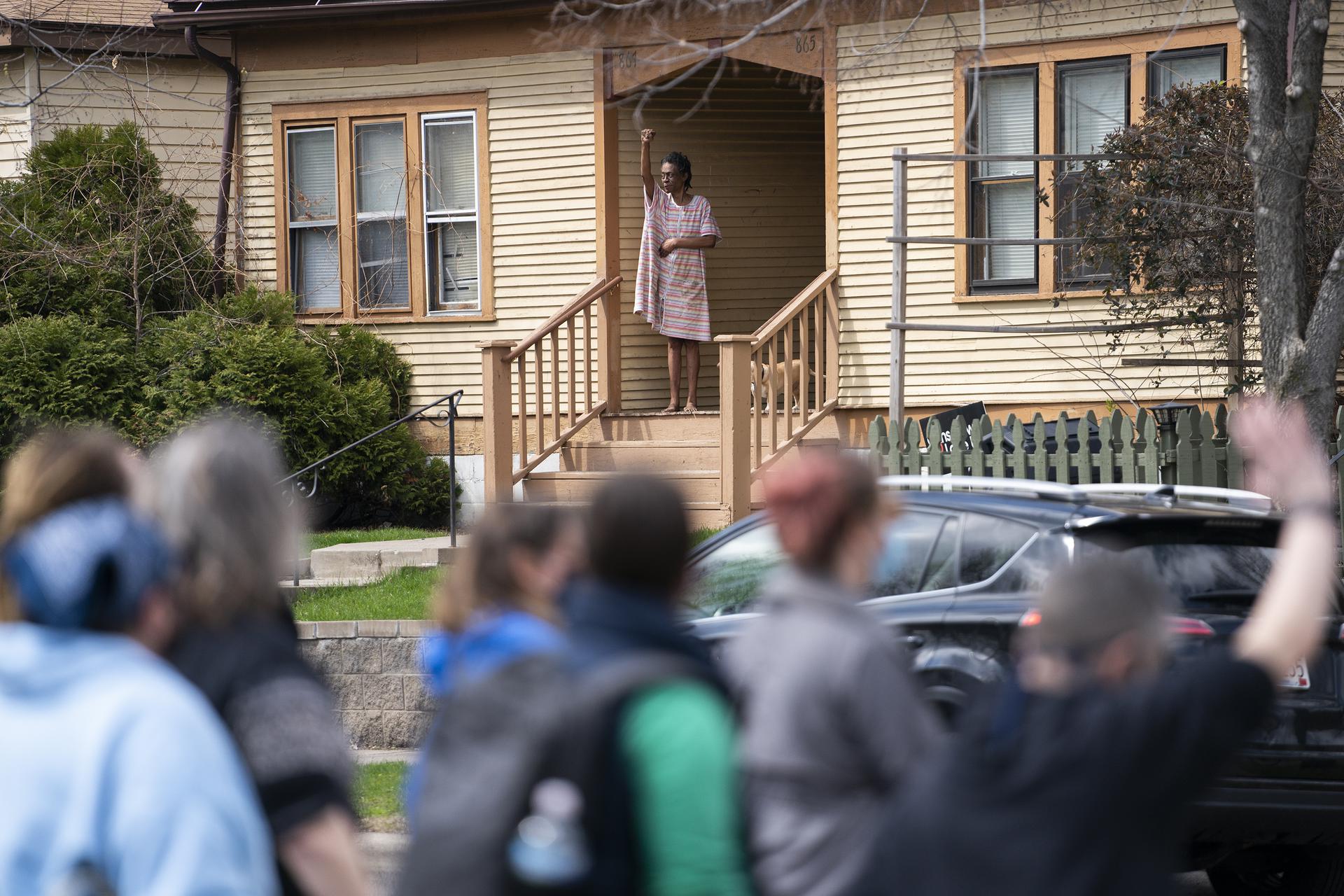 Jaida Grey Eagle  📸MORE FROM OUR DESK 📸 As always, here are some of the best photo stories from around the internet, and what we loved from our desk. 15 NATIVE PHOTOGRAPHERS YOU SHOULD KNOW 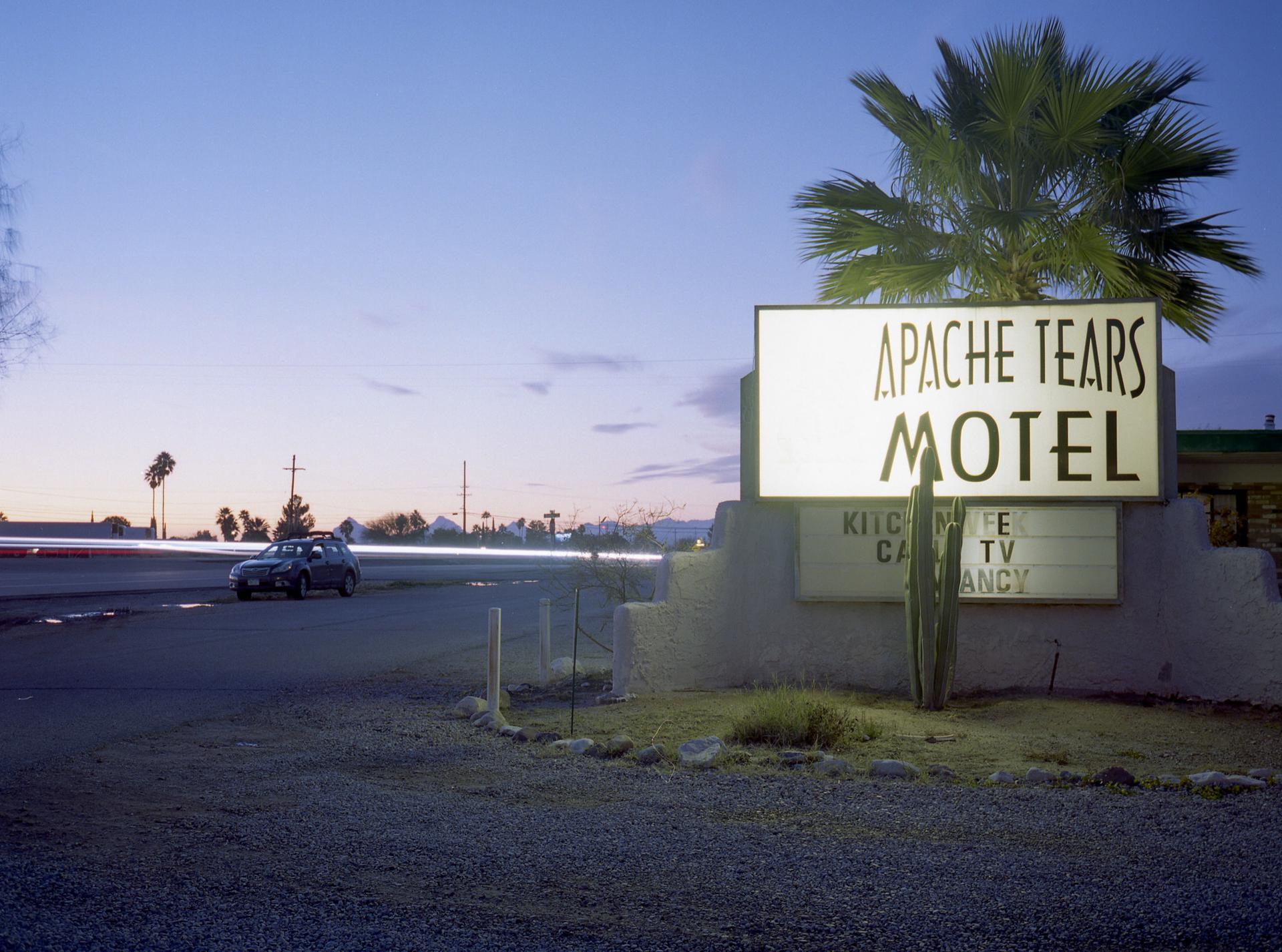 Kalen Goodluck
THE POIGNANT PHOTOS BEHIND FRIDAY NIGHT LIGHTS 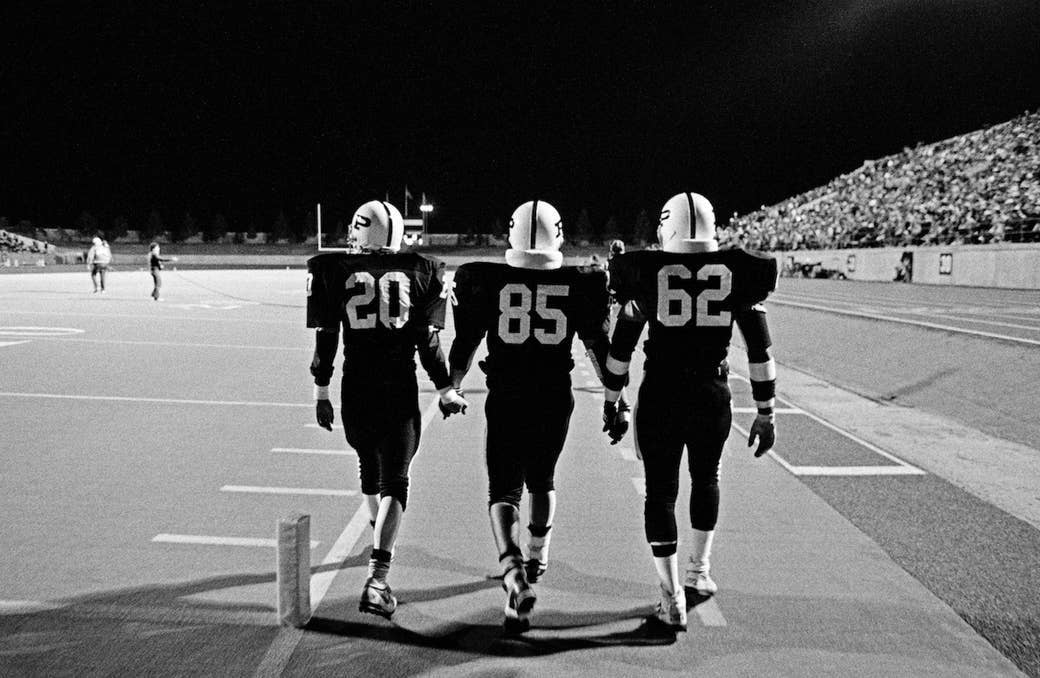 Robert Clark
PHOTOS OF THE OIL SPILL CLEANUP IN CALIFORNIA 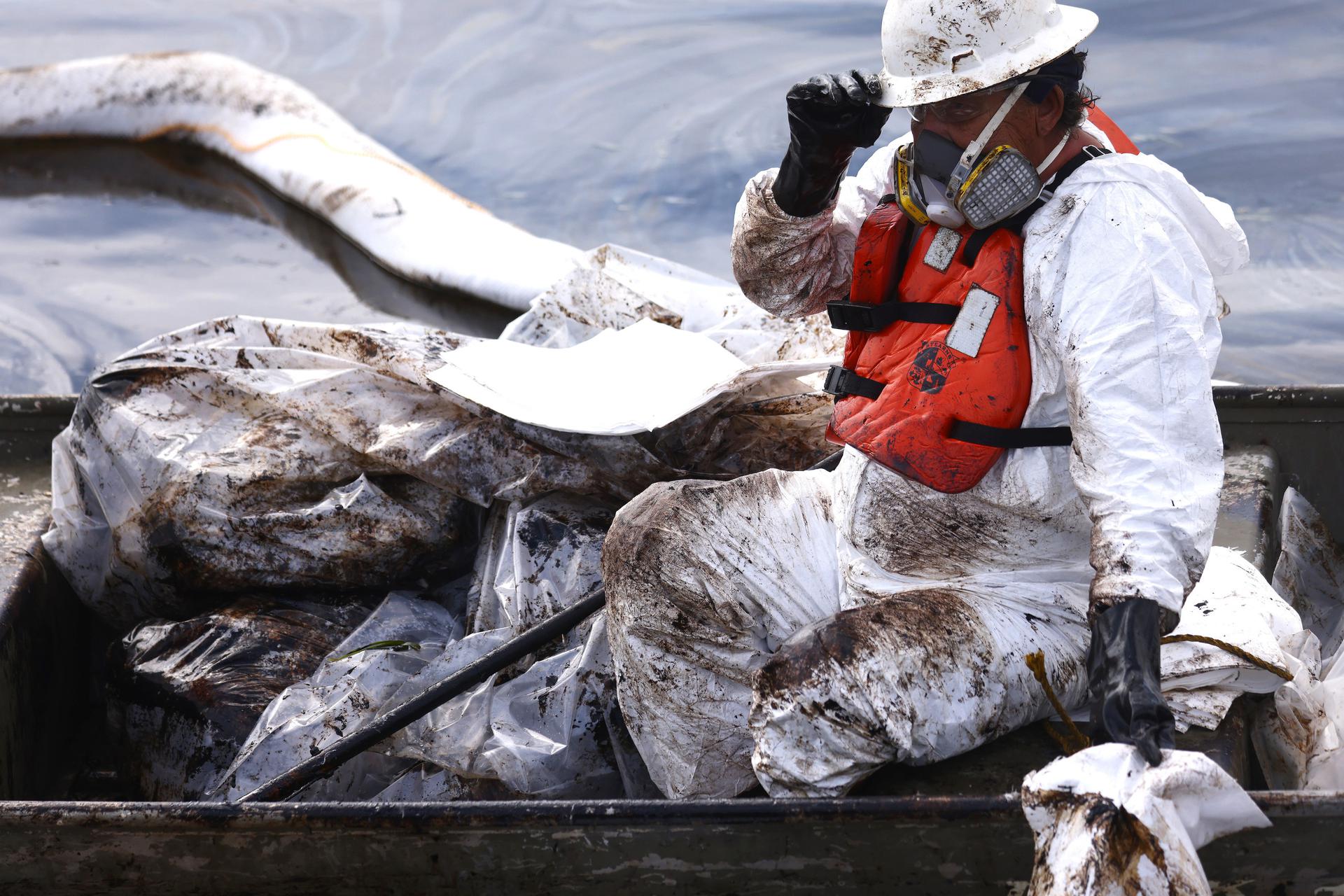 Mario Tama
5 THINGS WE LOVED THIS WEEK 1. This moving article on hometown newspapers
2. This interview on documentary photography in Afghanistan
3. Sex, Drugs and Roller Skates
4. We can't get enough of Dolly Parton
5. Learn to cook like an Italian grandma, or just drool over pasta
LAST LOOK 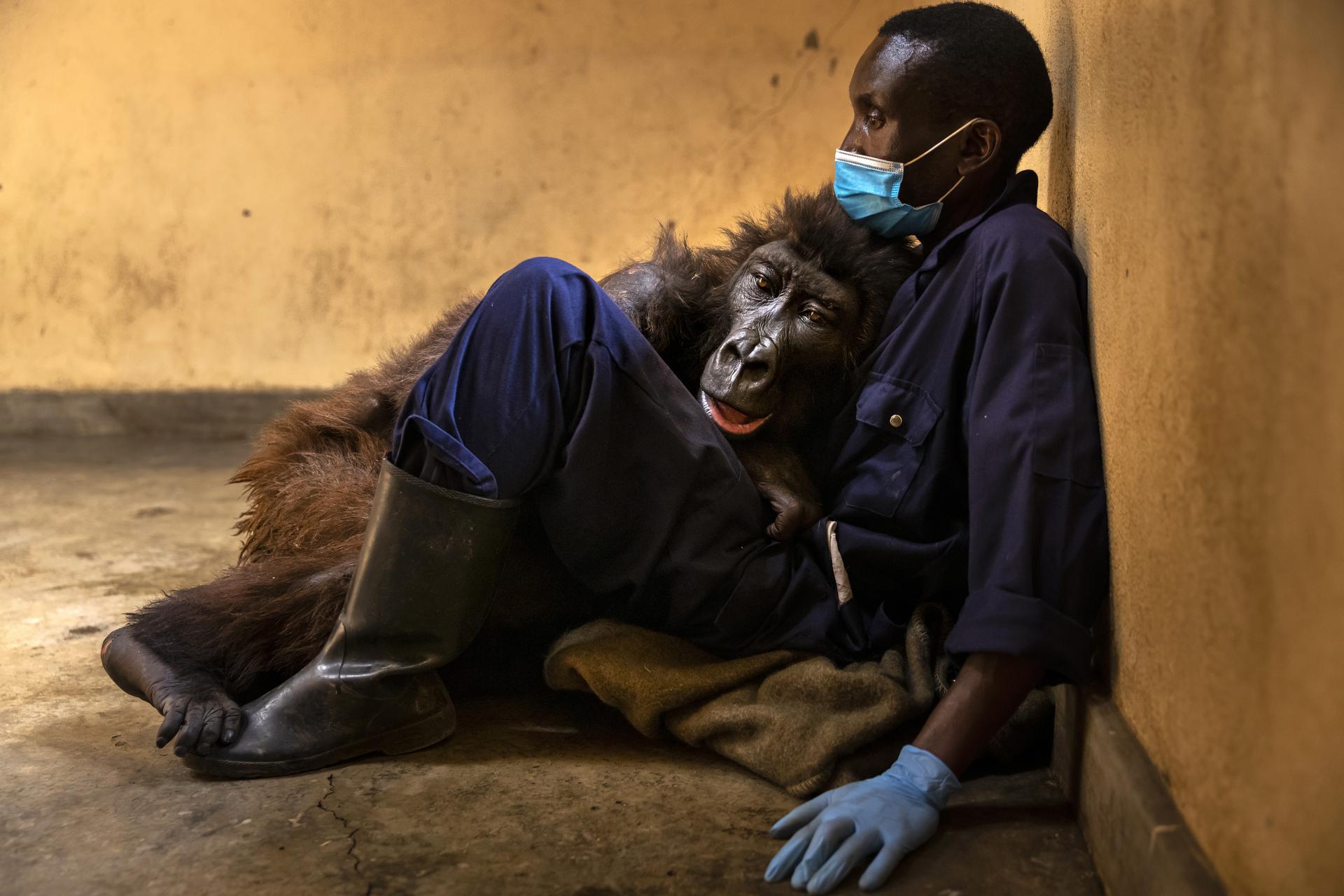 Brent Stirton / Getty Images This photo has been breaking our hearts all week. Orphaned mountain gorilla, Ndakasi, lies in the arms of her caregiver, Andre Bauma, on September 21, 2021 shortly before her death, which the park confirmed on September 26. "We are making photographs to understand what our lives mean to us." — Ralph Hattersley That's it for this week! Kate, Kirsten + Pia
📝 This letter was edited and brought to you by the News Photo team. Kate Bubacz is the photo director based in New York and loves dogs. Pia Peterson is a photo editor based in Brooklyn. You can always reach us here.
BuzzFeed, Inc. |


