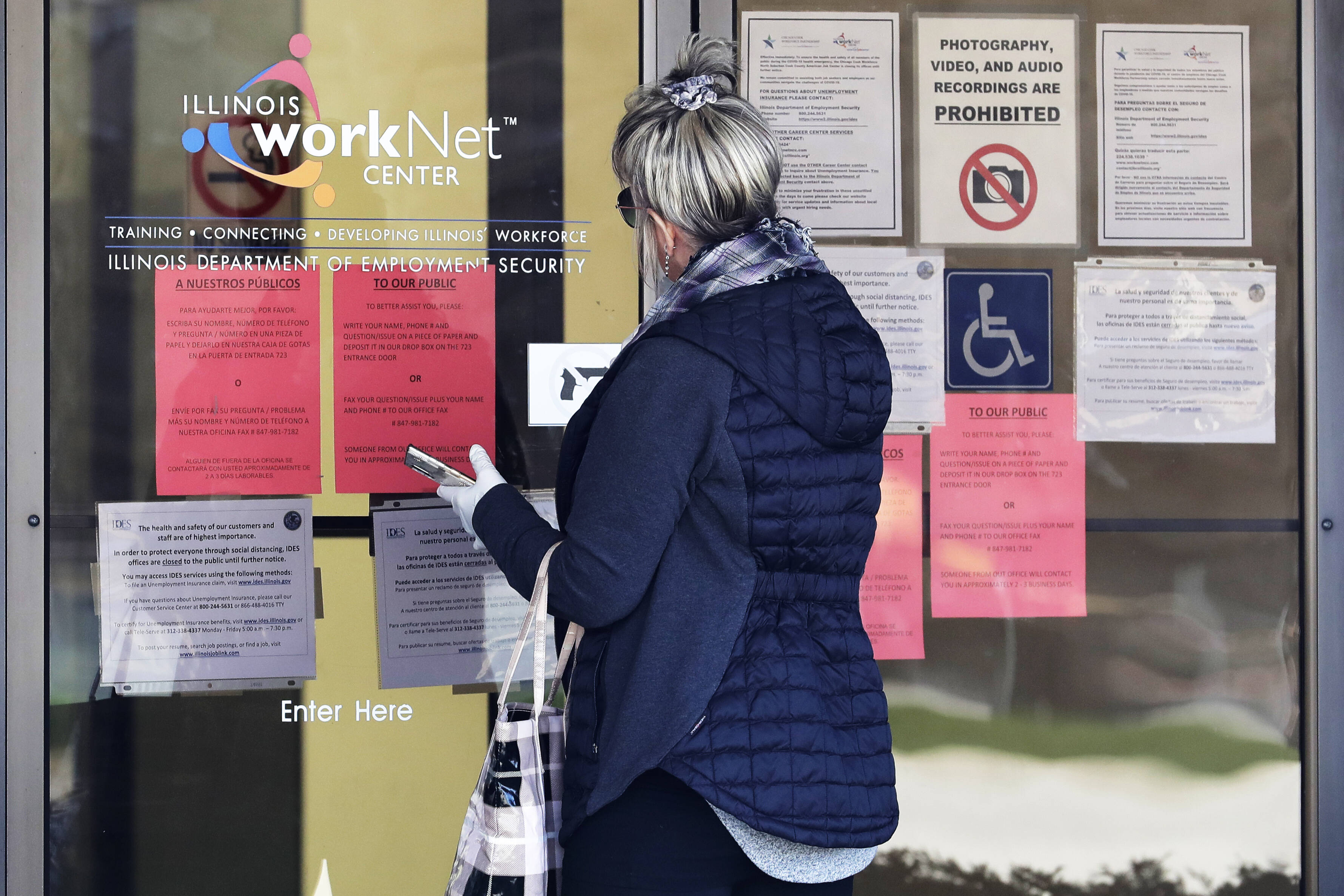
The pandemic made things even worse for working women over 40 Covid made things much harder for a lot of workers, but it has been financially devastating for many older women. One of the most defining and troubling aspects of the pandemic is how badly it has affected women. And now a new report from AARP finds that when you dig further into the numbers, the financial fallout from the pandemic has been more pronounced for mid-career and older workers. Since the beginning of 2020, a large percentage of female workers 40 to 65 lost their jobs (14 percent), saw their work hours reduced (13 percent), were furloughed (9 percent) or had their salary or hours cut (4 percent). Job losses for Black and Hispanic women were higher than for White and Asian women — 20 percent for Black women and 23 percent for Hispanic women, compared with 13 percent for White women and 14 percent for Asian women. While unemployment has dropped significantly since the beginning of the pandemic, nearly 70 percent of women over 40 who are still unemployed have been out of work for six months or more. With so many employers complaining they can't find workers, you may be wondering what gives. Well, lots of women are overqualified for the entry-level or low-paying service-related jobs being advertised. Or they find employers don't want to hire them because of their age. Nearly one-third of older women cite age discrimination as an impediment to finding a job. Linda Sussman is 65 and lives in Manhattan. She's a seasoned public health professional and is having trouble even getting an interview. Sussman took time off to raise her son, who's now 17, but she has more than 30 years of experience in the fields of family planning, human sexuality and women's reproductive health. Even before the pandemic, Sussman said, she was having trouble rejoining the workforce. Covid made her job search much worse. "People don't even return your calls or acknowledge receipt of your résumé," she said. "I have so many friends my age who were either laid off or furloughed because of covid. They have not gone back to work, not because they don't want to or need to — they can't. There's no work. It's not that there's no work, because we all know there's a worker shortage. They just don't want people our age." It comes down to this: There's a trifecta effect for older unemployed women. In looking for work, they are more likely to face age discrimination. Once they lose their jobs, they experience a longer period of unemployment. And if they do find work, they often have to take a pay cut. Caregiving issues have also exacerbated already tenuous job situations. Women were limited to certain shifts or couldn't work full time, because they were caring for a child or a grandchild. This finding makes the case to continue or expand flexible work. And of course, losing one's job affects one's ability to handle everyday expenses, and this leads to more debt. Nearly one-quarter of women who lost their income increased their credit card debt. Twenty percent had to borrow money from family, and 11 percent were forced to take money from a retirement savings account. Here's why this report matters, said Susan Weinstock, vice president of financial resilience programming at AARP. As the United States recovers from the pandemic, we've got to consider the disparate impact on older women. If their employment is severely disrupted and their income lower, this affects their retirement security. We already know that far too many people are forced to live on just Social Security. According to Gallup, 57 percent of retired U.S. adults say they rely on Social Security as a major income source. "That work or job is a key to your financial resilience," Weinstock said in an interview. "Having the ability to have a decent job that pays a good salary is going to give you the ability to be financially secure." The accumulation of debt to make ends meet will also push women further back financially. Pessimism about their ability to recover was profound. Many women whose financial situations got worse during the pandemic believe their financial recovery could take as long as five years, according to the AARP report. "That credit card debt is going to come back to haunt them for years with the high interest rates," Weinstock said. "Every year they are in debt or having trouble just compounds. Just like compound interest can be so helpful, it can work in the other direction, putting you in a worse-off situation." Even if they are employed or find a job, older women are worried about furloughs or layoffs in the next year. "Economic recovery should include additional help for caregivers and flexible work options, as well as continued efforts to eliminate age discrimination in both hiring and access to opportunities at work," the AARP report said. Well said, because this isn't just a women's issue. Reader Question of the Week If you have a personal finance or retirement question, send it to colorofmoney@washpost.com. In the subject line, put "Question of the Week." Please note that questions may be edited for clarity. Q: Earlier this year I filed my 2020 taxes. While doing them, I discovered that I made a mistake on my 2019 tax return. I filed an amended return. I have documentation from the U.S. Postal Service that the IRS received my filing in April. I still have not received my refund. I have twice managed to speak with a person. Both times, I was told that it was "in process." It has been six months! What is going on with the IRS? A: What's going on is that there are still issues related to the pandemic. The IRS, like so many other offices, shut down last year to prevent the spread of covid. Although the agency is back up and running, the backlog was tremendous, more so for amended returns because current year filings are prioritized. As of Oct. 2, the IRS said it had 6.8 million unprocessed individual returns. Read: The IRS is a hot mess: Millions of tax returns haven't been processed, and calls are going unanswered, including mine "We have processed all error free refund returns received prior to April 2021 and continue to work the returns that need to be manually reviewed due to errors," the agency said. There's also a backlog for amended returns. As of Oct. 2, the agency said it was still processing 2.8 million Form 1040-X, Amended Individual Tax Returns. "The current timeframe can be more than 20 weeks instead of up to 16," the IRS said. "Please don't file a second tax return or contact the IRS about the status of your amended return." I know this isn't what you want to hear, but the only thing you can do is wait. You can check the "Where's My Refund" portal on irs.gov for updates. This might help you realize that it's not just you: Nobody knows if beefing up the IRS will really pay off. We should do it anyway. In Retirement News Part of planning for retirement and then living on the money you've saved or invested is keeping up with the issues that you need to know. In this section, I feature blogs, news stories, new research, surveys and government policy changes that could affect your retirement. If you see a news story or issue you think would help folks, let me know, and I'll check it out and share it with newsletter subscribers. I was very interested in a recent report by Fidelity Investments, which found that a record number of women are now investing outside of their retirement plans, which represents a 50 percent increase from 2018, when the company last looked at this issue. Respondents were 21 or older, had an income of at least $50,000 and are contributing to a workplace retirement savings plan, such as a 401(k). Here's something else: Fidelity's analysis of more than 5 million customers over the last 10 years finds that, on average, women investors outperformed their male counterparts by 0.4 percent. "It's terrific to see women taking greater control of their finances and getting more invested to help achieve their financial goals," said Kathleen Murphy, president of Personal Investing at Fidelity Investments. "The last 18 months have been extremely challenging, and for many women, driven historical levels of stress surrounding their finances, job security, and long-term savings." This report helps change the viewpoint that men are better than women at investing. "This is noteworthy since women typically get the bad rap of being nervous and cautious investors, who probably would find investing in stocks uncomfortable," wrote Kerry Hannon for MarketWatch. "Women are also notorious for saying financial planning is boring, or they aren't good with numbers. Neither of which is true, but an excuse for not understanding investing terminology perhaps and being intimidated by the seemingly macho world of Wall Street." Hannon's column, You may have always known women are good with money — now research confirms it, is worth reading. Still, in a special report this year, Morningstar took a look at the challenges women face as investors, including a shortfall in their retirement readiness. It's important to note that "lower average incomes — rather than gender-related risk preferences — are the key driver behind their lower average allocations to stocks," writes Christine Benz, Morningstar's director of personal finance. "Women earn less, on average, than men. And not surprisingly, people with lower incomes contribute less and invest less in stocks than do higher-income people." Benz goes on to say, "After controlling for income, it appears that women contribute as much to their retirement accounts and invest just as much in stocks as men at the same income levels. That suggests that the key area of concern for women's financial health relates to income rather than any sort of risk aversion that's specific to women." Read: How Do Women Really Invest? Retirement Rants and Raves This is your space to rant or rave about anything related to retirement. Send your comments to colorofmoney@washpost.com. Please include your name, city and state. In the subject line, put "Retirement Rants and Raves." Responses may be edited for clarity. IRA, 401(k), 403(b) or TSP Millionaires Share Their Stories of Financial Success Over the last several weeks, I've asked readers to share stories of how they crossed the millionaire threshold in their IRA or workplace retirement account, including the federal government's Thrift Savings Plan (TSP). I'm collecting the stories for a future project. If you have already responded, I'll be in touch. If you haven't responded and would like to share your story, email me at colorofmoney@washpost.com. In the subject line, put "401(k), 403(b), IRA or TSP millionaire." I've been sharing some of the comments I've received. Here's what one millionaire shared: "I've been contributing to one company 401K since 1983. I made many mistakes along the way, but my balance is now almost $2 million, and I plan to retire in the next 6 months." Even so, here are some mistakes he listed: - "Focused on riskier funds (technology, small company, etc.) for years, chasing returns and almost always missing." - "Borrowed money for house down payment; didn't miss out much as market wasn't performing well at that time but shouldn't have done it." The good decisions: - "Always contributed at least as much as necessary to receive full company match (even in tight times), more when possible." - "Converted a third of company shares to mutual funds during telecom boom (sold on the way up)." | 



 Email
Email