| Facebook is a cesspool of misinformation, conspiracy theories, and violent and polarizing content. And its own researchers privately concluded that despite concerted efforts, the company was removing less than 5 percent of hate speech on the site, my colleagues report. Let's back up for a second. Facebook is under no legal obligation to moderate what's on its site, because federal law says social media companies aren't liable for content people post on the sites. And anytime these companies try to moderate speech, it raises a host of tricky questions around what language should be considered acceptable and where to draw lines on misinformation. But the public pressure on Facebook to moderate itself has been immense — particularly among liberals — and is expected to grow with these revelations. 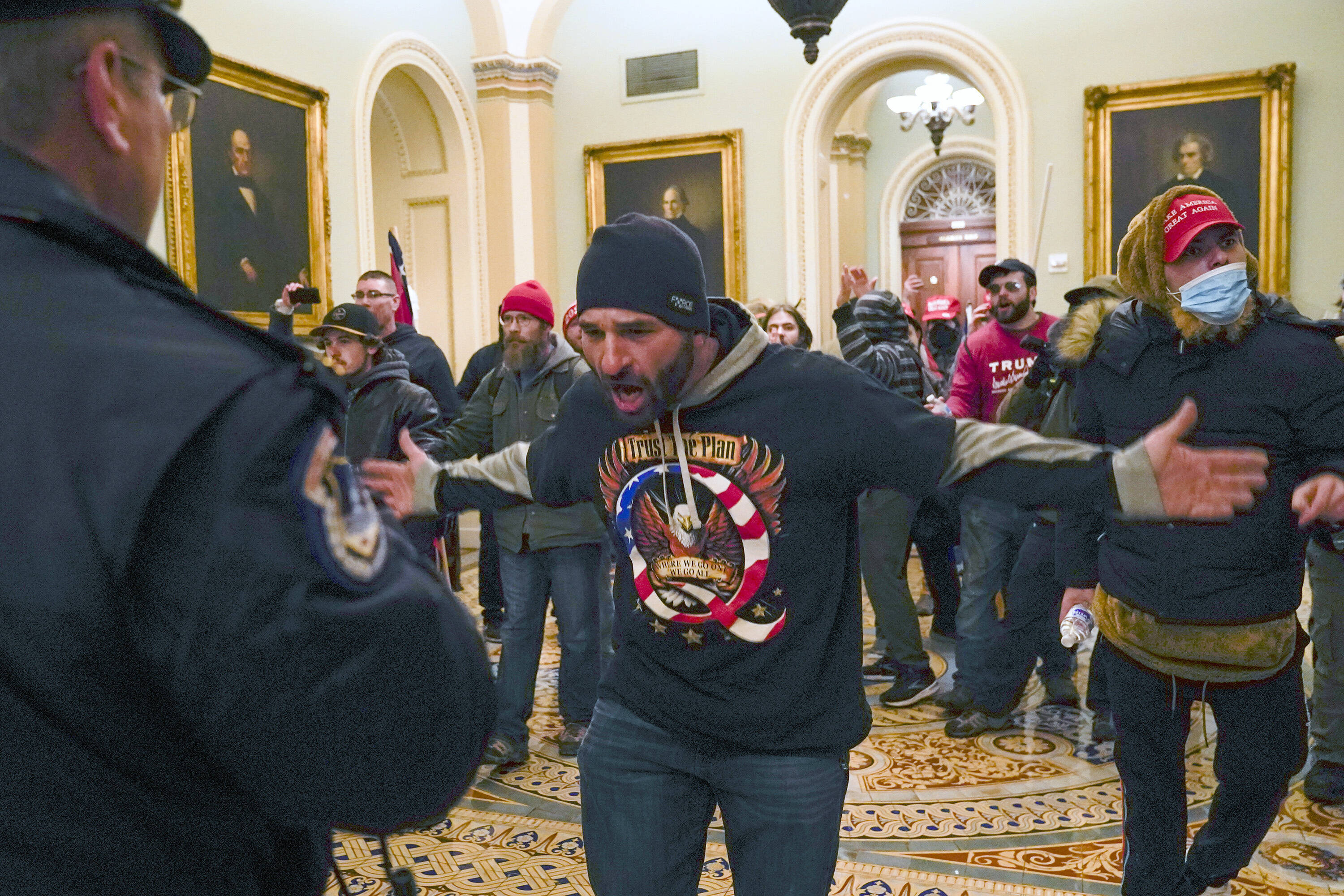 Trump supporters storm the Capitol on Jan. 6. Facebook internal documents say the company let its guard down between the 2020 election and the insurrection. | The findings on hate speech are just one bit of reporting about the company from a Facebook whistleblower who is testifying before Congress and governments across the globe this fall. Combining whistleblower Frances Haugen's testimony with The Washington Post's own reporting, we are learning about what is really happening behind the scenes at the world's largest social media company. Some of the revelations are eyebrow-raising. Here's a cheat sheet, with a more in-depth rundown here. - Facebook dropped its guard after the November election and let "Stop the Steal" content proliferate ahead of the Jan. 6 insurrection. It also dismantled a Civic Integrity group aimed at combating this kind of stuff, with some employees fearing it was because they had become too vocal about the dangers of Facebook.
- The Post exclusively reported that Facebook CEO Mark Zuckerberg personally decided to let Vietnam's Communist government have near-total control over Facebook as the country's elections neared. It meant leaders there could and did crack down on dissidents' free speech ahead of the election. Vietnam was threatening to shut down Facebook entirely and Zuckerberg didn't want to lose business in this huge market, Post reporting finds.
- A Facebook spokeswoman, Dani Lever, denied that decisions made by Zuckerberg "cause harm," saying the claim was based on "selected documents that are mischaracterized and devoid of any context."
- Facebook let QAnon stay on its site for about a year, even as the company knew how quickly this extremist ideology based on false claims was reaching users unchecked, according to The Post. To test this, a Facebook employee set up an account claiming to be a Christian mother in North Carolina who liked Donald Trump and found that this account was invited to join QAnon groups within days.
- Facebook knows all of this. My colleagues write: "The documents and interviews with former employees make clear that Facebook has deep, highly precise knowledge about how its users are affected by what appears on its sites."
It's a critical time for Facebook 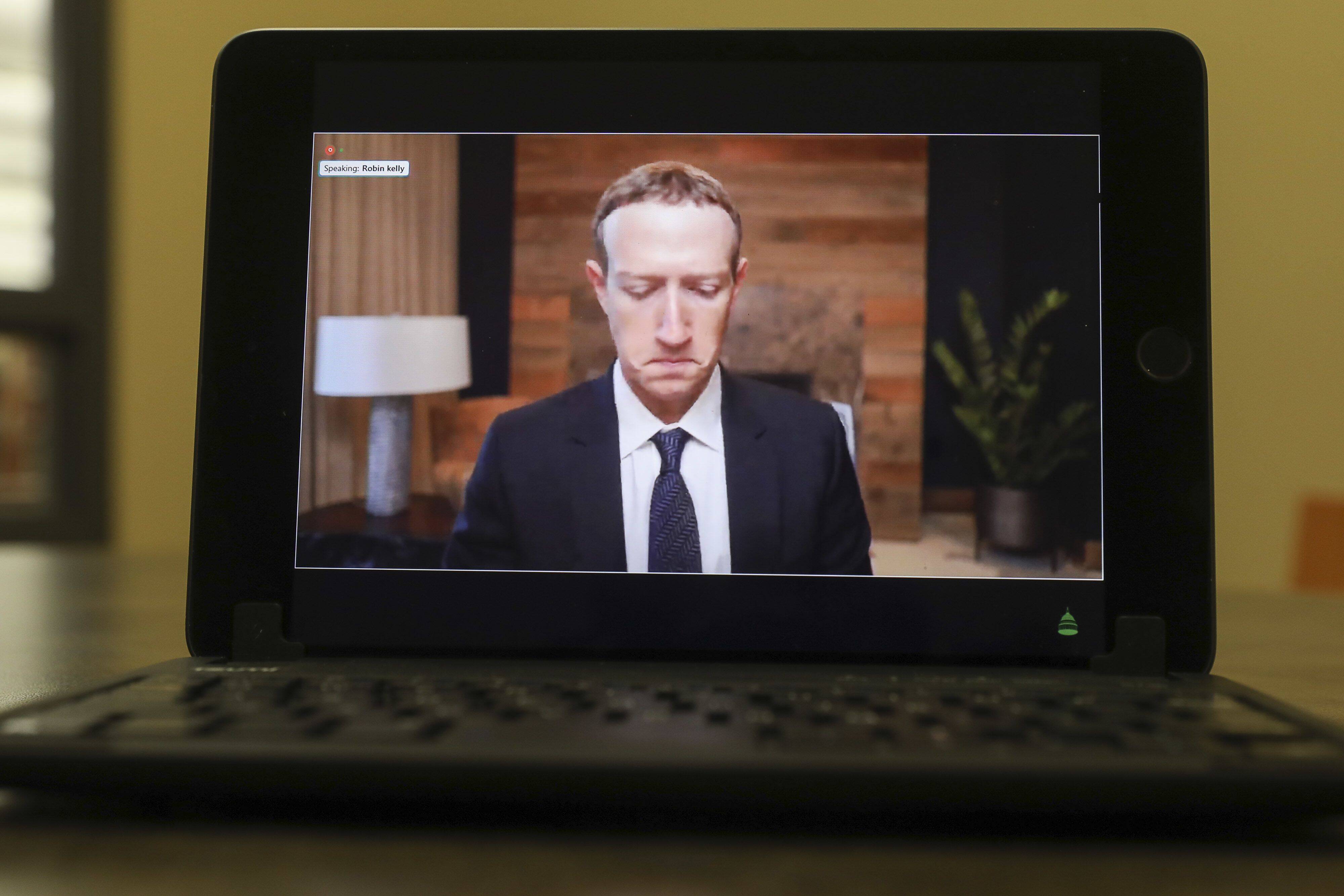 Mark Zuckerberg testifies virtually to Congress in March. | After the 2016 election, Facebook was under fire for letting Russian misinformation campaigns go basically unchecked. Now Facebook is under fire for — well, everything, it seems. Its dirty laundry is being aired as lawmakers start to seriously grapple with how to regulate Facebook and other social media companies. For better or worse, these Facebook revelations are coming to light at arguably a dangerous time for American society. One political party is denying the results of a legitimate presidential election, and one of the American leaders of misinformation, Trump, is making moves to run for president again. What questions do you have about Facebook? Ask Post reporters, who will be hosting a live chat Tuesday at 3 p.m. Eastern time. Did dead people vote in the election? Yes. But not nearly at the level that the Trump campaign claimed last year as it tried to build support among Republican lawmakers to help Trump overturn his election loss. In the very few cases of proven voter fraud consisting of someone casting ballots using a dead person's identity, Republican voters have been the ones convicted, reports The Fix's Aaron Blake. In Nevada, Trump allies championed a man who said someone voted in his dead wife's name. Well, the man himself was just charged with voter fraud — and he's a Republican. In three cases in Pennsylvania that are just now coming to a conclusion, registered Republican voters admitted to voting in a deceased family person's name. There have been less than two dozen cases of voter fraud connected to the 2020 election, reports The Post's Philip Bump. That is far from the kind of rampant voter fraud Trump claimed. And it certainly doesn't point to Democrats stealing the election. | 




 Email
Email 


