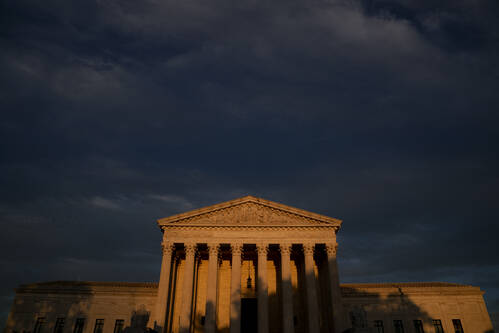
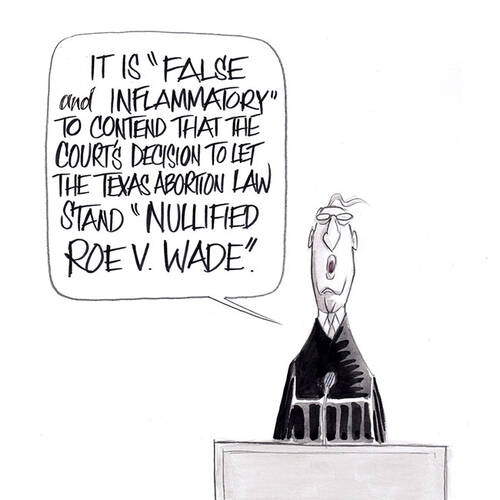
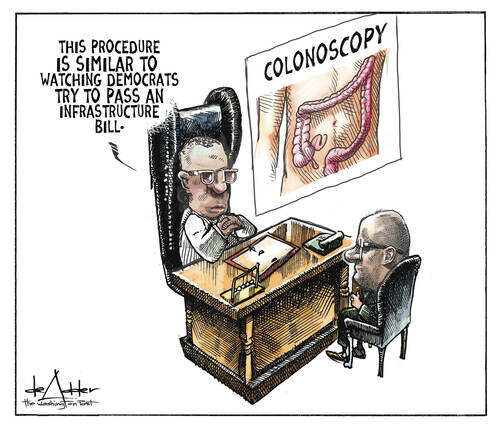
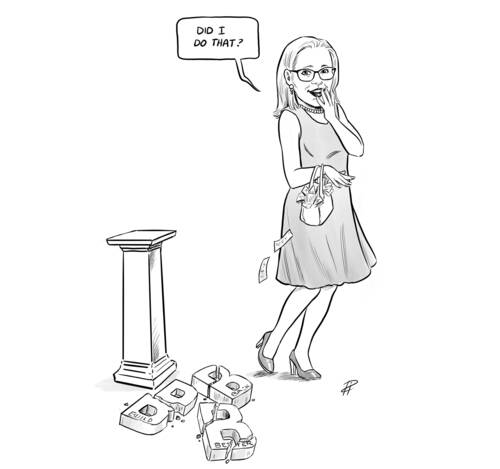
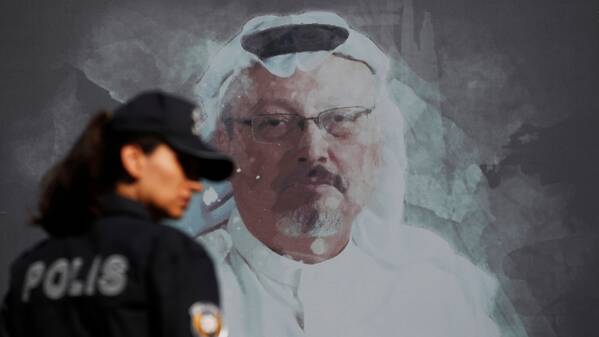
| Three years ago, journalist Jamal Khashoggi, a Post contributing columnist, was brutally murdered in a Saudi consulate. To silence Jamal's efforts to protest authoritarian rule, the kingdom sent a hit squad to dismember our colleague. "I am raising my voice," Jamal had written. "To do otherwise would betray those who languish in prison. I can speak when so many cannot." Although the U.S. government has said Jamal's murder was approved by Saudi Arabia's crown prince, the Biden administration has not sanctioned the prince and continues to do business with the kingdom. "The lack of justice for Jamal's murder is having a real and lasting impact," writes his fiancee, Hatice Cengiz. "Saudi Arabia continues to target anyone who voices dissent, within and outside its borders. Countless are behind bars, facing egregious prison sentences for outrageous 'crimes' such as tweeting in support of women's rights." The Post's Editorial Board notes that "there's been no justice for Khashoggi, and there are darkening clouds on the horizon for others who would speak out" — citing, among other worrisome events, a democratic election subverted in Belarus, a democracy movement destroyed in Hong Kong, civil society crushed in Russia, and the Uyghur Muslims imperiled by cultural genocide in China. The Arab Spring movement "has largely collapsed into old-school authoritarianism." Here, my colleagues Mili Mitra and Elías E. López spotlight a few of the people jailed or otherwise unable to live freely in Saudi Arabia, "where secret trials, detention and censorship have created a climate of fear." The authoritarian campaign that killed Jamal is still active. Among those it continues to silence: Abdulrahman al-Sadhan, Samar and Raif Badawi, Eman al-Nafjan, Salman Aloudah, Mohammed Fahad al-Qahtani, and Omar and Sarah Aljabri. 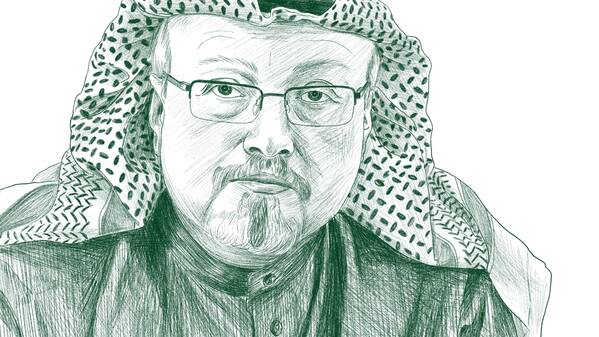 (Michelle Kondrich for The Washington Post) We are highlighting just a few of the figures who remain in prison or are otherwise unable to live freely inside the kingdom, where secret trials, detention and censorship have created a climate of fear. By Mili Mitra and Elías E. López ● Read more » | | | | Trump's "big lie" undermines democracy and will hurt Republicans more than Democrats. By Benjamin L. Ginsberg ● Read more » | | | The most important thing we can give people is dignity. By Suzanne Brennan Firstenberg ● Read more » | | | | People can't stop living their lives every time caseloads begin to rise. By Megan McArdle ● Read more » | | | | Voters on both sides of the partisan divide are embracing views that are inconsistent with democracy. By Henry Olsen ● Read more » | | | | It's simple: They can see their power slipping. By David Von Drehle ● Read more » | | | As the Supreme Court opens a new term Monday, its biggest problem is itself. By Ruth Marcus ● Read more » | | | | Inexplicably, the Biden administration has responded to China's increasing coarseness, South China Sea aggressiveness and gusher of military spending by proposing to cut real (inflation-adjusted) U.S. defense spending. By George F. Will ● Read more » | | | | At a moment of legal peril, the District offers a safe space to the Women's March. By Colbert I. King ● Read more » | | | |



 Email
Email