All About The Great Green Wall

 All About The Great Green Wall
Your lens to the internet's most powerful photographs.
 📸For Your 👀 Only: 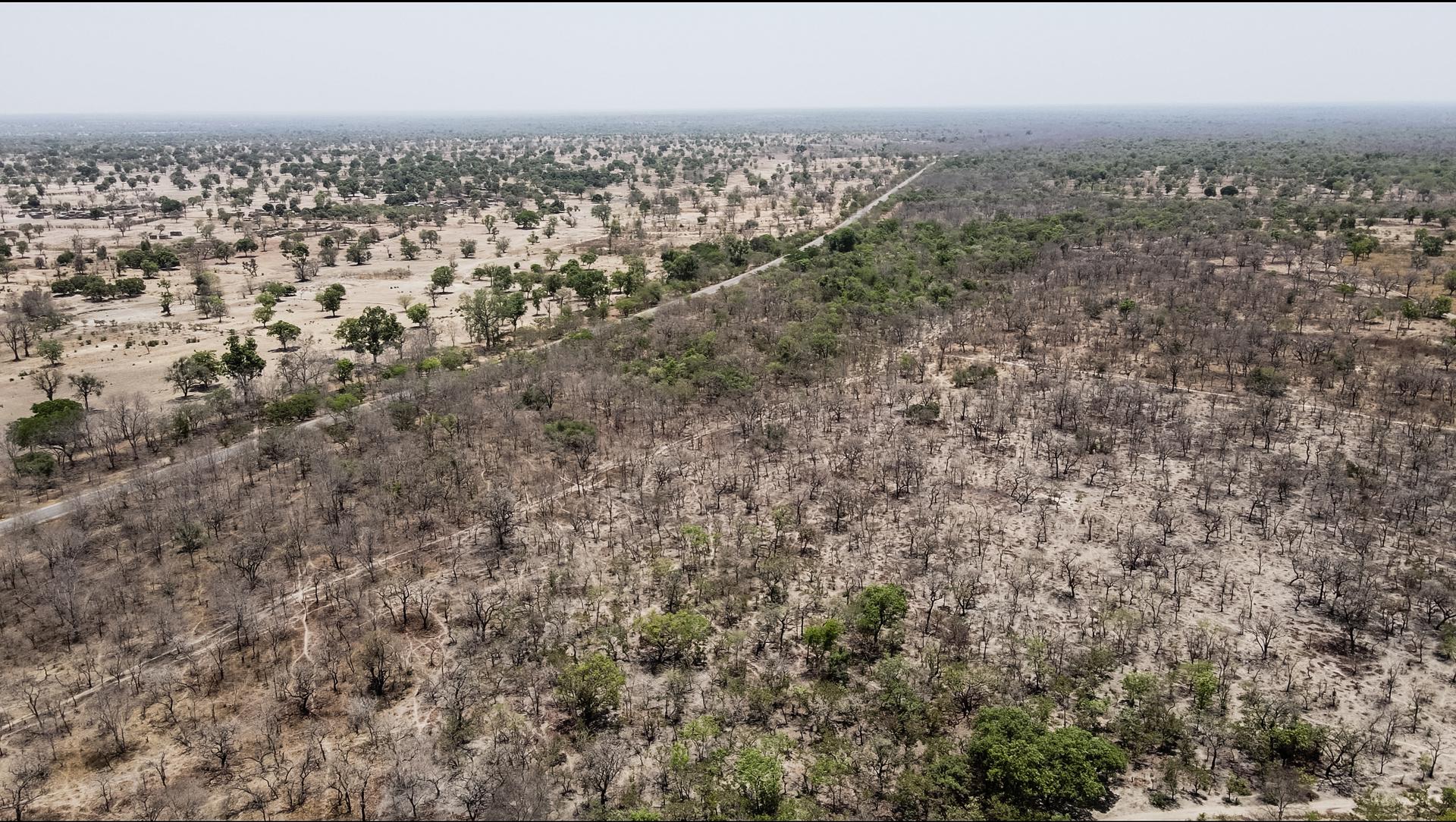 Patrick Tombola Deforestation pledges have been hailed as a promising sign out of COP26, as world leaders and scientists meet in Glasgow to discuss ways to mitigate climate change. One of the biggest projects against deforestation has been in the works in the Sahel region of Africa for the past 14 years. Hailing it as the Great Green Wall, 20 African countries aim to restore 100 million hectares of land by planting trees to combat desertification and to bring green jobs to the area. The project has been beset by problems — to date, only 4 million hectares of trees have been planted, and communities in the area have been known to chop down trees to use as fuel. Photographer Patrick Tombola traveled to Burkina Faso for two weeks to document the initiative and to highlight what could still work.
To start, what is the Great Green Wall, and how did you first hear about it?
Based on initial plans, the GGW should consist in a green belt that — by the end of 2030 — would comprise 100 million hectares of trees and extend for 1,000 miles from Senegal to Djibouti, absorbing 100 million tons of carbon and create tens of millions of jobs. I first heard about it from my colleague, writer Eleonora Vio whom I worked with on this story. We decided to focus on Burkina Faso because it was allocated the highest amount of external funds whilst intending to use the least of its own internal revenues for this project. Ideally it should have been a success story. Yet, despite a few exceptions, the project of the GGW has fundamentally failed in Burkina Faso during the first phase of the project (until the end of 2020), as well as pointed out the foreseeable obstacles and challenges that the country will have to face throughout the second phase that has just started, but also tackle the widespread issue of deforestation and illegal logging carried out both for commercial scope (e.g., agribusiness, mining activities, and wood sale) and for mere subsistence.
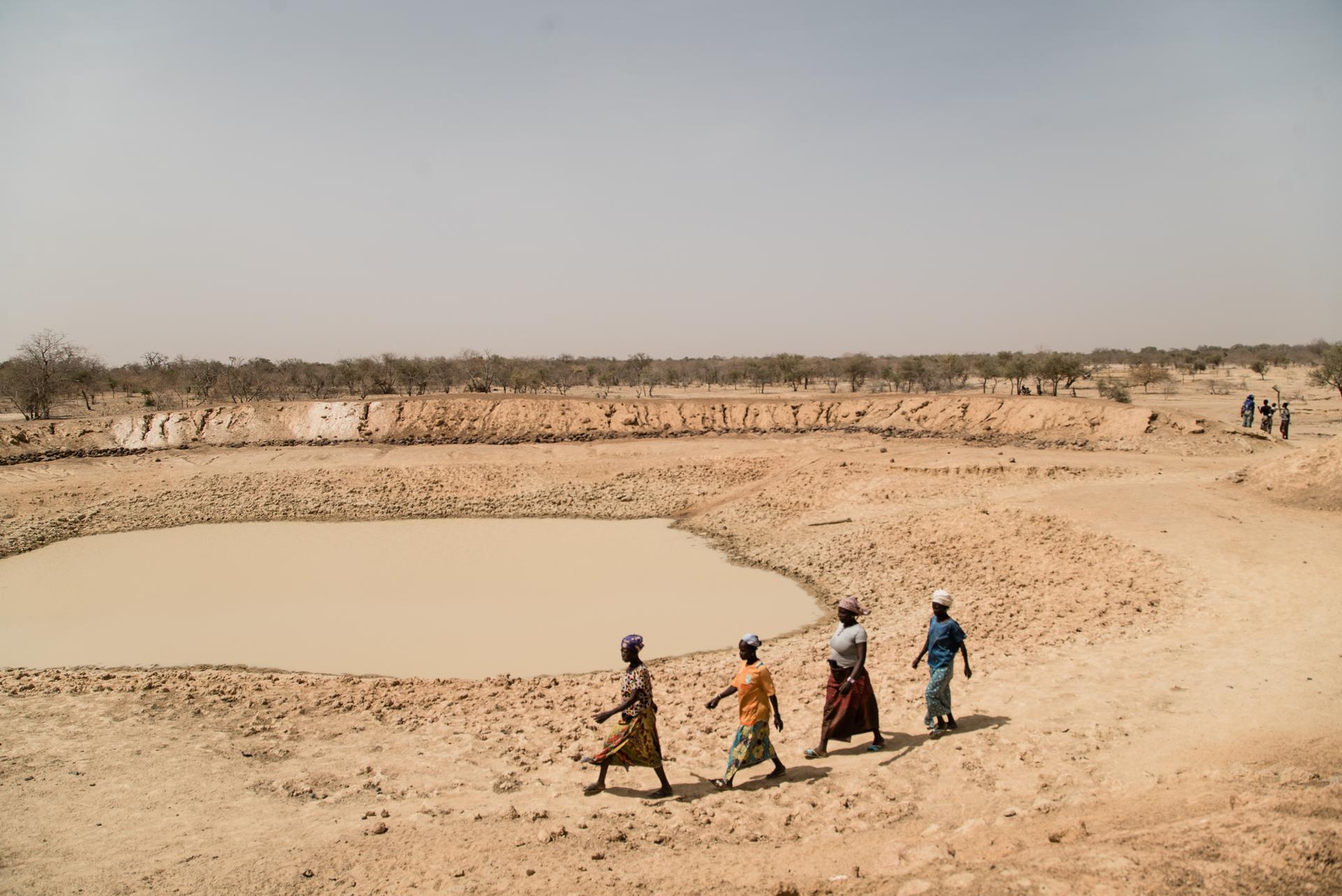 Patrick Tombola This is a project that was designed and carried out by African nations — but what do nearby citizens think of it?
The project was created by African leaders and soon after endorsed by Western powers. However, it met two huge problems. Firstly, most trees have been planted in areas where people don't live — right at the edges of the desert; hence, nobody could feed and protect the trees, leading over 80% of the initial seedlings to die. Secondly, funds from Western powers have trickled in at snail pace, often leading billion-dollar holes in the overall budget.
What are some of the problems with the Great Green Wall at the local level?
At a local level, one of the main problems is the lack of coordination between Sub-Saharan countries and between provinces within the same country. In one instance, for example, thousands of seeds were given to a community and then planted, but material to build a fence to protect the sprouting plants was not provided for many months, which allowed animals to feed off them. Lack of accountability, endemic corruption, illegal logging, water resource mismanagement, and plenty of other problems hinder the development of the GGW project to its fullest. 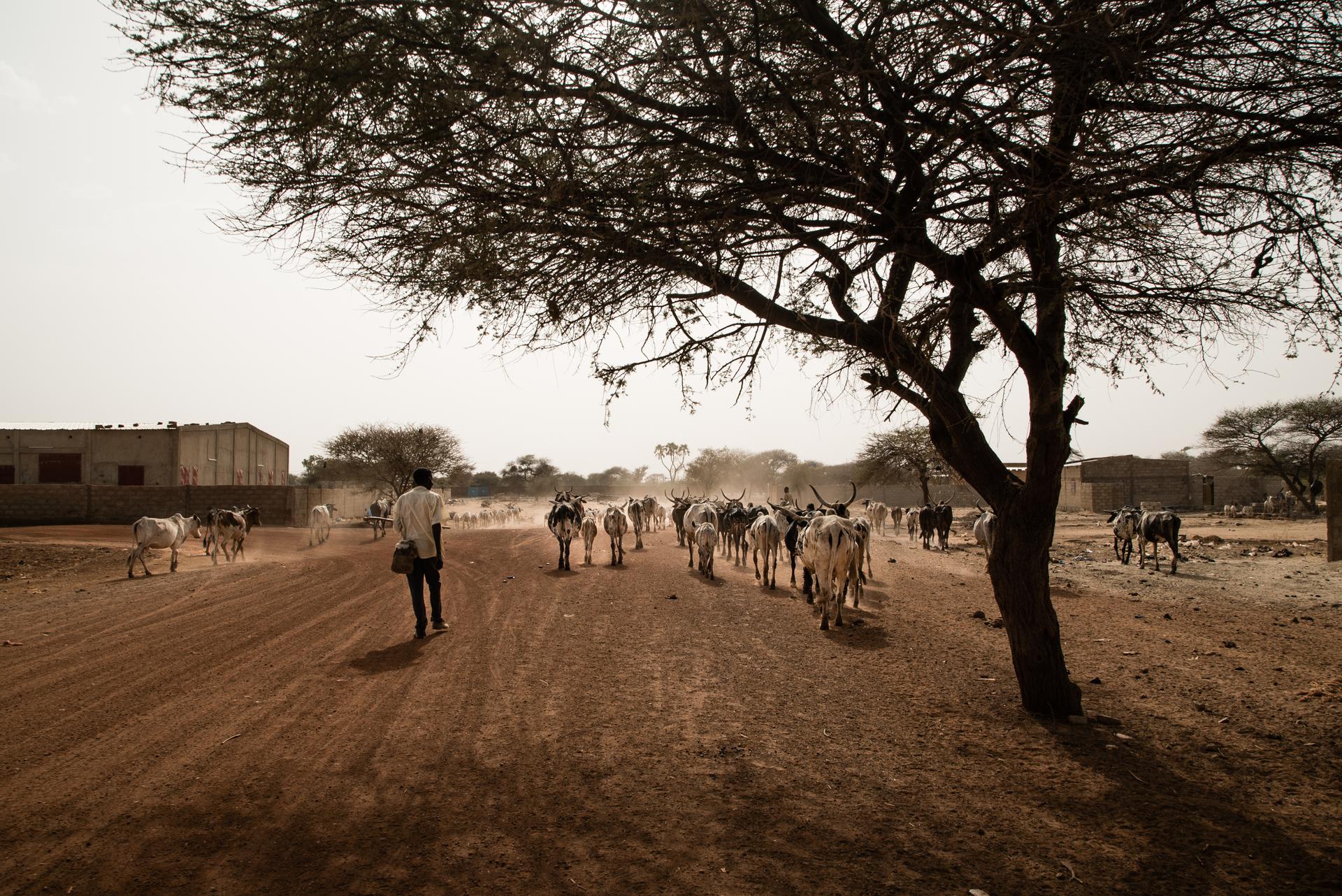 Patrick Tombola What seems to be working?
The success of the GGW project differs significantly from the country and region one focuses upon. Ethiopia, for example, has been successful in growing an effective barrier against desertification; most other countries have instead failed to establish a coherent and structured plan. For the past 15 years, the GGW project seemed to exist only on paper with few exceptions. However, last January the EU, the World Bank, and other prominent donors have pledged $14.5 billion for the next five years renewing hopes the 2030 goal can be met at least in part.
Why are these pictures important to see now? The COP26 Climate Summit is taking place in Scotland. Yet again countries will meet to set future agendas and carbon targets that will inevitably shape the world we live in. These images are a stark reminder of how unsuccessful and unwilling governments worldwide have been in addressing deforestation and desertification, two main contributors to climate change. It also highlights how the region that least contributes to carbon emission is experiencing the most negative impacts of climate change. 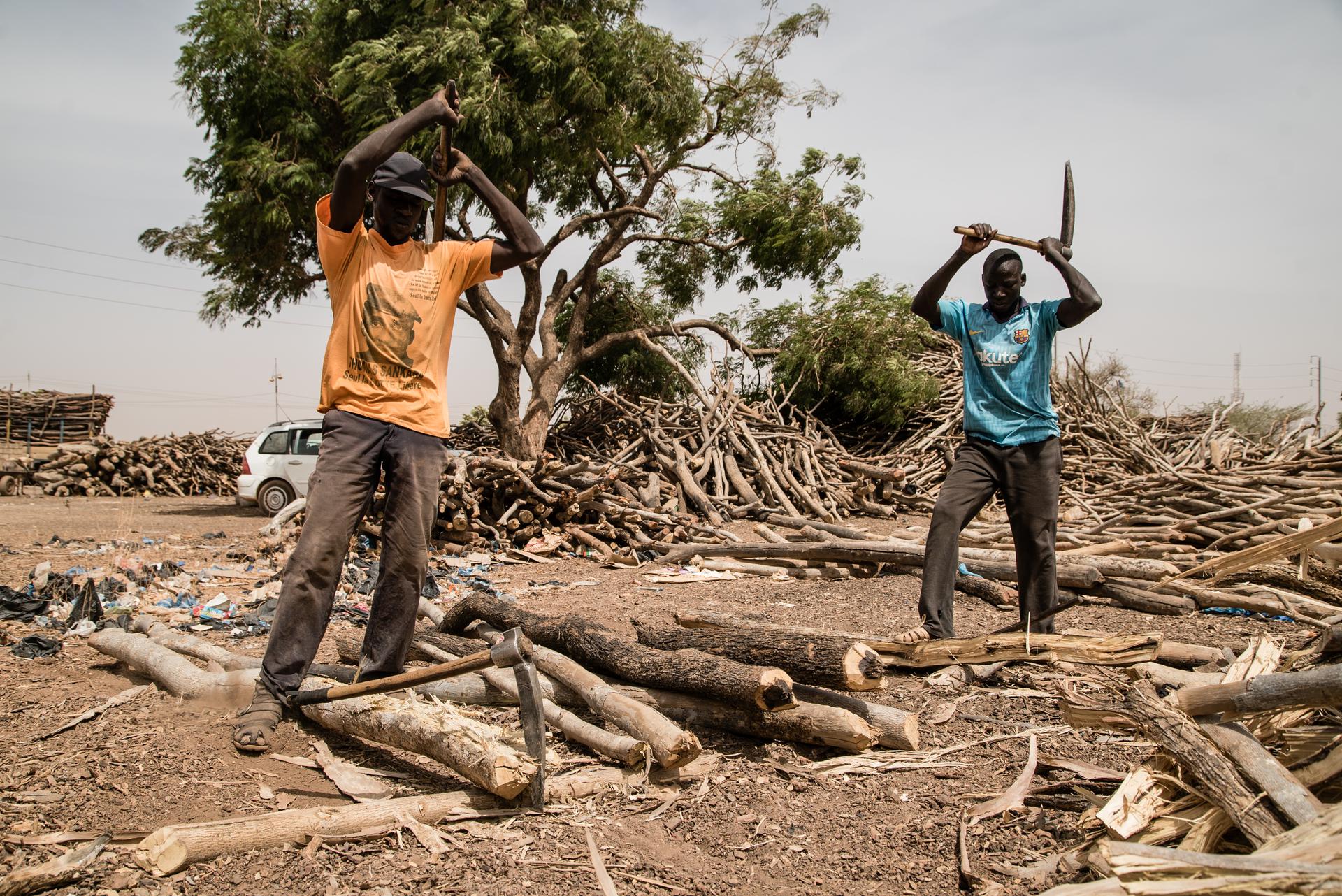 Patrick Tombola
 📸MORE FROM OUR DESK 📸 As always, here are some of the best photo stories from around the internet, and what we loved from our desk. YOUNG PEOPLE PROTEST CLIMATE INACTION AROUND THE WORLD 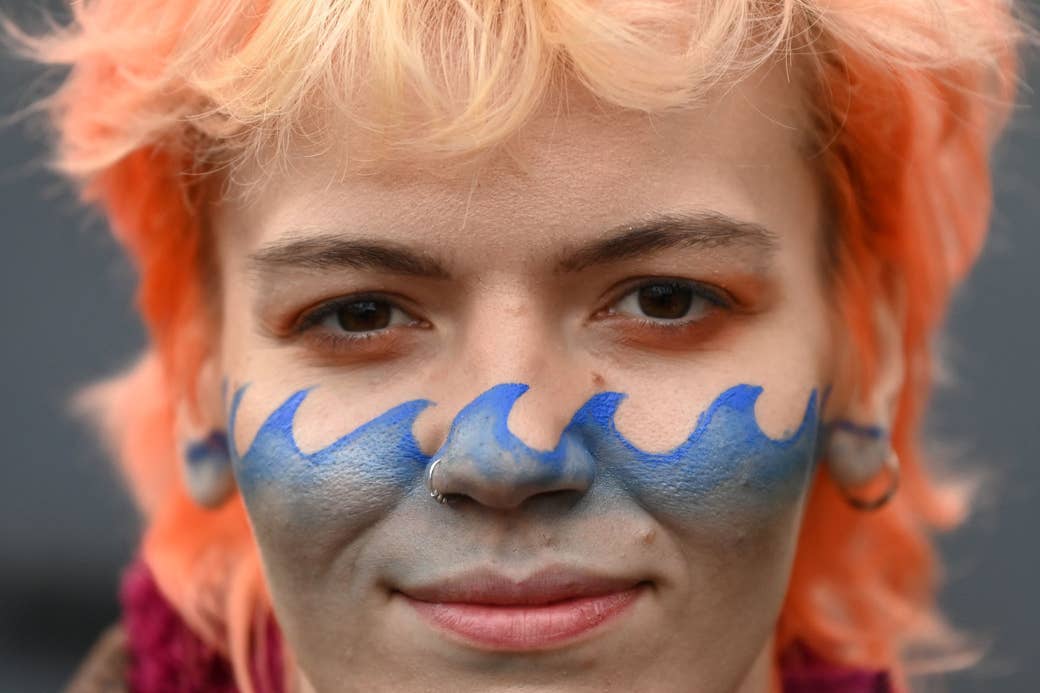 Daniel Leal-Olivas / AFP via Getty Images
THE COMING COAST OF THE CHESAPEAKE BAY 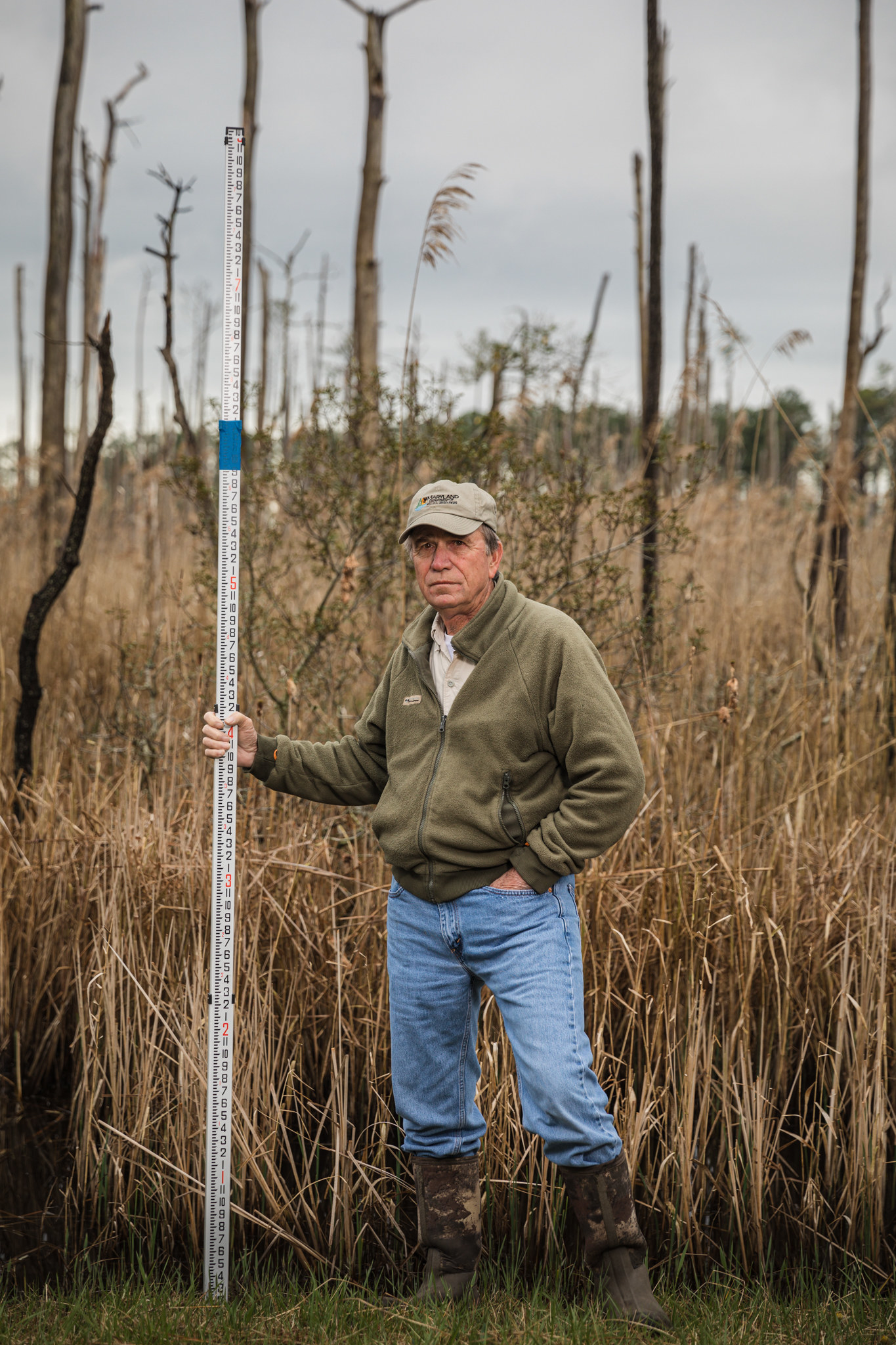 Michael O. Snyder
NOTHING BETTER THAN HALLOWEEN IN NEW YORK 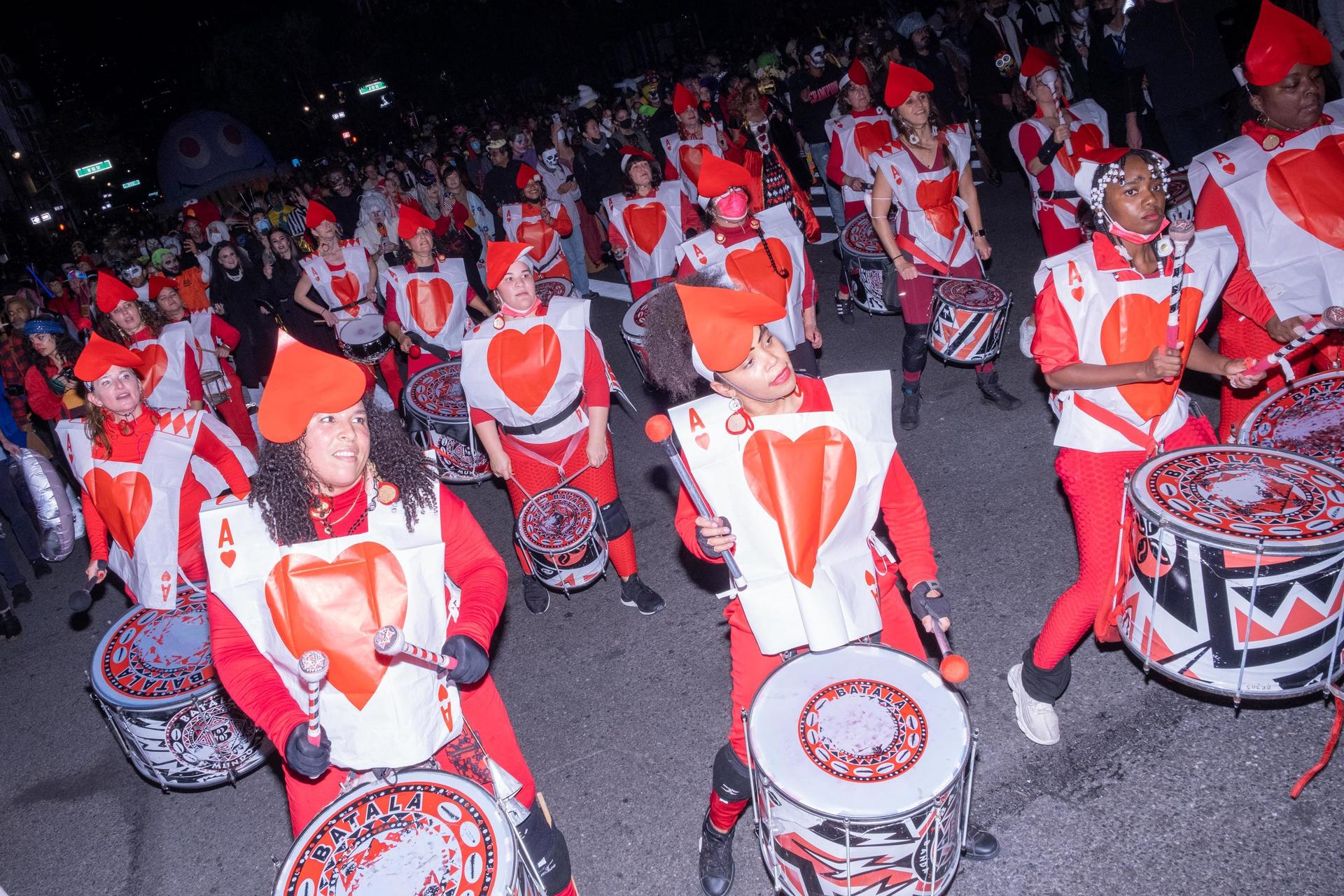 Adam Powell for BuzzFeed News
5 THINGS WE LOVED THIS WEEK 1. A look back at 50 years of the New York City marathon
2. Super into sometimes having a semi-functional government
3. A great take on why daylight savings time is the absolute worst
4. Everything about the drama around Pete Davidson and Kim K
5. If you haven't seen it already, the new series Reservoir Dogs is so so good
LAST LOOK 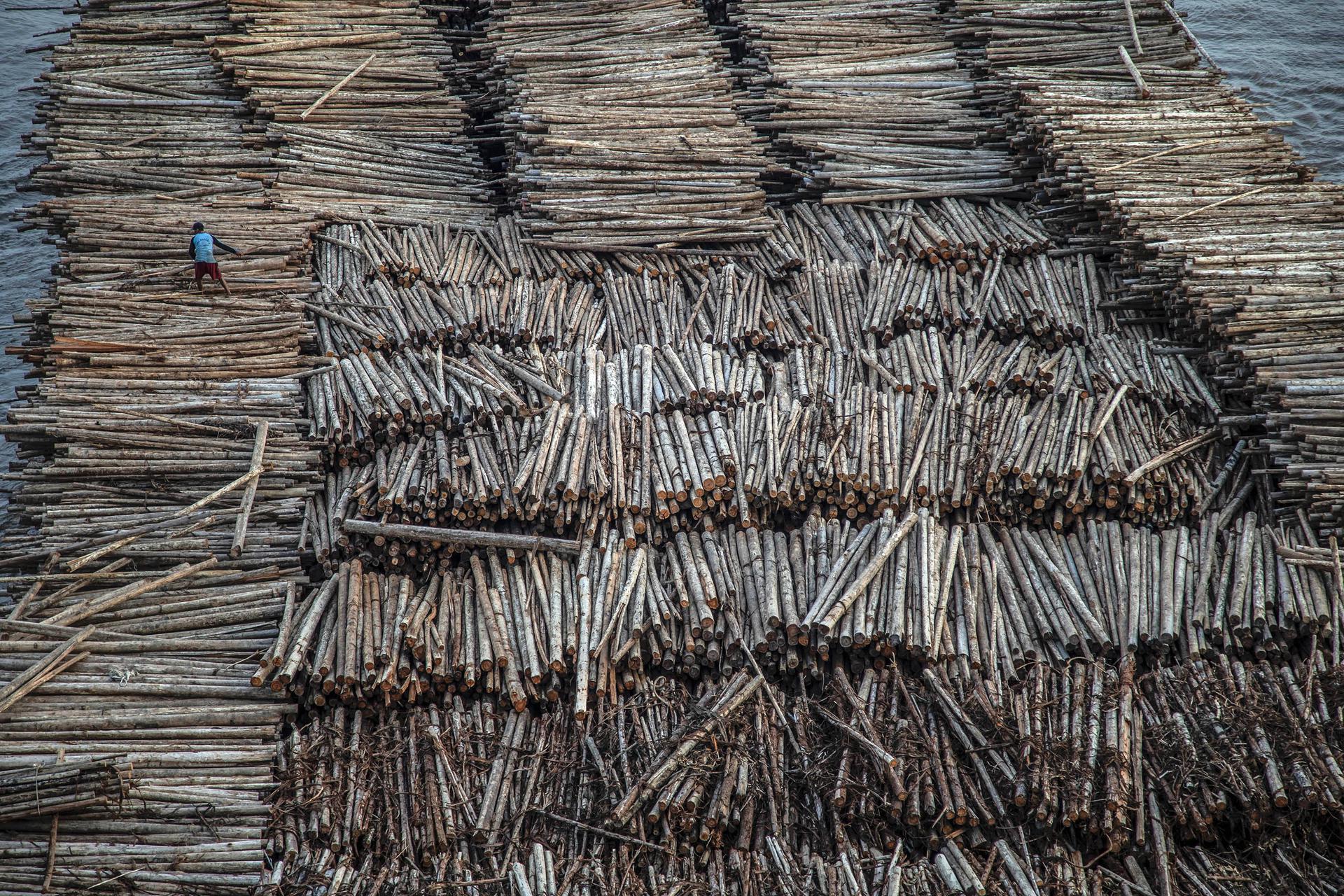 Aditya Aji / AFP via Getty Images A barge filled with logged timber pulled along the Mahakam river passes the town of Samarinda, East Kalimantan on November 4, 2021. "We are making photographs to understand what our lives mean to us." — Ralph Hattersley That's it for this week! Kate + Pia
📝 This letter was edited and brought to you by the News Photo team. Kate Bubacz is the photo director based in New York and loves dogs. Pia Peterson is a photo editor based in Brooklyn. You can always reach us here.
BuzzFeed, Inc. |


