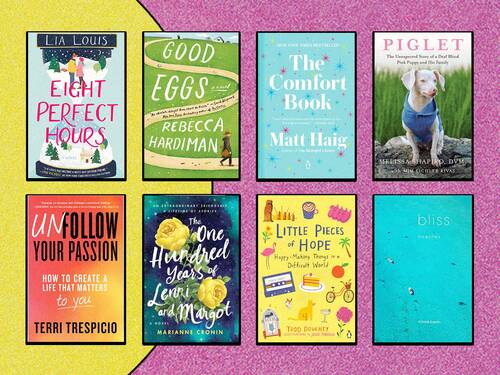
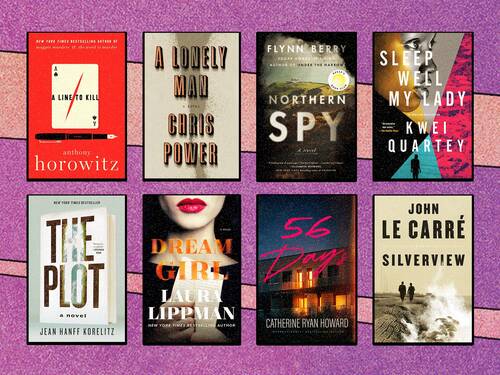
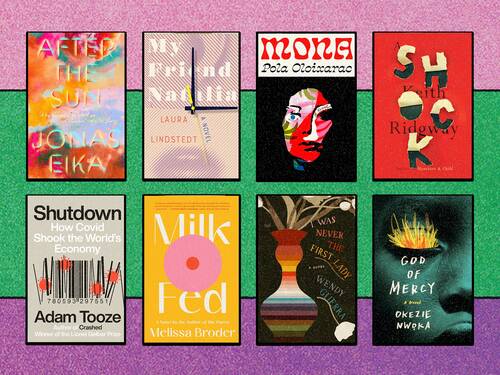
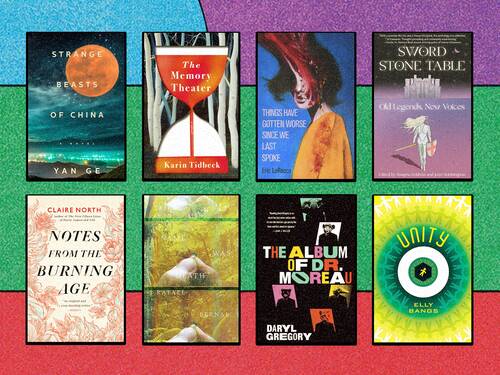
 (Illustration by María Medem for The Washington Post) | This summer, even before I finished "The Love Songs of W.E.B. Du Bois," by Honorée Fanonne Jeffers, I knew I'd nominate it for our list of the year's top 10 books. Helping to draw up this annual list is one of my favorite projects, although it can get agonizing. This month, as our deadline approached, the other Book World staff members and I were horse-trading, making comparisons between impossibly different titles that we adored, and repeatedly subjecting the word "best" to spectrum analysis. In the end, we came up with a collection of terrific fiction and nonfiction that we hope will move, educate, delight and transport you. Here's our list of the 10 best books of 2021. And throughout this issue of the newsletter, you'll find additional links to the most notable works of fiction and nonfiction, the best audiobooks, mysteries, romance novels and more. (Save this issue as a guide to holiday shopping.) Now it's your turn. What was the highlight of your reading life this year? Did you find a book you love, an author who shook up your world, or an audiobook that kept you sitting in your car in the driveway? Please take a moment to fill out this short form. I'm deeply curious — and we may use your responses to write about this year in reading. 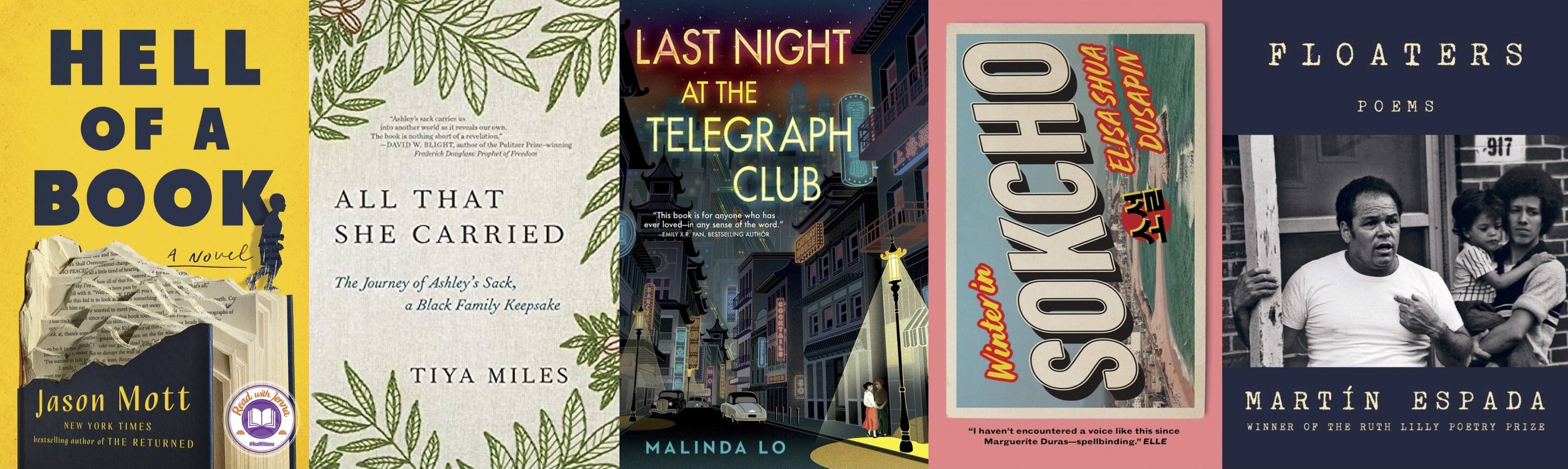 Dutton; Random House; Dutton Books for Young Readers; Open Letter; W. W. Norton | Jason Mott's "Hell of a Book" lived up to its title Wednesday night and won the National Book Award for Fiction (story). Mott's novel is a meditation on race woven through a Black author's book tour. The judges said, "In a structurally and conceptually daring examination of art, fame, family and being Black in America, Mott somehow manages the impossible trick of being playful, insightful and deeply moving." Ten years ago, Mott was a discouraged customer service rep at Verizon Wireless when an agent found a manuscript by him in the slush pile (a writer's dream). That manuscript became a best-selling novel called "The Returned" and the basis for the ABC series "Resurrection." During the streaming ceremony Wednesday night, Mott dedicated his NBA award for "Hell of a Book" to "all the other Mad Kids, to all the outsiders, the weirdos, the bullied, the ones so strange they had no choice but to be misunderstood by the world and by those around them, the ones who, in spite of this, refused to outgrow their imagination, refused to abandon their dreams and refused to deny or diminish their identity or their truth or their loves — unlike so many others." Here is the complete list of 2021 NBA winners and honorees: - Fiction: "Hell of a Book," by Jason Mott (review)
- Nonfiction: "All That She Carried: The Journey of Ashley's Sack, a Black Family Keepsake," by Tiya Miles (review)
- Young People's Literature: "Last Night at the Telegraph Club," by Malinda Lo
- Poetry: "Floaters," by Martín Espada (see excerpt below)
- Translated Literature: "Winter in Sokcho," by Elisa Shua Dusapin, translated from the French by Aneesa Abbas Higgins
- Literarian Award for Outstanding Service to the American Literary Community: Nancy Pearl
- Medal for Distinguished Contribution to American Letters: Karen Tei Yamashita
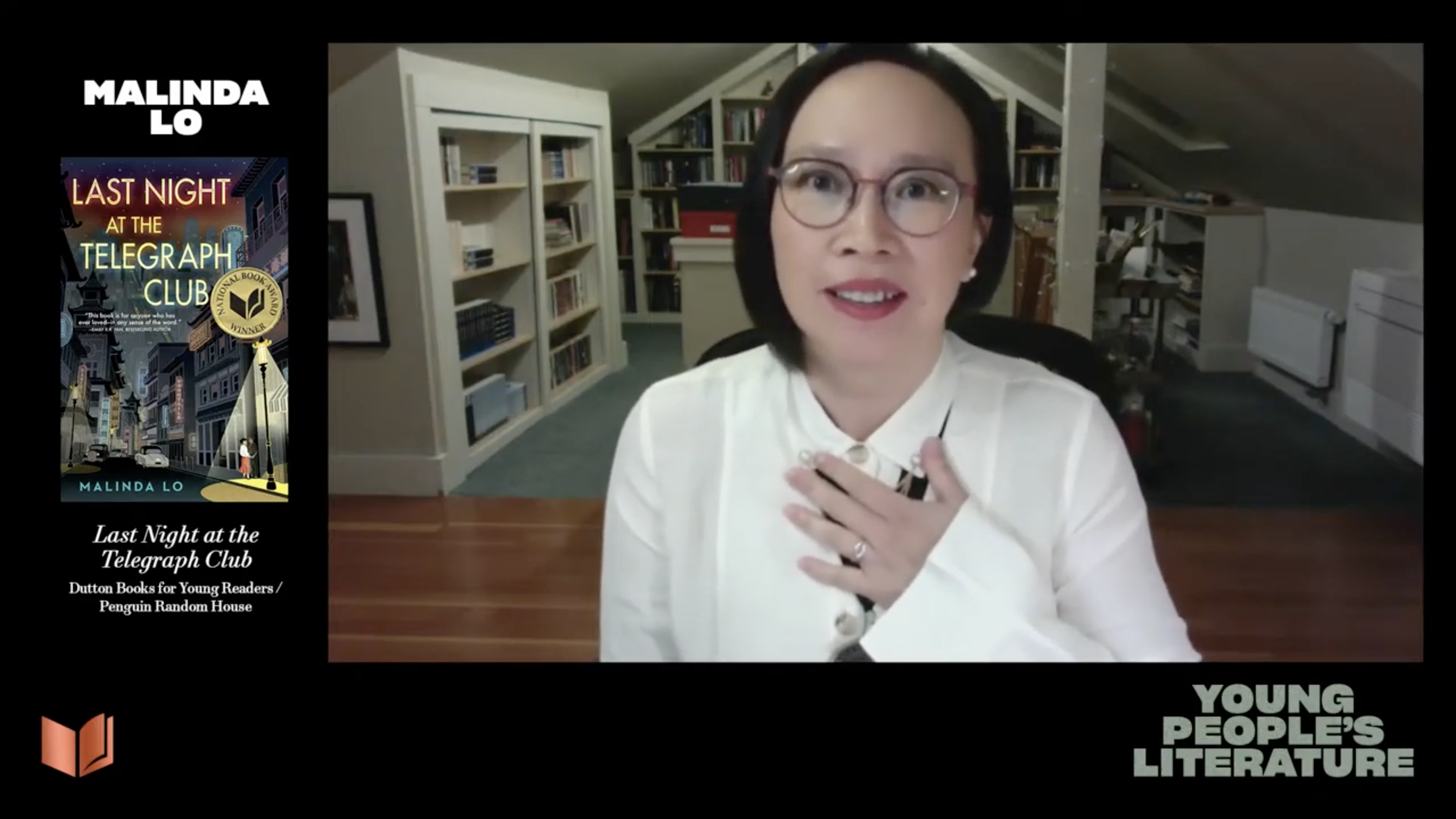 Malinda Lo accepted the National Book Award for Young People's Literature from her home, Nov. 17, 2021 (Screen shot) | "Don't let them erase us." With that defiant plea, queer writer Malinda Lo accepted the National Book Award for Young People's Literature on Wednesday night. Lo noted that when her first novel came out in 2009, "it was one of 27 young adult books about LGBTQ characters or issues published that year." In 2021, she's seen hundreds of new LGBTQ books for young people. "The growth has been incredible," she said, "but the opposition to our stories has also grown." The opposition she's referring to hasn't merely grown; it's exploded. In the last few months, conservatives have targeted an extraordinary number of titles, and politicians have rediscovered how effectively old-fashioned book banning rouses their base (story). In a masterful sleight of false equivalence, Texas Gov. Greg Abbott recently condemned Maia Kobabe's award-winning YA memoir, "Gender Queer," and then warned, "Not only is the presence of pornography in schools inappropriate, it is also against the law." The nonprofit advocacy group EveryLibrary warns that under legislation proposed in several states, teachers and librarians could be fined and even jailed if parents find titles they don't like. Consider, for instance, "This Book Is Gay," by Juno Dawson. It offers a telling example of what's happening across the country. Dawson published this nonfiction book in 2015 to provide young adults with reassuring advice and reliable information about sexuality and gender. Although the book has proven very popular, it's also been one of the most challenged books. Worse, librarians have told the publisher, Sourcebooks, that "This Book Is Gay" is frequently stolen by people trying to keep others from reading it. Beth Oleniczak, the marketing manager at Sourcebooks, explains why such suppression campaigns are particularly devastating to young people who need access to books like this. "When you take away those resources," she says, "you're leaving them to fend for themselves and to find answers in different and sometimes unhealthy ways." "This is an unprecedented situation," says Deborah Caldwell-Stone, director of the American Library Association's Office for Intellectual Freedom. Organized campaigns by groups like Moms for Liberty are particularly keen on attacking LGBTQ books intended for teens. "I've not seen this number of challenges in this timeframe since I started working here 20 years ago." Caldwell-Stone is a cool and judicious attorney, but I can hear the exasperation in her voice. "What is disturbing to me right now is this easy acceptance by a wide swath of the public that censorship is both appropriate and a good solution for the claim that materials dealing with homosexuality or transgender concerns are inherently pornographic," she says. "We talk about our liberties, we talk about our freedoms, but we throw them away so easily because there are some groups who have a fear of sex, of the ability of marginalized groups to find a voice and a stage in society. I, you know . . . I'm just astonished." 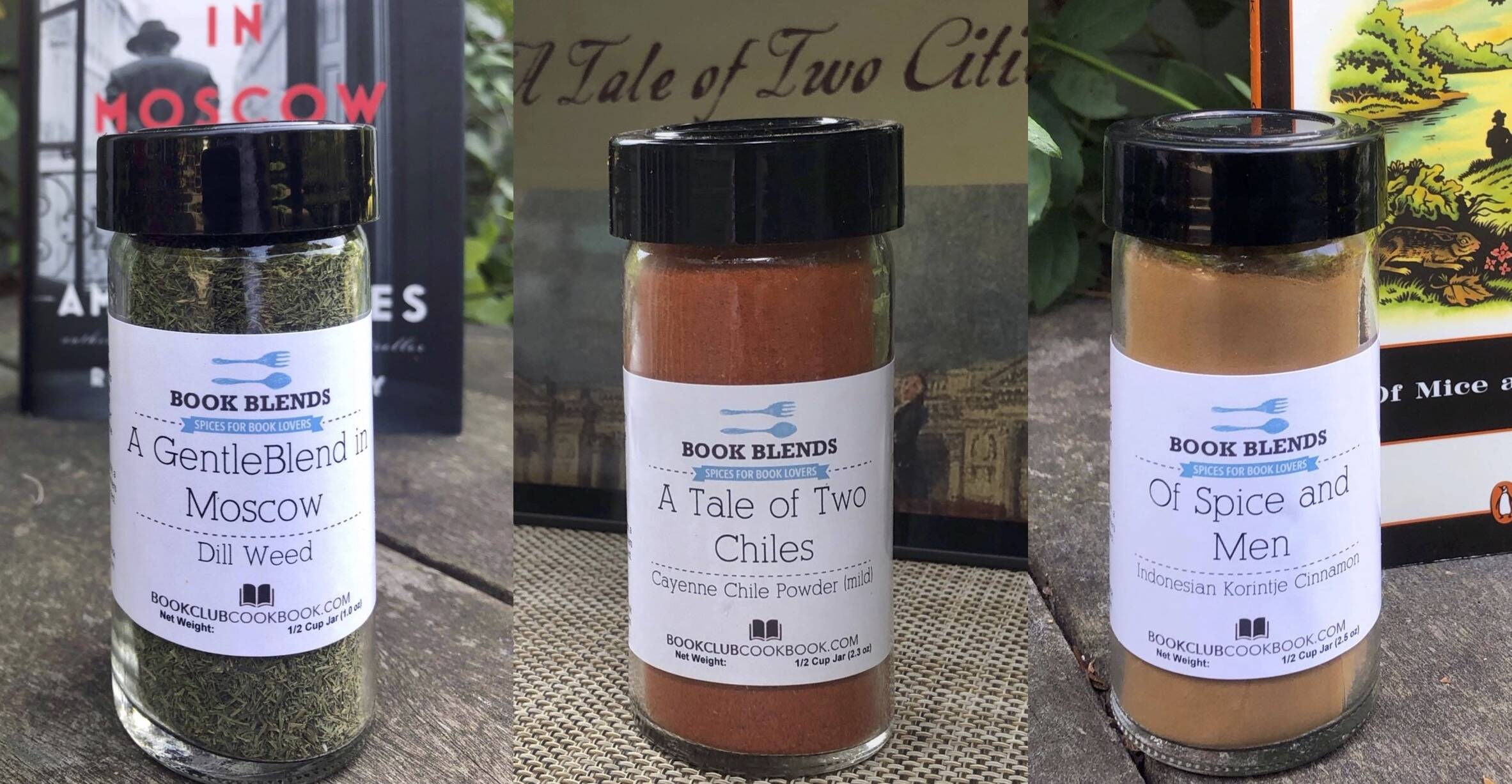 Book Blends: the spice of good literature. (Photos courtesy of Judy Gelman) | Readers who want to add a little spice to the holidays should check out Book Blends. Inspired by classic novels, these cleverly packaged spices and herbs come with names like "A Wrinkle in Thyme," "Lord of the Fries" and "Dried & Prejudice." This year offers two new blends: a Tuscan bread dipping seasoning called "Harry Potter and the Hors d'Oeuvre of the Phoenix" and a French vinaigrette seasoning called "The Romaines of the Day." Book Blends were created by Judy Gelman, co-author of "The Book Club Cookbook" and a woman who clearly relishes a good spice pun. It's hard to choose, but my favorite may be "The Sage of Innocence." For a book-loving chef with a corny sense of humor, this could be an answer to prayer: "Are You There God? It's Me Marjoram." You can find Book Blends in a few indie bookstores — such as the Novel Neighbor in my hometown of St. Louis — or you can order online (more information). 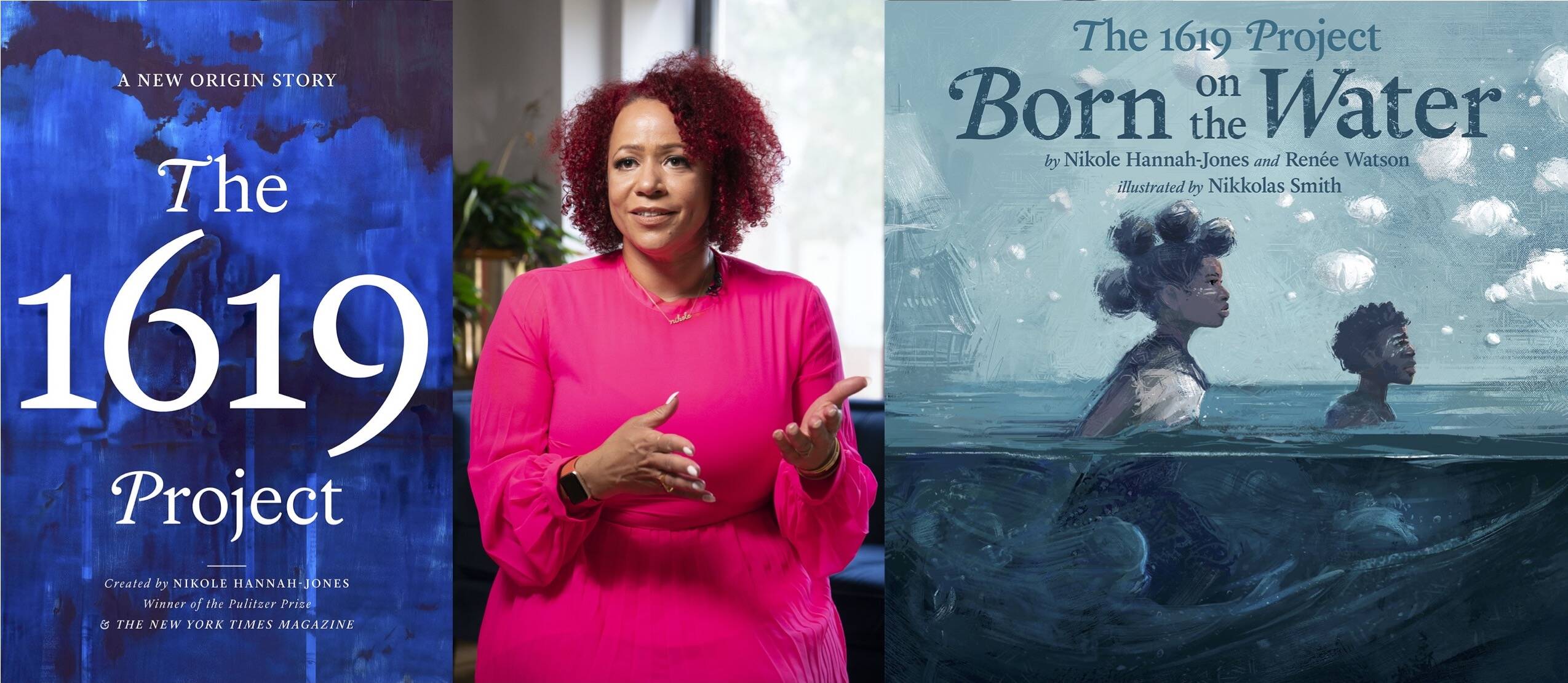 One World; Nikole Hannah-Jones (AP File Photo/John Minchillo); Kokila | "The 1619 Project: A New Origin Story," by Pulitzer Prize winner Nikole Hannah-Jones, arrives this week already encrusted with controversy. The project, which started with a collection of essays in the New York Times two years ago, recontextualizes American history by shifting our attention from 1776 to 1619 when the first enslaved Africans were brought to these shores. From its start, "The 1619 Project" has inspired impassioned responses. Some praised it as a long overdue dismantling of American mythology. Others condemned it as an ideological disparagement of the United States. President Trump created "The 1776 Commission" to produce a counterpoint vision of America's past that was appropriately red, white and blue but especially white. Sen. Tom Cotton (R-Ark.) suspended his faith in local government to introduce a bill that would limit federal funds to any school that dared teach the 1619 Project (story). This week's book version of "The 1619 Project" includes expanded versions of those initial NYT essays, along with additional essays and related short stories by Jesmyn Ward, ZZ Packer, Yaa Gyasi and others; and dozens of poems by Claudia Rankine, Yusef Komunyakaa, Rita Dove and more. Washington Post critic Carlos Lozada provides a comprehensive consideration of the book, its evolution and its complicated mission here. Liberal groups are already promoting "The 1619 Project." The Phenomenal Book Club, sponsored by a media company founded by Meena Harris — Vice President Kamala Harris's niece — has chosen "The 1619 Project" and the children's version, "Born on the Water," for its inaugural meeting tomorrow (Streaming Saturday, Nov. 20, at 5 ET). Bookstore.org has launched a donation platform to encourage people to give away copies of "The 1619 Project." According to a statement, "Independent bookstores across the U.S. have identified local organizations such as schools, libraries, and book banks who will benefit from donated copies of this momentous book" (details). After writing here about how the Ayn Rand Institute promotes its ideology in schools by donating copies of Her books, I'm wary of groups giving away titles to promote their values – even when I share those values. I have this idea that qualified teachers and librarians should draw up a list of the books they want, and then taxpayers should give them the money they need. But maybe that's just crazy talk. Directors have been trying to corral Thomas Savage's "The Power of the Dog" onto the silver screen for decades. Jane Campion finally got the job done. Her adaptation of Savage's 1967 novel, starring Benedict Cumberbatch and Kirsten Dunst, opened this week. Our movie critic Ann Hornaday calls it "exquisitely filmed." She writes, "Although 'The Power of the Dog' is a western, with all the riding, wrangling, sweeping vistas and kink-tastic leather wear that the genre demands, Campion leans into the psychological horror" (rave). The new movie tie-in paperback of "The Power of the Dog" contains a terrific afterword by Annie Proulx, who says, "With virtuoso skill Savage created one of the most compelling and vicious characters in American literature." She also quotes our critic Jonathan Yardley praising Savage's work: "Over his long and notably productive career he has shown himself to be a writer of real consequence; it is a shame, bordering on an outrage, that so few readers have discovered him" (review). 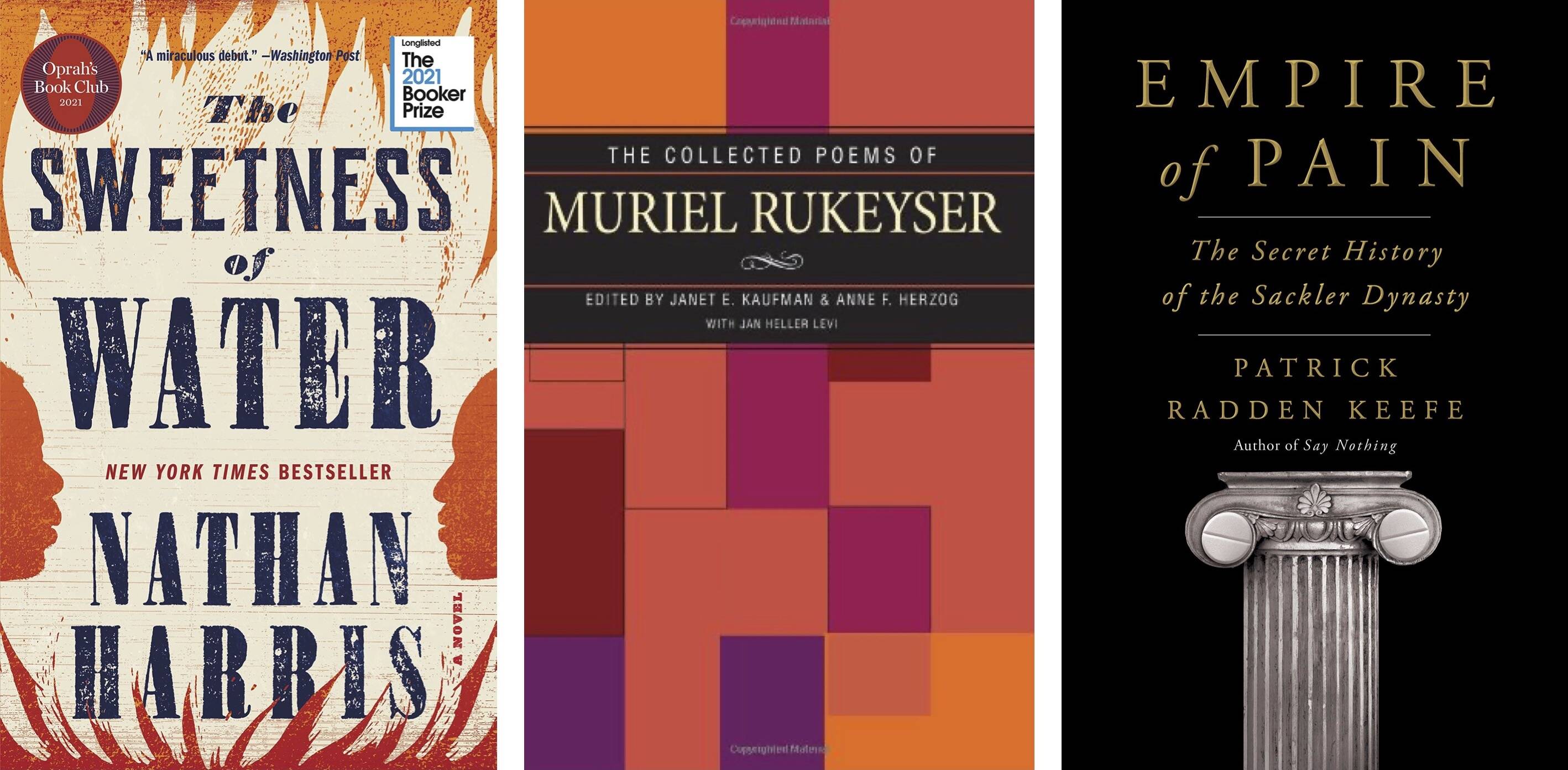 Little, Brown; University of Pittsburgh Press; Doubleday | Other literary awards and honors this week: - "The Sweetness of Water," a debut novel by Nathan Harris, won the Ernest J. Gaines Award for Literary Excellence. The $15,000 prize is presented by the Baton Rouge Area Foundation to an emerging African American fiction writer. Harris's novel is about a grieving White landowner who befriends two recently emancipated Black men. Oprah loved it (and so did I).
- Muriel Rukeyser (1913-1980) was inducted to the American Poets Corner at the Cathedral of St. John the Divine in New York City. Rukeyser's first book, "Theory of Flight," won the Yale Younger Poets Prize in 1935 when she was 21. She went on to write many more celebrated books, including nonfiction, works in translation and children's literature. A 2005 review of her collected poems in The Washington Post said, "Rukeyser appears more and more as an exemplary American modernist, the lyric poet of epic awareness" (review).
- "Empire of Pain: The Secret History of the Sackler Dynasty," by New Yorker writer Patrick Radden Keefe, won the Baillie Gifford Prize for Non-Fiction. This U.K. award, worth about $67,000, recognizes the best work of nonfiction by a writer of any nationality. Keefe's book documents the Sackler family's culpability for the devastating opioid crisis in the United States (review).
 A Fang wannabe shows off the Harry Potter Wizarding World Ravenclaw Pet Hoodie and the Harry Potter Wizarding World Sorting Hat Burrow Dog Toy. (Courtesy of PetSmart) | Harry Potter has gone to the dogs. This week, PetSmart unveiled a new line of canine toys to "unleash the magic of the Wizarding World." This spellbinding collection — help me! — includes the Sorting Hat Burrow Toy, the Harry Potter Glasses Rope Toy and doggy hoodies for Gryffindor, Hufflepuff, Ravenclaw and Slytherin. These regal outfits are everything you'll need to sneak your pooch into the Broadway revival of "Harry Potter and the Cursed Child," which is in previews now at the Lyric and opens Dec. 7. While the original Tony Award-winning production involved two separate performances — abracadabra — it's now a single show running for about three and a half hours. This week also brought news that the "Harry Potter" stars will reunite for a special HBO Max event on Jan. 1 to celebrate the 20th anniversary of "Harry Potter and the Sorcerer's Stone." Daniel Radcliffe, Emma Watson and Rupert Grint — now inexplicably in their 30s — will join other cast members for interviews, reminiscences and archival footage (details). J.K. Rowling, the billionaire author who wrote the novels that inspired the eight films, has been magically disappeared from this planned TV special. Warner Bros. and representatives for Rowling declined to comment. That immediately quelled all speculation that her absence has anything to do with the novelist's compulsion to tweet offensive comments about transgender people (cringe). 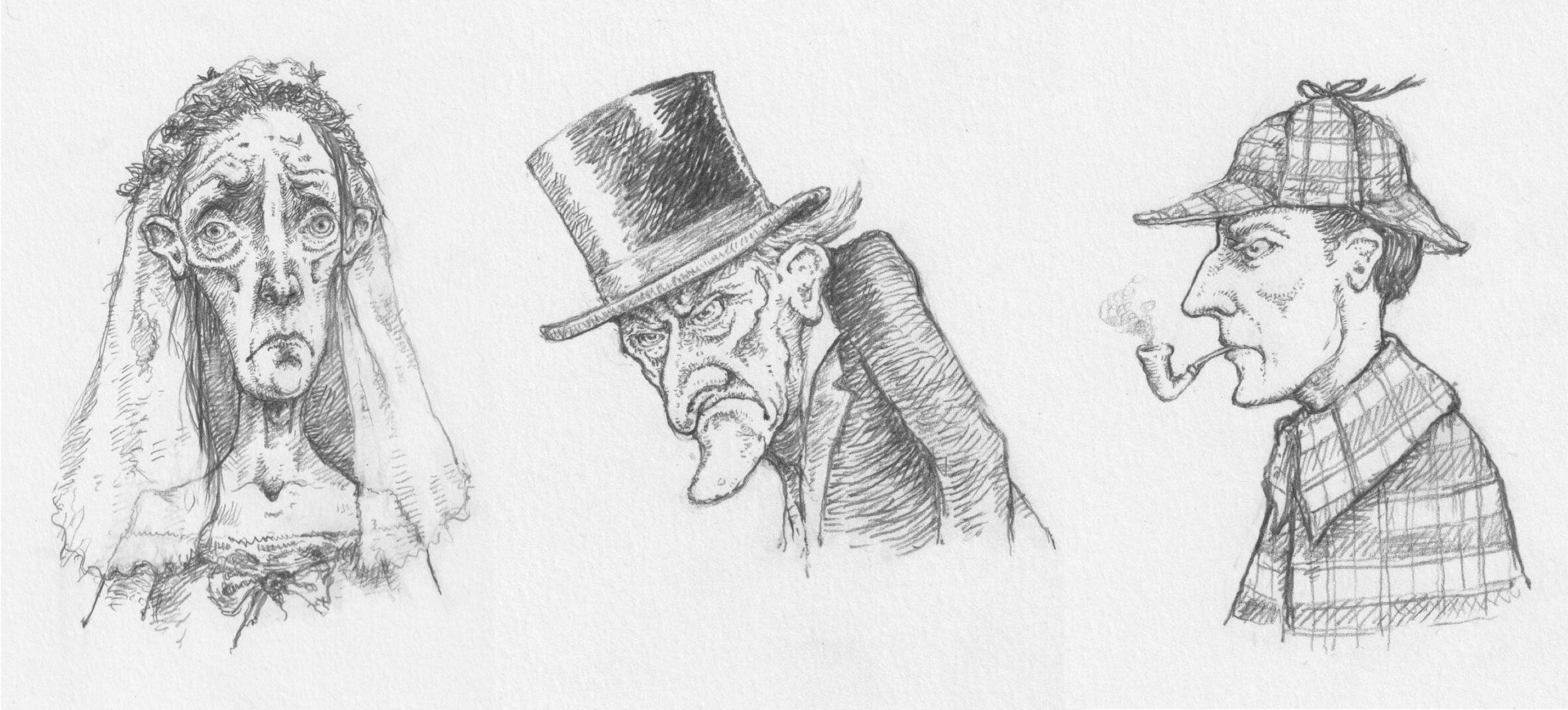 Miss Havisham, Ebenezer Scrooge, and Sherlock Holmes sketched by Edward Carey. (Courtesy of Edward Carey) | Novelist Edward Carey was in London waiting for his family to join him when the pandemic struck. He rushed back home to Austin, Tex., and hunkered down. Feeling stuck on the book he was writing, he started drawing, and he announced on Twitter that he would continue creating a sketch a day until the horribleness was over. Fans of Carey's novels have long appreciated his artistic side. Earlier this year, "The Swallowed Man" — inspired by "Pinocchio" — included a series of haunting drawings (review). But Carey's covid illustrations are something else altogether. At first, his drawings were plague-related — King Lear and Daniel Defoe — but then people started asking for particular subjects, like a capybara or Angela Carter. As the situation in America deteriorated — medically and politically — Carey's illustrations began to reflect the times. "It got so bleak," he says, "that if you weren't addressing what was going on, then you weren't really a human." He created images honoring George Floyd and Breonna Taylor and caricatures of Trump. Five hundred days later, he has a pile of illustrations that is "about the average weight of a newborn child," he says. "I've never written a diary before, but this was probably the only diary I'll ever do." Carey is now selling those one-a-day illustrations online (details). But if those originals are too pricey for you, consider a set of Carey postcards being offered as a fundraiser for the journal American Short Fiction. The pictures were inspired by famous short stories — from Gabriel García Márquez's "A Very Old Man with Enormous Wings" to Edward P. Jones's "The Devil Swims Across the Anacostia River" (details). If you can bear to part with these delightfully macabre cards, your friends will be tickled to receive them in the mail. 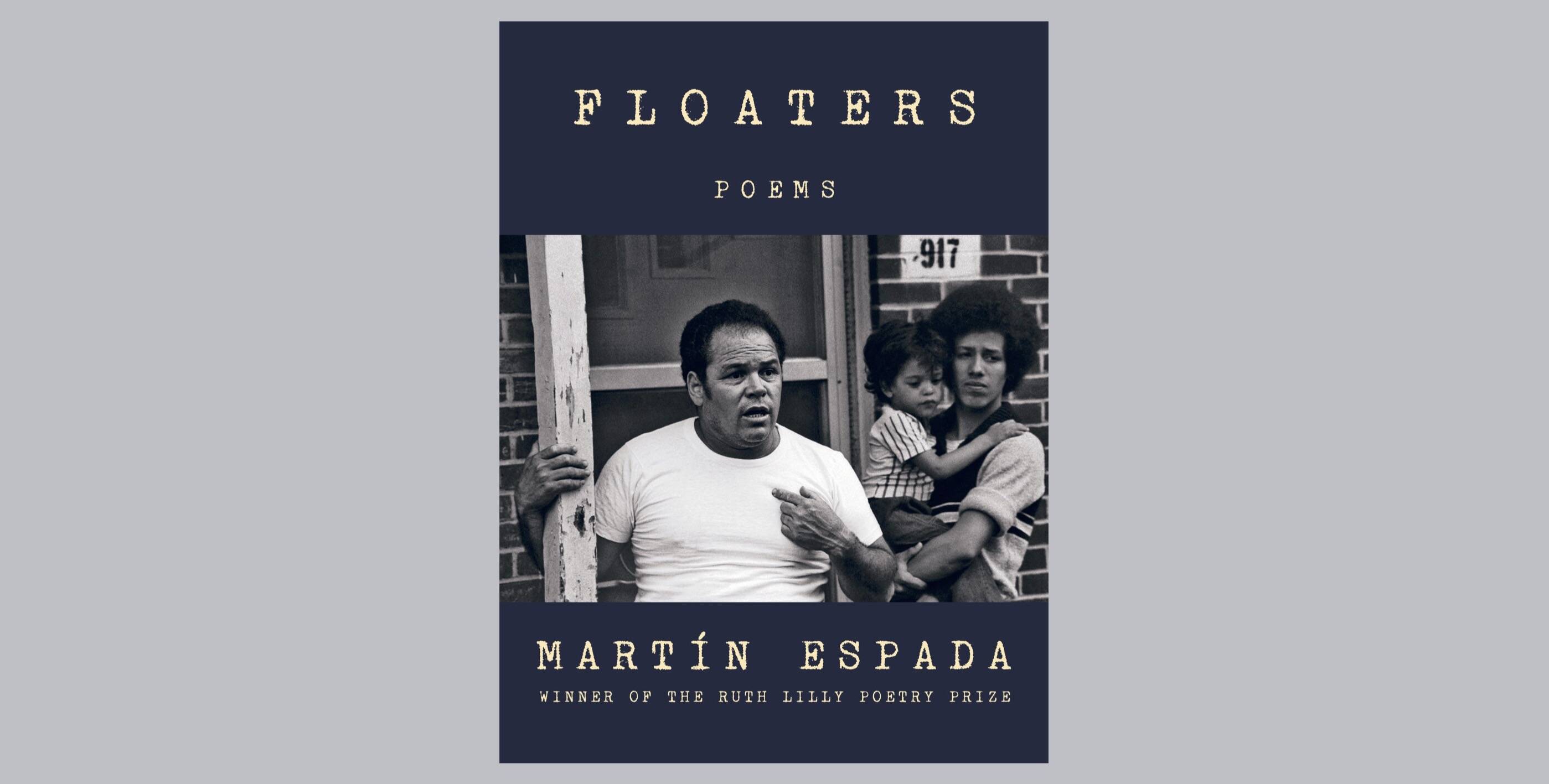 W.W. Norton | Martín Espada's "Floaters," which won the National Book Award for Poetry this week, draws its title from a slang term that some border patrol agents use for dead migrants in the river. Responding to the prize, Espada tweeted, "Recognition of this book is recognition of the people in it, the migrants, the rebels, the poets and the visionaries, crossing borders, dying or refusing to die." Ode to the Soccer Ball Sailing Over a Barbed-Wire Fence Tornillo . . . has become the symbol of what may be the largest U.S. mass detention of children not charged with crimes since the World War II internment of Japanese-Americans. — Robert Moore, Texas Monthly Praise Tornillo: word for screw in Spanish, word for jailer in English,
word for three thousand adolescent migrants incarcerated in camp. Praise the three thousand soccer balls gift-wrapped at Christmas,
as if raindrops in the desert inflated and bounced through the door. Praise the soccer games rotating with a whistle every twenty minutes,
so three thousand adolescent migrants could take turns kicking a ball. Praise the boys and girls who walked a thousand miles, blood caked
in their toes, yelling in Spanish and a dozen Mayan tongues on the field. Praise the first teenager, brain ablaze like chili pepper Christmas lights,
to kick a soccer ball high over the chain-link and barbed-wire fence. Praise the first teenager to scrawl a name and number on the face
of the ball, then boot it all the way to the dirt road on the other side. Praise the smirk of teenagers at the jailers scooping up fugitive
soccer balls, jabbering about the ingratitude of teenagers at Christmas. Praise the soccer ball sailing over the barbed-wire fence, white
and black like the moon, yellow like the sun, blue like the world. Praise the soccer ball flying to the moon, flying to the sun, flying to other
worlds, flying to Antigua Guatemala, where Starbucks buys coffee beans. Praise the soccer ball bounding off the lawn at the White House,
thudding off the president's head as he waves to absolutely no one. Praise the piñata of the president's head, jellybeans pouring from his ears,
enough to feed three thousand adolescents incarcerated at Tornillo. Praise Tornillo: word in Spanish for adolescent migrant internment camp,
abandoned by jailers in the desert, liberated by a blizzard of soccer balls. Reprinted from "Floaters." Copyright (c) 2021 by Martín Espada. Used with permission of the publisher, W. W. Norton & Company, Inc. All rights reserved. 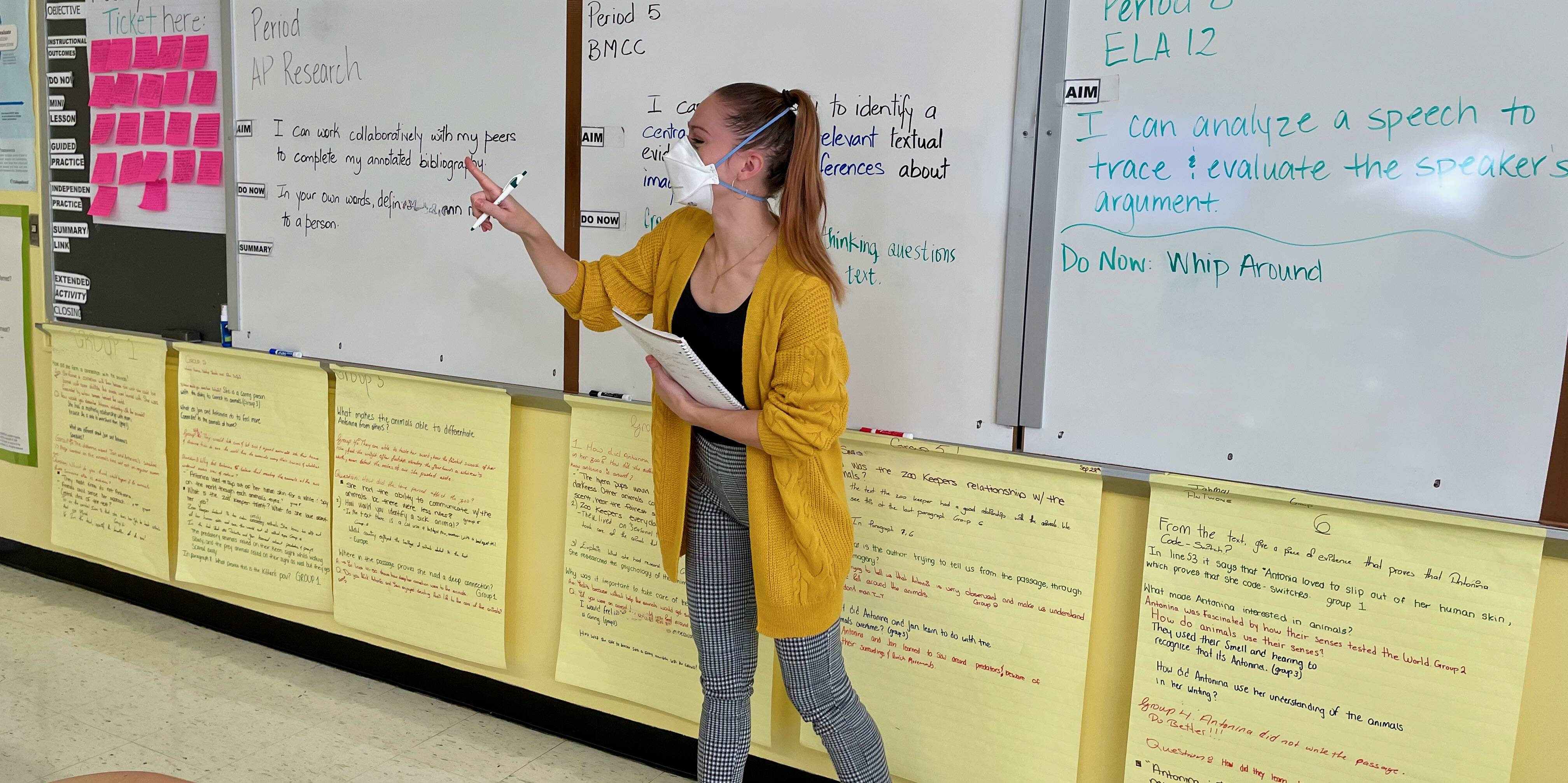 Madeline Charles student teaching in New York. (Photo by Gabriela Figueroa) | Just a few weeks after the pandemic lockdown began, my younger daughter, Madeline, realized her dance career was going to be significantly curtailed. So, she applied to Hunter College for a master's degree in education. Her mother and I – current and past English teachers – know what a fun, rewarding and fulfilling career that is, but we've kept our enthusiasm appropriately muted. This week, Madeline had her first day of student teaching in a real New York classroom. It was a lesson on ethos, logos and pathos. I'm not entirely sure what those are, but I'm feeling thrillos. Meanwhile, send any questions or comments about our book coverage to ron.charles@washpost.com. You can read last week's issue here. And if you know friends who might enjoy this newsletter, please forward it to them and remind them it's free! To subscribe, click here.
Interested in advertising in our bookish newsletter? Contact Michael King at michael.king@washpost.com. |





 Email
Email