| Is President Biden going to run for a second term in 2024? This is not a question that most first-term presidents need to answer. The answer for most is, obviously, yes. But Biden is unique for a few reasons: - At 79, he's already the oldest president ever. He would be 82 when inaugurated to a second term; 86 by the time he leaves office after eight years.
- When he decided to run in 2020, some thought he hinted that it might only be for one term, something he later denied. But that talk persists.
The Post's Michael Scherer, Tyler Pager and Sean Sullivan recently talked to more than two dozen people in Biden's orbit, and they came away with mixed messages about what Biden will do. "He has told people privately that he plans to run," one adviser told them. 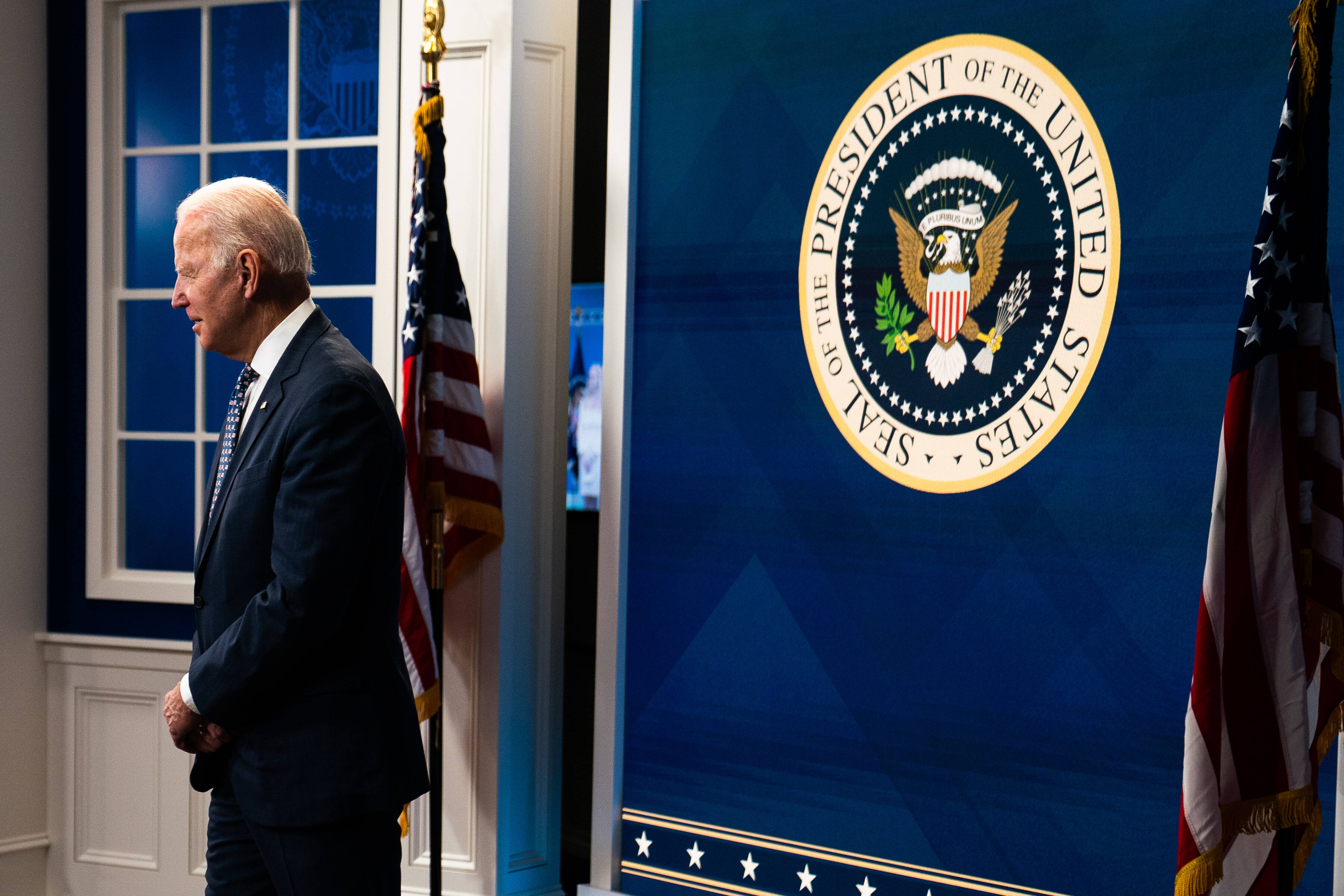 Biden announces his nominee for chair of the Federal Reserve on Monday. (Demetrius Freeman/The Washington Post) | But others said that many around Biden don't think he's running. They think that even if he says he is, it's only to avoid coming across as a lame-duck president. For what it's worth, Biden had a physical exam Friday, and the doctor said he's healthy but warned of a stiffening gait as he walked. Whatever Biden decides — if he hasn't decided already — it should be soon. Because there are a number of Democrats ready to take his place. Will Kamala Harris run, or will she have a challenger?  Vice President Harris and Prime Minister of Canada Justin Trudeau at the White House recently. (Demetrius Freeman/The Washington Post) | If Biden doesn't run, the next in line would be Vice President Harris. But she would have to run for the nomination, just like anyone else, and some Democrats worry she wouldn't get much traction, even after being vice president. We talked last week in this newsletter about some concerns Democrats have about her leadership so far, and it's worth pointing out that she dropped out of the primaries in 2020 before any voting began. Another name getting lots of buzz is Transportation Secretary Pete Buttigieg, who won the Iowa caucuses. He gave a non-answer when asked on NBC whether he or Harris (or maybe both) would run: "She and I are part of a team that is disciplined and doesn't focus on what's obsessing the commentators. We're too busy with a job to do." It's not a secret Harris and Buttigieg want to be president; they already ran for the job. But it's honestly probably too early for them to know if they're going to run in 2024. Just like Republican hopefuls need to wait for Trump to decide whether he's running, Democrats are waiting on Biden to confirm what he'll do. The unapologetic scandal politician 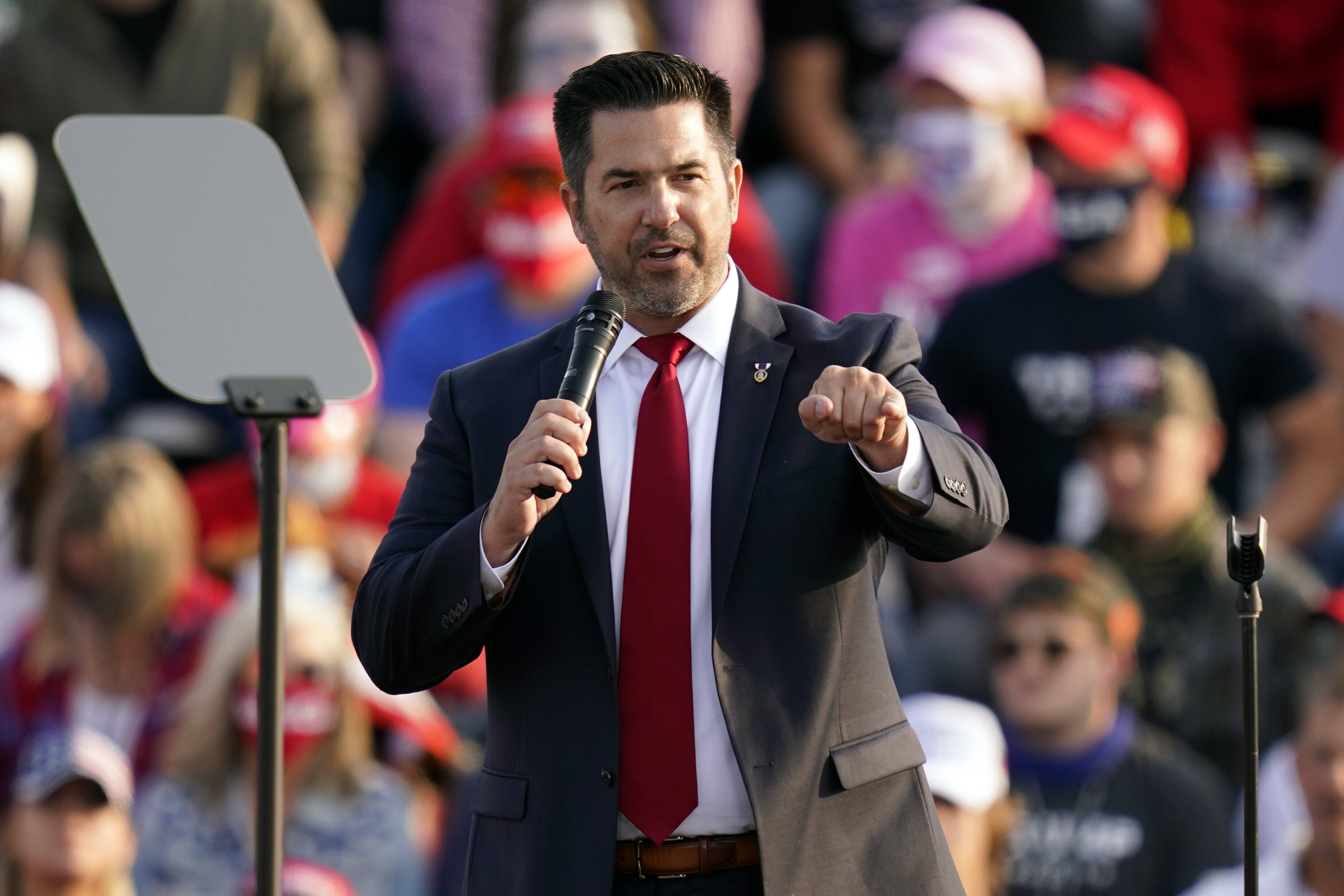 U.S. Senate candidate Sean Parnell, a Republican from Pennsylvania, just lost custody of his children. (Keith Srakocic/AP) | Politicians and scandals are nothing new. But what's relatively new is the lack of contrition many of them have when confronted with overwhelming evidence of their bad behavior. Gov. Andrew Cuomo (D-N.Y.) reluctantly resigned this summer over numerous sexual harassment allegations. And even after losing the support of pretty much the entire Democratic Party, he's still fighting some of them to try to clear his name. The newest data point in all this is a top Republican Senate candidate in Pennsylvania — a state Republicans want to win to take back control of the Senate. Sean Parnell had Trump's endorsement, but then his estranged wife testified in court that he tried to strangle her and hit one of their children. On Monday, Parnell lost custody of his three young children. He dropped out of the Senate race as a result, but he didn't acknowledge any wrongdoing. The former governor of Missouri was forced out by his own party after a gruesome sexual assault accusation. Eric Greitens acknowledged having an affair but denied specific details of the woman's account. Now, Greitens is running for Senate and trying to get Trump's endorsement. Admit no wrongdoing — and taken to its extreme, have no shame — is fast becoming a common mantra in politics, exacerbated by the Trump era, say some operatives I've talked to. This kind of approach worked for the former president, who vociferously fought multiple sexual misconduct allegations and got elected. "It used to be you go away, and you're not heard from again, and you go back to fixing your life," said Republican operative Doug Heye, a Trump critic. "Now it's: I was never wrong, I am always right, and this is a sham, and people will buy that." | 




 Email
Email 


