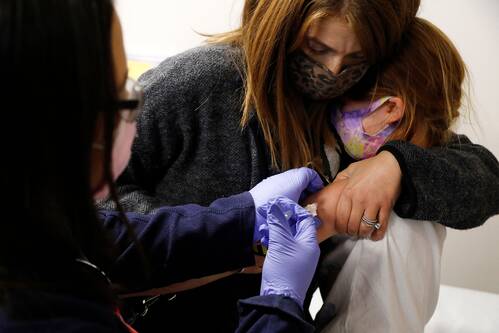
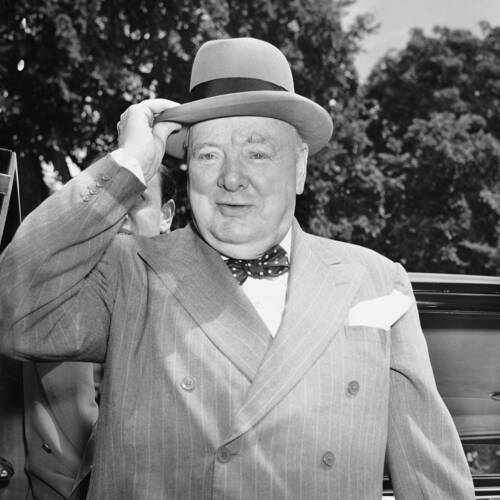
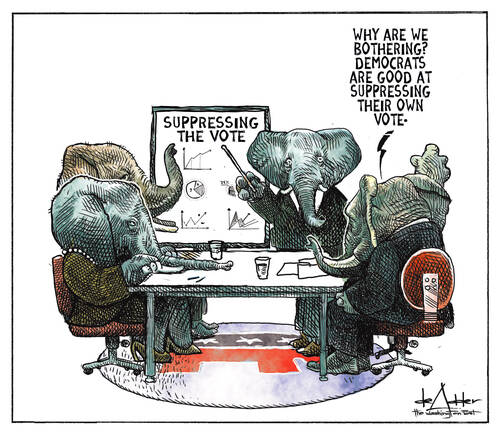
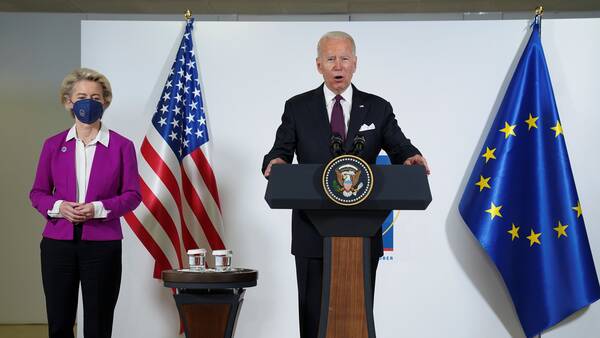
| Who in this country has the right to think and feel, and yet still fulfill their civic duty by sitting on a jury? In Brunswick, Ga., the judge presiding over the case of the killing of Ahmaud Arbery has answered that question simply: White people. Arbery, a Black man, was killed while jogging in February 2020 after being chased by three White men — Gregory McMichael, Travis McMichael and William "Roddie" Bryan — who claimed to suspect him of burglary. As Paul Butler writes in his latest column on this high-profile case, "It's difficult — or should be — for any sentient human being to see the video of Arbery being hunted down and killed and not have an emotional reaction." So yes, prospective jurors walking into Judge Timothy Walmsley's courtroom — Black and White — were likely to have thoughts. The test for those considered in the final selection should not have been whether they had exposure to the case, or opinions about the role race played, but whether they could be taken by their word that they would weigh the evidence fairly. One, Butler writes, said she thought that a "lot of time [police] profile Blacks," and another stated that she believed race had played a factor. Both were White and allowed to stay, while Black jurors — including one whose fiancée had expressed solidarity with Arbery on Facebook — were dismissed. The empaneled group contains only one Black juror. Butler explains why representation matters and points out that the Supreme Court has agreed. "In cases involving race it is important — but not constitutionally required — to have Black people serve as jurors," he writes, "to communicate to the community that everyone can have confidence in the verdict. Good judges understand that." In this case? "Apparently," Butler writes, the judge has found "it's only the Black jurors whose awareness and humanity made them unfit to serve." 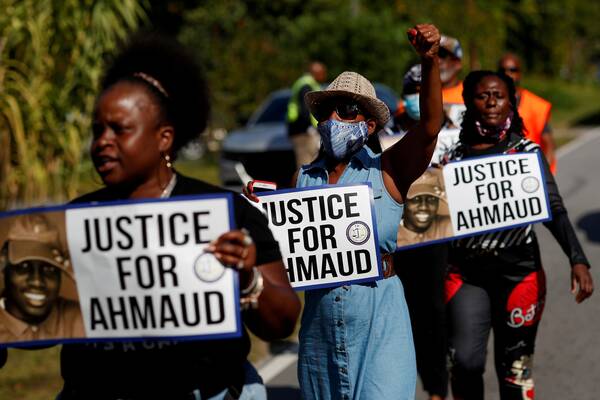 (Octavio Jones/Reuters) The defense removed 11 of the 12 Black prospective jurors, and Judge Timothy Walmsley let them get away with it. By Paul Butler ● Read more » | | | | Reform means more than just laws. It means changing how we think about crime and community. By Karen Attiah ● Read more » | | | | Columnists answered reader questions. Reader Q&A ● By David Byler, E.J. Dionne Jr., Henry Olsen and Karen Tumulty ● Read more » | | | | Backing the elimination of the tax breaks benefiting the nation's elites is something we can all agree on. By Henry Olsen ● Read more » | | | The initial vaccine rollout offers some key lessons. Let's get it right this time. Audio Article ● By Leana S. Wen ● Read more » | | | | The problem with Taiwan is that the real world keeps intervening in all sides' tacit agreement to suspend disbelief. By David Ignatius ● Read more » | | | | The takeaway from this week's election results: Do not retreat but pass Biden's agenda and trumpet the impact to voters. By Eugene Robinson ● Read more » | | | | Every time Joe Manchin talks to reporters, it seems the whole thing's going to fall apart. But that's not the real story. By Paul Waldman and Greg Sargent ● Read more » | | | | The justices declined to review an outrageous ruling from Denver involving the right to record police. By Radley Balko ● Read more » | | | | Let's not pretend we're having an actual policy debate about education. By Paul Waldman ● Read more » | | | Geoffrey Wheatcroft's biography attempts to turn Churchill into a bit player in our modern-day morality play. By Michael Gerson ● Read more » | | | | Pass the Biden agenda and find out. By Jennifer Rubin ● Read more » | | | | Newsmax reporter Emerald Robinson tweets a way-out-there covid conspiracy theory. Her employer issues a statement trying to keep the company in the real world. By Erik Wemple ● Read more » | | | | Republicans are turning the tables on a longstanding leftist cycle. By Megan McArdle ● Read more » | | | | Texas attacks voting. The Justice Department responds. By Jennifer Rubin ● Read more » | | | |




 Email
Email