Tracing A Whole River Teaches A Lot

 We Traced A Whole River
Your lens to the internet's most powerful photographs.
 📸For Your 👀 Only: 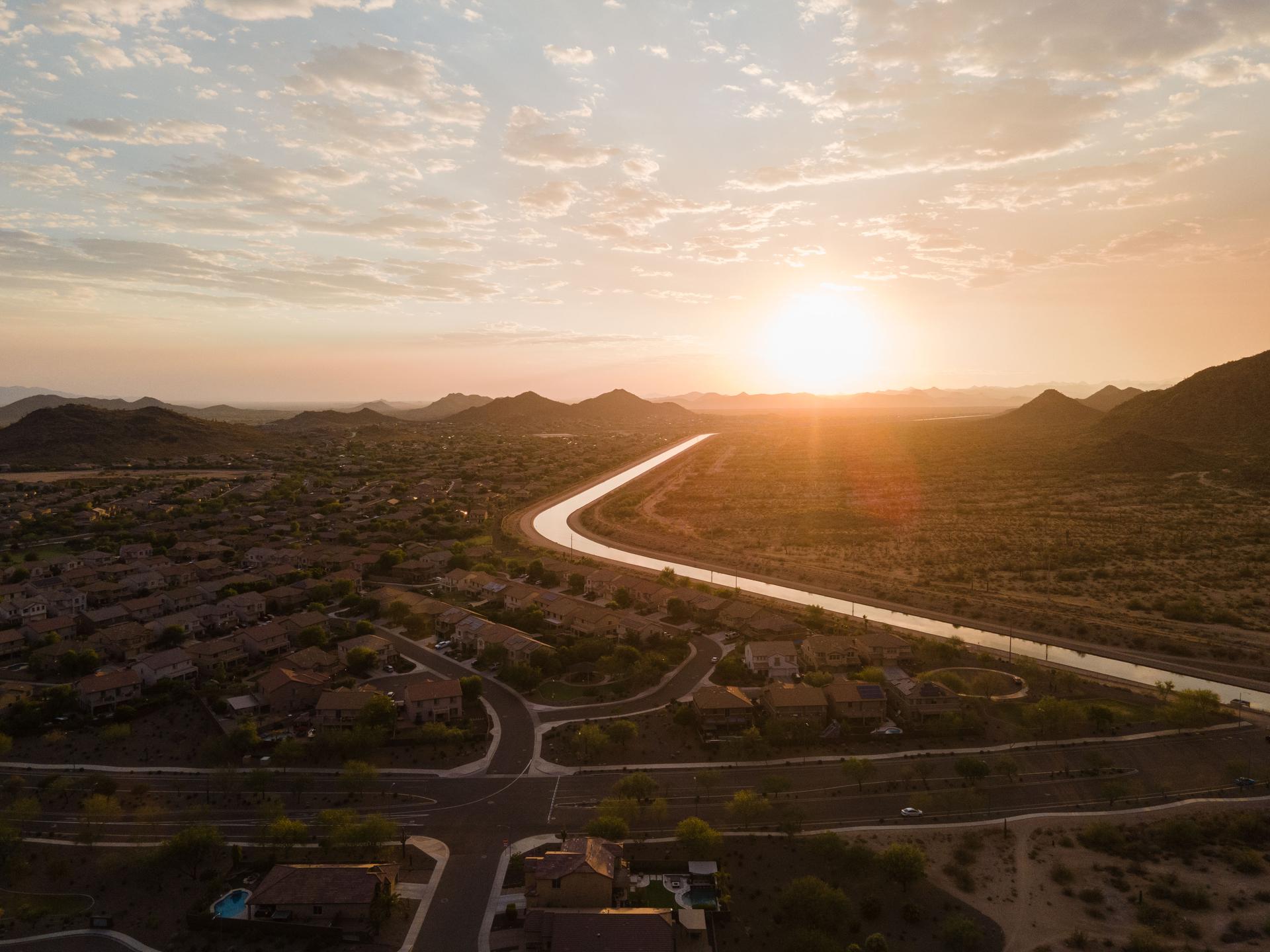 Caitlin Ochs for BuzzFeed News For the past year and a half, Caitlin Ochs and I have been talking about water — how do we use it, how is our infrastructure impacted by it, and most importantly, how do we tell a story of such a huge topic? Ochs was fascinated in particular by the Colorado River, the lifeblood of the Southwest that has been mismanaged for most of the past century. She spent over a month on the ground traveling from the source of the river in the Rockies to its dried-up delta on the Mexican border. Although Ochs is primarily a photographer, her reporting and notes led her to write two pieces so far on the topic that elegantly explain why we cannot take this resource for granted — and the consequences we face when we do. How did you first learn about the Colorado River crisis, and how did you approach reporting on this?
I've wanted to work on a story about water scarcity in the southwestern United States for over a year, but was derailed by COVID. I grew up out west, so the changes we are seeing in terms of extreme weather events happening more often is a close issue for me. I have family in California that has had to evacuate their home multiple times due to fires in the last two years. I have family in Arizona, which has always been extremely conscious of water use, and has grown increasingly concerned about water scarcity as this drought stretches on and on. I wanted to approach this story from a human perspective centered on the question: How are Americans adapting to climate change? Because if you look at the last year — it doesn't matter where in this country you live — I would bet you have been impacted. Whether it's wildfires, flooding, freezing temperatures spiking electric grids, hurricanes, drought. Scientists say the probability of this stuff happening is just going to get worse and worse, so I wanted to really do a deep dive into the issue of water shortages on the Colorado River. Not just a piece reacting to something happening like Lake Mead dropping another however many feet, but a piece that would help people understand more about what we're seeing in the Southwest. 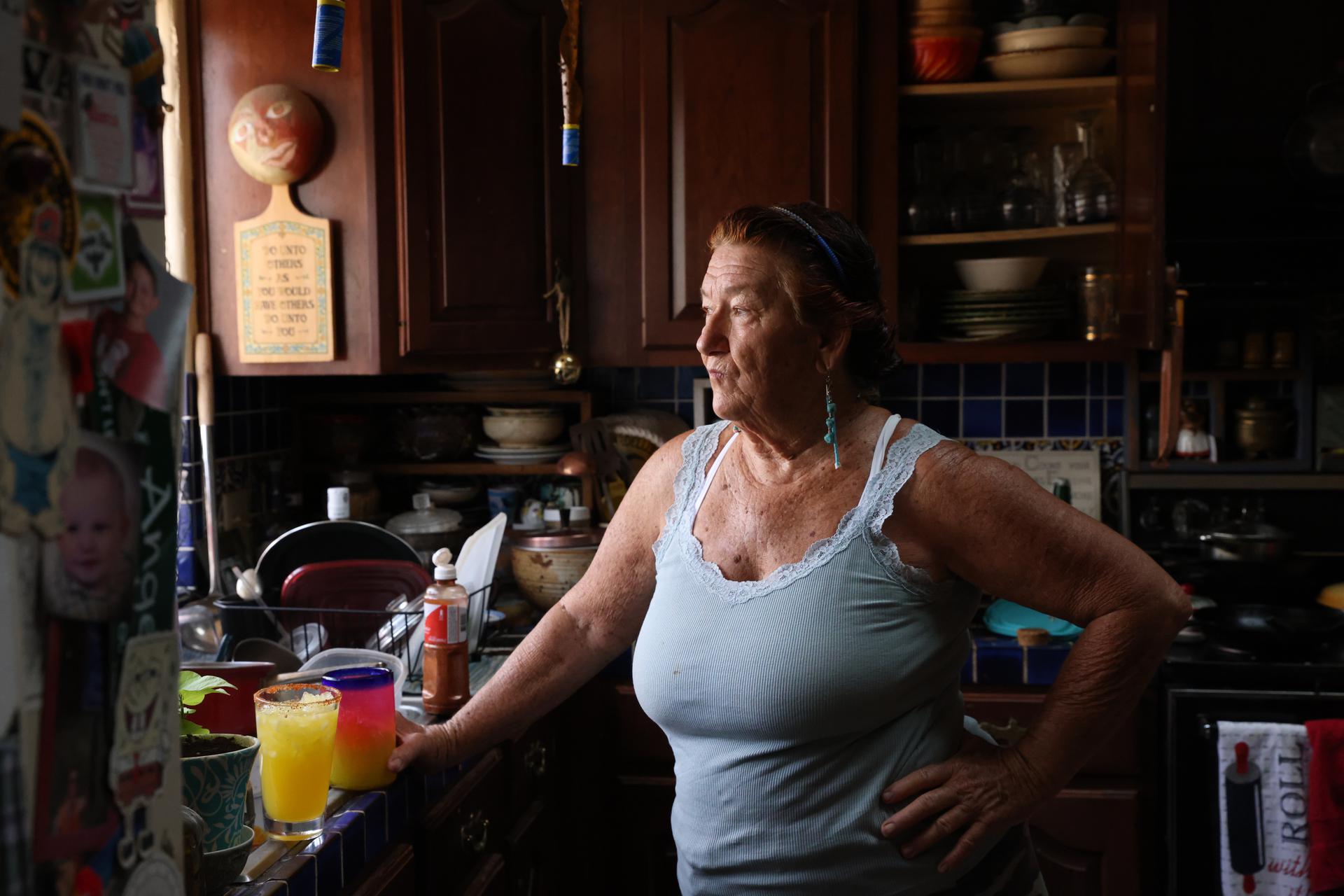 Caitlin Ochs for BuzzFeed News How many people did you talk with (approximately) and how did you find them?
I interviewed close to 40 people — maybe more in the end. I really wanted to understand the perspectives of different stakeholders depending on, and connected to, the Colorado River. Where that effort led me was a lot of fascinating conversations. Probably my favorite part of journalism is understanding and learning about someone else's world. I spoke with paleoclimate folks, farmers, Native American leaders in the water sphere, researchers, politicians, hydrologists, tree ring scientists, and normal everyday people living in the upper and lower basin states surrounding the Colorado River. All in all, I spent 30 days in June roasting during one of the hottest heat waves to document this story, and put 5,000 miles on the rental car.
Is there any one person whose story sticks out to you? Who was the most helpful?
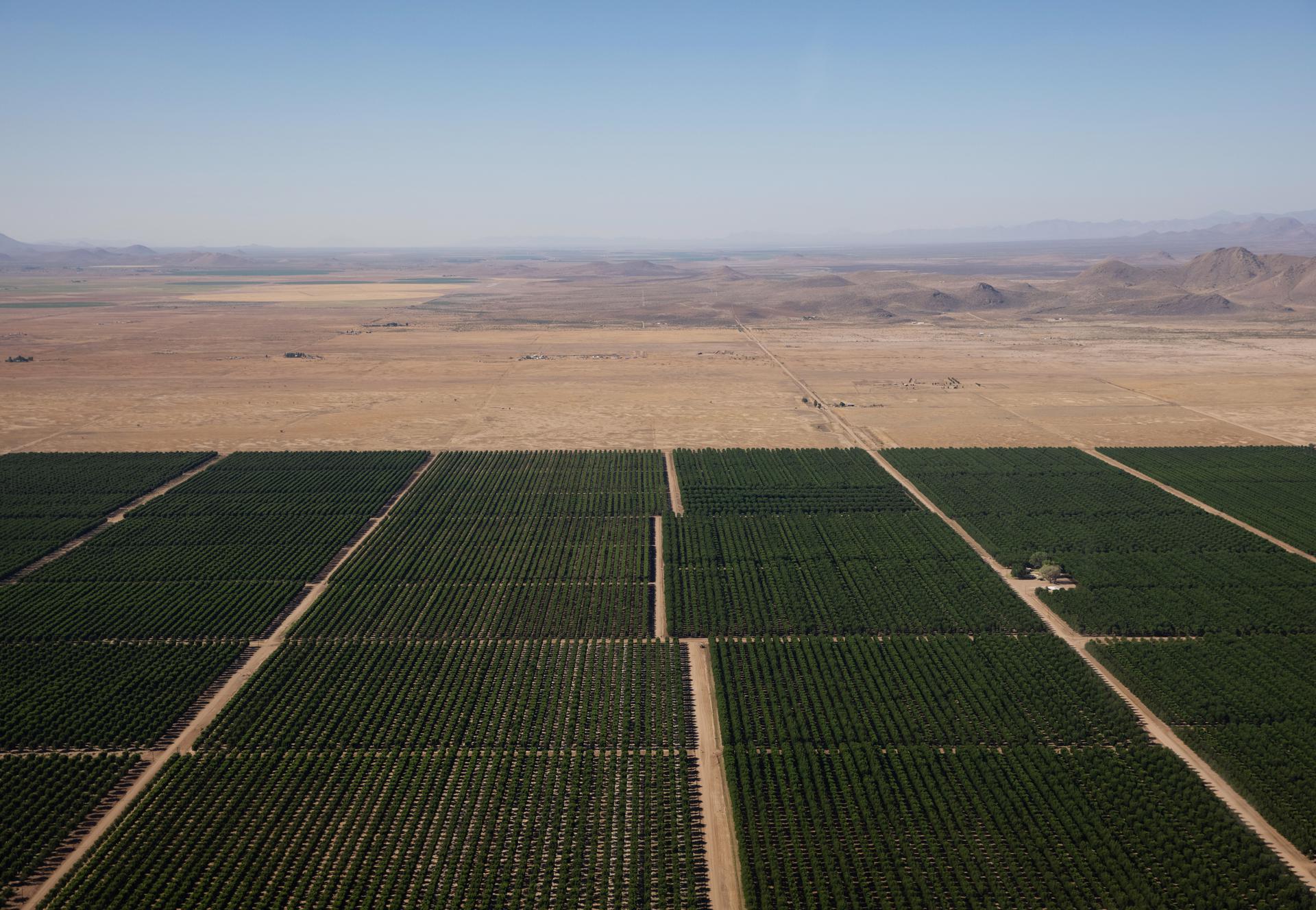
Ah. Really hard to choose. The Colorado River connects so many incredible human beings for so many different reasons. Learning about people's connection to water and how it led them in many cases to their lives' work was such a privilege. Talking to Connie Woodhouse and the research I saw happening at University of Arizona's Laboratory of Tree-Ring Research completely blew my mind. Seeing a core sample of a tree that is hundreds and hundreds of years old under a microscope with the capacity to show growth in that tree down to the cellular level was absolutely amazing. It changed how I think about trees and plants. Bob Martin and his colleague Gus, who worry every day about water levels at Lake Powell and the logistics of continuing to have hydropower at the Glen Canyon Dam, really crystallized how complex managing the hydrology is. Jennifer Pitt, who led a trip on a 120-degree day to parts of the dried-out former delta of the Colorado River to a sliver of a restoration site that is reviving critical natural habitat. Daryl Vigil of the Jicarilla Apache Nation, who cofounded the Water and Tribes initiative and has tirelessly worked to get the 30 tribes in the Colorado River Basin access to their senior water rights. Volunteer pilots, who flew me in tiny Cessnas to capture key aerials of the landscapes. 
 Caitlin Ochs for BuzzFeed News What was the most surprising thing about this project?
That for water scarcity in the Southwest, technical solutions aren't really the silver bullet we are hoping for. Most people I interviewed say it comes down to figuring out better policies and investing in more infrastructure.
What was it like being on the ground in Arizona?
Hot. Most days were over 100 by about 9 a.m. I kept two 5-liter jugs of water in the car at all times, and drank probably a gallon of water or more every day and was still somehow always thirsty. It was also beautiful. Some of the canyons and the colors of the desert, especially near sunrise and sunset, are breathtaking. I totally get it now why the Southwest has inspired so many artists.
What are you most proud of? That I was able to see a majority of the Colorado River, from snowshoeing near its snow-fed headwaters in Colorado mountains, to hiking in the bone dry former delta. This felt really important to me because I needed to see places I had researched. Along the way, I was reporting and photographing, which sometimes required focusing on two completely different things at the same time. Figuring out how to really listen to subjects and what they were talking to me about, while simultaneously thinking about the visual component of the story, was critical to success. I had 30 days, which is a lot of time on paper, but when you factor in the length of the river, it suddenly feels extremely tight.
Would you do anything differently?
Always! Every project I learn. The biggest change I would make for this one is to allow more time for driving and buffer days for people's schedules, which inevitably changed. 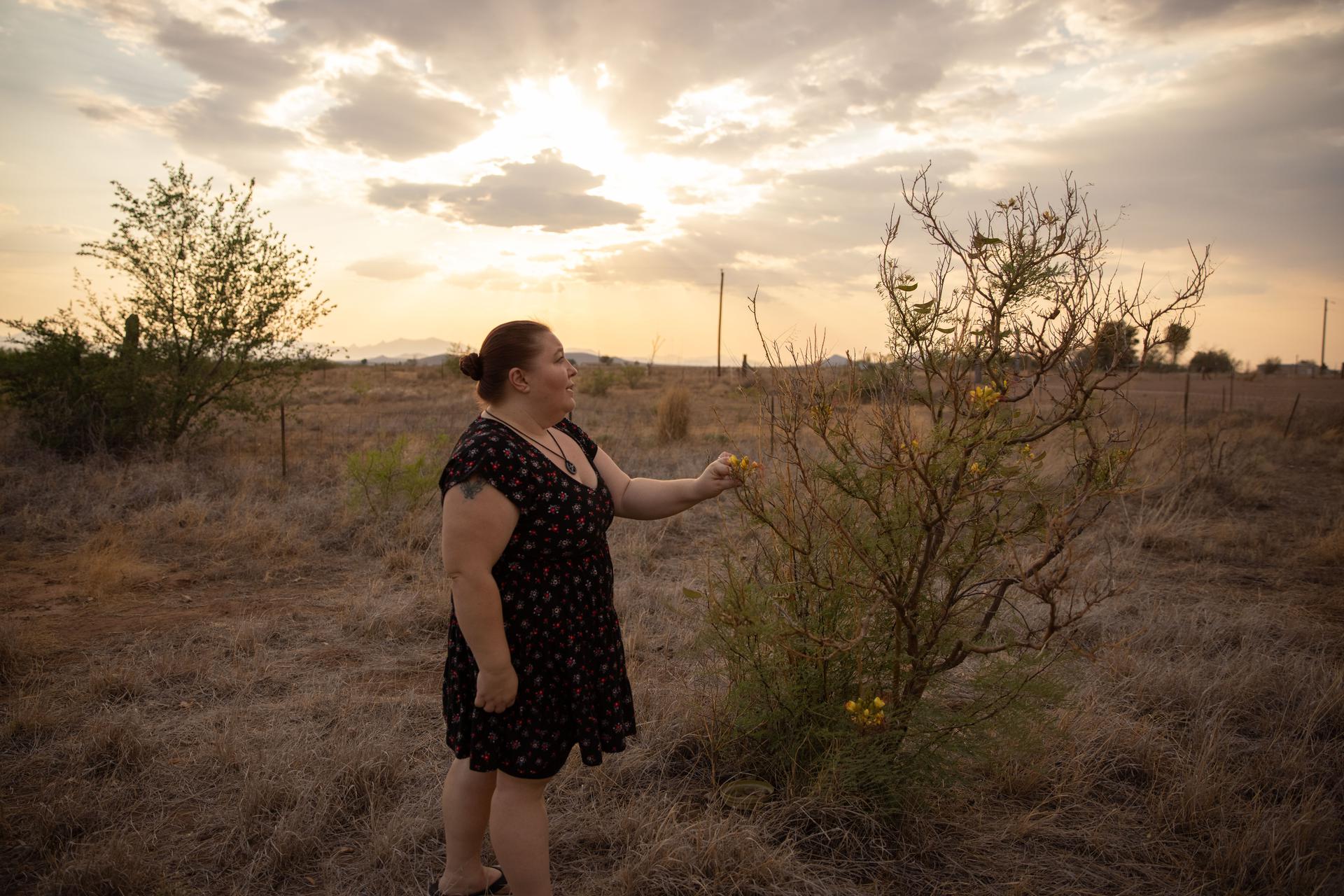 Caitlin Ochs for BuzzFeed News
 📸MORE FROM OUR DESK 📸 As always, here are some of the best photo stories from around the internet, and what we loved from our desk. GORGEOUS UNDERWATER PHOTOS SHOW US WHAT LIFE IS LIKE UNDER THE SEA 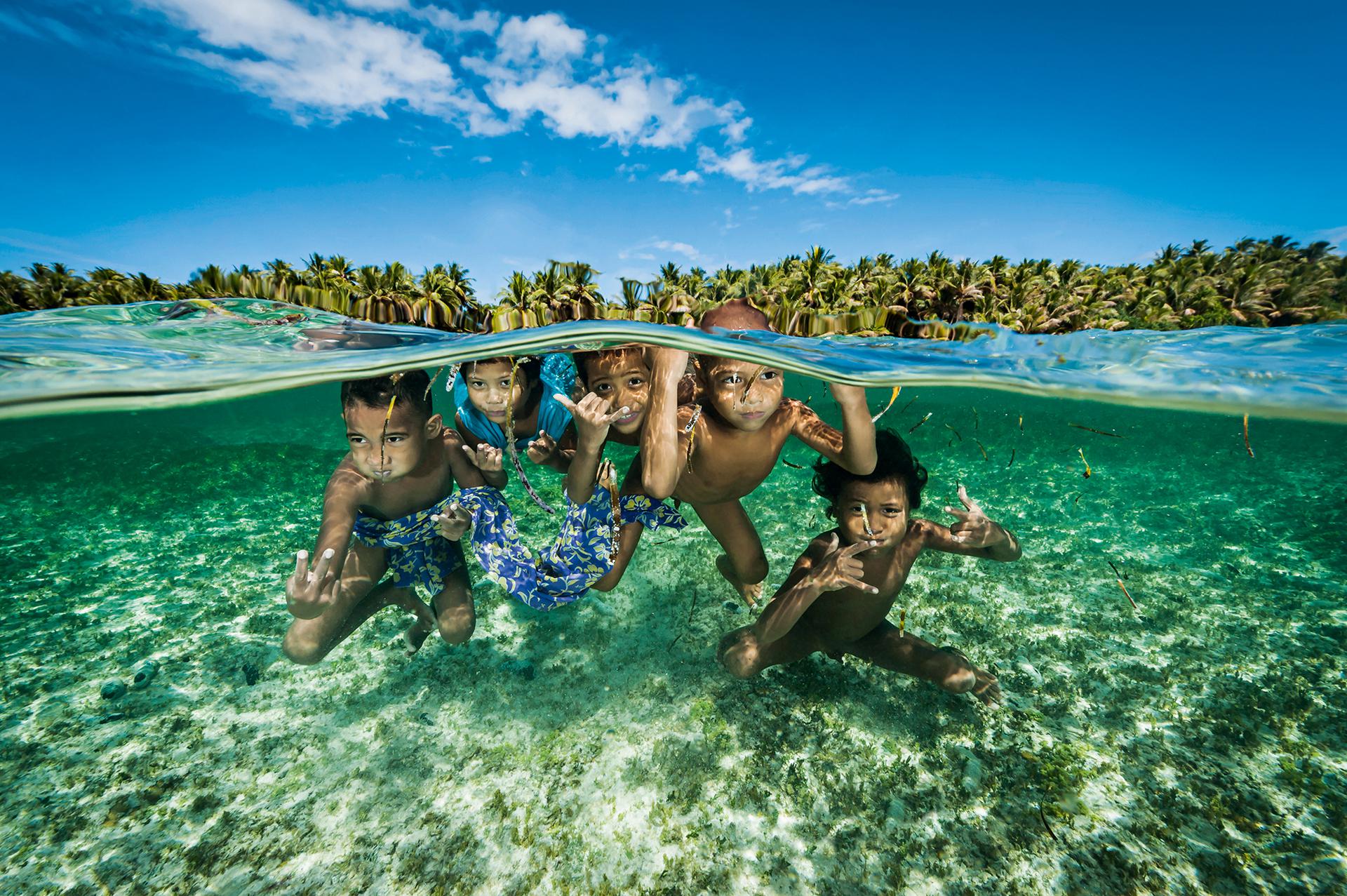 David Doubliet
BEAUTIFUL IMAGES ARE A HARSH CRITIQUE OF VIOLENCE AGAINST WOMEN IN INDIA 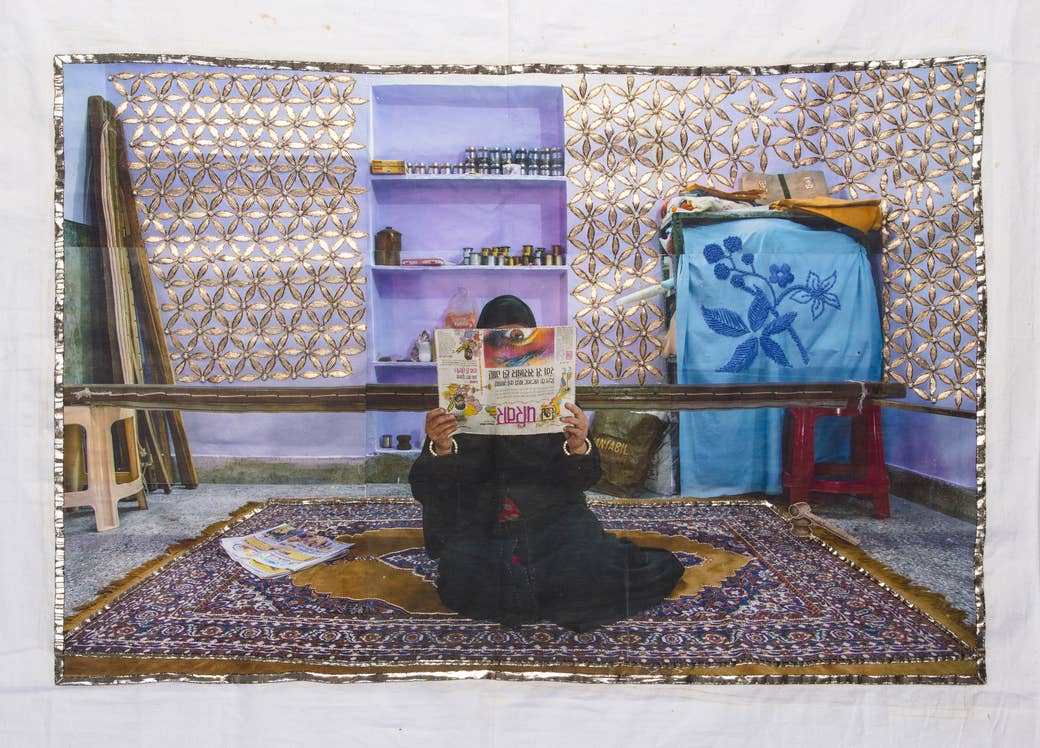 Spandita Malik
AMAZING PHOTOS OF AIRPORT REUNIONS AFTER THE PANDEMIC SEPARATED FAMILIES 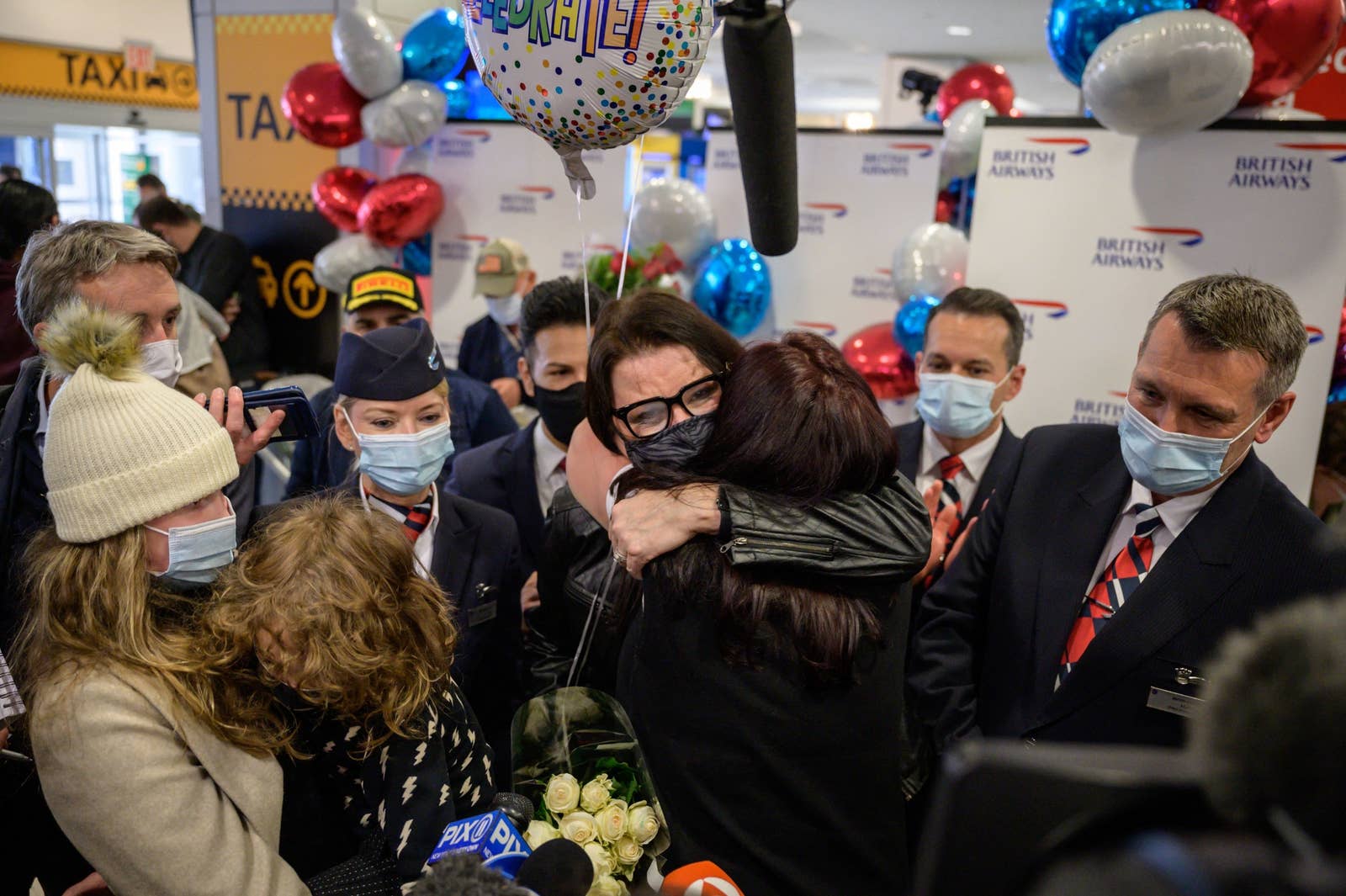 Ed Jones / AFP via Getty Images
5 THINGS WE LOVED THIS WEEK 1. Em Rata and the NYTimes reflect on what it means to have a body, hot or otherwise
2. The extra-ness of the Britney fans who helped free her
3. If you, like millions of Americans, have worried about hair loss in the last 12 months, this story is for you
4. The Cut hung out with the wheelie guys who rule NYC streets
5. the Vogue Italia photo festival starts this week on Nov. 15
LAST LOOK 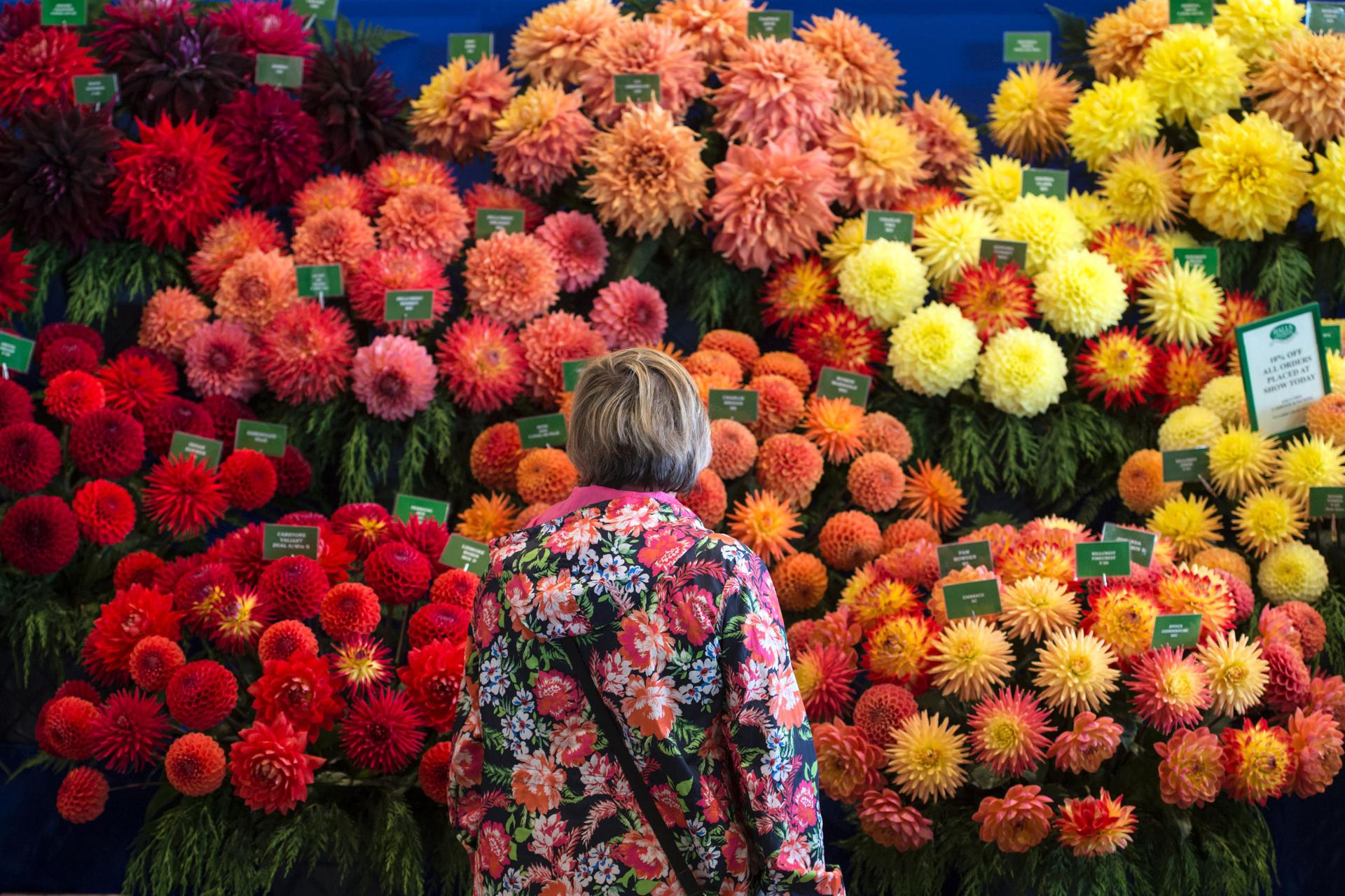 Oli Scarff / AFP via Getty Images Members of the public admire the displays of flowers at the Harrogate Autumn Flower Show, in Harrogate, England, on September 16, 2016. "We are making photographs to understand what our lives mean to us." — Ralph Hattersley That's it for this week! Kate + Pia
📝 This letter was edited and brought to you by the News Photo team. Kate Bubacz is the photo director based in New York and loves dogs. Pia Peterson is a photo editor based in Brooklyn. You can always reach us here.
BuzzFeed, Inc. |


