200 HP Electric Motor for Car: Everything You Need to Know
Unleashing the Power: The 200 HP Electric Motor for Cars - In the relentless pursuit of cleaner, greener, and more efficient transportation, the automotive industry has undergone a seismic shift in recent years. One of the technological marvels driving this transformation is the 200 horsepower (HP) electric motor, an engineering masterpiece that has taken the world of automobiles by storm. In this comprehensive guide, we will delve deep into the realm of 200 HP electric motors for cars, exploring their advantages, disadvantages, critical considerations, and notable examples.
 |
| 200 HP Electric Motor for Car: Everything You Need to Know |
The Powerhouse Within: Understanding the 200 HP Electric Motor
The 200 HP electric motor is a formidable force beneath the hood of modern electric vehicles (EVs). Its primary role is to generate sufficient power to propel a car to highway speeds, offering a thrilling and eco-conscious driving experience. These robust motors find their home in a range of high-performance electric vehicles, including sports cars and sleek sedans.
The Pros of the 200 HP Electric Motor
Instant Torque: One of the standout features of electric motors is their ability to deliver maximum torque at zero RPM. This characteristic translates into lightning-fast acceleration, making them the ideal choice for sports cars and vehicles requiring rapid bursts of speed.
High Efficiency: Electric motors are renowned for their exceptional efficiency. They can convert a significant portion of the energy stored in the vehicle's battery into power, thus enhancing the overall range of an electric car. This means fewer charging stops and a more convenient driving experience.
Low Maintenance: Electric motors require minimal maintenance compared to their gasoline-powered counterparts. This results in significant long-term cost savings for vehicle owners, as they spend less on upkeep and repairs.
The Cons of the 200 HP Electric Motor
High Cost: The upfront cost of electric motors remains higher than traditional gasoline engines. However, this cost disparity is gradually narrowing as EV technology advances and economies of scale are realized.
Weight: Electric motors tend to be heavier than their gasoline counterparts. This added weight can impact the car's overall performance, including acceleration and handling. Nevertheless, innovative engineering solutions are continuously improving the power-to-weight ratio of these motors.
Range Anxiety: Electric cars, including those equipped with 200 HP motors, still face the challenge of limited range. This limitation can be a concern for drivers planning long-distance journeys, necessitating careful route planning and access to charging infrastructure.
Critical Considerations When Choosing a 200 HP Electric Motor
When contemplating the integration of a 200 HP electric motor into a vehicle, several factors should be carefully weighed:
Car Size and Weight: The motor's power output must align with the car's size and weight. It should be powerful enough to ensure adequate performance without negatively affecting handling and maneuverability.
Battery Compatibility: The chosen motor should be compatible with the car's battery system. Ensuring that the battery can supply the necessary power to the motor is crucial for optimal performance.
Budget Constraints: Electric motors, while delivering outstanding benefits, can come with a higher initial price tag. Prospective buyers should consider their budget when selecting a motor and evaluate the long-term cost savings.
Notable 200 HP Electric Motors for Cars
Several remarkable vehicles showcase the capabilities of 200 HP electric motors:
Tesla Model 3 Performance: The Tesla Model 3 Performance boasts a 200 HP electric motor capable of propelling the car from 0 to 60 mph in just 3.1 seconds, exemplifying the brand's commitment to performance and sustainability.
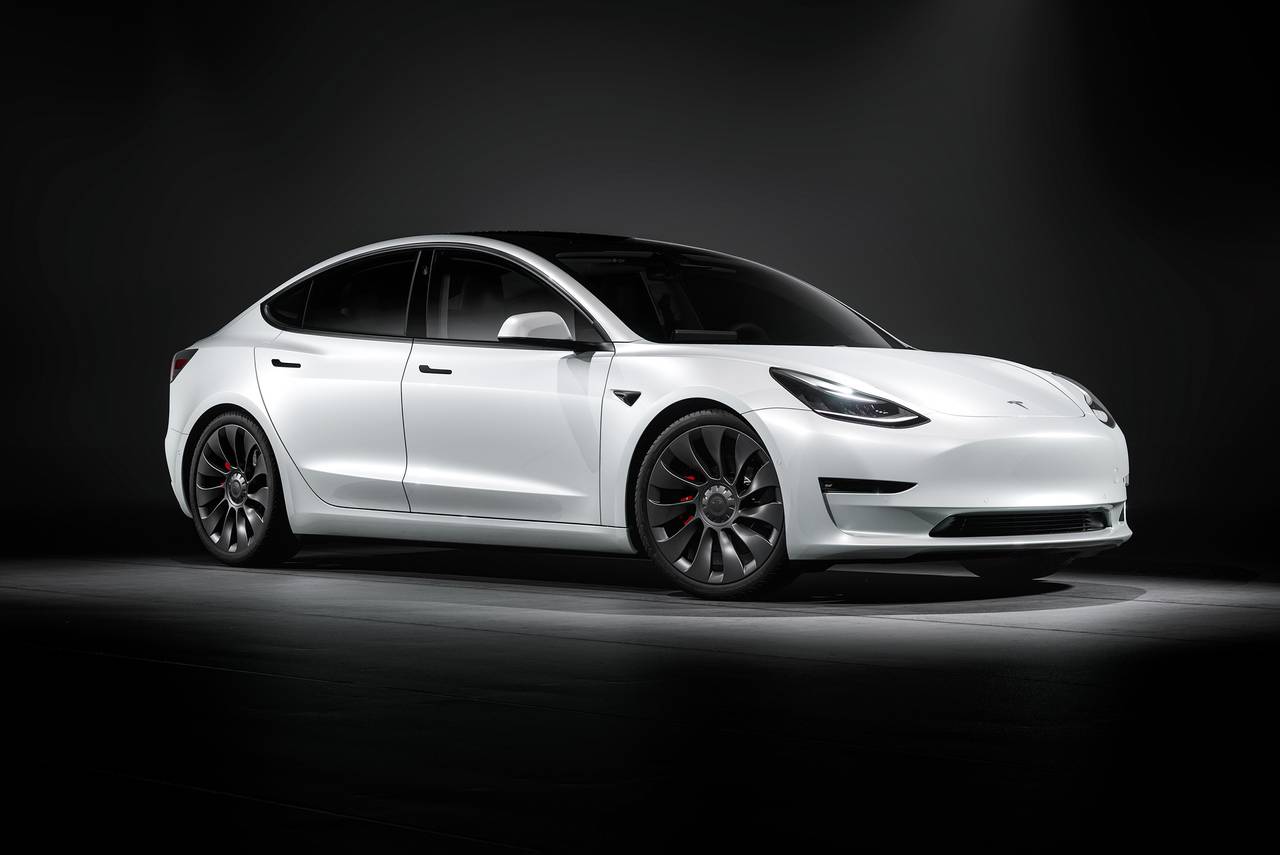
Porsche Taycan Turbo: Porsche's Taycan Turbo features two 200 HP electric motors, one on each axle, delivering a combined 400 HP. This electric supercar accelerates from 0 to 60 mph in a mere 3.0 seconds, blending power and luxury seamlessly.

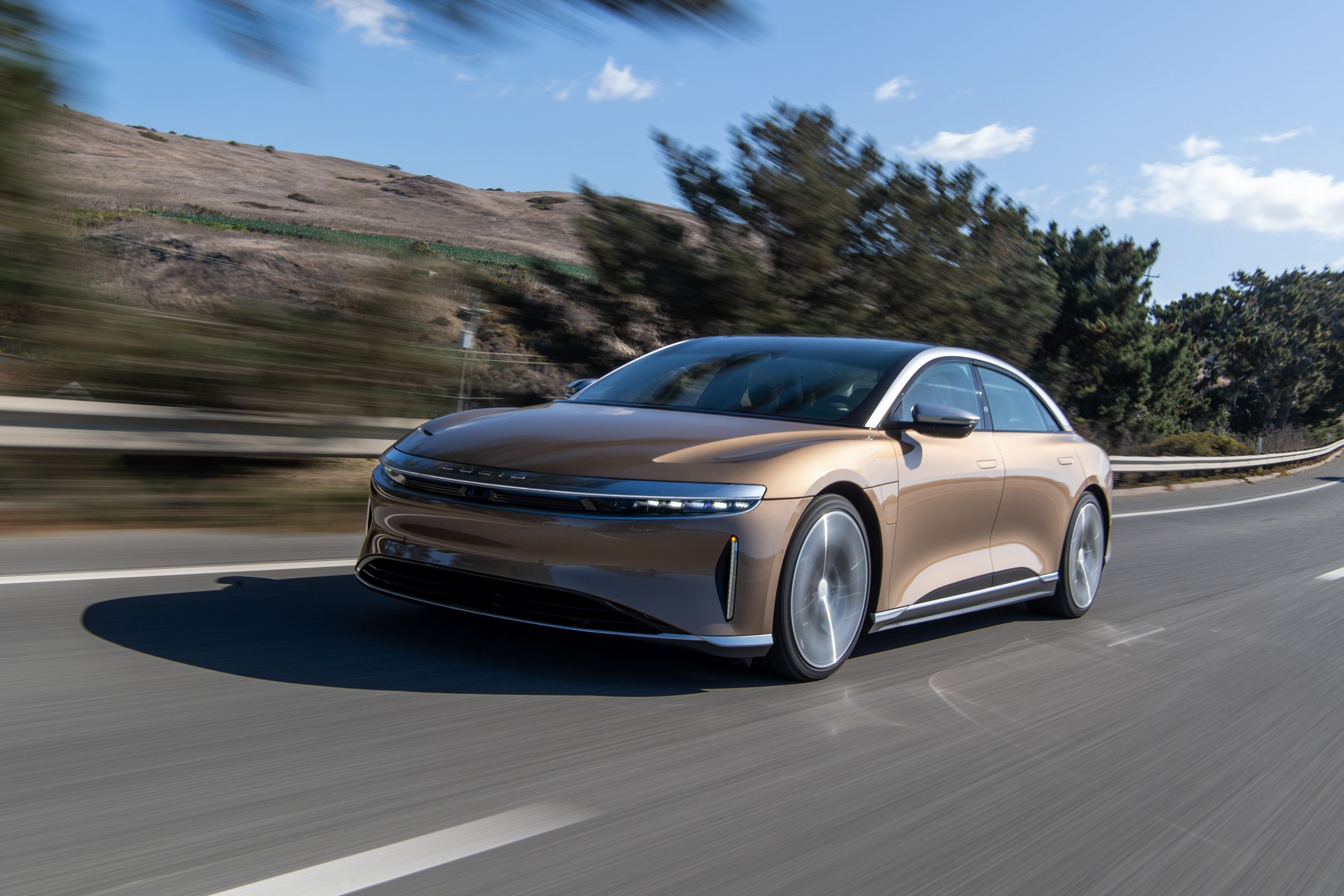
Lucid Air Dream Edition Performance: The Lucid Air Dream Edition Performance combines two 201 HP electric motors, providing a total power output of 402 HP. Its lightning-fast acceleration from 0 to 60 mph in just 2.5 seconds positions it at the forefront of EV innovation.
Conclusion
The 200 HP electric motor stands as a symbol of innovation in the automotive industry, offering potent performance, energy efficiency, and reduced maintenance requirements. However, prospective buyers must carefully weigh the advantages and disadvantages of this technology, considering factors like car size, battery compatibility, and budget.
In the era of electric mobility, remarkable vehicles like the Tesla Model 3 Performance, Porsche Taycan Turbo, and Lucid Air Dream Edition Performance showcase the immense potential of the 200 HP electric motor, bridging the gap between exhilarating driving experiences and environmental responsibility. As technology advances and economies of scale continue to evolve, the future of electric propulsion holds even more promise, making it an exciting time for both automakers and consumers alike.
