Changes in Behavior and Cognitive Processes over Time
Exploring the Dynamic Landscape of Behavioral and Cognitive Changes Across the Lifespan - The intricate tapestry of human behavior and cognition has captivated the curiosity of scholars across various disciplines for centuries. The enigmatic journey of how our minds evolve over time is a complex and interdisciplinary field that traverses the realms of psychology, neuroscience, developmental biology, and beyond. It seeks to unravel the mysteries of human development, offering insights into how our brains and behaviors metamorphose as we progress through life's chapters.
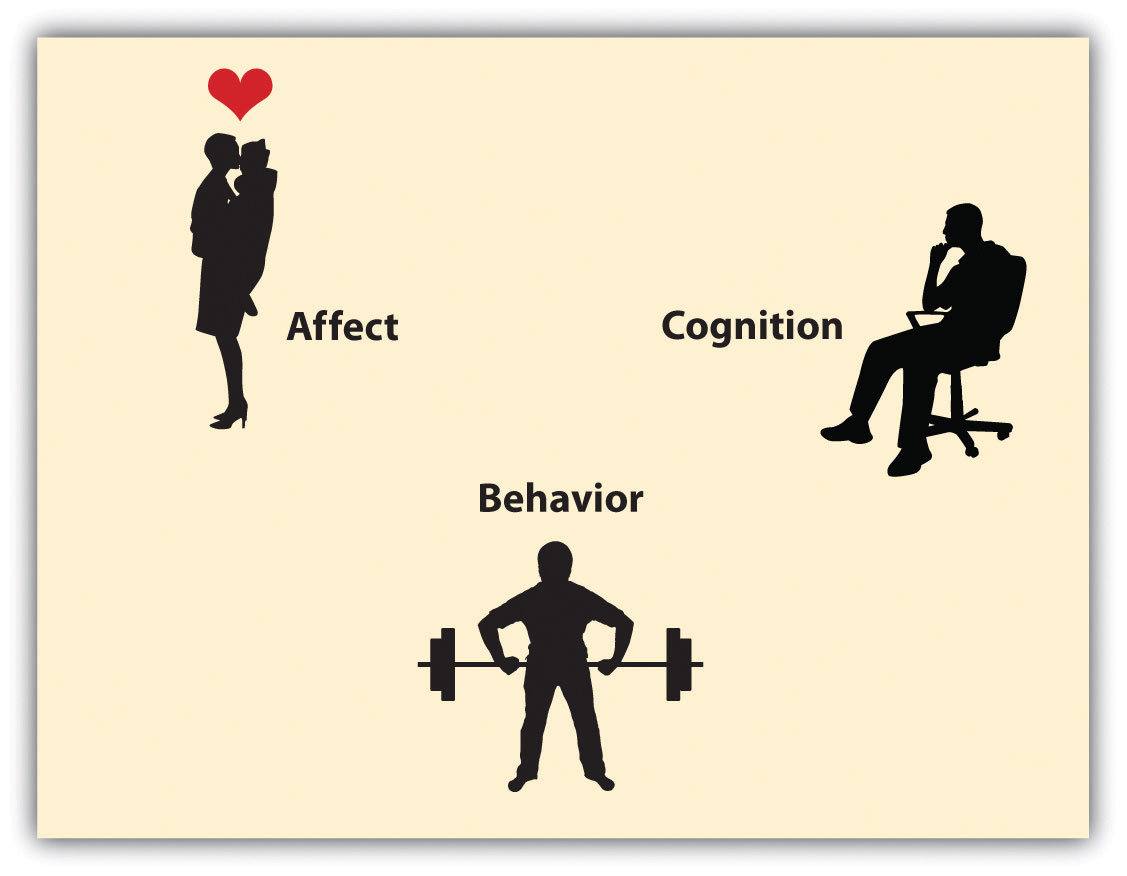 |
| Changes in Behavior and Cognitive Processes over Time |
A myriad of factors orchestrate the symphony of changes in behavior and cognitive processes over time, making this a multifaceted and intriguing study. These factors include:
1. Genetics: The blueprint of our existence, genetics plays a pivotal role in shaping our cognitive destiny. Certain genetic markers predispose individuals to conditions such as Alzheimer's disease and other forms of dementia. Understanding the genetic underpinnings of cognitive change is fundamental in devising tailored interventions and therapies.
2. Environment: Our surroundings wield considerable influence over our cognitive faculties. Exposure to stressful environments can sow the seeds of anxiety and depression, altering the trajectory of our cognitive development. The interplay between nature and nurture is a fascinating avenue of exploration in this field.
3. Lifestyle: The choices we make in our day-to-day lives, from diet and exercise to sleep habits, have a profound impact on our cognitive health. Research consistently shows that individuals who maintain a healthy lifestyle are less susceptible to cognitive decline. It underscores the notion that our cognitive destiny is partly in our own hands.
4. Disease: The specter of neurological diseases like Alzheimer's and Parkinson's casts a long shadow over cognitive health. These diseases can initiate a cascade of cognitive changes that are both distressing and challenging to manage. Understanding the intricate mechanisms at play in these conditions is a pressing concern for researchers.
Researchers employ a plethora of methodologies to decode the enigma of changes in behavior and cognition over time. These include:
1. Neuroimaging: Cutting-edge neuroimaging techniques like MRI and fMRI enable researchers to peer into the intricate architecture and functional dynamics of the brain. These tools provide invaluable insights into how structural changes correlate with cognitive shifts.
2. Neuropsychological Testing: Delving deep into cognitive assessment, neuropsychological tests serve as diagnostic instruments to evaluate memory, attention, executive function, and other cognitive domains. They provide a window into the cognitive changes that occur across the lifespan.
3. Behavioral Observation: The power of observation remains a timeless tool in understanding human behavior. Researchers meticulously observe individuals over extended periods, documenting the subtle nuances and transformations that unfold over time.
4. Surveys: Survey-based research allows scientists to glean valuable data directly from participants. Questionnaires and interviews provide a rich source of information on how individuals perceive and experience changes in their behavior and cognition.
As the sands of time continue to flow, the study of changes in behavior and cognitive processes evolves in tandem. The rapid pace of advancement in research methods and technology has ushered in a new era of understanding. As we continue to expand our knowledge in this field, the implications are far-reaching:
Memory: Memory, that most cherished of cognitive abilities, undergoes a fascinating evolution over the years. While it may seem like a fleeting companion, memory's journey is shaped by a complex interplay of genetics, environment, and lifestyle. The gradual decline in memory is not a monolithic process; rather, it's a nuanced interplay of factors that researchers are working tirelessly to decipher.
Attention: Our ability to focus, sustain attention, and filter out distractions is a cognitive treasure that undergoes transformation as we age. Understanding how attention span shortens over time and its impact on learning and daily tasks is a pressing concern in cognitive research.
Executive Function: The cognitive orchestrator behind our planning, organization, and self-control abilities, executive function, is not immune to the sands of time. Aging can take its toll on these essential skills, affecting decision-making, problem-solving, and time management.
Social Cognition: Navigating the intricacies of human relationships and social situations is an art that matures with age. However, social cognition, the ability to understand and respond to the thoughts and emotions of others, can also experience shifts. Researchers are delving into the complexities of how social cognition evolves, influencing our interactions as we grow older.
Beyond the realm of academic intrigue, the study of changes in behavior and cognitive processes over time carries profound implications for our society and individual lives:
This research serves as a beacon in the quest to fathom the roots of cognitive decline, offering hope for effective interventions and treatments. The burgeoning knowledge in this field paves the way for tailored strategies to preserve and enhance cognitive health, promoting well-being throughout the lifespan.
Education and training programs are not exempt from the transformative insights generated by this research. Armed with a deeper understanding of how cognition evolves, educators and trainers can craft more effective programs that cater to the unique needs of individuals at various stages of life.
In conclusion, the study of changes in behavior and cognitive processes over time is a multifaceted and vital field that continues to unravel the mysteries of the human mind. It is an endeavor that bridges the gaps between disciplines, shedding light on the profound transformations that occur within us as the years pass. As the field marches forward, it equips us with the knowledge and tools needed to navigate the ever-changing landscape of our cognitive selves, ensuring that our minds remain sharp and resilient in the face of time's inexorable march.
