Do Electric Cars Have Spark plugs?
Electric Cars: The Spark Plug-Free Revolution - In the era of electrification and sustainable transportation, electric cars have become the emblematic embodiment of innovation, efficiency, and environmental consciousness. One prominent feature distinguishing electric cars from their gasoline-powered counterparts is the conspicuous absence of spark plugs. In this comprehensive exploration, we delve into the reasons why electric cars don't have spark plugs, their advantages, disadvantages, and the evolving landscape of electric vehicles.
 |
| Do Electric Cars Have Spark plugs? |
The Spark Plug Void
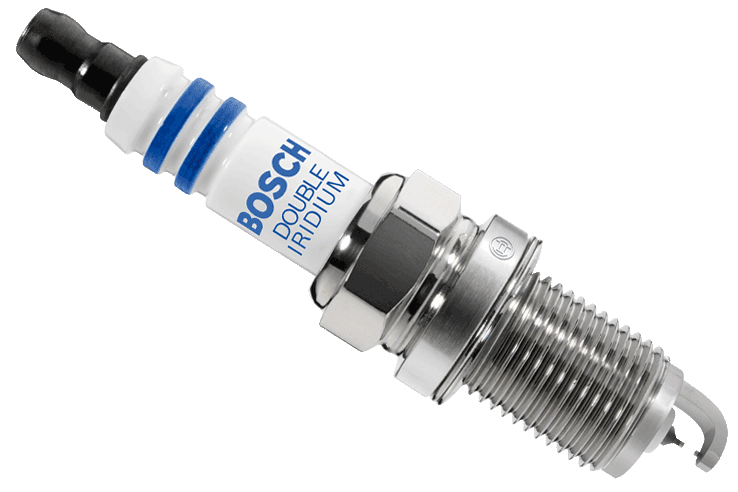
To answer the titular question definitively: No, electric cars do not have spark plugs. This might seem like a straightforward statement, but it's emblematic of a fundamental distinction between electric cars and internal combustion engine (ICE) vehicles. Spark plugs play a crucial role in gasoline cars by igniting the fuel-air mixture within the engine's cylinders. This ignition process initiates the controlled explosion that powers the vehicle. Electric cars, however, operate on an entirely different principle, rendering spark plugs obsolete in their design.
The Heart of the Electric Car: Electric Motors and Batteries
The fundamental components of electric cars are their electric motors and high-capacity lithium-ion batteries. These electric motors draw electrical energy from the batteries and convert it into mechanical power, propelling the vehicle. In contrast to the complex internal combustion process in gasoline cars, electric motors operate with a remarkable degree of simplicity, requiring no spark plugs or combustion-related components.
Advantages of Spark Plug Absence in Electric Cars
The absence of spark plugs in electric cars offers several distinct advantages:
Maintenance Simplification: Spark plugs in gasoline vehicles require periodic replacement due to wear and tear. The elimination of spark plugs in electric cars simplifies maintenance, reducing both time and cost.
Enhanced Efficiency: Electric motors are highly efficient at converting electrical energy into mechanical power. In contrast, gasoline engines experience energy losses through heat and friction, making electric cars more energy-efficient.
Zero Emissions: Electric cars produce zero tailpipe emissions, contributing to a cleaner and more sustainable environment.
Challenges and Limitations of Electric Cars
While electric cars boast numerous advantages, they are not without challenges and limitations:
Limited Range: Electric cars have a limited driving range on a single charge, which can be a concern for long-distance travel. However, advancements in battery technology are steadily increasing these ranges.
Charging Infrastructure: The availability and accessibility of charging stations vary by region, which can pose challenges for electric car owners, particularly in areas with limited charging infrastructure.
Upfront Costs: Although the price of electric cars is decreasing, they often come with a higher initial purchase price compared to gasoline vehicles. However, lower operating and maintenance costs can offset this difference over time.
The Future of Electric Cars
As technology advances and automakers continue to invest in research and development, the landscape of electric vehicles is rapidly evolving. Improvements in battery technology are extending driving ranges, while charging infrastructure is expanding globally. Additionally, governments and policymakers are implementing incentives and regulations to promote the adoption of electric cars, further accelerating their proliferation.
Conclusion
In the transition towards a sustainable future, electric cars stand at the forefront of automotive innovation. The absence of spark plugs in electric cars symbolizes a departure from the combustion-driven past, offering a cleaner, more efficient, and environmentally friendly mode of transportation. While electric cars have their limitations, ongoing advancements in technology and infrastructure are continually improving their viability and accessibility. When considering whether to make the switch to an electric vehicle, it is essential to weigh the benefits and drawbacks to determine the best fit for your needs and budget. In this rapidly changing automotive landscape, electric cars represent a compelling option for those seeking a greener and more efficient mode of transportation.
