Is Electrical Fire in Car Covered by Insurance?
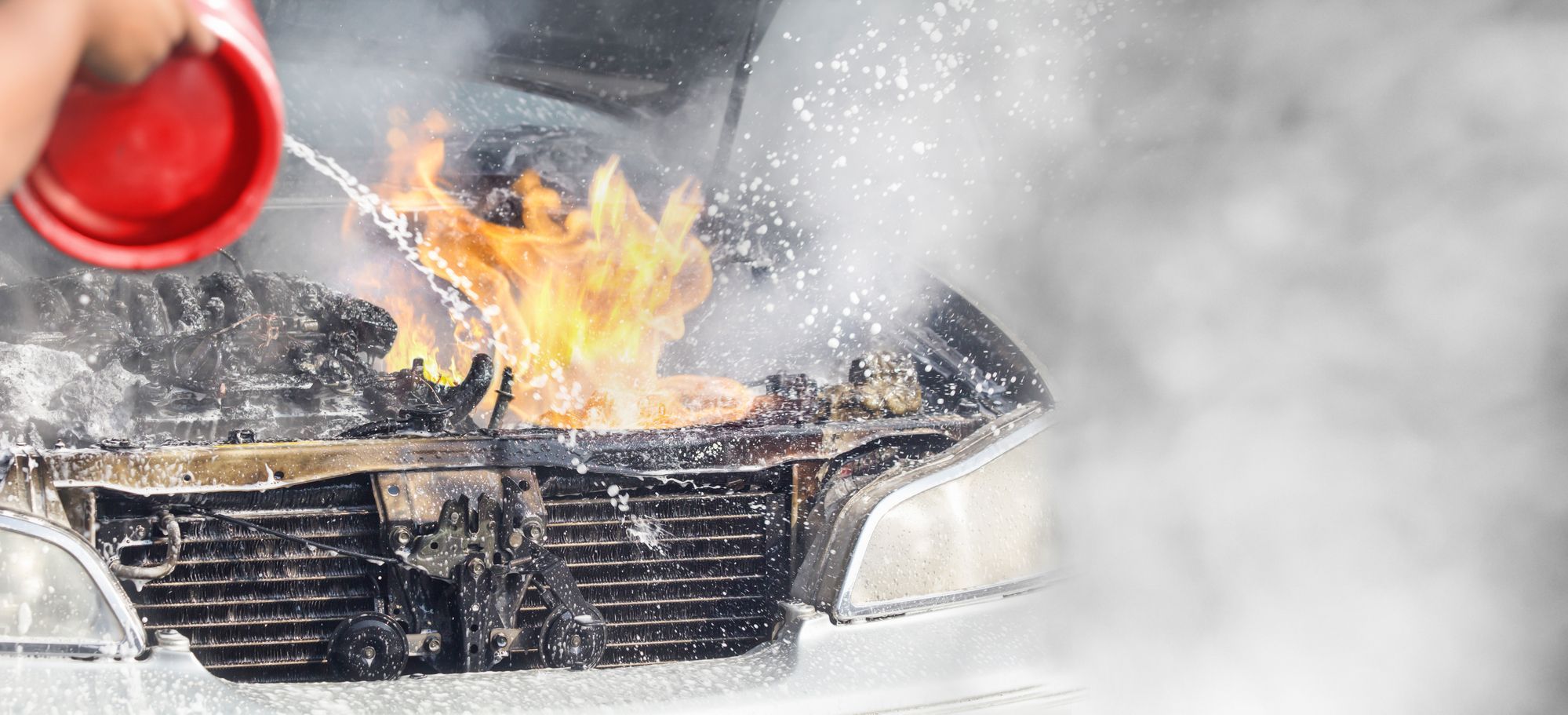
Is Electrical Fire in Car Covered by Insurance? - Electrical fires, though relatively rare, can inflict significant damage upon a vehicle and pose a grave threat to its occupants. When faced with such an unfortunate situation, one of the first questions that come to mind is whether insurance will come to the rescue. In this comprehensive article, we delve into the intricacies of whether insurance covers electrical fires in cars, offering insights, advice, and answers to ensure you are well-informed and prepared.
 |
| Is Electrical Fire in Car Covered by Insurance? |
Understanding the Nature of Electrical Fires in Cars
Before delving into insurance matters, it's essential to grasp the root causes and dangers associated with electrical fires in cars. These fires typically erupt due to a variety of factors, such as short circuits, faulty wiring, or loose connections within the vehicle's electrical system. The consequences of an electrical fire can range from minor damages to a complete loss of the vehicle, not to mention the potential for harm to the driver and passengers.
The Role of Insurance in Electrical Fire Coverage
The extent to which insurance covers damage caused by electrical fires hinges on the specific terms and conditions outlined in your insurance policy. Nevertheless, most comprehensive car insurance policies do include provisions for electrical fire damage. To obtain precise information, it's crucial to scrutinize your policy carefully and, if necessary, directly communicate with your insurance provider.
Key Factors Influencing Coverage for Electrical Fires in Cars
Several factors can influence whether your insurance will cover damages resulting from an electrical fire in your car. Understanding these factors can help you navigate the claims process more effectively:
The Cause of the Fire: The root cause of the fire plays a pivotal role in determining coverage. If the fire stemmed from a defect in your car's electrical system, the chances of insurance covering the damage increase significantly.
Age of the Car: Older vehicles are more prone to electrical issues due to wear and tear. Consequently, insurance companies might be less inclined to provide coverage for damages resulting from an electrical fire in an older car.
Mileage on the Car: High-mileage vehicles are at a heightened risk of experiencing electrical problems. Insurance providers may be less inclined to cover damage resulting from an electrical fire in such vehicles.
Driving Record: Your personal driving history can influence coverage as well. Individuals with a track record of accidents or traffic violations may face greater scrutiny when filing claims for electrical fire damage.
The Reimbursement Process
In the event your insurance policy does cover damage from an electrical fire, you can typically expect reimbursement for the following:
Cost of Repairs: Expenses related to repairing the damage inflicted by the electrical fire.
Rental Car Expenses: If your car is rendered undrivable due to the fire, your insurance may cover the cost of a rental car to ensure you have transportation while your vehicle is being repaired or replaced.
Additional Expenses: Depending on your policy and the circumstances of the fire, you may be eligible for compensation for any other expenses incurred as a direct result of the incident.
Exceptions to Coverage
It's essential to be aware that certain exceptions may exist within your coverage. For instance, your insurance might not cover damage resulting from an electrical fire if negligence in maintaining your car's electrical system is evident. Neglecting routine maintenance, such as ignoring warning signs or failing to address known electrical issues, could jeopardize your claim's success.
Proactive Steps to Prevent Electrical Fires in Cars
Prevention is always preferable to dealing with the aftermath of an electrical fire. Here are some proactive measures you can take to minimize the risk of an electrical fire occurring in your vehicle:
Regular Inspections and Maintenance: Have your car's electrical system regularly inspected and maintained by a qualified mechanic.
Avoid Overloading Electrical Outlets: Refrain from overloading your vehicle's electrical outlets with too many devices or accessories.
Use Extension Cords Sparingly: Only use extension cords when absolutely necessary, and ensure they are in good condition.
Exercise Caution with Power Tools: When using power tools in your car, follow safety guidelines and take extra precautions to prevent electrical mishaps.
No Smoking: Strictly prohibit smoking in your car, as discarded cigarette butts can lead to fires if they come into contact with flammable materials.
Proper Disposal of Cigarettes: Dispose of cigarette butts and ash responsibly, using appropriate containers.
Keep Flammable Materials at a Distance: Store flammable materials and substances away from your car's electrical system to minimize fire hazards.
In Conclusion
While the prospect of an electrical fire in your car is undoubtedly concerning, knowing whether insurance covers such an event can provide peace of mind. As we've explored, the specifics of your coverage depend on your insurance policy, with factors like the cause of the fire, your car's age and mileage, and your driving history all playing roles. However, by proactively maintaining your vehicle's electrical system and following safety guidelines, you can reduce the risk of such incidents and ensure you're prepared should they ever occur. If you have any doubts or questions regarding your insurance coverage, do not hesitate to reach out to your insurance provider for clarification and guidance.
