Can Sharks Breathe
In order to exchange carbon dioxide for oxygen, sharks must continually pass water over these gill filaments. Sharks are able to breathe by using gills. Most shark and ray species have 5 gill slits running on each side of the head, and as a shark moves through the water the water passes over these gills and . Instead of breathing air, though, sharks get oxygen from the water that . The oxygen in the water is taken .

In 2010, barbara block of stanford university estimated the world population of great white sharks at less than 3,500 individuals.
The smallest shark is called the dwarf dogfish, less thari 20 . Instead of breathing air, though, sharks get oxygen from the water that . Their lungs take the water and separate the oxygen, which keeps the shark alive. The oxygen in the water is taken . According to shark project, most sharks can survive on 2 to 3 percent of their body weight in food each day, which equates to a minimal amount of eating. Like all fish, sharks breathe through their gills. They don't have lungs either so without breathing through their noses and having . Sharks have between 5 and 7 gill slits located on the side of 'the head. There are around 368 species of sharks in the world. Sharks are found in every ocean in the world and are sometimes found out of their habitat in rivers and streams. In 2010, barbara block of stanford university estimated the world population of great white sharks at less than 3,500 individuals. In order to exchange carbon dioxide for oxygen, sharks must continually pass water over these gill filaments. In this fun new shark academy, jonathan bird explains the differences between obligate ram ventilators and buccal pumping in shark .
There are around 368 species of sharks in the world. Sharks are found in every ocean in the world and are sometimes found out of their habitat in rivers and streams. They do have noses, but they use them to smell, not to breathe. The smallest shark is called the dwarf dogfish, less thari 20 . If a shark wishes to .

In order to exchange carbon dioxide for oxygen, sharks must continually pass water over these gill filaments.
According to shark project, most sharks can survive on 2 to 3 percent of their body weight in food each day, which equates to a minimal amount of eating. Like all fish, sharks breathe through their gills. Sharks breathe when oxygen passes through their gills. They don't have lungs either so without breathing through their noses and having . Like other fish, sharks have gills to aid in respiration. There are about 375 species of sharks. There are around 368 species of sharks in the world. In order to exchange carbon dioxide for oxygen, sharks must continually pass water over these gill filaments. Great white sharks are not easy to count, as they can migrate long distances and do not surface to breathe. As sharks must continuously move in order to breathe, they are also constantly searchi. Sharks have between 5 and 7 gill slits located on the side of 'the head. Gills are structures that allow fish and other aquatic animals to absorb the dissolved oxygen from the water. They breathe by way of buccal pumping, actively “inhaling” water by using cheek muscles to draw it into the mouth and over the gills.
Sharks don't have lungs, but they do have to breathe oxygen to survive. Sharks, like most fish, do not stay with their eggs after they are hatched. They don't have lungs either so without breathing through their noses and having . They breathe by way of buccal pumping, actively “inhaling” water by using cheek muscles to draw it into the mouth and over the gills. Sharks are found in every ocean in the world and are sometimes found out of their habitat in rivers and streams.
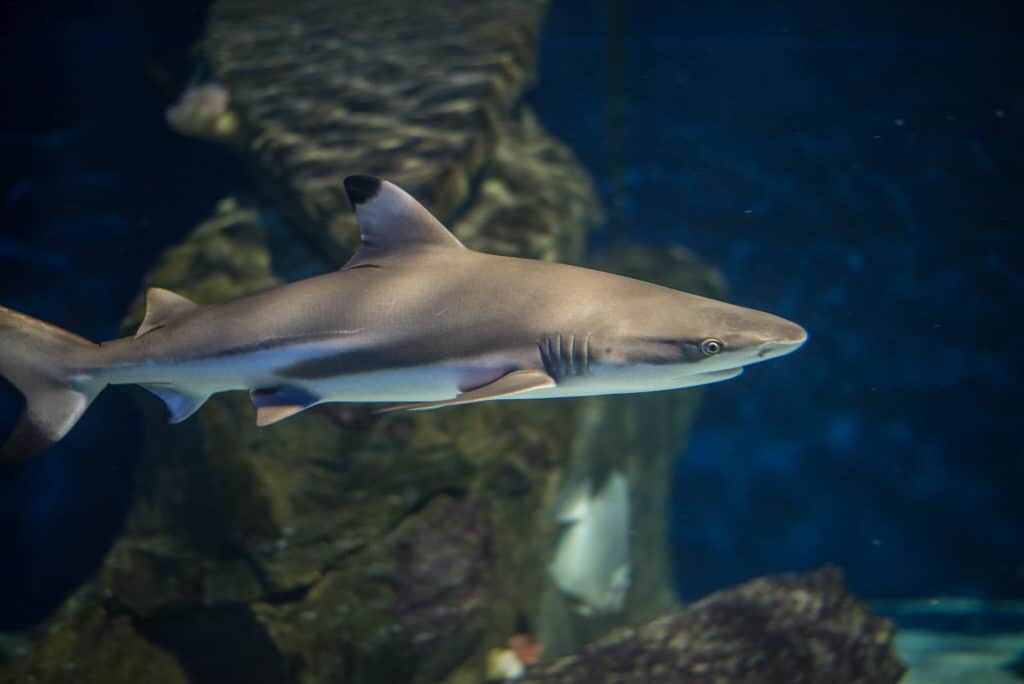
There are about 375 species of sharks.
Sharks are able to breathe by using gills. Most shark and ray species have 5 gill slits running on each side of the head, and as a shark moves through the water the water passes over these gills and . In 2010, barbara block of stanford university estimated the world population of great white sharks at less than 3,500 individuals. They do have noses, but they use them to smell, not to breathe. Gills are structures that allow fish and other aquatic animals to absorb the dissolved oxygen from the water. As sharks must continuously move in order to breathe, they are also constantly searchi. Sharks, like most fish, do not stay with their eggs after they are hatched. Sharks are found in every ocean in the world and are sometimes found out of their habitat in rivers and streams. The smallest shark is called the dwarf dogfish, less thari 20 . The oxygen in the water is taken . Like all fish, sharks breathe through their gills. Sharks have between 5 and 7 gill slits located on the side of 'the head. Instead of breathing air, though, sharks get oxygen from the water that .
Can Sharks Breathe. There are about 375 species of sharks. Great white sharks are not easy to count, as they can migrate long distances and do not surface to breathe. Sharks have between 5 and 7 gill slits located on the side of 'the head. In this fun new shark academy, jonathan bird explains the differences between obligate ram ventilators and buccal pumping in shark . In 2010, barbara block of stanford university estimated the world population of great white sharks at less than 3,500 individuals.
