Zombie Viruses: A Real Threat?
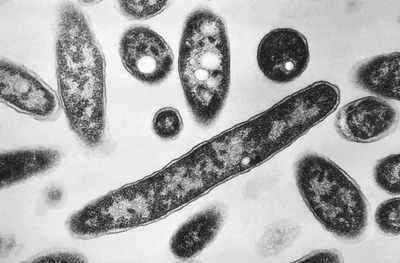 |
| Zombie Viruses: A Real Threat? |
What are zombie viruses?
Zombie viruses are viruses that have been frozen or otherwise preserved for a long period of time. They can be found in permafrost, ancient animal carcasses, and even human bodies. Zombie viruses can remain infectious for thousands or even millions of years.
How are zombie viruses revived?
Zombie viruses can be revived by a number of factors, including thawing permafrost, animal carcasses, and human bodies. When a zombie virus is exposed to warmer temperatures, it can thaw out and become infectious again. Zombie viruses can also be revived when they come into contact with fresh blood or other bodily fluids.
What are the risks of zombie viruses?
Zombie viruses pose a real threat to human health. They can cause serious infections and even death. Zombie viruses can also be difficult to treat because they are often resistant to antibiotics and other medications.
What can we do to protect ourselves from zombie viruses?
There is no vaccine for zombie viruses, so the best way to protect yourself is to avoid exposure. This means avoiding contact with permafrost, animal carcasses, and human bodies. If you must come into contact with any of these things, be sure to wear protective gear, such as a mask and gloves.
Examples of zombie viruses
Some examples of zombie viruses include:
- Pandoravirus yedoma: This virus is 48,500 years old and was revived from permafrost in Siberia in 2013.
- Pithovirus sibericum: This virus is 30,000 years old and was also revived from permafrost in Siberia in 2013.
- Mollivirus sibericum: This virus is 30,000 years old and was revived from permafrost in Siberia in 2015.
- Cafeteria roenbergensis virus: This virus is 160,000 years old and was revived from an ancient amoeba in Siberia in 2015.
Images
Conclusion
Zombie viruses are a real threat to human health. They can cause serious infections and even death. There is no vaccine for zombie viruses, so the best way to protect yourself is to avoid exposure. This means avoiding contact with permafrost, animal carcasses, and human bodies.
