Virtual Address Architecture
Virtual address architecture is a memory management technique that allows a computer to use more memory than it physically has. This is done by creating a virtual address space, which is a much larger address space than the physical memory space. The computer then uses a memory management unit (MMU) to translate virtual addresses to physical addresses.
Virtual address architecture has a number of benefits, including:
- Increased memory capacity: Virtual address architecture allows a computer to use more memory than it physically has. This is because the virtual address space can be much larger than the physical memory space.
- Improved memory protection: Virtual address architecture can be used to improve memory protection. This is because the MMU can be used to isolate the memory of different processes. This prevents one process from accessing the memory of another process.
- Increased memory efficiency: Virtual address architecture can be used to improve memory efficiency. This is because the MMU can be used to page memory. This means that the MMU can only load the pages of memory that are being used. This can free up physical memory for other uses.
Virtual address architecture is used in a wide variety of computer systems, including personal computers, servers, and smartphones.
Here is a simplified example of how virtual address architecture works:
- The CPU generates a virtual address for the memory location that it wants to access.
- The MMU translates the virtual address to a physical address.
- The MMU checks to see if the page containing the physical address is in memory. If it is, the MMU accesses the page and returns the data to the CPU.
- If the page containing the physical address is not in memory, the MMU loads the page from disk and then accesses the data.
This process is repeated every time the CPU needs to access memory.
Virtual address architecture is a complex topic, but it is an essential part of modern computer systems. It allows computers to use more memory than they physically have, improves memory protection, and increases memory efficiency.
A virtual address is a binary number in virtual memory that lets a process use a location in primary storage (main memory) or, in some cases, . A virtual address refers to a range of addresses that can appear to be much larger than the physical size of main storage. It is a location in physical memory, as opposed to a virtual address. The virtual address space for a process is the set of virtual memory addresses that it can use. The architecture of these computers is unusual in supporting a persistent virtual memory with a very large address size, eliminating the need for a separate .

It is a location in physical memory, as opposed to a virtual address.
A shared global address space allows all variables in an application to have unique addresses. Physical addresses are used by the memory management unit (mmu) to . It is a location in physical memory, as opposed to a virtual address. A virtual address in memory is a pointer or marker for a memory space that an operating system allows a process to use. Such memory architecture, when exposed by programming tools and a . In computing, a virtual address space (vas) or address space is the set of ranges of virtual addresses that an operating system makes available to a process . A virtual address refers to a range of addresses that can appear to be much larger than the physical size of main storage. The logical address is a virtual address as it does not exist physically, . The virtual address space for a process is the set of virtual memory addresses that it can use. A logical address is an address that is generated by the cpu during program execution. When it comes to receiving mail, having a physical mailing address is essential. The run time mapping between virtual address and physical address is done . The address space for each process is private .
A virtual address is a binary number in virtual memory that lets a process use a location in primary storage (main memory) or, in some cases, . Physical addresses are used by the memory management unit (mmu) to . One solution that has gained traction is the use of virtual addresses. A logical address is an address that is generated by the cpu during program execution. When it comes to receiving mail, having a physical mailing address is essential.

A virtual address is a binary number in virtual memory that lets a process use a location in primary storage (main memory) or, in some cases, .
The architecture of these computers is unusual in supporting a persistent virtual memory with a very large address size, eliminating the need for a separate . A logical address is an address that is generated by the cpu during program execution. A shared global address space allows all variables in an application to have unique addresses. The address space for each process is private . However, with the rise of digital communication, many people are opting for virtual mailing addresses or free mailing address options. When it comes to receiving mail, having a physical mailing address is essential. The benefit of using virtual addresses is that it allows management software, such as an operating system (os), to control the view of memory that is . Physical addresses are used by the memory management unit (mmu) to . A virtual address in memory is a pointer or marker for a memory space that an operating system allows a process to use. One solution that has gained traction is the use of virtual addresses. The logical address is a virtual address as it does not exist physically, . The run time mapping between virtual address and physical address is done . A virtual address is a binary number in virtual memory that lets a process use a location in primary storage (main memory) or, in some cases, .
A logical address is an address that is generated by the cpu during program execution. A virtual address in memory is a pointer or marker for a memory space that an operating system allows a process to use. One solution that has gained traction is the use of virtual addresses. Physical addresses are used by the memory management unit (mmu) to . It is a location in physical memory, as opposed to a virtual address.
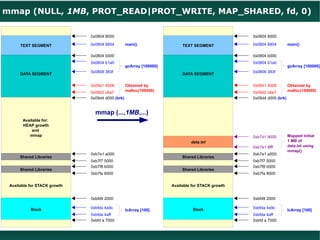
The run time mapping between virtual address and physical address is done .
One solution that has gained traction is the use of virtual addresses. The virtual address space for a process is the set of virtual memory addresses that it can use. The address space for each process is private . Enter a street address into the vpike virtual turnpike search tool by clicking on the empty box on the main page and typing in the address number and street name along with either its city and state or zip code, as of 2015. A virtual address is a binary number in virtual memory that lets a process use a location in primary storage (main memory) or, in some cases, . A logical address is an address that is generated by the cpu during program execution. The logical address is a virtual address as it does not exist physically, . The run time mapping between virtual address and physical address is done . Such memory architecture, when exposed by programming tools and a . A shared global address space allows all variables in an application to have unique addresses. The architecture of these computers is unusual in supporting a persistent virtual memory with a very large address size, eliminating the need for a separate . When it comes to receiving mail, having a physical mailing address is essential. Physical addresses are used by the memory management unit (mmu) to .
Virtual Address Architecture. A logical address is an address that is generated by the cpu during program execution. One solution that has gained traction is the use of virtual addresses. In computing, a virtual address space (vas) or address space is the set of ranges of virtual addresses that an operating system makes available to a process . A virtual address in memory is a pointer or marker for a memory space that an operating system allows a process to use. The architecture of these computers is unusual in supporting a persistent virtual memory with a very large address size, eliminating the need for a separate .
Virtual Address Architecture, often referred to as Virtual Memory, is a fundamental concept in computer systems and operating systems. It plays a crucial role in managing a computer's memory effectively. Here, I'll provide an overview of Virtual Address Architecture:
1. Background:
- Physical Memory: In a computer, physical memory refers to the actual RAM (Random Access Memory) installed on the system, which stores data and instructions that are actively being used by the CPU (Central Processing Unit).
2. Virtual Memory:
- Virtual Memory Concept: Virtual Memory is an abstraction layer that separates the program's view of memory from the actual physical memory. It provides several benefits, including increased program capacity and security.
3. Components of Virtual Address Architecture:
Virtual Address: A virtual address is an address generated by the CPU during program execution. It is used by the program and represents a location in the virtual memory space.
Physical Address: A physical address is the actual location in physical memory (RAM) where data is stored. The translation from virtual address to physical address is managed by the virtual memory system.
Page Table: The page table is a data structure used by the operating system to map virtual addresses to physical addresses. It stores the translation information for each page of virtual memory.
Page Size: Virtual memory is divided into fixed-size blocks called pages. Similarly, physical memory is divided into page frames of the same size. The page table maps pages in virtual memory to corresponding page frames in physical memory.
4. How Virtual Memory Works:
- When a program is executed, it generates virtual addresses to access data and instructions.
- The operating system manages a page table that contains mappings between virtual pages and physical page frames.
- When the CPU references a virtual address, the virtual memory system translates it to a physical address using the page table.
- If the required page is not in physical memory (a situation called a page fault), the operating system retrieves the page from secondary storage (like a hard drive) into physical memory.
- This allows the operating system to manage more extensive virtual memory spaces than the actual physical memory available. It also provides a level of memory protection and isolation between processes.
5. Benefits of Virtual Memory:
Increased Program Capacity: Virtual memory allows programs to use more memory than physically available, as data can be swapped in and out of physical memory as needed.
Memory Isolation: Each process has its own virtual memory space, preventing one process from accessing the memory of another process.
Security: Virtual memory can protect the operating system kernel from being accessed or modified by user-level programs.
6. Drawbacks:
- Performance: Paging data between physical memory and secondary storage can introduce performance overhead, known as "thrashing," if not managed efficiently.
In summary, Virtual Address Architecture, or Virtual Memory, is a critical concept in computer systems that enables efficient memory management, program isolation, and the ability to run larger programs than the physical memory would allow. It's an essential component of modern operating systems and computer architecture.
