Skip to content Skip to sidebar Skip to footer

Greg Gutfeld: Democrats are 'un-electables' who rely on lawsuits

An Examination of Greg Gutfeld's Commentary on Democratic Electoral Viability and Legal Strategy

1. Executive Summary

This report provides a comprehensive analysis of Greg Gutfeld's assertion that Democrats are "un-electables" who "rely on lawsuits." It contextualizes this statement within Gutfeld's broader commentary as a prominent conservative media figure and examines the underlying premises of his claims. The analysis delves into the nuances of Democratic electoral viability, drawing upon public opinion data and contrasting Gutfeld's arguments with alternative perspectives on "electability." Furthermore, the report meticulously details the Democratic Party's extensive use of legal challenges, particularly against the Trump administration, interpreting this strategy within the framework of "lawfare" and its implications for U.S. governance. The findings suggest that Gutfeld's commentary, while popular with his target audience, contributes to a polarized political discourse where legal action has become a significant, and often effective, avenue for political engagement in an era of legislative gridlock. This trend highlights a shift towards the judicialization of politics, raising important questions about the resilience of democratic institutions when fundamental disputes are increasingly resolved through legal rather than traditional electoral or legislative means.

2. Introduction: Setting the Stage for Partisan Commentary

Greg Gutfeld stands as a significant voice in conservative media, recognized for his role as host of the late-night program "Gutfeld!" and as a co-host on "The Five" on Fox News. His commentary often shapes political narratives for a substantial audience. On May 29, 2025, Gutfeld made a notable statement asserting that Democrats are "un-electables" who "rely on lawsuits". This statement is emblematic of the broader discourse within partisan media, where figures like Gutfeld actively contribute to shaping public perception.   

Gutfeld himself has described his approach as deliberately "punching left," targeting what he perceives as "mob thought" and the "95% left wing" media establishment. This self-description underscores a strategic dimension to his commentary. His statements are not merely passive observations but active contributions to a partisan narrative, designed to shape public perception, reinforce existing biases within his audience, and mobilize a specific political base. This approach suggests that the primary objective of such commentary is to solidify ideological alignment and provoke a reaction from the opposition, rather than to offer a neutral or comprehensive analysis of political realities. Consequently, such media figures play a considerable role in escalating political polarization by framing the opposition in stark, often pejorative, terms, which can complicate efforts towards nuanced understanding and bipartisan cooperation.   

3. Greg Gutfeld's Core Assertions: "Un-electables" and "Reliance on Lawsuits"

This section thoroughly examines the central claims made by Greg Gutfeld regarding the Democratic Party.

3.1. The May 29, 2025 Statement in Context

The specific segment titled "Greg Gutfeld: Democrats are 'un-electables' who rely on lawsuits" aired on May 29, 2025, and had a duration of 6 minutes and 45 seconds. This commentary was notably featured on "The Five". While a complete transcript of the detailed arguments from this particular segment is not fully available in the provided materials , related discussions and past statements by Gutfeld offer significant clues about the likely content and underlying meaning of his claims.   

For instance, Gutfeld has previously asserted that "Democrats rely on the 'novelty of a new lie' to sway public opinion". This recurring theme suggests that his "un-electables" claim is likely linked to a perception that the Democratic Party struggles to connect with the electorate through genuine policy or popular appeal, instead resorting to what he characterizes as deceptive or manufactured narratives. The segment's airing amidst discussions concerning "Republican senators look into Biden's decline and alleged cover-up" further indicates that the "un-electables" label might be tied to perceived issues with the current Democratic leadership's public image or performance.   

The phrase "rely on lawsuits" suggests that legal action is presented as a primary or disproportionate strategy for the Democratic Party to achieve political objectives, potentially due to a perceived inability to secure victories through traditional electoral means. A panelist on Gutfeld's show explicitly linked Democrats' preference for certain lawsuits to a desire to avoid scrutiny, specifically concerning Facebook's alleged impact on past elections, where posts favorable to Republicans were supposedly taken down and those favorable to Democrats were boosted. This framing implies that legal strategies are employed as a substitute for, rather than a complement to, popular electoral support.   

3.2. Gutfeld's Broader Commentary on Democratic Strategy and Viability

Gutfeld's consistent commentary frequently reinforces the notion that Democrats face significant electoral challenges. He has previously declared, "Elections don't work!" in the context of urban crime and societal instability, implying that the current political system, which he views as potentially dominated by Democrats, is failing the public. He also famously characterized the Democratic Party's situation as having "went from a Diddy party to a pity party" and likened their predicament to leaving an "abusive relationship." These analogies suggest a fundamental and growing disconnect between the Democratic Party and the electorate, leading to a perceived lack of popular appeal. He has explicitly called for a "massive cleanout" or "mass resignations" within the Democratic Party, portraying them as "corrupt" and operating as a "shadow government". Furthermore, Gutfeld has asserted that Democrats are "out of ideas" and "can't return to normal" , reinforcing the idea of their diminishing electoral prospects.   

Beyond the specific May 29 comment, Gutfeld and his panel have consistently suggested that Democrats utilize lawsuits to evade scrutiny or to achieve political ends that are unattainable through conventional electoral processes. This perspective implies a strategic preference for judicial intervention over direct political persuasion or legislative action. Gutfeld interprets this as a tactic to "keep telling this story till we get it," believing that Democrats are "banking on the press circle... the cycle doesn't last long".   

The combined assertion that Democrats are "un-electables" who rely on lawsuits establishes a clear narrative within Gutfeld's commentary. The underlying premise is that the Democratic Party's perceived inability to win through traditional electoral means—due to being "out of ideas," "corrupt," or out of touch with "everyday Americans"—compels them to resort to legal challenges as a compensatory mechanism. This framing serves to delegitimize legal action by portraying it as a symptom of political desperation rather than a legitimate tool for upholding constitutional principles or challenging perceived overreach. The implication conveyed is that legal strategy is a substitute for, rather than a complement to, popular electoral support.

4. Analysis of Democratic Electoral Viability: Beyond "Un-electables"

This section critically examines the claim of Democrats being "un-electables" by presenting Gutfeld's arguments alongside broader public opinion and electoral dynamics.

4.1. Gutfeld's Arguments on Democratic Electability

Gutfeld frequently frames Democrats as out of touch with the general populace, suggesting they attempt to appeal to "a person who exists only in their head". He also alleges that they are "corrupt" and part of a "shadow government" , thereby implying a fundamental lack of legitimacy that would inherently hinder their electability. Gutfeld contrasts Democratic strategy with that of Donald Trump, suggesting that Democrats "consider winning elections to be the job," whereas for Trump, "the job comes after the election". This comparison implies that Democrats are overly focused on the electoral process itself rather than on substantive governance or outcomes.   

4.2. Public Opinion and Electoral Performance: A Data-Driven Perspective

Recent Fox News polls indicate a notable decline in the Democratic Party's favorable ratings, reaching historic lows. In April 2025, their favorability stood at 41% favorable and 56% unfavorable, marking the first time in a decade that their standing was lower than that of the GOP. Concurrently, confidence in Democratic congressional leadership also reached an all-time low of 25%. These polls also suggest that Republicans have been making inroads among traditional Democratic base voters, including Black, Hispanic, and younger demographics.   

Despite these unfavorable poll numbers, head-to-head polls between President Biden and Donald Trump frequently show them "about even" or Trump with only a "slight advantage". This suggests that the label "un-electable" might be an overstatement, as electoral outcomes are often complex and not solely determined by current approval ratings.   

4.3. Counter-Arguments and Alternative Perspectives on Democratic Electability

The concept of "electability" itself is multifaceted and not consistently the primary concern for voters. While Democratic voters in 2020 were "obsessed" with nominating an "electable" candidate to defeat Trump , Republican voters in 2024 prioritized "shared values" (41%) or a candidate who "fights for people like me" (31%) over electability (14%). This variation indicates that voters prioritize different attributes, and the perception of electability can be influenced by a candidate's self-promotion.   

Research on "Democracy Hypocrisy" further suggests that public support for democratic principles is "fragile" and "susceptible to partisan interests". Both Democrats and Republicans exhibit a "partisan double standard," indicating a willingness to accept norm violations from their own side if it benefits their party. This implies that a party's electability might not solely depend on strict adherence to all democratic norms if their base prioritizes partisan success. While some Democrats may exhibit wavering views on democratic norms, 45% are identified as "consistent democracy champions" in a broader definition, although this percentage decreases when scenarios involving unilateral executive action are considered. This nuanced view challenges a blanket "un-electable" label and highlights the diverse priorities within the Democratic electorate.   

A panelist's critique on Gutfeld's show suggested that Democrats need to "get serious about and realistic about" issues like transgender athletes and learn from successes in local and state races to appeal to "everyday Americans". This commentary points to internal party debates about strategy and messaging, rather than an inherent "un-electability."   

The research highlights that voter priorities, including "electability," are not static but shift based on the political context and the perceived stakes. For example, Democrats prioritized electability in 2020 to remove an incumbent, while Republicans in 2024 prioritized "shared values." This suggests that Gutfeld's "un-electables" claim is less an objective, universal truth about the Democratic Party's intrinsic appeal and more a rhetorical framing designed to diminish their perceived electoral strength. In a deeply polarized environment, voters are increasingly driven by ideological alignment and a candidate's perceived willingness to "fight for people like me," making the "electability" argument a flexible tool in partisan discourse rather than a definitive predictor of electoral success.   

The findings on "Democracy Hypocrisy" reveal a critical tension: while abstract support for democracy is high, partisan interests often lead voters to tolerate or even support actions that might otherwise be considered norm violations, provided they originate from their preferred party. If a significant portion of the Democratic base prioritizes partisan success and policy outcomes, then actions criticized by Gutfeld (such as extensive use of lawsuits) might not render the party "un-electable" in the eyes of their supporters. This creates a situation where the very tactics Gutfeld uses to label Democrats as "un-electable" might, in a polarized context, be seen as strategic and necessary by their base, thus not undermining their electability among their core voters. This dynamic implies a deeper challenge to the consistent application of democratic principles when partisan loyalty becomes the overriding factor for a significant segment of the electorate.   

5. Democratic Legal Strategies: A Deeper Dive into "Reliance on Lawsuits"

This section explores the strategic use of legal challenges by the Democratic Party and allied groups, contextualizing it within the concept of "lawfare."

5.1. The Concept of "Lawfare" in U.S. Politics

"Lawfare" is defined as the strategic or even abusive use of law as a weapon. This phenomenon is not new, with historical precedents including false accusations, fraudulent procedural delays, or convictions based on uncorroborated facts. In contemporary democracies, lawfare presents several dangers: its increasing use as an everyday political weapon to achieve goals unattainable through ordinary democratic processes, the judicialization of politics (where major political decisions are increasingly determined by courts) complemented by the politicization of justice (where political ideology influences judicial decisions), and the abuse of criminal law to restrict fundamental rights and repress protest movements.   

Conversely, an alternative perspective suggests that lawfare can serve as a positive alternative to armed conflict or a legitimate means to challenge misconduct, provided judicial independence is maintained. The relationship between law and politics is complex, with law acting as a goal, a means, or an obstacle for political interests, underscoring the crucial role of checks and balances within the system.   

5.2. Key Legal Challenges by Democrats Against the Trump Administration

The Democratic National Committee (DNC) and its allied groups have initiated numerous legal challenges against the Trump administration. These lawsuits frequently allege violations of constitutional rights, including the First, Fifth, Tenth, and Fourteenth Amendments, as well as federal statutes such as the Administrative Procedure Act, the National Voter Registration Act, and the Voting Rights Act, and concerns regarding the separation of powers.   

A significant example is the DNC's lawsuit against Trump's Executive Order 14248, titled "Preserving and Protecting the Integrity of American Elections," filed on March 31, 2025. The DNC, alongside the Democratic Governors Association (DGA), Democratic Senatorial Campaign Committee (DSCC), Democratic Congressional Campaign Committee (DCCC), and Democratic congressional leaders, argued that this order constituted an unlawful overreach of presidential authority, infringing upon powers constitutionally vested in the states and Congress regarding election regulation. Specifically, the lawsuit challenged provisions related to ballot receipt deadlines, Documentary Proof of Citizenship (DPOC) requirements, the unlawful withholding of federal election funding, unauthorized sharing of sensitive voter information, and efforts to undermine the independence of the Election Assistance Commission (EAC). The alleged harms included undermining mail-in voting, disenfranchising voters (particularly servicemembers, overseas Americans, and older voters), disproportionately affecting Democratic voters, making registration harder for low-income individuals and women, crippling state election infrastructure, violating privacy rights, and increasing the risk of erroneous voter removal and harassment. This case was later consolidated with other lawsuits, and a preliminary injunction was granted, blocking the enforcement of the Executive Order.   

Another notable challenge involved Executive Order 14215, which asserted "Presidential supervision and control" over independent agencies like the FEC, mandating that the President's and Attorney General's legal opinions be "controlling on all employees". The DNC, DSCC, and DCCC sued, arguing this violated the Federal Election Campaign Act by preventing FEC Commissioners from exercising independent legal judgment.   

Overall, Democrats and allied groups have filed over 100 lawsuits and secured 50 restraining orders against various Trump administration actions. These legal actions spanned a wide array of policy areas, including immigration, government structure, and civil liberties. The outcomes of many of these challenges included temporary restraining orders and preliminary injunctions, effectively blocking or delaying executive actions. This litigation frequently brought to light concerns about constitutional authority, statutory compliance, and due process.   

In response, the Trump administration also took counter-actions, notably dismissing several voting rights lawsuits initiated by the Justice Department, thereby shifting the burden of enforcement to private plaintiffs and raising concerns about the "private right of action" under the Voting Rights Act. This included cases in Arizona, Georgia, Virginia, Alabama, Texas, and Louisiana. This shift has significant implications for voting rights enforcement, potentially weakening VRA protections and leaving private groups to litigate without federal government support.   

The following table provides an overview of significant legal challenges initiated by the DNC and allied Democratic groups:

Table 1: Overview of Significant DNC/Democratic Legal Challenges Against the Trump Administration

Lawsuit Title/Targeted ActionPlaintiff(s)Key Allegations/Reasons for ChallengeConstitutional/Statutory BasisOutcome/Current Status
Election Integrity Executive Order (EO 14248)DNC, DGA, DSCC, DCCC, Schumer, JeffriesUnlawful overreach of presidential authority; infringement on state/Congress powers over elections; undermining mail-in voting; burdensome DPOC; unlawful withholding of federal funding; unauthorized data sharing; undermining EAC independence.U.S. Constitution (federalism, separation of powers), Administrative Procedure Act, National Voter Registration Act, Privacy Act, Help America Vote ActConsolidated with other cases; Preliminary Injunction granted blocking enforcement.
FEC Independence (EO 14215)DNC, DSCC, DCCCViolates Federal Election Campaign Act by preventing FEC Commissioners from exercising independent legal judgment; asserting presidential control over independent agency.Federal Election Campaign ActPlaintiffs requested certification of constitutionality to D.C. Circuit and a ruling that Section 7 violates the Act.
Alien Enemies Act Removals (Proclamation 10903)Multiple individuals and groupsProclamation exceeded statutory scope; violations of immigration acts and due process; lack of notice/opportunity to be heard.Fifth Amendment, Immigration and Nationality ActMultiple TROs and preliminary injunctions blocking removals; some permanent injunctions; some cases closed due to plaintiff removal.
Birthright Citizenship (EO 14160)Organizations, states, pregnant noncitizen womenViolates Fourteenth Amendment by attempting to revoke birthright citizenship.Fourteenth AmendmentMultiple federal courts issued preliminary injunctions blocking implementation nationwide; appellate courts generally upheld blocks.
Immigration Policy - Punishment of Sanctuary CitiesCities/Counties (e.g., San Francisco, Chelsea), OrganizationsViolations of Tenth Amendment, separation of powers, spending clause, Fifth Amendment due process, APA.Tenth Amendment, Fifth Amendment, APAPreliminary injunctions granted blocking government action; some cases voluntarily dismissed.
Suspension of U.S. Refugee Admissions ProgramRefugee/Catholic organizationsViolations of Refugee Act, APA, constitutional due process by indefinitely suspending admissions and funding.Refugee Act, APA, Fifth AmendmentNationwide preliminary injunction issued barring implementation (later partially stayed); some cases dismissed on appeal.
Reinstatement of Schedule F for Federal EmployeesNational Treasury Employees Union, Government Accountability Project, American Federation of Government EmployeesViolations of civil servant protection laws, APA, Fifth Amendment Due Process by reclassifying civil servants and stripping protections.Civil Service Reform Act, APA, Fifth AmendmentCases ongoing, seeking to block implementation; defendants moved to dismiss.
Establishment of "Department of Government Efficiency" (DOGE)Public Citizen Inc, States (e.g., New York)Violations of Federal Advisory Committee Act by delegating power to unelected citizens without oversight; unauthorized access to sensitive financial data.Federal Advisory Committee Act, Privacy ActCases consolidated; limited preliminary injunction granted enjoining access to sensitive financial data.
Election Law (General)League of Women Voters, State of CaliforniaChallenges to new requirements for federal elections (e.g., proof of citizenship for voter registration).U.S. Constitution (federalism, separation of powers), National Voter Registration ActConsolidated with DNC case (EO 14248); preliminary injunction granted blocking enforcement.
  

5.3. Strategic Implications and Alternative Interpretations of Legal Action

The extensive use of lawsuits by Democrats can be understood as a strategic response to a Republican administration's executive actions, particularly when legislative avenues are blocked. This aligns with the concept of "lawfare," where legal means are strategically employed as a "weapon of war" in a political context. The frequent success of these challenges, evidenced by numerous temporary restraining orders and preliminary injunctions , suggests that many of these legal arguments have been deemed meritorious by courts, at least in initial stages, in upholding constitutional principles or statutory compliance. This outcome challenges the implication that these lawsuits are frivolous or purely obstructionist.   

Furthermore, the Trump administration's dismissal of voting rights lawsuits initiated by the Justice Department effectively shifts the burden of enforcement to private plaintiffs. This makes legal action by groups like the DNC even more critical for protecting voting rights, suggesting that such litigation is a necessity for Democrats and allied groups rather than merely a "reliance."   

The sheer volume and frequent success of Democratic-led lawsuits against the Trump administration indicate that legal challenges have evolved beyond mere "reliance" to become a significant mode of political engagement and even a form of governance or counter-governance. In an era characterized by executive orders and legislative gridlock, the judiciary functions as a crucial arena for shaping policy and power. This development implies that the "reliance on lawsuits" is a systemic feature of contemporary U.S. political conflict, reflecting a shift from traditional legislative compromise to legal confrontation as a primary means of advancing or obstructing political agendas.   

The increasing prominence of legal challenges, as demonstrated by the DNC's extensive litigation , contributes directly to the "judicialization of politics". When major political decisions are increasingly resolved by courts rather than through legislative debate or electoral mandates, it signals a potential weakening of the traditional legislative and executive branches' roles in policy formulation and dispute resolution. This trend risks transforming democracies into "juristocracies" , where unelected judges exert significant influence over political outcomes. The broader implication is a structural shift in the U.S. political system, where legal challenges become a default mechanism for resolving partisan disputes, potentially undermining the foundational principles of representative democracy by bypassing direct electoral and legislative accountability. This raises concerns about the long-term health and perceived legitimacy of liberal democracy.   

6. Reactions and Critiques to Gutfeld's Commentary

Greg Gutfeld's commentary is often characterized by its provocative nature, including a self-professed aim of "punching left" and "owning the libs". This style naturally elicits strong reactions from both his supporters and his critics. Gutfeld embraces being labeled "mean," viewing it as a "badge of honor" and evidence that his commentary successfully challenges prevailing liberal narratives.   

Past instances of Gutfeld's controversial remarks have drawn significant criticism. For example, comments he made about the Canadian military led to calls for apologies from figures like the Canadian Defence Minister. Even within Fox News, unnamed employees reportedly expressed strong disagreement, with some finding his statements "disgusting". This indicates that while his commentary resonates strongly with his target audience, it is not universally accepted, even within his own media ecosystem.   

Panelists on Gutfeld's show sometimes offer critical perspectives or strategic advice to Democrats. One panelist suggested that Democrats need to "kill the activists" and focus on presenting themselves as "intelligent" and "good for the job" rather than relying on "made-up research". Another advised Democrats to "get serious about and realistic about" issues such as transgender athletes and to learn from successes in local election wins to appeal to "everyday Americans". This suggests that their current approach is perceived as "unorganized" and "ineffective." The recurring critique from Gutfeld that Democrats "rely on the 'novelty of a new lie' to sway public opinion" consistently frames Democratic messaging as dishonest and manipulative.   

Gutfeld's explicit philosophy of "punching left" and regarding "mean" comments as a "badge of honor" signifies that his commentary is inherently performative. Its primary objective is not objective analysis but rather to entertain, reinforce existing ideological alignments, and provoke a reaction from the opposition. This suggests that the content of his statements, including the "un-electables" and "rely on lawsuits" claims, are crafted more for their rhetorical impact and ability to solidify a partisan identity than for their factual accuracy or contribution to nuanced policy debate. This style of commentary further fragments public discourse, prioritizing partisan affirmation over constructive dialogue and making it more difficult for audiences to engage with complex political issues objectively.   

The mixed reactions to Gutfeld's commentary—strong support from his base contrasted with sharp critiques and even internal dissent —illustrate a self-reinforcing feedback loop within the partisan media landscape. His provocative style, while alienating to some, solidifies loyalty among his target audience, which in turn reinforces the perceived effectiveness of his approach. This dynamic incentivizes media outlets and commentators to adopt more extreme or inflammatory rhetoric, as it guarantees engagement and reinforces partisan divides. The long-term impact is a deepening of affective polarization, where the primary measure of media success becomes its ability to resonate within a specific ideological echo chamber, further hindering cross-partisan understanding and cooperation.   

7. Conclusion: Synthesizing Claims, Evidence, and Implications

7.1. Summary of Findings

Greg Gutfeld's assertion that Democrats are "un-electables" who "rely on lawsuits" represents a central and recurring theme in his conservative media commentary. This framing reflects a broader critique of the Democratic Party's electoral strategy, its perceived ideological stance, and its perceived lack of popular appeal. While recent polls do indicate a decline in Democratic favorability and some gains by Republicans among traditional Democratic demographics, the "un-electable" label functions more as a rhetorical tool within partisan discourse. Electoral viability is a complex and fluid concept, influenced by a multitude of factors beyond simple approval ratings, including shifting voter priorities such as "shared values" and the strong influence of partisan loyalty.

The Democratic Party and its allied groups extensively utilize legal challenges, particularly against the executive actions of the Trump administration, often achieving successful outcomes in blocking or delaying the implementation of policies. This significant engagement in the judicial arena can be understood within the framework of "lawfare," where legal means are strategically employed to achieve political objectives, especially when traditional legislative avenues are constrained by partisan gridlock.

Gutfeld's commentary, characterized by its "punching left" and "owning the libs" approach, is performative in nature. Its primary aim is to reinforce partisan identities and narratives rather than to foster nuanced, objective debate. This contributes significantly to a highly polarized media landscape.

7.2. Broader Implications for Political Discourse and Party Strategy

The observed "reliance on lawsuits" by the Democratic Party highlights a significant and growing trend in contemporary U.S. politics: the increasing judicialization of political disputes. In an era marked by deep partisan divides and legislative gridlock, the judiciary has emerged as a primary arena for policy battles and for asserting checks on executive power. This raises critical questions about the long-term health of democratic institutions when political conflicts are increasingly resolved through legal processes rather than through traditional legislative compromise or electoral mandates.

The concept of "electability" is fluid and highly susceptible to partisan framing. What one political side labels as "un-electable" may, in fact, be a strategic appeal to a core base for the opposing side. This dynamic underscores the profound challenge for political parties to craft messages that resonate across a fragmented and polarized electorate, often leading to a focus on energizing their base rather than on persuading the political center.

Partisan media, exemplified by Gutfeld's style, plays a crucial role in shaping perceptions of electoral viability and political tactics. By consistently framing the opposition as "un-electable" and reliant on "illegitimate" tactics, these outlets contribute to affective polarization and undermine trust in traditional political processes. This exacerbates the phenomenon of "democracy hypocrisy" observed in public opinion, where partisan loyalty can override consistent adherence to democratic principles.

The synthesis of these findings, encompassing Gutfeld's commentary, the Democrats' legal strategies, and the broader media and political landscape, points to a fundamental challenge to democratic resilience in the United States. The increasing judicialization of politics and the performative, polarizing nature of partisan media create a political system where battles are fought less through traditional electoral mandates and legislative consensus, and more through legal challenges and rhetorical warfare. This environment risks eroding public trust in democratic institutions themselves, as the political process is increasingly perceived as rigged or illegitimate by opposing sides. The long-term implication is a potential weakening of the foundational principles of liberal democracy, where partisan interests and tactical maneuvers consistently override broader institutional health and the pursuit of a common good. Addressing the claims made by Gutfeld requires not merely factual counter-arguments, but a deeper engagement with the systemic issues contributing to the current state of political conflict and a renewed focus on strategies that rebuild civic trust and re-legitimize traditional democratic processes.   

7.3. Strategic Recommendations

Based on the analysis, several strategic recommendations emerge:

  • For Political Parties: Political parties should develop comprehensive strategies that integrate traditional electoral campaigning with effective legal advocacy, acknowledging the judiciary's increasing role in policy and governance. However, they must also carefully consider the potential long-term implications of an over-reliance on legal battles for the perceived legitimacy of democratic processes. A balanced approach is crucial to maintain public confidence in all branches of government.
  • For Media Consumers: Cultivating advanced media literacy is essential for individuals to critically evaluate partisan commentary, recognizing its rhetorical aims and inherent biases. Actively seeking diverse sources of information and analytical perspectives can foster a more holistic and nuanced understanding of political dynamics, moving beyond the confines of ideological echo chambers.
  • For Policymakers: Addressing the underlying causes of legislative gridlock and political polarization is paramount to reduce the perceived necessity for "lawfare" and to re-emphasize legislative compromise and electoral accountability as primary mechanisms for governance. This includes pursuing institutional reforms that encourage cross-party cooperation and diminish the incentive for executive overreach or excessive judicial intervention in political matters. Such reforms could help restore public faith in the capacity of elected officials to resolve national challenges through traditional democratic channels.

Greg Gutfeld: Democrats are 'un-electables' who rely on lawsuits Wallpapers

Collection of Greg Gutfeld: Democrats are 'un-electables' who rely on lawsuits wallpapers for your desktop and mobile devices.

Greg Gutfeld: Democrats Are 'un-electables' Who Rely On Lawsuits	 Backdrop

Greg Gutfeld: Democrats Are 'un-electables' Who Rely On Lawsuits Backdrop

Beautiful greg gutfeld: democrats are 'un-electables' who rely on lawsuits wallpaper with stunning details and colors.

Greg Gutfeld: Democrats Are 'un-electables' Who Rely On Lawsuits	 Scenery

Greg Gutfeld: Democrats Are 'un-electables' Who Rely On Lawsuits Scenery

High quality greg gutfeld: democrats are 'un-electables' who rely on lawsuits image perfect for desktop or mobile wallpaper.
Greg Gutfeld: Democrats Are 'un-electables' Who Rely On Lawsuits	 View

Greg Gutfeld: Democrats Are 'un-electables' Who Rely On Lawsuits View

Gorgeous greg gutfeld: democrats are 'un-electables' who rely on lawsuits photo that makes a perfect wallpaper.
Greg Gutfeld: Democrats Are 'un-electables' Who Rely On Lawsuits	 Background

Greg Gutfeld: Democrats Are 'un-electables' Who Rely On Lawsuits Background

Gorgeous greg gutfeld: democrats are 'un-electables' who rely on lawsuits photo that makes a perfect wallpaper.
Greg Gutfeld: Democrats Are 'un-electables' Who Rely On Lawsuits	 Picture

Greg Gutfeld: Democrats Are 'un-electables' Who Rely On Lawsuits Picture

Beautiful greg gutfeld: democrats are 'un-electables' who rely on lawsuits wallpaper with stunning details and colors.
Greg Gutfeld: Democrats Are 'un-electables' Who Rely On Lawsuits	 Backdrop

Greg Gutfeld: Democrats Are 'un-electables' Who Rely On Lawsuits Backdrop

Stunning greg gutfeld: democrats are 'un-electables' who rely on lawsuits image with high resolution quality.
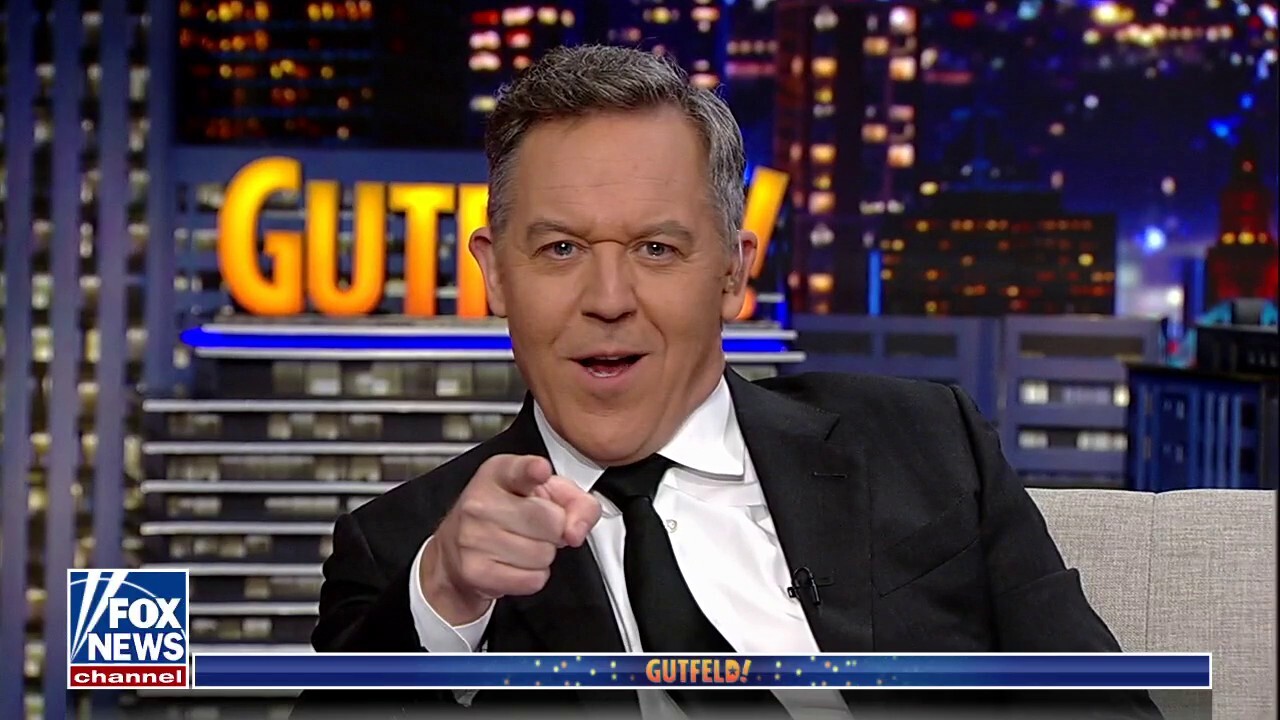
Greg Gutfeld: Democrats Are 'un-electables' Who Rely On Lawsuits	 Shot

Greg Gutfeld: Democrats Are 'un-electables' Who Rely On Lawsuits Shot

High quality greg gutfeld: democrats are 'un-electables' who rely on lawsuits image perfect for desktop or mobile wallpaper.
Greg Gutfeld: Democrats Are 'un-electables' Who Rely On Lawsuits	 Backdrop

Greg Gutfeld: Democrats Are 'un-electables' Who Rely On Lawsuits Backdrop

High quality greg gutfeld: democrats are 'un-electables' who rely on lawsuits image perfect for desktop or mobile wallpaper.
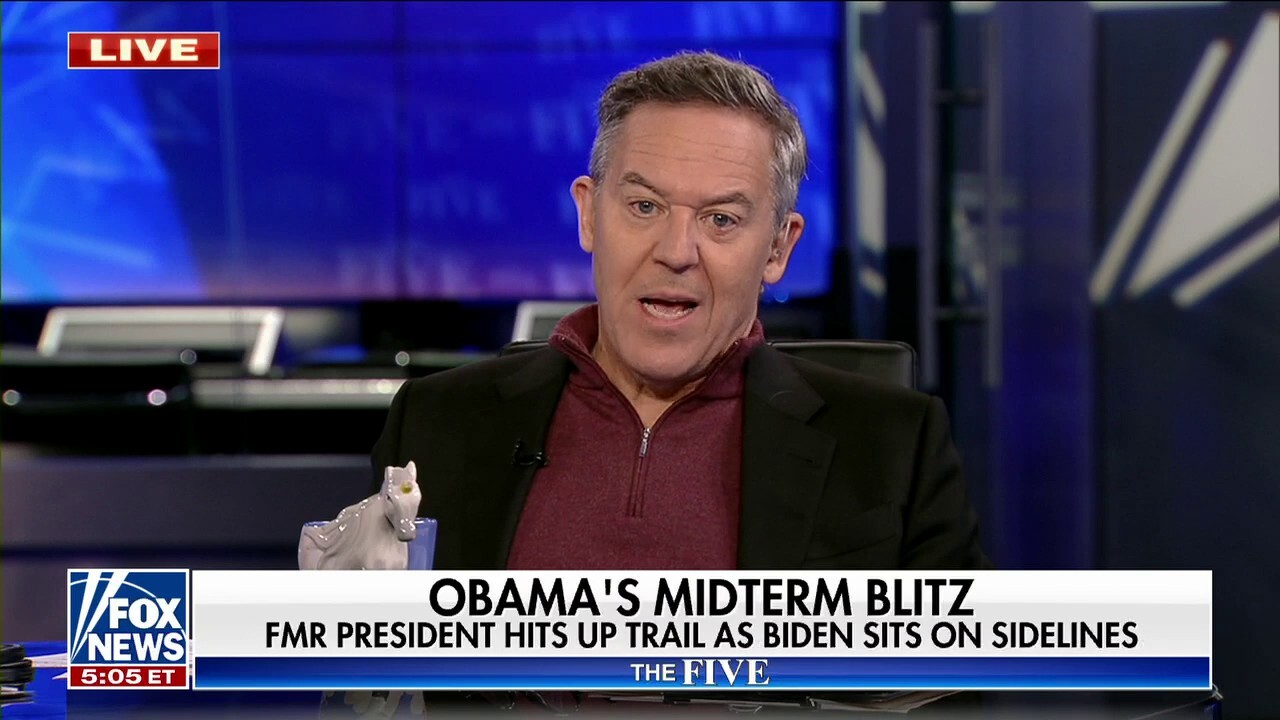
Greg Gutfeld: Democrats Are 'un-electables' Who Rely On Lawsuits	 Picture

Greg Gutfeld: Democrats Are 'un-electables' Who Rely On Lawsuits Picture

Amazing greg gutfeld: democrats are 'un-electables' who rely on lawsuits background image for your devices.
Greg Gutfeld: Democrats Are 'un-electables' Who Rely On Lawsuits	 Picture

Greg Gutfeld: Democrats Are 'un-electables' Who Rely On Lawsuits Picture

Stunning greg gutfeld: democrats are 'un-electables' who rely on lawsuits image with high resolution quality.

Greg Gutfeld: Democrats Are 'un-electables' Who Rely On Lawsuits	 Picture

Greg Gutfeld: Democrats Are 'un-electables' Who Rely On Lawsuits Picture

Amazing greg gutfeld: democrats are 'un-electables' who rely on lawsuits background image for your devices.
Greg Gutfeld: Democrats Are 'un-electables' Who Rely On Lawsuits	 Photograph

Greg Gutfeld: Democrats Are 'un-electables' Who Rely On Lawsuits Photograph

Gorgeous greg gutfeld: democrats are 'un-electables' who rely on lawsuits photo that makes a perfect wallpaper.
Greg Gutfeld: Democrats Are 'un-electables' Who Rely On Lawsuits	 Background

Greg Gutfeld: Democrats Are 'un-electables' Who Rely On Lawsuits Background

Amazing greg gutfeld: democrats are 'un-electables' who rely on lawsuits background image for your devices.
Greg Gutfeld: Democrats Are 'un-electables' Who Rely On Lawsuits	 Shot

Greg Gutfeld: Democrats Are 'un-electables' Who Rely On Lawsuits Shot

Gorgeous greg gutfeld: democrats are 'un-electables' who rely on lawsuits photo that makes a perfect wallpaper.

Greg Gutfeld: Democrats Are 'un-electables' Who Rely On Lawsuits	 Photograph

Greg Gutfeld: Democrats Are 'un-electables' Who Rely On Lawsuits Photograph

Amazing greg gutfeld: democrats are 'un-electables' who rely on lawsuits background image for your devices.
Greg Gutfeld: Democrats Are 'un-electables' Who Rely On Lawsuits	 Scenery

Greg Gutfeld: Democrats Are 'un-electables' Who Rely On Lawsuits Scenery

Stunning greg gutfeld: democrats are 'un-electables' who rely on lawsuits image with high resolution quality.
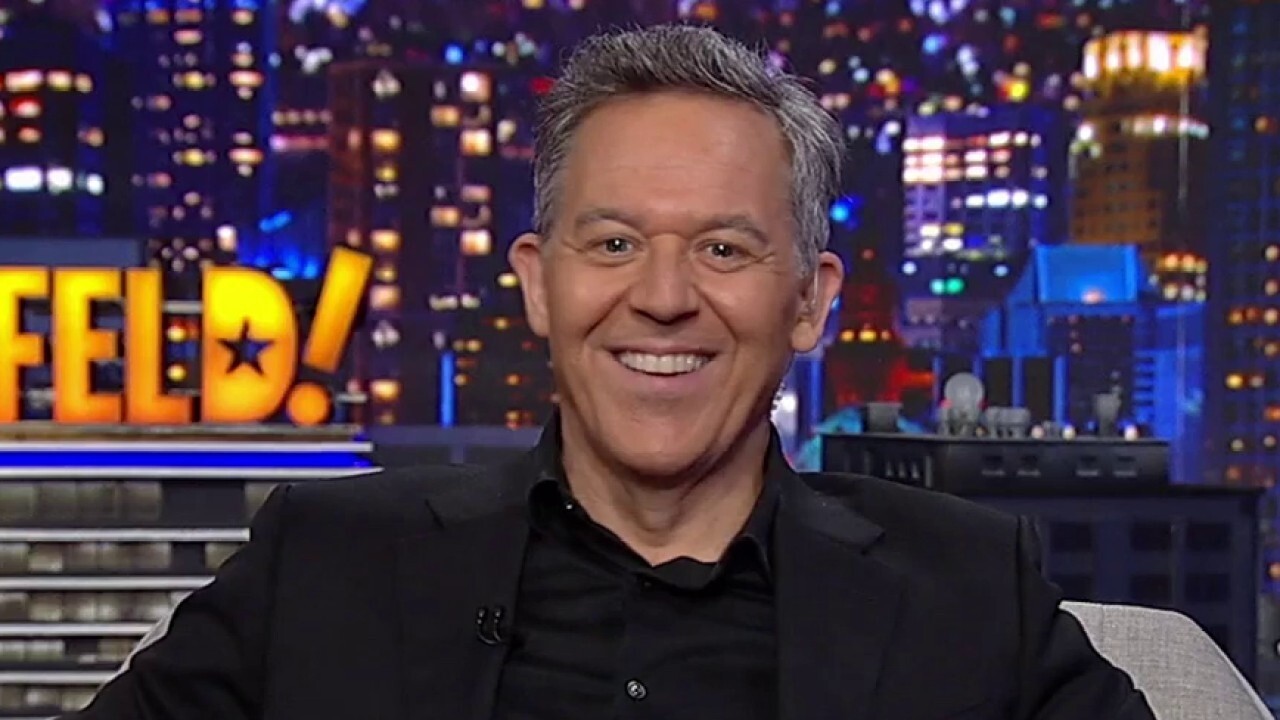
Greg Gutfeld: Democrats Are 'un-electables' Who Rely On Lawsuits	 Wallpaper

Greg Gutfeld: Democrats Are 'un-electables' Who Rely On Lawsuits Wallpaper

Amazing greg gutfeld: democrats are 'un-electables' who rely on lawsuits background image for your devices.
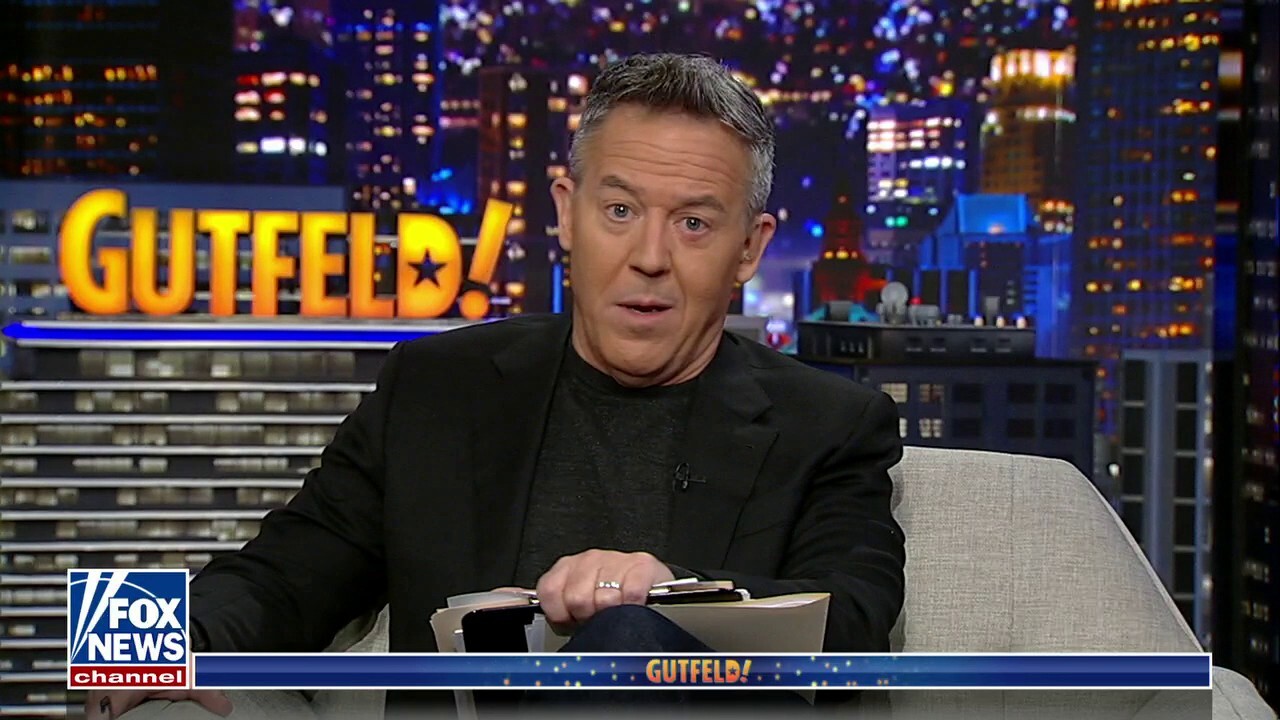
Greg Gutfeld: Democrats Are 'un-electables' Who Rely On Lawsuits	 View

Greg Gutfeld: Democrats Are 'un-electables' Who Rely On Lawsuits View

High quality greg gutfeld: democrats are 'un-electables' who rely on lawsuits image perfect for desktop or mobile wallpaper.
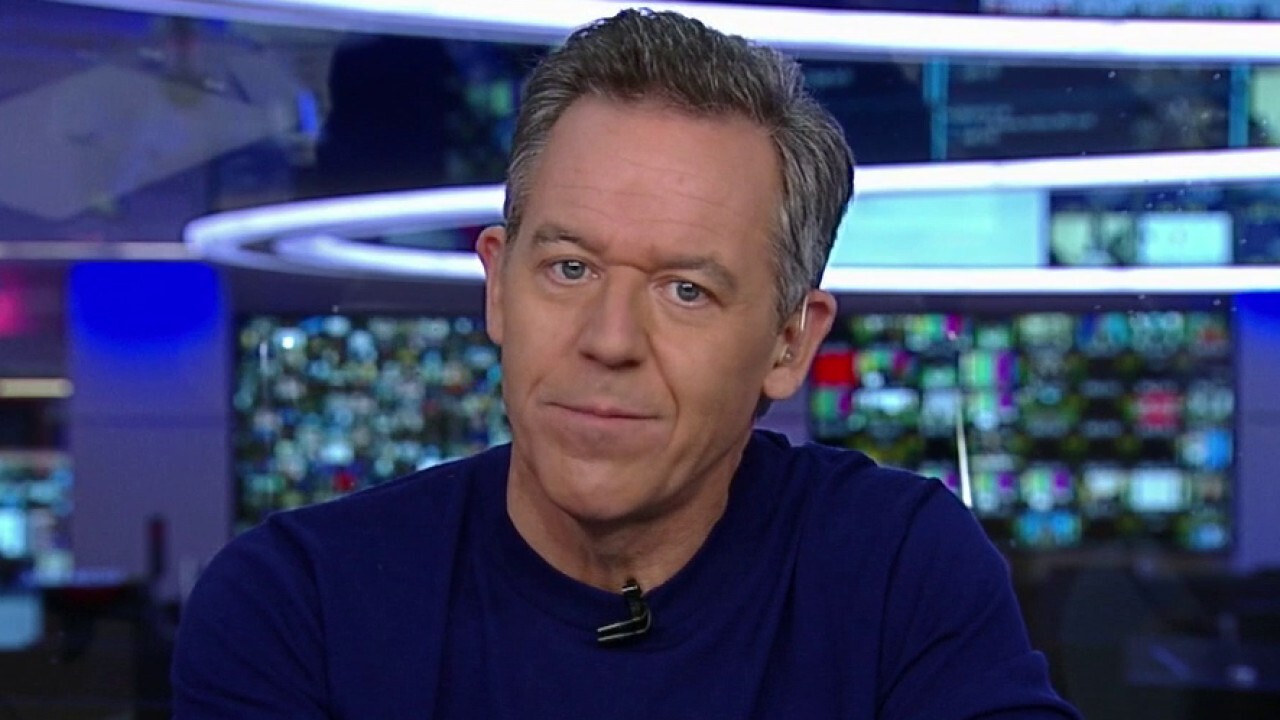
Greg Gutfeld: Democrats Are 'un-electables' Who Rely On Lawsuits	 Photograph

Greg Gutfeld: Democrats Are 'un-electables' Who Rely On Lawsuits Photograph

Gorgeous greg gutfeld: democrats are 'un-electables' who rely on lawsuits photo that makes a perfect wallpaper.

Download these Greg Gutfeld: Democrats are 'un-electables' who rely on lawsuits wallpapers for free and use them on your desktop or mobile devices.

Related Keyword: