THIS Is How You Can Buy a Great Piece of Undeveloped Land, According to Real Estate Pros
Acquiring Undeveloped Land: A Comprehensive Guide for Savvy Buyers
Executive Summary
Purchasing undeveloped land presents a unique and often lucrative opportunity for both investors and future homeowners. Unlike acquiring developed property, raw land transactions demand a meticulous approach to due diligence, a deep understanding of regulatory complexities, and strategic financial planning. This report provides a comprehensive framework for navigating these intricacies, highlighting the inherent advantages, potential pitfalls, and the critical steps required to secure a truly "great" piece of undeveloped land. By emphasizing thorough research, expert consultation, and a clear vision for the property's future, buyers can mitigate risks and unlock the significant long-term value that undeveloped land offers.
I. Understanding Undeveloped Land: Definition, Pros, and Cons
Undeveloped land, often referred to as raw land, stands distinct from developed properties by its lack of existing structures, man-made improvements, or even cleared areas. It typically lacks essential infrastructure like roads and utilities on the property itself, though it may have access points. Understanding the nuances of what constitutes undeveloped land is the first step in appreciating its potential and challenges.
Defining "Undeveloped Land"
- Raw Land: This is the most basic form, typically lacking access to utilities and potentially even road access. It represents the most challenging type of land to finance due to its completely unimproved nature.
- Unimproved Land: A step above raw land, this category might have access to some utilities, such as water lines nearby, but still lacks others like phone lines or gas/electricity meters. While financing is comparatively easier than for raw land, it remains challenging.
- Improved Land: This is the most developed category of vacant land, featuring full utility and road access, making it ready for immediate development. Although it is the most expensive, it is also the easiest to finance because it is primed for immediate use.
Advantages of Purchasing Undeveloped Land
Acquiring undeveloped land offers several compelling benefits for discerning buyers:
- Affordability and Cost Savings: Undeveloped land generally boasts a lower upfront purchase price compared to properties with existing structures or extensive improvements. This makes it a more cost-effective entry point for investors or those with tighter budgets seeking to invest in real estate.
- Creative Flexibility and Customization: The absence of existing structures provides unparalleled freedom to design and develop the land precisely according to a buyer's vision. Whether the plan is for a custom home, a farm, or a business, the possibilities are virtually limitless, provided local zoning laws are respected.
- Potential for Increased Value (Long-term Investment): Land values have a strong tendency to appreciate over time, especially in areas experiencing population growth, increased demand, or strategic infrastructure development. Acquiring undeveloped land in such regions can yield significant returns on investment, making it a compelling long-term asset.
- Enhanced Privacy: Undeveloped parcels are often located in more secluded or rural settings, offering a higher degree of privacy compared to densely populated areas with existing structures.
- Lower Carrying Costs: Without existing buildings, ongoing expenses like maintenance, repairs, and insurance are typically lower than for developed properties.
Challenges and Hidden Costs
While undeveloped land offers many benefits, prospective buyers must factor in several additional expenses and inherent risks:
- Significant Development Expenses: The lack of existing infrastructure means buyers must budget for substantial costs to make the land usable. This includes installing essential utilities such as water, electricity, and sewage; constructing access roads; and preparing the site through grading, excavation, and clearing. These costs can accumulate quickly, making careful budgeting essential.
- Zoning and Permitting Hurdles: Navigating local zoning laws, environmental regulations, and securing necessary building permits can be a complex, time-consuming, and potentially costly process. The land's undeveloped status might itself be a reflection of specific restrictions or challenges in obtaining approvals.
- Financing Difficulties: Undeveloped land is generally considered a higher-risk investment by lenders. This often translates to more stringent loan requirements, including higher down payments (typically 20-50%), higher interest rates (potentially 2% above conventional mortgages), and shorter repayment terms (often under 10-20 years).
- Market Volatility: The value of undeveloped land can be more susceptible to market fluctuations driven by economic downturns, changes in zoning laws, or shifts in demand, impacting its resale value.
- Ongoing Maintenance: Even without structures, undeveloped land requires some upkeep, such as weed and pest control.
Table: Pros and Cons of Buying Undeveloped Land
| Feature | Pros of Buying Undeveloped Land | Cons of Buying Undeveloped Land |
|---|---|---|
| Cost | Lower upfront purchase price | Significant development expenses (utilities, roads, clearing) |
| Control | Creative flexibility and full customization | Zoning and permitting hurdles; potential restrictions |
| Value | Potential for long-term value appreciation | Market volatility can impact resale value |
| Privacy | Enhanced privacy due to secluded locations | Ongoing maintenance (weed/pest control) |
| Financing | Lower carrying costs (no structures to maintain) | Financing difficulties: higher down payments, interest rates, shorter terms |
II. The Due Diligence Imperative: Essential Investigations Before Purchase
Thorough due diligence is the cornerstone of a successful undeveloped land acquisition. It is a comprehensive investigation designed to uncover all relevant information, mitigate risks, and understand the true costs and potential of the property. For raw land, this process is far more extensive than for developed properties, as the buyer assumes responsibility for all site preparation and compliance. Each due diligence step, from zoning to soil testing to title search, is not isolated but part of an interconnected web. A problem in one area, such as the land being in a flood zone, can render all other positive attributes, like a great location, irrelevant for the intended use, creating a domino effect on feasibility and value. This means that the "greatness" of a piece of land is defined by the absence of critical showstoppers across all due diligence categories; a single unaddressed red flag can undermine the entire investment.
A. Legal and Regulatory Framework
- Zoning Laws and Deed Restrictions: These municipal codes dictate what can and cannot be built on a property, ensuring alignment with surrounding areas and safety standards. It is crucial to visit the local planning department or check their website to understand restrictions like setbacks, height limits, or specific land use constraints. It is important to note that hidden restrictions can exist beyond the initial sales contract or deed, making thorough legal review essential.
- Required Permits and Approvals: Before any construction can begin, securing necessary permits (e.g., building permits, environmental permits, project-specific approvals) from local authorities is essential. Familiarity with local building codes, including fire safety and permit regulations, is paramount to ensure compliance and avoid costly delays or penalties.
- Understanding Ownership Rights: Beyond surface ownership, it is vital to confirm who holds rights to mineral extraction, timber harvesting, water usage (riparian/littoral rights), wind rights, grazing rights, and even air rights. These rights can significantly impact land use and value, and their ownership may be separate from the land itself.
B. Site-Specific Assessments
- Thorough On-Site Inspection and Walking the Land: Physically inspecting the property under various conditions is critical to understanding its utility, identifying potential issues, and assessing its actual state beyond aerial views or descriptions. This includes assessing access and surroundings.
- Environmental Considerations: Crucial assessments include checking for wetlands, floodplains, protected wildlife habitats, or areas with historical/cultural significance, as these can impose strict building limitations. Environmental surveys are necessary to identify potential contaminants that could require costly remediation.
- Soil Quality and Testing for Buildability: The soil's composition and load-bearing capacity directly impact foundation stability. Different soil types, such as heavy clay soils that can expand and contract with moisture changes, or sandy soils that may lack sufficient strength, react differently to moisture and weight, necessitating proper preparation for a durable structure. A soil study identifies potential stability issues or special engineering requirements.
- Topography and Land Features: Natural characteristics like steep slopes, rocky terrain, or irregularly shaped lots can present significant construction challenges, often requiring additional engineering and site preparation, which add to costs. Water drainage issues, including uneven terrain, unstable soil, or inadequate drainage, can complicate construction and lead to long-term stability problems.
C. Property Details and Access
- Accurate Acreage Verification and Land Surveying: Buyers should never rely solely on a seller's deed for acreage. Recent land surveys are essential to confirm actual dimensions, clarify exact boundary lines, and identify any discrepancies that may have arisen from past changes (e.g., road widening) or outdated surveying methods. Obtaining appropriate title insurance is also critical.
- Identifying and Resolving Potential Boundary Disputes: While a land survey helps identify physical encroachments, it is also advisable to speak with neighbors. Unauthorized structures or conflicting claims over property lines can create significant headaches. A simple discussion that leads to a written agreement with neighbors can help prevent future issues.
- Understanding Property Access: It is crucial to determine how the property can be accessed – via a public road, a private road (common in subdivisions and privately maintained), or an easement (granted access over another's property, often for otherwise inaccessible land). Lack of recorded access may necessitate pursuing an easement, which is not guaranteed and requires additional legal work.
D. Financial and Market Analysis
- Professional Appraisal and Land Valuation Approaches: Buyers should not rely solely on the seller's word for value. A professional appraisal is crucial to ensure a fair price. Appraisers use various methods:
- Comparable Sales Approach: This commonly used method involves analyzing recent sales of similar land parcels in the area to establish an estimated value, with adjustments made for differences in features like size or location.
- Income Approach: This method calculates land value based on the income potential it can generate, often applied to raw land with prospects for rental income or agricultural use.
- Highest and Best Use (HBU) Analysis: This determines the most profitable or productive way to utilize the land, considering its characteristics and zoning. This is a crucial component of an appraisal and influences financing.
- Cost Approach: While less common for raw land due to the lack of existing improvements, this method can be relevant for unique properties where comparable sales data is limited, helping to establish a base land value.
- Subdivision Development Approach: For large parcels, this estimates value based on the potential income that could be generated from dividing the land into individual plots and selling them.
- Land Residual Technique: This technique isolates the raw land value from the total value of a property, particularly valuable for properties with substantial improvements.
- Assessing Market Demand and Investment Potential: Successful land development hinges on understanding market dynamics. Factors influencing demand include population variation, economic transformation, government policies, changes in the community's economic structure, land availability, and social services. Market research should analyze consumer demographics, past sales, planned infrastructure, competitors, and future profitability.
- Understanding Property Taxes and Future Implications: Current property tax rates, any special assessment taxes, and the property's tax history should be determined. Crucially, building a new home or developing the land will increase its value and, consequently, future property taxes.
Table: Key Due Diligence Areas and Associated Professionals
III. Navigating Financing Options for Undeveloped Land
Securing financing for undeveloped land is often more challenging than for traditional home mortgages due to the higher perceived risk by lenders. Understanding the available options, their characteristics, and associated costs is crucial for a successful purchase.
A. Traditional Land Loans
- Characteristics and Lender Risk Perception:
- Higher Down Payments: Land loans typically require 20% to 30% of the asking price as a down payment. For raw land, this can increase significantly, often to 30% to 50% of the total cost.
- Higher Interest Rates: Due to the elevated risk, interest rates are generally higher than conventional mortgages, potentially around 2% higher for raw land loans.
- Shorter Loan Terms: Repayment periods are typically shorter, often under 10 to 20 years, compared to the 30-year terms common for mortgages. Some land loans might even be structured as balloon mortgages, with a large lump-sum payment of the balance due at the end of a set period.
- Lower Lending Limits: Lenders may cap the amount that can be borrowed due to the inherent risks.
- Clear Vision for the Land: Lenders often require a definite plan for improving the property, as this demonstrates value and reduces their risk.
- Strategies for Securing Land Loans:
- Local Lenders: Community banks and credit unions are often more inclined to offer land loans than large national banks, as they are more familiar with local land values and market conditions.
- Strong Credit Score: A minimum credit score in the high 600s to low 700s is often necessary for approval.
- Comprehensive Plan: Presenting a detailed plan for the land's use and development can significantly increase approval chances, potentially even qualifying for a construction-to-permanent loan that covers both the land purchase and building project.
B. Alternative Financing Solutions
Given the challenges of traditional land loans, several alternative financing options exist:
- Government Programs:
- USDA Rural Housing Site Loans (Sections 523 & 524): These programs are designed for low- to moderate-income families planning to build a primary residence in rural areas. Section 523 loans are for borrowers who intend to build their own home, while Section 524 loans allow borrowers to hire a contractor. Both offer low interest rates (e.g., 3% for Section 523) and have a 5-year repayment term.
- SBA 504 Loans: Business owners intending to use the land for commercial purposes may qualify for a 504 loan through the U.S. Small Business Administration (SBA). This program involves contributions from three parties: the SBA provides 40% of the purchase cost, a lender provides 50%, and the buyer contributes 10% as a down payment.
- Owner Financing: In this arrangement, the land owner provides the financing directly, which can be an easier option for buyers turned down by traditional lenders.
- Contract for Deed (Land Installment Contract): The buyer pays the owner in installments over a set period, often with a final balloon payment. The seller retains the deed until full payment, which can potentially delay construction plans.
- Mortgage/Trust Deed: The seller issues the deed immediately to the buyer in return for a promissory note (guaranteeing payment) and a mortgage contract (acting as collateral), allowing immediate access for construction.
- Leveraging Existing Assets:
- Home Equity Loans: If a buyer owns a home with significant equity, they can borrow against it. These loans generally have lower interest rates than personal loans and typically require no down payment, as they are secured by the existing home. However, a major downside is the risk of losing the home if the borrower defaults.
- 401(k) Loans: This option depends on employer policy, as there is no legal requirement for companies to allow borrowing from retirement plans. Even if allowed, it is typically a limited, short-term loan, but it can be a lower-cost alternative to traditional financing.
The flexibility inherent in undeveloped land, while a major advantage, paradoxically manifests as higher financial costs in the financing stage. The less defined the land's future, the more the lender charges for the uncertainty. This is because from a lender's perspective, this flexibility translates into uncertainty and higher risk. Without a specific, tangible asset like a house or a clearly defined, value-adding project, the collateral is less secure. Lenders compensate for this uncertainty by charging more and requiring more upfront capital.
C. Understanding Closing Costs for Land Purchases
Beyond the purchase price and down payment, buyers must budget for mandatory closing fees, which typically include:
- Title Search
- Title Insurance
- Land Appraisal
- Land Survey
- Attorney Fees
Table: Land Loan Characteristics vs. Traditional Mortgages
| Feature | Traditional Mortgage (e.g., 30-year fixed) | Land Loan (Undeveloped/Raw Land) |
|---|---|---|
| Down Payment | Often 3-20% (can be lower with certain programs) | Typically 20-50% |
| Interest Rates | Generally lower, tied to conventional market rates | Higher, often 2% above conventional mortgage rates |
| Loan Term | Commonly 15-30 years | Shorter, often under 10-20 years; can be balloon mortgages |
| Lender Risk Perception | Lower risk (secured by developed property/primary residence) | Higher risk (unimproved land is harder to sell if default occurs) |
| Purpose | Purchase of existing home or new construction on improved land | Purchase of empty plot of land only |
| Requirements | Debt-to-income ratio, credit score, stable income | Higher credit score, clear plan for land use/improvement |
IV. Assembling Your Expert Team: Professionals to Consult
Successfully navigating the complexities of undeveloped land acquisition necessitates a multidisciplinary approach, relying on a team of specialized professionals. Engaging these experts upfront can save significant time, money, and headaches down the line, ensuring a smooth and secure transaction. The fees paid to these experts are not merely expenses but critical investments in mitigating the unique and substantial risks associated with undeveloped land. Overlooking any of these professionals directly exposes the buyer to specific risks they are meant to identify and mitigate, such as buying land with a hidden lien or unbuildable soil. The cost of not hiring them can be exponentially higher than their fees.
- Real Estate Agents Specializing in Land: These agents possess invaluable knowledge of the local land market, terrain, and pricing trends. They can help identify suitable properties, negotiate terms, and guide the transaction to closing.
- Land Surveyors: A surveyor is essential for accurately marking exact property boundaries, analyzing topography, and confirming the actual acreage of the land. They help identify any existing encroachments or discrepancies from historical records.
- Real Estate Attorneys (Land-Use Attorneys): These professionals provide critical legal guidance, meticulously review all contracts, deeds, and legal documents to identify potential issues, and ensure the buyer's interests are protected. They are crucial for navigating zoning regulations, permits, and ownership rights.
- Appraisers: Hiring an independent appraiser is vital to determine the land's fair market value, preventing overpayment. They conduct detailed property descriptions, market analyses, and "highest and best use" analyses.
- Environmental Consultants: These specialists conduct environmental surveys to identify potential issues such as wetlands, flood zones, protected habitats, or contaminants. They perform soil studies to assess buildability and identify engineering requirements.
- Escrow Companies (and their role in Title Services): Escrow companies facilitate the closing process, conducting comprehensive title searches to verify ownership history and ensure the land is free of liens or encumbrances. They also offer title insurance and manage the transfer of funds.
- Local Planning Department Officials: Direct consultation with the local planning department is necessary to understand specific zoning rules, building codes, and permit requirements for the intended use.
- Utility Companies: Contacting local utility suppliers (water, sewer, electricity, gas) is crucial to determine connection feasibility, timelines, and associated costs, which can be significant hidden expenses.
With so many diverse experts involved, the buyer effectively becomes the "project manager" or "integrator" of this expert team. No single professional can provide the full picture; the buyer must synthesize the information from all these experts to make a holistic decision. This requires the buyer to understand the implications of each expert's findings on the overall project. For instance, a soil report might necessitate a change in building plans, which then impacts permits and financing. The "greatness" of a land acquisition is not just about hiring the right experts, but about the buyer's capacity to manage and interpret their collective insights.
V. Strategic Recommendations for a Successful Land Acquisition
Acquiring a "great" piece of undeveloped land goes beyond merely finding an attractive parcel; it demands a strategic mindset focused on comprehensive preparation, clear planning, and a long-term perspective. The overall emphasis on due diligence, expert consultation, and financing challenges reveals that a "great piece of undeveloped land" is not merely about its aesthetic appeal or location, but fundamentally about its potential for successful development and its ability to attract necessary financing. If land cannot be developed as intended due to zoning, environmental issues, or unsuitable soil, or if it cannot be financed affordably, its inherent "greatness" is severely diminished, regardless of other attributes. The practical aspects of "developability" and "financeability" are the ultimate determinants of its value and "greatness."
- Emphasizing Comprehensive Due Diligence and Professional Guidance: The most critical recommendation is to conduct exhaustive due diligence, leaving no stone unturned. This means proactively investigating all legal, environmental, site-specific, and financial aspects.
- Developing a Clear Plan for Land Use and Development: Before even seeking financing, it is imperative to articulate a comprehensive and realistic plan for what is intended with the land. This plan should encompass proposed structures, utility needs, and a development timeline.
- Adopting a Long-Term Investment Perspective: Undeveloped land is often a long-term asset, with value appreciation occurring over time, especially in growth areas. Buyers should be prepared for the investment period and potential market fluctuations.
Conclusion
Acquiring undeveloped land is a strategic undertaking that offers substantial rewards for those who approach it with diligence and foresight. The journey from identifying a potential parcel to realizing its full value is paved with complexities, from navigating intricate zoning laws and environmental considerations to securing specialized financing. The inherent flexibility of undeveloped land, while appealing, necessitates a proactive buyer who is prepared to invest significantly in due diligence and development.
A "great" piece of undeveloped land is ultimately defined not just by its intrinsic qualities or location, but by its developability and financeability. This means that the most successful acquisitions are those where the buyer has meticulously investigated all potential hurdles, engaged a comprehensive team of local experts, and articulated a clear, feasible plan for the land's future use. The buyer's role transforms from a passive consumer to a strategic investor, actively shaping the land's future value through meticulous planning, risk management, and expert orchestration. By embracing this proactive approach, buyers can confidently navigate the challenges and unlock the profound long-term potential that undeveloped land holds.
THIS Is How You Can Buy a Great Piece of Undeveloped Land, According to Real Estate Pros Wallpapers
Collection of THIS Is How You Can Buy a Great Piece of Undeveloped Land, According to Real Estate Pros wallpapers for your desktop and mobile devices.

This Is How You Can Buy A Great Piece Of Undeveloped Land, According To Real Estate Pros Photo
Beautiful this is how you can buy a great piece of undeveloped land, according to real estate pros wallpaper with stunning details and colors.
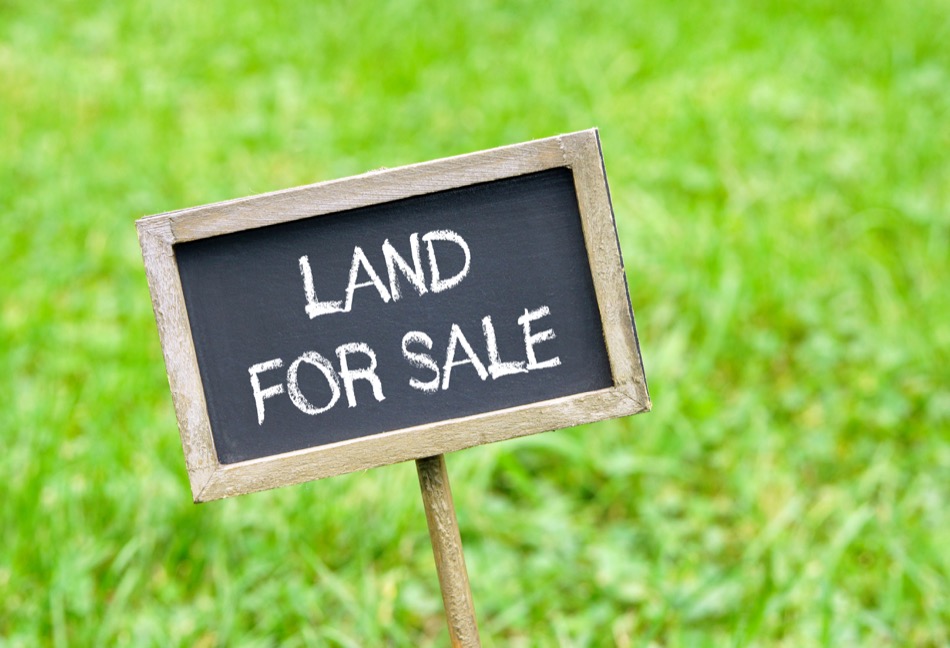
This Is How You Can Buy A Great Piece Of Undeveloped Land, According To Real Estate Pros Wallpaper
Gorgeous this is how you can buy a great piece of undeveloped land, according to real estate pros photo that makes a perfect wallpaper.
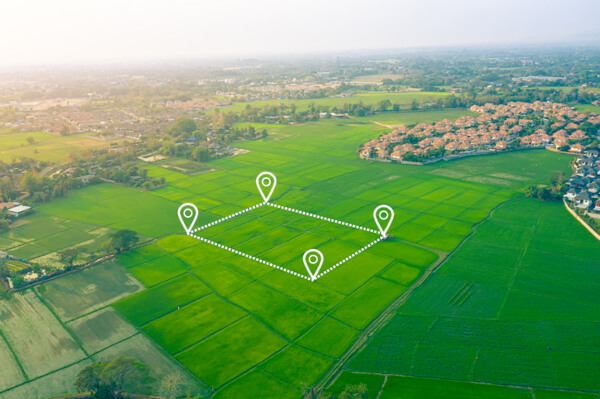
This Is How You Can Buy A Great Piece Of Undeveloped Land, According To Real Estate Pros Photo
Gorgeous this is how you can buy a great piece of undeveloped land, according to real estate pros photo that makes a perfect wallpaper.

This Is How You Can Buy A Great Piece Of Undeveloped Land, According To Real Estate Pros Backdrop
Stunning this is how you can buy a great piece of undeveloped land, according to real estate pros image with high resolution quality.

This Is How You Can Buy A Great Piece Of Undeveloped Land, According To Real Estate Pros Scenery
High quality this is how you can buy a great piece of undeveloped land, according to real estate pros image perfect for desktop or mobile wallpaper.

This Is How You Can Buy A Great Piece Of Undeveloped Land, According To Real Estate Pros Picture
Stunning this is how you can buy a great piece of undeveloped land, according to real estate pros image with high resolution quality.

This Is How You Can Buy A Great Piece Of Undeveloped Land, According To Real Estate Pros View
Amazing this is how you can buy a great piece of undeveloped land, according to real estate pros background image for your devices.

This Is How You Can Buy A Great Piece Of Undeveloped Land, According To Real Estate Pros Backdrop
Stunning this is how you can buy a great piece of undeveloped land, according to real estate pros image with high resolution quality.

This Is How You Can Buy A Great Piece Of Undeveloped Land, According To Real Estate Pros Wallpaper
Gorgeous this is how you can buy a great piece of undeveloped land, according to real estate pros photo that makes a perfect wallpaper.

This Is How You Can Buy A Great Piece Of Undeveloped Land, According To Real Estate Pros Shot
High quality this is how you can buy a great piece of undeveloped land, according to real estate pros image perfect for desktop or mobile wallpaper.

This Is How You Can Buy A Great Piece Of Undeveloped Land, According To Real Estate Pros View
Beautiful this is how you can buy a great piece of undeveloped land, according to real estate pros wallpaper with stunning details and colors.

This Is How You Can Buy A Great Piece Of Undeveloped Land, According To Real Estate Pros View
Gorgeous this is how you can buy a great piece of undeveloped land, according to real estate pros photo that makes a perfect wallpaper.
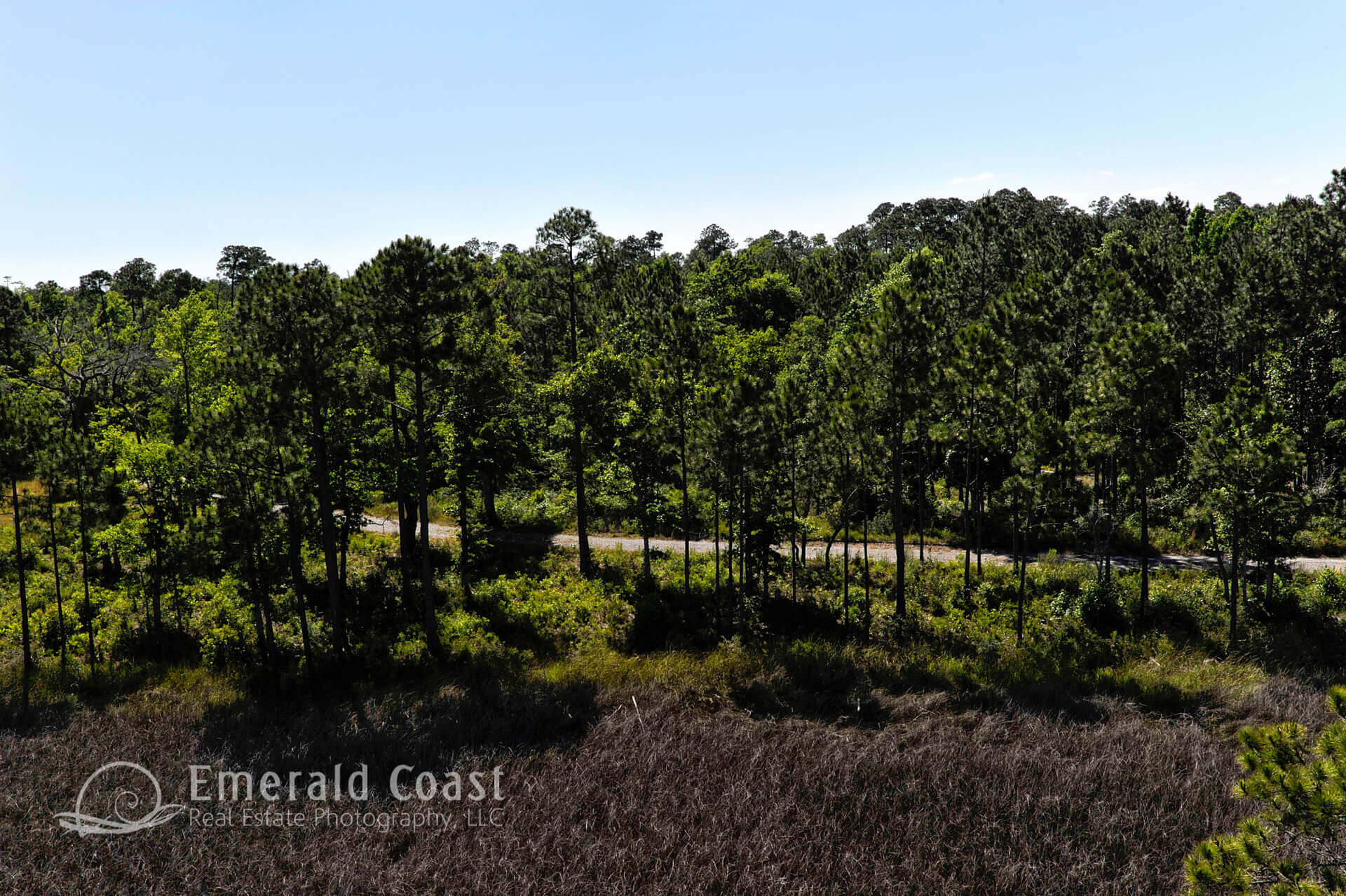
This Is How You Can Buy A Great Piece Of Undeveloped Land, According To Real Estate Pros View
Amazing this is how you can buy a great piece of undeveloped land, according to real estate pros background image for your devices.

This Is How You Can Buy A Great Piece Of Undeveloped Land, According To Real Estate Pros Scenery
Beautiful this is how you can buy a great piece of undeveloped land, according to real estate pros wallpaper with stunning details and colors.
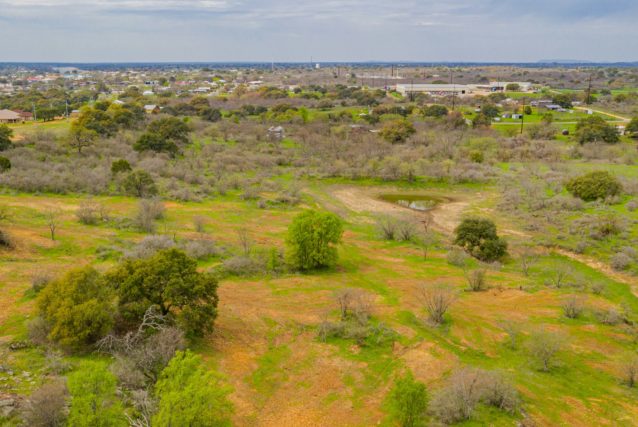
This Is How You Can Buy A Great Piece Of Undeveloped Land, According To Real Estate Pros Picture
Gorgeous this is how you can buy a great piece of undeveloped land, according to real estate pros photo that makes a perfect wallpaper.
Download these THIS Is How You Can Buy a Great Piece of Undeveloped Land, According to Real Estate Pros wallpapers for free and use them on your desktop or mobile devices.
