Brun survivors
Beyond the Scars: A Comprehensive Report on the Physical, Psychological, and Social Dimensions of Burn Survivorship
Introduction: The Lifelong Journey of a Burn Survivor
A severe burn injury is not a singular, finite event. It is the catalyst for a lifelong, multifaceted journey of healing that profoundly reshapes an individual's physical, psychological, and social existence. The moment of injury marks the beginning of a complex continuum of care and adaptation, a path that extends far beyond the walls of a hospital. To comprehend the experience of those who endure this journey, it is essential to move beyond the passive terminology of a "victim" and embrace the active, resilient identity of a "survivor".
This report will explore the full arc of this journey, examining the remarkable evolution of medical care that has made survival possible, the critical and often overlooked need for integrated psychological and social support, and the stark global inequities that create vastly different outcomes for survivors depending on their geography. The history of modern burn care is itself a testament to the power of community response to tragedy. Pivotal events, such as the devastating 1972 plane crash into Farrell's Ice Cream Parlour in Sacramento, California, which killed 22 people and injured 25, served as tragic but powerful impetuses for change. The realization that no local hospital could provide the specialized care needed for the crash survivors spurred the community and local firefighters to establish a regional burn center.
Chapter 1: The Body Under Siege: Acute Trauma and the Frontiers of Medical Care
The immediate aftermath of a severe burn injury represents one of the most profound physiological crises the human body can endure. It is an all-encompassing assault that pushes medical science to its limits. This chapter details the initial trauma, the harrowing stages of acute care, and the revolutionary advancements in treatment that have fundamentally altered the landscape of survival and recovery, offering new hope for healing with less pain and trauma.
1.1. The Pathophysiology of Burn Injury: Understanding the Damage
To appreciate the complexity of burn care, one must first understand the structure of the skin and the cascading effects of its destruction. The skin, the body's largest organ, is composed of three primary layers: the epidermis, the dermis, and the hypodermis.
A severe burn, however, is not merely a localized skin wound; it is a systemic injury that throws the entire body into a state of emergency. The destruction of the skin barrier triggers a massive inflammatory response and leads to a catastrophic loss of fluids. This can quickly lead to shock, organ failure, and other life-threatening complications. The body's metabolic rate skyrockets as it attempts to fight off infection and heal, placing immense strain on its resources. This systemic crisis means that the immediate threats to life extend far beyond the visible tissue damage, requiring a highly specialized and intensive medical response.
1.2. The Gauntlet of Acute Care: Survival in the First Hours and Days
The initial period of hospitalization is a harrowing fight for survival, divided into distinct phases of care. The critical phase, immediately following the injury, is often characterized by sensory overload, confusion, and disorientation. Patients may experience delirium as a result of infections, metabolic complications, or high doses of medication.
As the patient stabilizes, they enter the acute phase of recovery. During this time, the focus shifts to preventing infection and beginning the long process of wound closure.
Throughout these early phases, pain is a constant and debilitating companion. Survivors experience two distinct types of pain: a persistent background pain and an excruciating procedural pain, which occurs during necessary interventions like daily dressing changes and physical therapy.
1.3. The New Frontier of Healing: Revolutionary Treatment Modalities
For decades, the standard treatment for severe burns requiring wound closure has been the split-thickness skin autograft. This procedure involves harvesting a thin layer of healthy skin from an uninjured area of the patient's body (a donor site) and transplanting it to the burn wound. To cover large areas, this graft is often meshed, creating a diamond pattern that allows it to be stretched. While effective, this process creates a new, painful wound at the donor site, adding to the patient's overall trauma and wound-healing burden.
In recent years, however, revolutionary new technologies have emerged that are transforming this paradigm, offering the potential for more effective healing with significantly less pain and trauma. These advancements represent more than just an improvement in wound care; they are a direct intervention against the drivers of long-term psychological morbidity. By minimizing the number of painful surgical procedures and reducing the trauma associated with large donor sites
One of the most significant breakthroughs is enzymatic debridement, exemplified by the product Nexobrid®. This therapy uses an enzyme mixture derived from pineapple stems, called bromelain, to selectively dissolve dead and damaged burn tissue at a cellular level. Unlike traditional surgical debridement, which relies on the human eye and hand, this enzymatic process is remarkably precise, preserving the maximum amount of healthy, viable tissue underneath the burn.
Another game-changing innovation is regenerative cell therapy, often referred to as "spray-on-skin," with Recell® being a leading example. This point-of-care technology allows surgeons to take a very small biopsy of the patient's healthy skin and place it in a device that uses a solution to break it down into a suspension of individual skin cells. This liquid suspension can then be sprayed evenly over the prepared burn wound. The regenerative cells in the spray adhere to the wound bed and begin to grow new skin. This method is incredibly efficient; a small skin sample can be used to treat a burn area up to 80 times its size.
It is important to note, however, that even these revolutionary technologies have limitations. The most advanced regenerative therapies may not be an option for the most severely injured patients. Recell®, for instance, requires a sufficient amount of the dermal layer of skin to remain for the sprayed cells to adhere and grow; it cannot be sprayed directly over subcutaneous fat or connective tissue exposed by a full-thickness, third-degree burn.
Beyond grafting, research is also advancing in the fields of nanotherapeutics and wound dressings. Nanomedicine offers the potential to develop therapies that can deliver antimicrobial agents or growth factors directly to the wound site with enhanced efficiency.
Table 1: Modern Advancements in Burn Wound Management
Treatment Category | Traditional Method | Modern Advancement | Mechanism of Action | Key Benefit |
Debridement | Surgical Excision (using a knife) | Enzymatic Debridement (e.g., Nexobrid®) | Uses pineapple-derived enzymes to selectively dissolve dead tissue. | Preserves maximum healthy tissue; much more precise than surgery; reduces need for grafting. |
Grafting / Wound Closure | Split-Thickness Autograft | Regenerative Cell Spray (e.g., Recell®) | Uses a small skin biopsy to create a suspension of regenerative cells that is sprayed onto the wound. | Dramatically reduces donor site size (up to 80:1 coverage); less pain and scarring; faster healing. |
Wound Dressings | Gauze Dressings | Advanced Dressings (Hydrogels, Hydrocolloids, Chitosan-based) | Maintain a moist healing environment; can be infused with antimicrobial or growth factors. | Optimizes healing conditions; reduces infection risk; prevents scarring and contamination. |
Antimicrobial Treatment | Topical Antibiotic Creams | Nanoparticle-infused Dressings/Therapeutics | Use nanomaterials (e.g., silver, zinc oxide) to deliver antimicrobial agents effectively. | Broad-spectrum efficacy; can overcome bacterial resistance; enhances drug delivery at lower doses. |
Chapter 2: The Invisible Wounds: The Psychological Aftermath
While medical advancements have dramatically improved physical survival rates, the journey of a burn survivor is equally defined by a profound and often protracted psychological battle. The trauma of the injury and the subsequent challenges of recovery leave deep, invisible wounds that can persist long after the skin has healed. This chapter explores the immense psychological burden carried by survivors, focusing on the high prevalence of mental health conditions, the complex issues of body image and identity, and the chronic physical symptoms that fuel psychological distress.
2.1. The Triad of Distress: PTSD, Depression, and Anxiety
Following a severe burn injury, a significant portion of survivors experience a triad of debilitating psychological conditions: post-traumatic stress disorder (PTSD), depression, and anxiety. The statistics are stark and consistent across numerous studies. It is reported that approximately 30% of burn survivors develop PTSD, a condition characterized by intrusive and distressing memories of the event, a state of hypervigilance or being easily startled, and the avoidance of situations or thoughts that serve as reminders of the trauma.
Symptoms of depression and anxiety are even more widespread. Studies show prevalence rates for depression ranging from 23% to as high as 61%, while generalized anxiety affects between 13% and 47% of survivors.
The onset of this distress can be immediate. Many survivors exhibit symptoms of Acute Stress Disorder (ASD) within the first month of their injury. ASD presents with symptoms similar to PTSD, including dissociation, re-experiencing the event, and avoidance, and it is a strong predictor for the later development of full-blown PTSD.
Table 2: Prevalence of Key Psychological and Chronic Conditions in Burn Survivors
Condition | Prevalence Range | Key Symptoms / Impacts | Sources |
Post-Traumatic Stress Disorder (PTSD) | 15-45% | Reliving the traumatic event, hypervigilance, avoidance of reminders, nightmares, emotional numbness. | |
Depression | 23-61% | Persistent sadness, loss of interest in previously enjoyed activities, feelings of hopelessness and guilt, low energy, social isolation. | |
Generalized Anxiety | 13-47% | Excessive worry, irritability, difficulty relaxing, physical symptoms like heart pounding and trouble breathing. | |
Chronic Pain | 35-52% | Ongoing pain concerns more than one year post-injury; often interferes with daily life activities. | |
Severe Sleep Disturbance | 39-75% | Difficulty falling or staying asleep, frequent nightmares related to the trauma, non-restorative sleep. |
2.2. The Mirror's Gaze: Body Image, Identity, and Social Reintegration
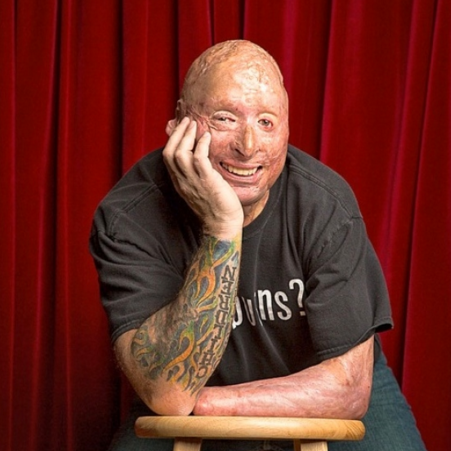
A burn injury fundamentally alters a person's physical appearance, leading to a profound challenge known as body image distress. This refers to the unhappiness, discomfort, and lack of confidence a person feels about the way their body looks, feels, and functions. Research indicates that about one-third of burn survivors experience severe distress related to their changed appearance, and this can occur even if the scars are in locations that are not typically visible to the public.
The process of social reintegration is fraught with these challenges. Survivors must learn to navigate a world where they are often met with stares, intrusive questions, and sometimes negative or insensitive comments. This constant external focus on their scars can be a source of repeated emotional trauma. To cope, many survivors and support organizations have developed proactive strategies. These include preparing a short, factual, and emotionally neutral response to the common question, "What happened to you?" For example, a survivor might say, "I was burned when I was younger, but I'm back to doing all the things I enjoyed before".
These challenges extend into the most personal aspects of life, including romantic relationships and intimacy. Survivors may struggle with their own sexual interest and self-confidence, while their partners may also experience a difficult adjustment period, sometimes withdrawing or becoming irritable.
The experience is particularly acute for children and teenagers. Young burn survivors are highly vulnerable to teasing and bullying, even for slight differences in appearance. This negative social interaction can lead to the development of long-term depression and social anxiety, making it difficult for them to form new relationships.
This entire process forces a confrontation with one's own identity. The journey is not just about healing the skin, but about reconstructing a sense of self that incorporates the scars but is not solely defined by them. The advice to "focus less on your physical appearance and more on internal strengths and interests"
2.3. The Lingering Agony: Chronic Pain, Itching, and Sleep Disturbance
The physical suffering of a burn injury does not end when the wounds close. For many survivors, a new set of chronic and often tormenting physical symptoms emerges during the long-term healing phase. As damaged nerves slowly regenerate, they can create persistent and severe pain and itching, a condition known as pruritus.
Sleep disturbance is another pervasive and debilitating long-term problem. The trauma of the event, combined with chronic pain and itching, makes restorative sleep elusive for many. Research indicates that significant sleep problems affect up to 75% of burn patients during their hospitalization, with nightmares about the injury being reported by as many as 39%.
Chapter 3: Forging Resilience: A Holistic Framework for Rehabilitation and Support
Recovery from a severe burn injury is an active, demanding process that requires immense resilience from the survivor. It is not something that simply happens to a person; it is something they must work toward every day. This chapter explores the holistic framework of rehabilitation and support that empowers survivors to undertake this arduous work. It details the integrated therapeutic approaches that heal the body and mind, the vital ecosystem of community support that combats isolation, and the transformative journey from survivor to advocate.
3.1. The Pillars of Recovery: Integrated Therapeutic Approaches
A comprehensive recovery plan rests on several integrated pillars of therapy that address the full spectrum of a survivor's needs. The first pillar is the rebuilding of the body through intensive physical and occupational therapy. Physical Therapy (PT) is essential for restoring strength and range of motion, which is often severely limited by the tightening of scar tissue, a condition known as contracture. Occupational Therapy (OT) focuses on helping survivors relearn and adapt the activities of daily living, from basic self-care to more complex tasks required for returning to work or school.
The second pillar is the healing of the mind through targeted psychological treatments. For many survivors, this involves a combination of pharmacological and non-pharmacological approaches. Medications such as antidepressants can be effective in managing the symptoms of depression and anxiety, while other medications can aid with sleep disturbances and nightmares.
The third pillar is a holistic lifestyle approach that provides a foundation for both physical and mental well-being. Burn care teams provide survivors with practical, evidence-based advice to support their recovery. This includes returning to a normal routine as soon as possible, such as getting up, dressed, and groomed each day to combat feelings of depression. Maintaining a healthy diet and getting sufficient sleep are emphasized, with specific advice to avoid daytime naps to improve nighttime sleep quality. Regular exercise, as medically cleared, is encouraged to improve physical and mental health. Finally, survivors are advised to avoid substances like tobacco, illicit drugs, and excessive alcohol, as these can worsen low mood and increase anxiety, thereby hindering the recovery process.
3.2. The Power of Community: The Ecosystem of Survivor Support
While professional medical and psychological care is essential, the journey of recovery is profoundly influenced by the social environment. A supportive network of family and friends is a crucial buffer against psychological distress.
The cornerstone of this ecosystem is one-on-one peer support. The Phoenix Society's flagship program, Survivors Offering Assistance in Recovery (SOAR), connects newly injured survivors and their families with trained peer supporters—other burn survivors who are further along in their recovery.
Beyond individual mentoring, the support ecosystem includes a wide array of resources designed to combat isolation and foster a sense of community. These include:
Group Support: Local, in-person support groups provide a regular forum for survivors to share experiences and find solidarity.
16 Virtual and Online Communities: Recognizing that geography can be a barrier, organizations host online chatrooms and virtual support groups, making peer connection accessible to anyone in the world with an internet connection.
19 Large-Scale Gatherings: Events like the annual Phoenix World Burn Congress bring together hundreds of survivors, families, and care professionals, creating a powerful, immersive experience of community, education, and shared identity.
20 Specialized Programs: Support is also tailored to specific populations. This includes programs like summer camps (e.g., Camp Beyond the Scars) for young survivors, which provide a safe and fun environment for them to be with peers who understand their experience
24 , and resources specifically for caregivers and family members.20 Educational Resources: A wealth of materials, including online learning modules, toolkits, magazines, and podcasts like "Girls with Grafts," provide survivors and their families with practical tools and information on topics ranging from mental health to body image and social reintegration.
19
This comprehensive, multi-layered approach ensures that survivors and their families have access to the right kind of support at every stage of their recovery journey.
3.3. From Survivor to Advocate: The Power of Personal Narrative
A remarkable and recurring theme in the survivor journey is the transformation of personal trauma into a source of strength and purpose. The act of sharing one's story becomes both a profound tool for personal healing and a powerful instrument for helping others. As one survivor, Nancy Hickson, wrote in a poem after attending her first virtual peer support group, "Without shame I learn to fully embrace my story! To honor it! It has changed me... To heal,-the moments throughout time, all I ever needed was to allow myself to feel!".
This journey often culminates in a desire to give back and effect positive change. Evelin Fernandez, who found immense healing through connecting with other survivors, offered this advice: "Never feel like you're alone, because there is a village of brother and sister survivors who one day you will encounter and be encouraged by their story. Your scars will be a sign to others that you've won a battle that you thought you couldn't win. Your scars will have a story to tell that will impact others".
This impulse to turn pain into purpose is a powerful force. Many survivors become formal advocates, volunteering as peer supporters, participating in research, or speaking publicly to raise awareness. Calais Weber, who survived a fire in her high school chemistry class, was so inspired by her experience that she planned to attend medical school to become a reconstructive surgeon to help other burn victims.
Chapter 4: A Tale of Two Worlds: Global Disparities in Burn Care and Outcomes
While the frontiers of burn care in high-income countries (HICs) are marked by regenerative medicine and integrated psychological support, a vastly different reality exists for the majority of the world's population. The global landscape of burn injury is one of profound inequity, where the chances of survival and the quality of life thereafter are largely determined by geography and economic status. This chapter examines the staggering global burden of burns, focusing on the disproportionate impact on low- and middle-income countries (LMICs), with a specific case study on the crisis in Indonesia and the broader Southeast Asian region.
4.1. The Global Burden of Burn Injuries
Burn injuries are, overwhelmingly, a disease of poverty. The World Health Organization (WHO) provides stark statistics that paint a clear picture of this disparity: over 95% of all fatal fire-related burns occur in LMICs.
Data from the Global Burden of Disease study further quantifies this disparity. By 2019, the continent of Asia accounted for 46% of global burn cases, 47% of deaths, and 46% of disability-adjusted life years (DALYs) lost to burns. The incidence, death, and DALY rates for Asia are 32%, 22%, and 23% higher, respectively, than the global averages. Within Asia, the regions of South and Southeast Asia bear the greatest absolute burden of burn morbidity and mortality.
4.2. Case Study: The Burn Care Crisis in Indonesia
The situation in Indonesia serves as a powerful case study for the systemic challenges faced by many LMICs in managing burn injuries. Epidemiological data from the country's national referral burn center in Jakarta reveals a high-risk population. Scalds from hot liquids are the most common cause of burns in children, while open flames are the primary cause for adults. A majority of patients admitted suffer from severe, deep third-degree burns, indicating that by the time they reach specialized care, their injuries are already critical.
These patients enter a healthcare system that is ill-equipped to handle the complexity of their needs. A consensus report on the Asia-Pacific region highlights challenges that are acutely felt in Indonesia, including economic constraints, a shortage of qualified burn surgeons, and, most critically, limited access to specialist burn facilities.
This cascade of failure begins at the moment of injury, with a profound and dangerous gap in public knowledge about proper first aid. Multiple studies conducted in Indonesia have found that baseline knowledge of burn first aid is exceptionally poor, particularly in rural communities.
The final element missing from the Indonesian context, when compared to HICs, appears to be a robust, formalized network of survivor-led support. While there are some organizations, such as the U.S.-based International Friends of Compassion, that provide burn assistance in remote Indonesian regions and have even facilitated care for children in America
Table 3: Comparative Epidemiology and Care: Indonesia vs. High-Income Country (HIC) Benchmark
Metric | Indonesia / Southeast Asia | HIC Benchmark (e.g., U.S./Western Europe) |
Burn Mortality Rate | Disproportionately high; South-East Asia accounts for 59% of global fire-related burn deaths. | Significantly lower; death rates have decreased due to advanced care and prevention. |
Access to Specialized Burn Centers | Limited to a few urban national referral centers; largely inaccessible for rural populations. | Widespread network of regional burn centers providing specialized care. |
Availability of Advanced Treatments | Access to advanced dressings and technologies is highly restricted by cost and availability. | Advanced treatments like Nexobrid® and Recell® are becoming standard of care in major centers. |
Public First Aid Knowledge | Very poor; widespread use of harmful traditional remedies like toothpaste (59.4% in one study). | Generally high awareness of correct first aid (e.g., cool running water for 20 minutes). |
Established Peer Support Networks | No evidence of large, formalized, nationwide survivor-led networks; a significant gap in care. | Robust and integral part of recovery, led by organizations like the Phoenix Society. |
Table 4: Common First-Aid Misconceptions and Corrective Practices in Rural Indonesia
Common Misconception / Practice | Perceived Benefit | Actual Harmful Effect | Evidence-Based Correct Practice |
Applying toothpaste, butter, oil, or soy sauce. | Believed to cool the skin, alleviate pain, or prevent infection. | Traps heat in the wound, introduces bacteria, can cause further tissue damage and increase infection risk. | Immediately apply cool (not ice-cold) running water to the burn for at least 20 minutes. |
Applying ice directly to the burn. | Thought to provide maximum cooling. | Can cause further tissue damage (frostbite) to already injured skin. | Use cool running water. If unavailable, use cool compresses. Avoid ice. |
Covering the burn with non-sterile materials (e.g., dirty cloth). | An attempt to protect the wound. | Introduces a high risk of infection into the open wound. | After cooling, cover the burn loosely with a clean, dry cloth or sterile bandage to protect it. |
Believing all burns will heal with traditional medicine alone. | Avoids the cost and difficulty of accessing formal medical care. | Delays proper medical assessment and treatment, leading to higher rates of infection, disability, and mortality. | Seek professional medical help for any burn larger than a small coin, or any burn that blisters, is deep, or is on the hands, feet, face, or genitals. |
Conclusion: A Future of Integrated Recovery and Global Equity
The journey of a burn survivor is a testament to the resilience of the human spirit, but it is a path that no one should have to walk alone. This report has illuminated the complex, interwoven nature of this journey, demonstrating that effective survivorship depends on a seamless continuum of care that addresses the body, the mind, and the social context in which a survivor must heal. The analysis reveals that recovery is not a linear process but a dynamic interplay between advanced medical intervention, profound psychological adaptation, and the empowering embrace of a supportive community. The ultimate goal of all efforts—medical, psychological, and programmatic—must be to help every survivor, regardless of their geography, to not just endure their injuries, but to find their own path to a life of purpose, connection, and wholeness.
To move toward this future of integrated recovery and global equity, a set of clear, actionable recommendations emerges from the evidence. These recommendations are tailored to the different contexts in which survivors live, recognizing that the most pressing needs in a high-income nation are different from those in a low-income one.
Actionable Recommendations:
For High-Income Countries (HICs):
Advocate for Universal Access to Advanced Medical Technologies: Frame access to treatments like enzymatic debridement (Nexobrid®) and regenerative cell therapy (Recell®) not just as a matter of improved physical outcomes, but as a mental health imperative. By reducing the pain, scarring, and trauma of the acute care phase, these technologies are a primary prevention strategy against long-term psychological distress.
Standardize Integrated Psychological Care: Ensure that psychological screening and support are not add-on services but are a core, integrated component of burn care from the first day of admission. Every burn center should have dedicated mental health professionals trained in trauma care as part of the core treatment team.
Strengthen and Scale Survivor-Led Peer Support: Continue to invest in and expand programs like Phoenix SOAR, recognizing them as an indispensable standard of care. The unique, credible hope offered by a peer with lived experience is an irreplaceable element of the healing process.
For Low- and Middle-Income Countries (LMICs), such as Indonesia:
Launch Large-Scale Public Health Education Campaigns: The most immediate, high-impact intervention is to address the critical gap in first-aid knowledge. Campaigns should be designed to be culturally sensitive and focused on simple, memorable, and evidence-based messages, primarily the "20 minutes of cool running water" protocol, while directly countering harmful traditional practices like the use of toothpaste.
Build Primary Care Capacity: Develop and deploy "train-the-trainer" programs for community health workers, local nurses, and primary care providers in rural and remote areas. Equipping these first responders with the skills for basic burn assessment, proper first aid, and wound management can stabilize patients, prevent early complications, and ensure more appropriate referrals.
Cultivate Local, Survivor-Led Peer Support Networks: Identify, train, and empower local burn survivors to build the peer support infrastructure that is currently missing. This represents a high-impact, sustainable, and culturally resonant strategy to address the profound psychological and social needs of survivors. Piloting and funding the creation of these grassroots networks should be a top priority.
Advocate for Systemic Investment: Engage with national governments and international aid organizations to advocate for strategic investment in de-centralizing burn care. The long-term goal must be to establish and equip regional burn units to improve access, reduce the burden on national referral centers, and ensure that timely, specialized care is available to more of the population.
The path forward requires a dual commitment: to continue pushing the boundaries of scientific innovation and to relentlessly pursue equity in the distribution of that progress. By embracing a holistic vision of recovery and working to dismantle the global disparities in care, we can help ensure that every person who endures the trial of a burn injury has the opportunity not only to survive, but to thrive.
Brun survivors Wallpapers
Collection of brun survivors wallpapers for your desktop and mobile devices.
Brun Survivors Wallpaper
High quality brun survivors image perfect for desktop or mobile wallpaper.
Brun Survivors Scenery
Gorgeous brun survivors photo that makes a perfect wallpaper.

Brun Survivors Scenery
Gorgeous brun survivors photo that makes a perfect wallpaper.
Brun Survivors Scenery
Gorgeous brun survivors photo that makes a perfect wallpaper.

Brun Survivors Scenery
Gorgeous brun survivors photo that makes a perfect wallpaper.
Brun Survivors Wallpaper
Gorgeous brun survivors photo that makes a perfect wallpaper.

Brun Survivors Image
Gorgeous brun survivors photo that makes a perfect wallpaper.

Brun Survivors Picture
Stunning brun survivors image with high resolution quality.
Brun Survivors Shot
Beautiful brun survivors wallpaper with stunning details and colors.

Brun Survivors Picture
Beautiful brun survivors wallpaper with stunning details and colors.

Brun Survivors Picture
Gorgeous brun survivors photo that makes a perfect wallpaper.

Brun Survivors Backdrop
Gorgeous brun survivors photo that makes a perfect wallpaper.

Brun Survivors Wallpaper
Gorgeous brun survivors photo that makes a perfect wallpaper.
Brun Survivors Background
Gorgeous brun survivors photo that makes a perfect wallpaper.

Brun Survivors Shot
Beautiful brun survivors wallpaper with stunning details and colors.

Brun Survivors Shot
Stunning brun survivors image with high resolution quality.
Download these brun survivors wallpapers for free and use them on your desktop or mobile devices.
