Onion Domes
Onion Domes: A Deep Dive into Architectural Wonders
Ever looked at a building and thought, "Wow, that roof looks like an onion!"? Well, you've probably spotted an onion dome! These bulbous beauties are more than just eye-catching; they're steeped in history and cultural significance. Let's dive into the fascinating world of onion domes and explore what makes them so special.
What Exactly is an Onion Dome?
At its core, an onion dome is a dome whose shape resembles an onion. Imagine a slightly flattened sphere that tapers to a point at the top. That's your basic onion dome! They're often found atop churches, particularly in Russia and other parts of Eastern Europe, but you can spot them elsewhere too.
The History and Origins of Onion Domes
The exact origins of the onion dome are a bit murky, but most historians trace them back to the pre-Mongol Russia (13th century). Some believe they were inspired by architectural styles from the Middle East and Asia, while others think they evolved from earlier helmet-shaped domes. The design has evolved throughout the centuries, depending on location and resources available.
Why Russia? The Onion Dome Connection
Russia is arguably the most famous home of the onion dome. They became a defining feature of Russian Orthodox churches, symbolizing the burning flame of faith reaching towards heaven. Different colors can even have symbolic meanings!
The Significance of Onion Domes
Beyond their aesthetic appeal, onion domes carry significant meaning. Here are some common interpretations:
- Religious Symbolism: As mentioned, they often represent the flame of faith.
- Heavenly Aspiration: The upward-pointing shape symbolizes reaching towards the heavens.
- Pure Beauty: Their bulbous shapes and often bright colors add to the beauty of the building they are sitting on.
Onion Dome Design and Construction
Building an onion dome is no easy feat! It requires skilled craftsmanship and a good understanding of structural engineering. Traditional methods often involved wood framing covered with metal sheets, which could then be gilded or painted. Modern techniques may use concrete or other materials.
Common Materials Used
Throughout history, onion domes have been constructed using different materials, including:
- Wood
- Metal (copper, gold)
- Ceramic tiles
- More modern materials such as concrete
Where to Find Stunning Onion Domes
Want to see these architectural wonders in person? Here are some top places to look:
- Russia: Moscow's Saint Basil's Cathedral is a must-see.
- Ukraine: Kiev Pechersk Lavra is another fantastic example.
- Other Eastern European Countries: Many churches in countries like Poland, Bulgaria, and Serbia also feature onion domes.
Conclusion: The Enduring Allure of the Onion Dome
The onion dome is much more than just a roof; it's a symbol of faith, a testament to architectural ingenuity, and a beautiful addition to the skyline. From their historical roots to their enduring presence in religious architecture, onion domes continue to fascinate and inspire. So, the next time you see one, take a moment to appreciate its unique beauty and the rich history it represents. Understanding what makes an onion dome is key to recognizing just how unique the feature is.
FAQ About Onion Domes
What is the main purpose of an onion dome?
While they serve a structural purpose, onion domes are primarily symbolic, often representing the flame of faith and reaching towards heaven.
Are onion domes only found in Russia?
No, while they are strongly associated with Russian architecture, they can also be found in other parts of Eastern Europe, the Middle East, and even in some other regions of the world.
What are onion domes typically made of?
Historically, they were often made of wood and covered with metal. Modern onion domes can be made of concrete or other durable materials.
Do the colors of onion domes have any meaning?
In some traditions, yes! For example, gold can represent heavenly glory, while blue can symbolize the Virgin Mary.
An onion dome is a distinctive architectural element shaped like a bulb or an onion, commonly seen on top of churches, mosques, and other religious buildings—especially in Eastern Europe, Russia, and parts of the Middle East and South Asia.
🌍 What Is an Onion Dome?
An onion dome is a dome that resembles the shape of an onion: round, bulbous, and tapering to a point at the top. It’s typically mounted atop a drum (a cylindrical base) and topped with a cross or crescent, depending on religious affiliation.
🛕 Where You’ll Find It:
-
Russian Orthodox Churches (e.g., St. Basil’s Cathedral in Moscow)
-
Islamic Architecture in Iran, Central Asia, and India (e.g., the domes of Mughal-era mosques)
-
Baroque and Byzantine Styles in Eastern Europe
🏰 History of the Onion Dome
🪶 Origins
The true origin is debated. Some believe the onion dome originated in Byzantine architecture and evolved as it spread into Slavic and Islamic regions. Others argue it developed independently in Russia due to climate (the shape helps snow slide off easily).
🛡️ Functionality
-
Snow-resistance: Ideal for snowy climates, like Russia.
-
Symbolism: In Christian structures, the upward-pointing dome symbolizes a flame, pointing toward heaven.
-
Ventilation: In Islamic buildings, it also helps with airflow and natural cooling.
🎨 Types of Onion Domes
-
Classic Bulbous Dome
-
The standard "onion" shape with rounded curves.
-
-
Fluted Onion Dome
-
Features grooves or ribs, adding texture.
-
-
Tented Onion Dome
-
A cross between a spire and a dome, tapering more steeply.
-
-
Polychrome Dome
-
Covered in colorful tiles or painted in vivid patterns.
-
🕍 Famous Buildings with Onion Domes
| Building | Location | Feature |
|---|---|---|
| St. Basil’s Cathedral | Moscow, Russia | Bright, colorful multiple domes |
| Taj Mahal | Agra, India | Large white dome atop central tomb |
| Church of the Savior on Spilled Blood | St. Petersburg, Russia | Elaborate, multi-colored domes |
| Sheikh Lotfollah Mosque | Isfahan, Iran | Beautiful blue-tiled onion dome |
✨ Symbolism and Meaning
-
Christian Orthodoxy: Represents a burning candle, a symbol of divine light.
-
Islamic Architecture: Seen as a symbol of unity and the heavens.
-
National Identity: In Russia, onion domes became a key part of the country’s architectural identity.
🧱 How They’re Built
-
Materials: Often brick, stone, or wood for the base, with copper or gold leaf for the dome surface.
-
Engineering: The curves distribute weight evenly and provide structural strength.
-
Decoration: Intricate tiling, gilding, or painting are common.
🎭 Modern Uses and Influences
-
Featured in theme parks, museums, and luxury buildings as a nod to heritage.
-
Inspired fantasy architecture in games and movies.
-
Influences postmodern and revivalist architecture worldwide.
📌 Summary of Key Points
-
Onion domes are rounded, bulbous domes common in Russian, Islamic, and Byzantine architecture.
-
Serve both aesthetic and practical purposes (snow resistance, ventilation, symbolism).
-
Widely used in religious architecture, especially Orthodox churches and mosques.
-
Symbolize heaven, divine light, or national identity depending on context.
-
Still influential in modern and fantasy architecture.
❓ FAQ About Onion Domes
Onion dome Wallpapers
Collection of onion dome wallpapers for your desktop and mobile devices.
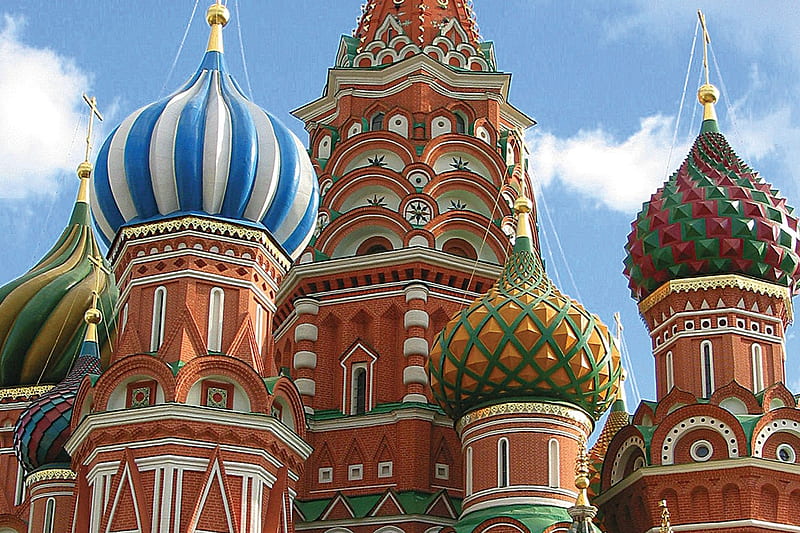
Onion Dome View
Gorgeous onion dome photo that makes a perfect wallpaper.

Onion Dome Scenery
Amazing onion dome background image for your devices.
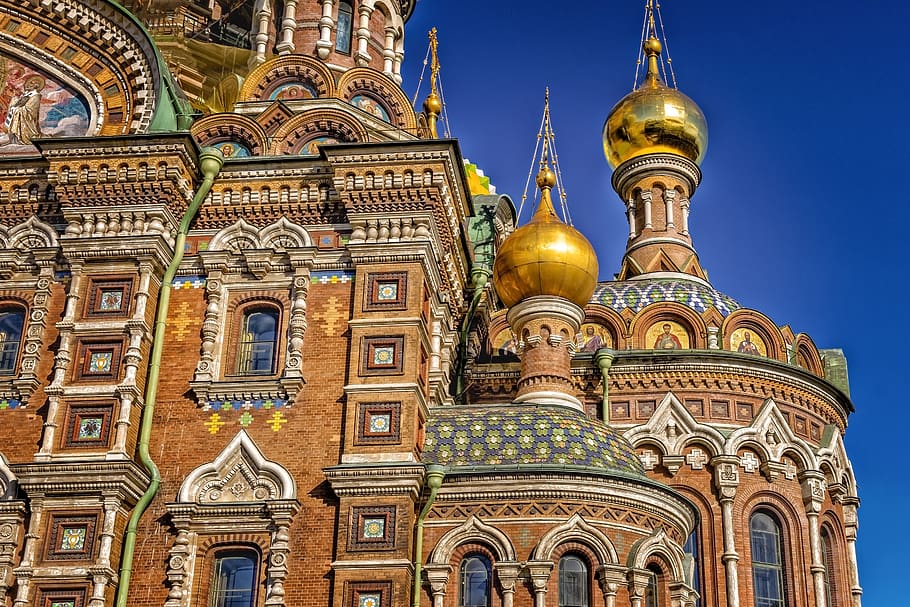
Onion Dome View
High quality onion dome image perfect for desktop or mobile wallpaper.

Onion Dome Backdrop
Amazing onion dome background image for your devices.

Onion Dome Scenery
Gorgeous onion dome photo that makes a perfect wallpaper.
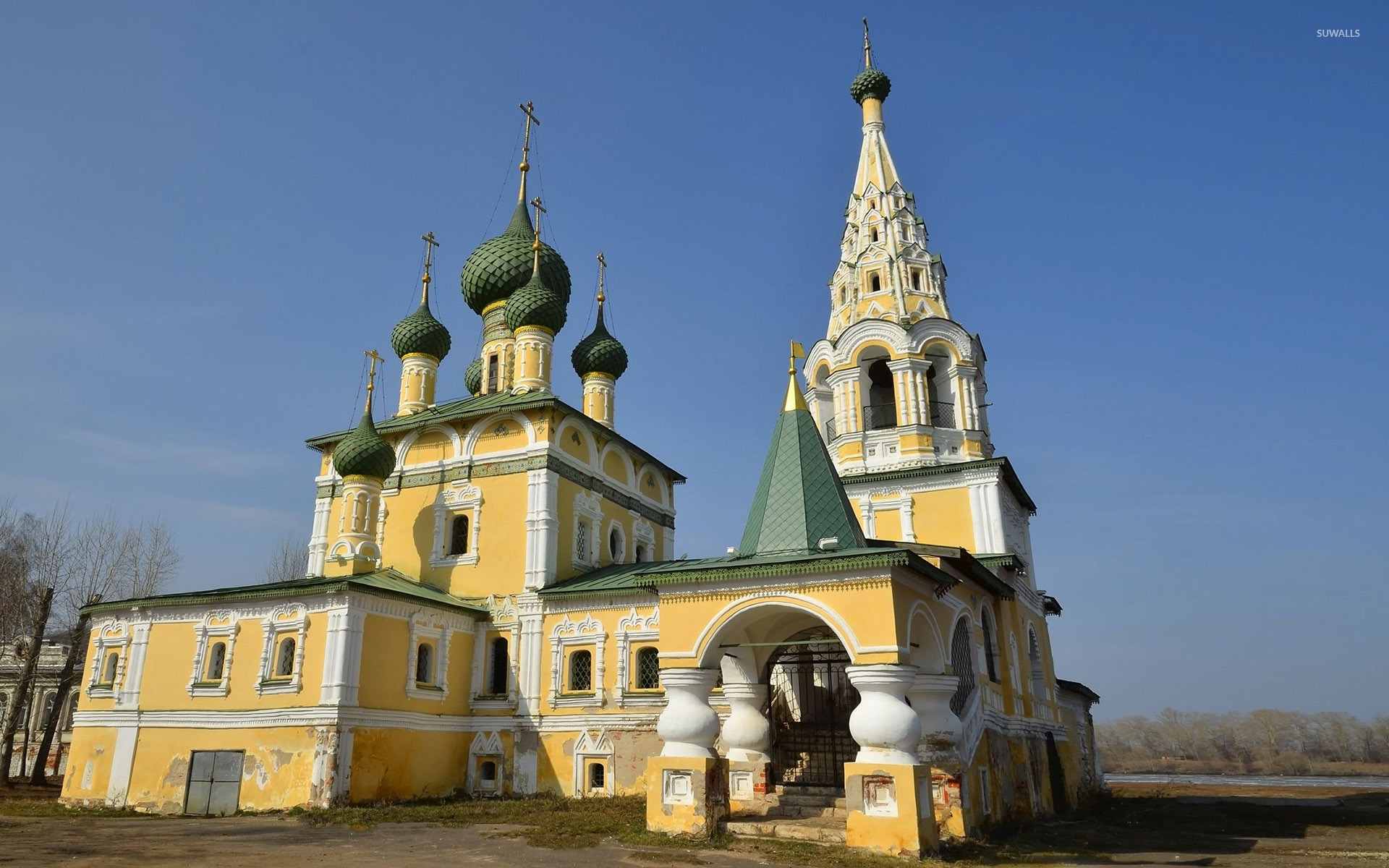
Onion Dome Shot
Gorgeous onion dome photo that makes a perfect wallpaper.
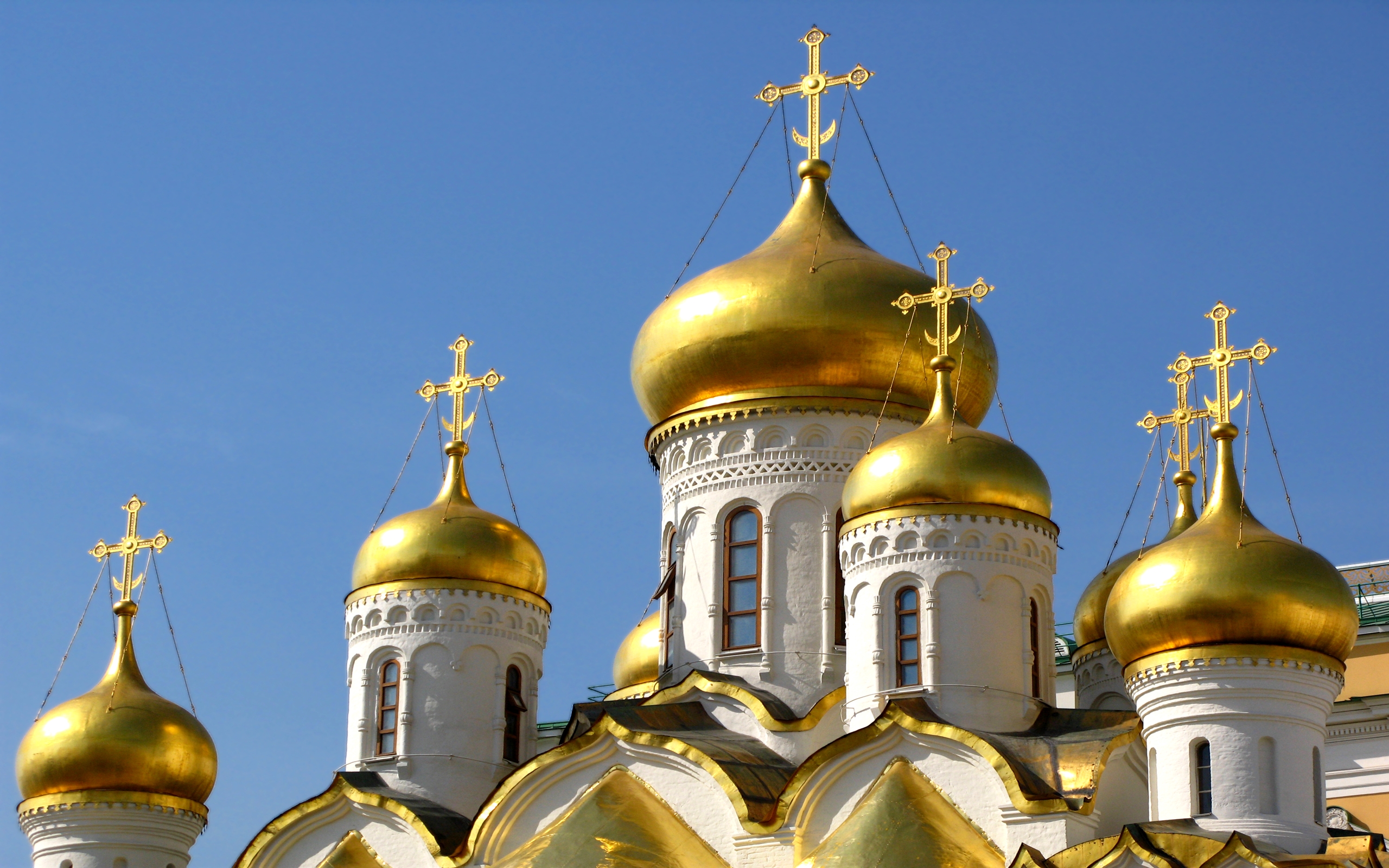
Onion Dome Picture
Gorgeous onion dome photo that makes a perfect wallpaper.

Onion Dome Scenery
Amazing onion dome background image for your devices.

Onion Dome Background
Gorgeous onion dome photo that makes a perfect wallpaper.

Onion Dome Image
High quality onion dome image perfect for desktop or mobile wallpaper.

Onion Dome Photograph
Beautiful onion dome wallpaper with stunning details and colors.

Onion Dome Shot
Beautiful onion dome wallpaper with stunning details and colors.
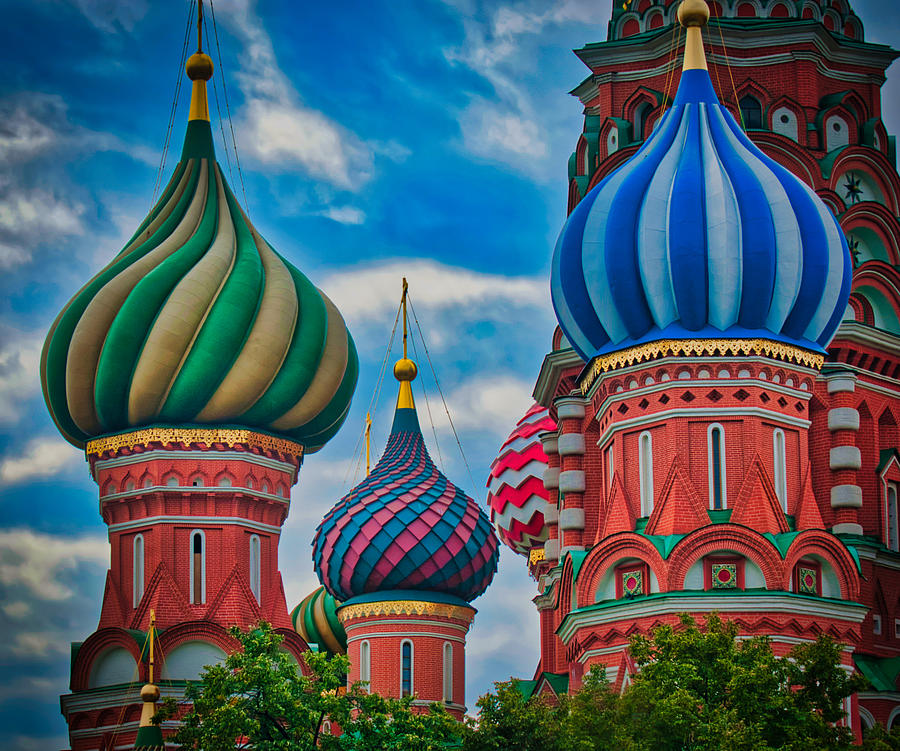
Onion Dome Backdrop
High quality onion dome image perfect for desktop or mobile wallpaper.

Onion Dome Image
Stunning onion dome image with high resolution quality.
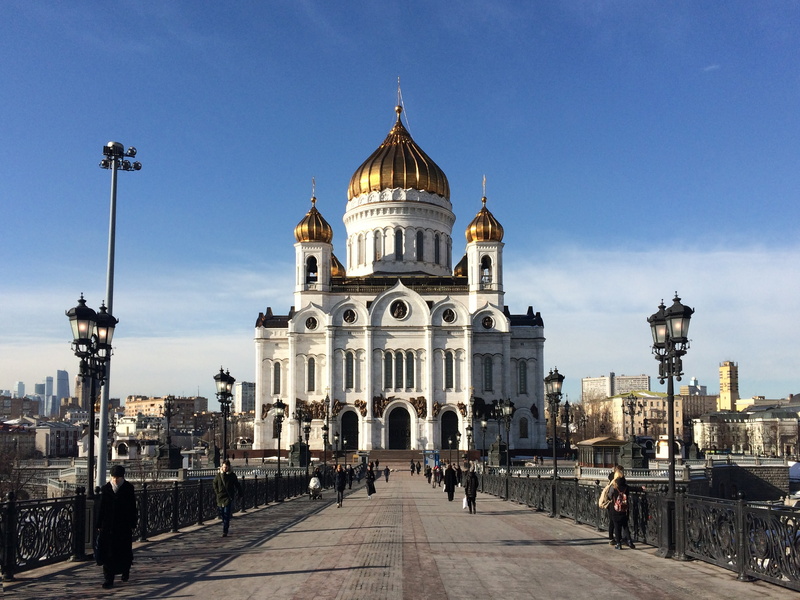
Onion Dome Backdrop
Beautiful onion dome wallpaper with stunning details and colors.

Onion Dome Scenery
High quality onion dome image perfect for desktop or mobile wallpaper.

Onion Dome Photo
High quality onion dome image perfect for desktop or mobile wallpaper.

Onion Dome Shot
High quality onion dome image perfect for desktop or mobile wallpaper.

Onion Dome View
Amazing onion dome background image for your devices.

Onion Dome Shot
Amazing onion dome background image for your devices.

Onion Dome Photo
Gorgeous onion dome photo that makes a perfect wallpaper.

Onion Dome Shot
High quality onion dome image perfect for desktop or mobile wallpaper.

Onion Dome Picture
Beautiful onion dome wallpaper with stunning details and colors.
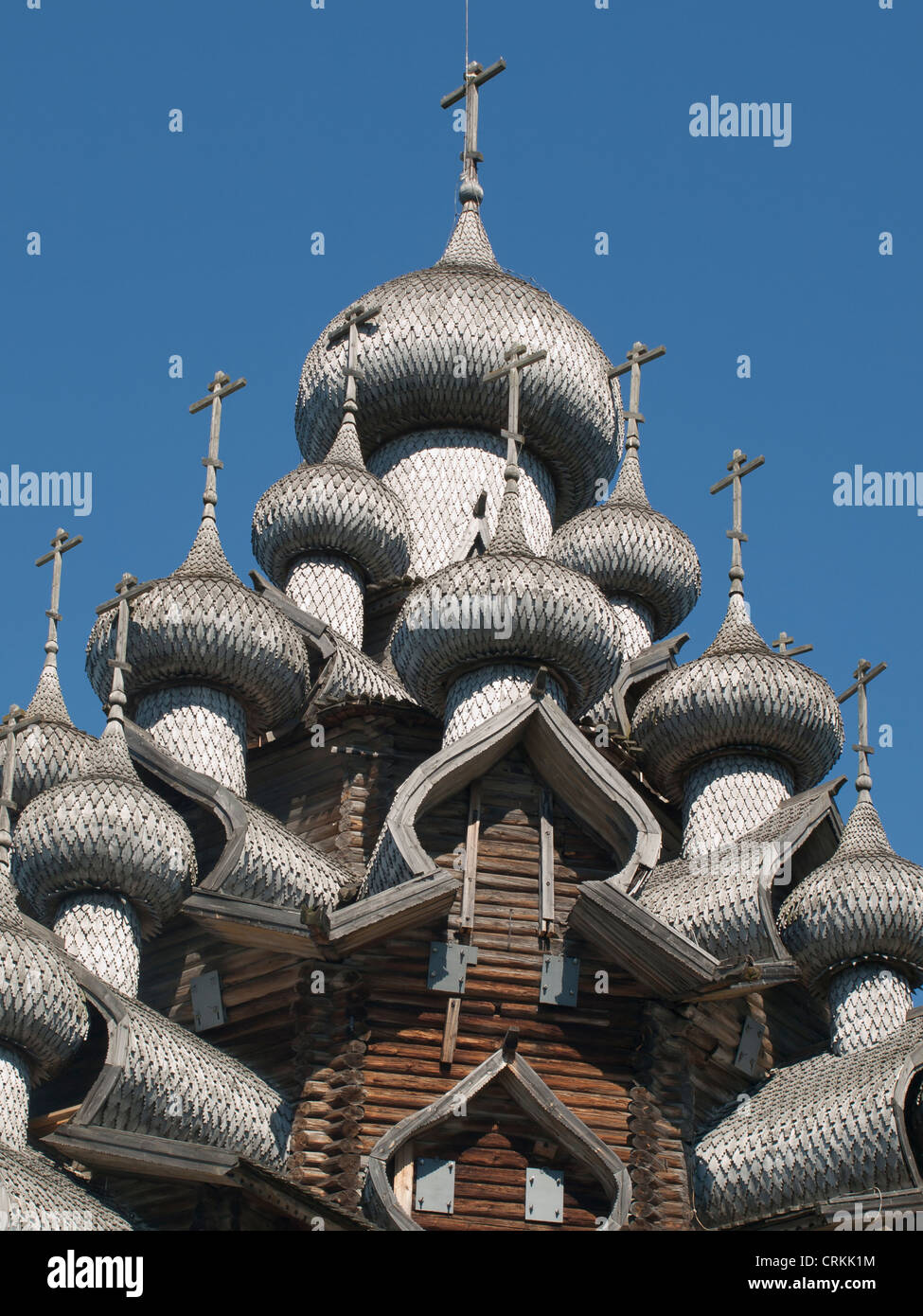
Onion Dome Photograph
High quality onion dome image perfect for desktop or mobile wallpaper.

Onion Dome Picture
Gorgeous onion dome photo that makes a perfect wallpaper.

Onion Dome Image
Amazing onion dome background image for your devices.
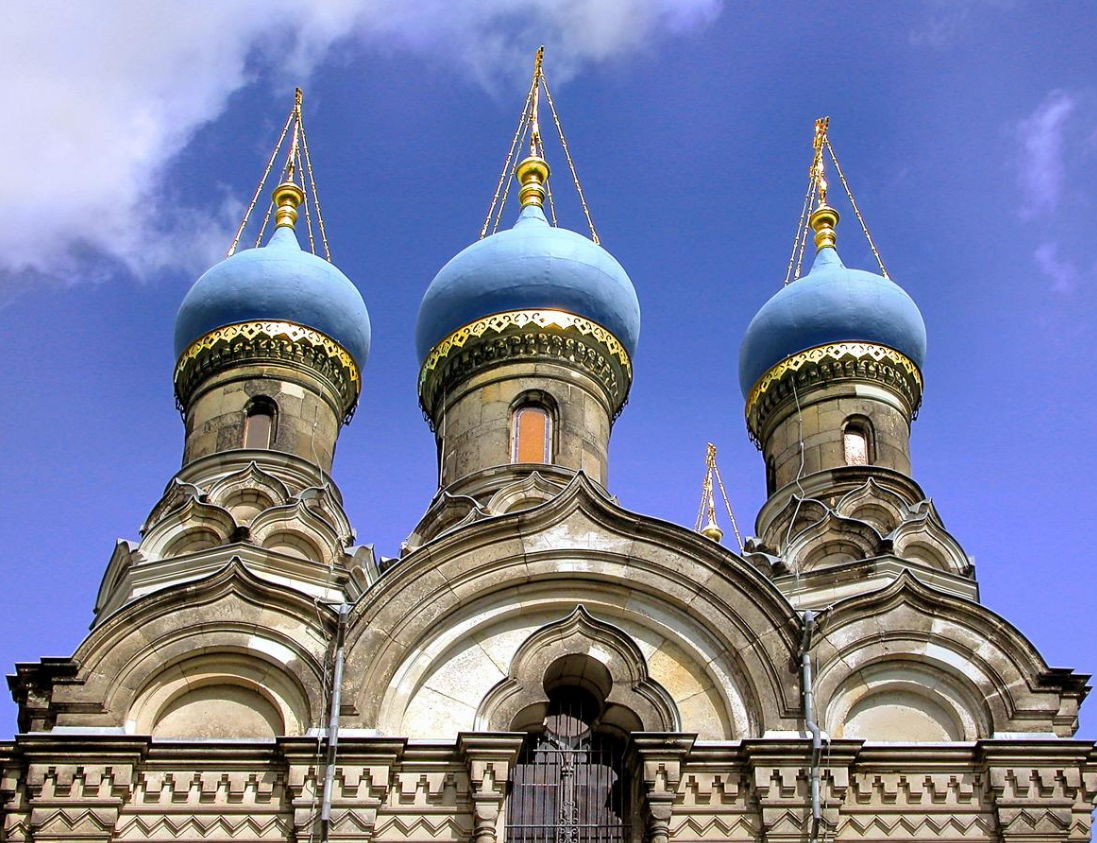
Onion Dome Background
Amazing onion dome background image for your devices.

Onion Dome Backdrop
Stunning onion dome image with high resolution quality.

Onion Dome Shot
Amazing onion dome background image for your devices.

Onion Dome Wallpaper
Amazing onion dome background image for your devices.
Download these onion dome wallpapers for free and use them on your desktop or mobile devices.