Tsunami alert issued for Pacific islands and Japan after magnitude-8 earthquake off Russia – follow live
Tsunami alert issued for Pacific islands and Japan after magnitude-8 earthquake off Russia – follow live
A critical situation is unfolding as a significant **Tsunami alert has been issued for Pacific islands and Japan after a magnitude-8 earthquake off Russia**. This is a live, evolving event, and immediate action and vigilance are paramount for those in the potentially affected regions. We understand you're looking for real-time information and guidance, and we're here to provide clarity on what's happening and what steps you need to take to ensure your safety and that of your loved ones.
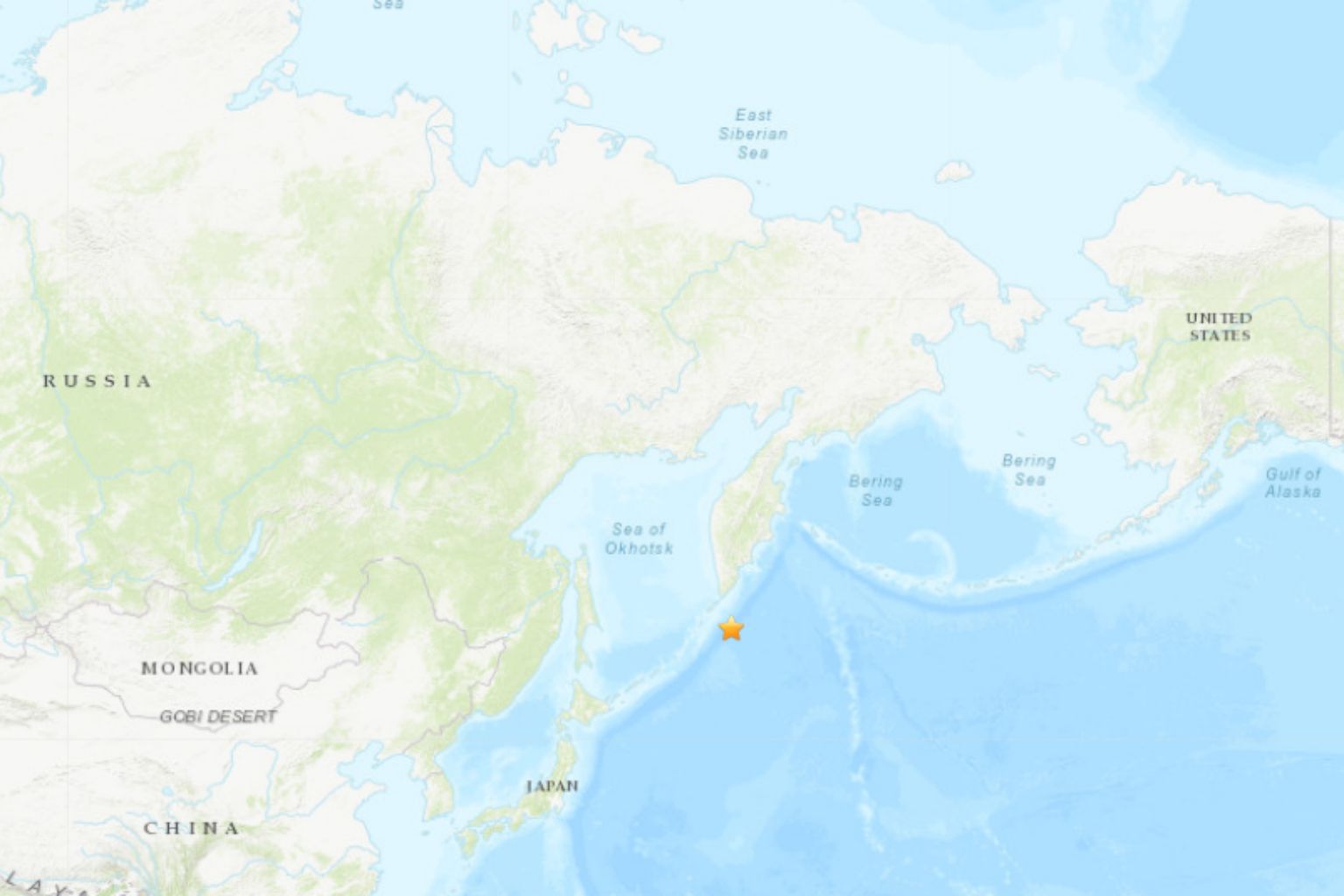
The powerful earthquake, registering an estimated magnitude of 8.0, struck off the coast of Russia, specifically in the Kamchatka Peninsula region. Such a large-scale seismic event beneath the ocean has the potential to displace vast amounts of water, generating destructive tsunami waves that can travel across entire ocean basins. This alert demands the attention of millions across the Pacific, from the far-flung islands to the densely populated coastlines of Japan, where the threat of a tsunami is well-understood.
Understanding the Immediate Threat and How to Respond
When a **tsunami alert is issued**, it means that there is a significant risk of dangerous waves impacting coastal areas. For this magnitude-8 earthquake off Russia, the Pacific Tsunami Warning Center (PTWC) and other regional centers have rapidly assessed the situation and disseminated warnings based on seismic data and historical models. The immediate threat lies in the powerful and often unpredictable nature of tsunami waves, which can arrive much higher and with far greater force than regular ocean swells, causing widespread devastation.
Your first response should be to heed all official warnings from local authorities, disaster management agencies, and the PTWC. Do not wait for visual confirmation of a tsunami; by the time you see it, it may be too late. The time between the earthquake and the first wave arrival can vary significantly depending on your location relative to the epicenter, but every minute counts. Evacuation to higher ground is the most critical action for anyone in a coastal area under alert.
Areas Under Tsunami Alert: Pacific Islands and Japan
The scope of this **tsunami alert issued for Pacific islands and Japan** is extensive, covering a vast oceanic region. Japan, with its long history of seismic activity and tsunamis, is always a primary concern in such events. Coastal regions across its many islands are currently on high alert, with residents urged to evacuate immediately from low-lying areas. Similarly, numerous island nations and territories spread across the Pacific Ocean are within the potential impact zone, including but not limited to Hawaii, Guam, the Mariana Islands, the Philippines, Indonesia, and potentially parts of Australia and New Zealand, depending on the precise alert levels issued for each.
Residents in these areas are advised to activate their family emergency plans. If you live in a designated tsunami evacuation zone, or if you are on a beach or near a harbor, move inland to higher ground as quickly and safely as possible. Remember that tsunamis often consist of a series of waves, and the first wave may not be the largest. The danger can persist for many hours after the initial impact.
What to Expect: Tsunami Waves and Arrival Times
Unlike normal ocean waves driven by wind, tsunami waves are generated by large-scale displacement of water, often from underwater earthquakes. They behave very differently: they can travel across entire oceans at jet-plane speeds (up to 800 km/h in deep water) and have extremely long wavelengths. As they approach shallow coastal waters, their speed decreases, but their height increases dramatically. What might be an undetectable ripple in the open ocean can become a towering, destructive wall of water near the shore.
While specific arrival times will be disseminated by official warning centers, coastal communities closest to the epicenter, such as parts of the Russian Far East, will experience the first impacts. Japan and other Western Pacific nations will follow, with central and Eastern Pacific islands receiving waves hours later. It's crucial to understand that even a small initial wave can be followed by much larger and more powerful surges. The withdrawal of water from the shoreline, exposing the seabed, is another critical warning sign that a large wave is imminent.
Safety Protocols During a Tsunami Alert
Your safety is the top priority during a **tsunami alert issued for Pacific islands and Japan after a magnitude-8 earthquake off Russia**. Adhering to established safety protocols can save lives. Here are key actions to take:
- **Evacuate Immediately:** If you are in a coastal area under a tsunami warning, move to higher ground as fast as possible. Follow designated evacuation routes. Do not wait for an evacuation order if you feel a strong earthquake and are near the coast.
- **Stay on High Ground:** Once you reach a safe, elevated location, remain there. Do not return to coastal areas until official authorities declare the area safe. Tsunamis can consist of multiple waves over several hours.
- **Grab Your Emergency Kit:** If time permits, take your pre-packed emergency kit, which should include water, non-perishable food, first aid supplies, important documents, and a battery-powered radio.
- **Inform Others:** If safe to do so, alert family, friends, and neighbors to the danger.
- **Avoid Beaches and Harbors:** Even if you are not in an official evacuation zone, stay away from the coastline. Strong currents and dangerous surges can occur far from the main impact zone.
- **Do Not Go to the Shore to Watch:** Never approach the coast to observe a tsunami. Tsunami waves are incredibly powerful and deadly.
Monitoring Official Updates and Reliable Sources
In a rapidly developing situation like a **tsunami alert after a magnitude-8 earthquake**, accurate information is crucial. Rely only on official sources to avoid misinformation and panic. Here’s how to stay informed:
- **Pacific Tsunami Warning Center (PTWC):** This is the primary authority for tsunami warnings in the Pacific. Their website and advisories are the most accurate source of broad-scale information.
- **Local Emergency Management Agencies:** Follow the specific instructions and updates from your local or national disaster management authorities. They will provide localized information regarding evacuation zones, safe areas, and all-clear messages.
- **National Weather Agencies:** Your national meteorological or weather service often works in conjunction with tsunami warning centers to relay alerts.
- **Broadcast Media:** Tune into local radio or television news channels that are broadcasting emergency alerts. Battery-powered radios are essential if power outages occur.
- **Social Media (Official Accounts Only):** While social media can be fast, only follow verified official accounts of government agencies, emergency services, and reputable news organizations. Be wary of unverified posts.
Do not spread rumors or unconfirmed information. Share only verified updates from trusted sources to help ensure community safety and effective response.
The Science Behind Magnitude-8 Earthquakes and Tsunami Generation
The magnitude-8 earthquake that triggered this **tsunami alert** is a powerful testament to the dynamic forces shaping our planet. Earthquakes of this scale, particularly those occurring beneath the ocean, are typically caused by the movement of tectonic plates. The Pacific "Ring of Fire," where this earthquake originated off Russia's coast, is a prime example of a subduction zone, where one tectonic plate is forced beneath another. This immense geological pressure builds up over time and is released in sudden, violent movements, resulting in earthquakes.
When such a powerful earthquake happens underwater, especially if it causes significant vertical displacement of the seafloor, it acts like a giant paddle pushing up or down a massive column of water. This displacement generates a series of powerful waves that ripple outwards in all directions. Unlike surface waves, which only affect the top layer of the ocean, a tsunami involves the entire water column from the seabed to the surface. This is why tsunamis carry such immense energy and destructive potential, even after traveling thousands of kilometers across an ocean basin.
Global Tsunami Warning Systems in Action
The rapid issuance of the **tsunami alert for Pacific islands and Japan after the magnitude-8 earthquake off Russia** highlights the effectiveness of global tsunami warning systems. These sophisticated networks, coordinated by international bodies like UNESCO's Intergovernmental Oceanographic Commission (IOC), rely on a combination of technologies to detect, monitor, and predict tsunamis.
Key components include seismic sensors, which instantly detect earthquakes and determine their magnitude and location. This information is then fed into warning centers like the PTWC. Crucially, Deep-ocean Assessment and Reporting of Tsunamis (DART) buoys, strategically placed across ocean basins, provide real-time data on pressure changes that indicate the passage of a tsunami wave. This data, combined with advanced computer models, allows scientists to estimate wave heights and arrival times for various coastal regions, enabling timely alerts that can save countless lives. The speed and accuracy of these systems are vital in providing communities with enough time to evacuate.
Conclusion
The **tsunami alert issued for Pacific islands and Japan after the magnitude-8 earthquake off Russia** is a serious and ongoing event demanding immediate attention. For everyone in the affected coastal regions, the message is clear: prioritize safety by moving to higher ground, staying informed through official channels, and adhering to all guidance from local authorities. Tsunami waves are a formidable natural force, but with timely warnings and swift, decisive action, the risk to human life can be significantly mitigated.
As the situation continues to evolve, remaining calm, prepared, and informed are your best defenses. Continue to follow live updates from verified sources and remember that multiple waves can occur over several hours. Your proactive response during this critical period is paramount for your safety and the safety of your community. Stay safe, stay vigilant.
Frequently Asked Questions (FAQ)
- What does a "tsunami alert" mean?
- A tsunami alert, or warning, means that a dangerous tsunami is imminent or expected, and immediate action, such as evacuation to higher ground, is required. It's the highest level of alert.
- How far inland do I need to evacuate?
- The required evacuation distance inland varies depending on the local topography and the predicted tsunami height. Always follow local authority instructions. Generally, seek ground at least 30 meters (100 feet) above sea level or move at least 2 kilometers (1.2 miles) inland, or as directed by local officials.
- Is one wave all I need to worry about?
- No. Tsunamis typically consist of a series of waves, and the first wave may not be the largest. Subsequent waves can arrive minutes or even hours apart. It is crucial to stay on high ground until official "all clear" messages are issued.
- What should I do if I feel a strong earthquake and am near the coast?
- If you are in a coastal area and feel an earthquake strong enough that it's difficult to stand, or if it lasts for more than 20 seconds, evacuate immediately to higher ground, even if no official tsunami warning has been issued yet. A natural warning may precede official alerts.
- How long will the tsunami alert last?
- The duration of a tsunami alert depends on the ongoing assessment of the threat. Warnings may be downgraded to advisories or cancelled entirely as the situation becomes clearer and the danger passes. Always wait for an official "all clear" from your local emergency management agency.
Tsunami alert issued for Pacific islands and Japan after magnitude-8 earthquake off Russia – follow live Wallpapers
Collection of tsunami alert issued for pacific islands and japan after magnitude-8 earthquake off russia – follow live wallpapers for your desktop and mobile devices.
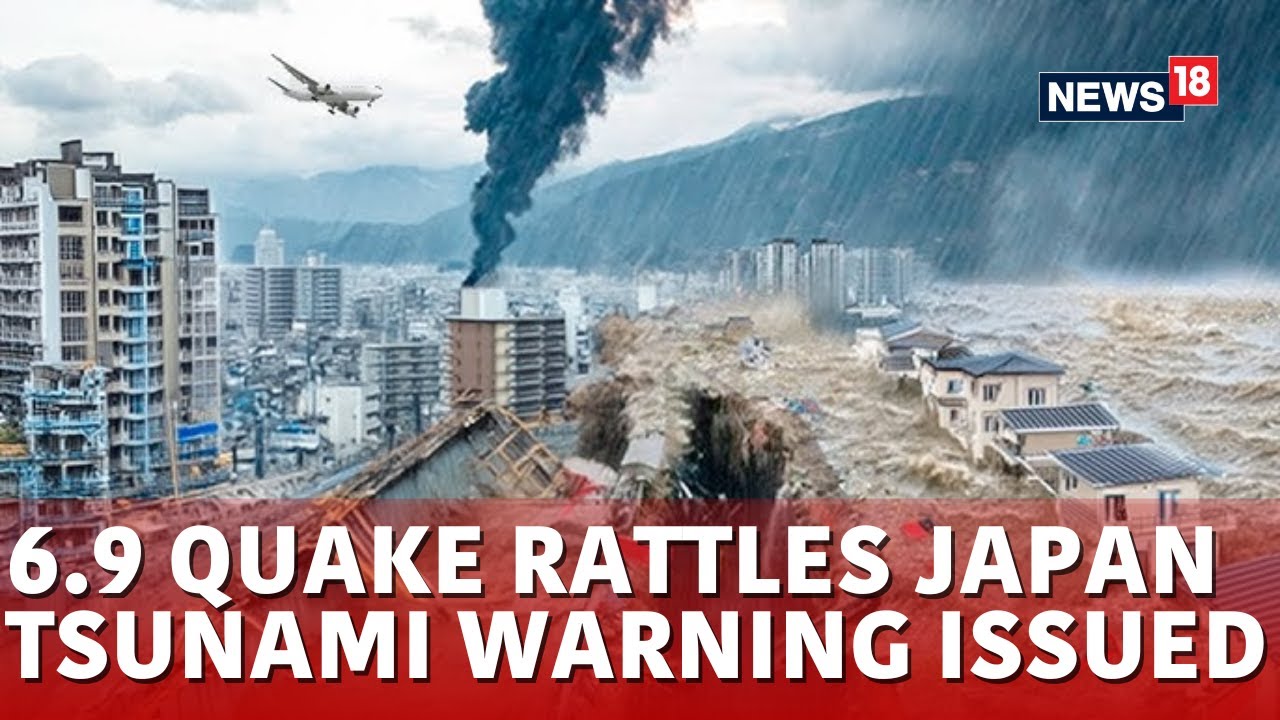
Lovely Tsunami Alert Issued For Pacific Islands And Japan After Magnitude-8 Earthquake Off Russia – Follow Live Backdrop
Stunning tsunami alert issued for pacific islands and japan after magnitude-8 earthquake off russia – follow live image with high resolution quality.

Lovely Tsunami Alert Issued For Pacific Islands And Japan After Magnitude-8 Earthquake Off Russia – Follow Live Photo
Stunning tsunami alert issued for pacific islands and japan after magnitude-8 earthquake off russia – follow live image with high resolution quality.

Breathtaking Tsunami Alert Issued For Pacific Islands And Japan After Magnitude-8 Earthquake Off Russia – Follow Live Photo
Stunning tsunami alert issued for pacific islands and japan after magnitude-8 earthquake off russia – follow live image with high resolution quality.

Wonderful Tsunami Alert Issued For Pacific Islands And Japan After Magnitude-8 Earthquake Off Russia – Follow Live Backdrop
Beautiful tsunami alert issued for pacific islands and japan after magnitude-8 earthquake off russia – follow live wallpaper with stunning details and colors.

Fantastic Tsunami Alert Issued For Pacific Islands And Japan After Magnitude-8 Earthquake Off Russia – Follow Live Shot
Amazing tsunami alert issued for pacific islands and japan after magnitude-8 earthquake off russia – follow live background image for your devices.
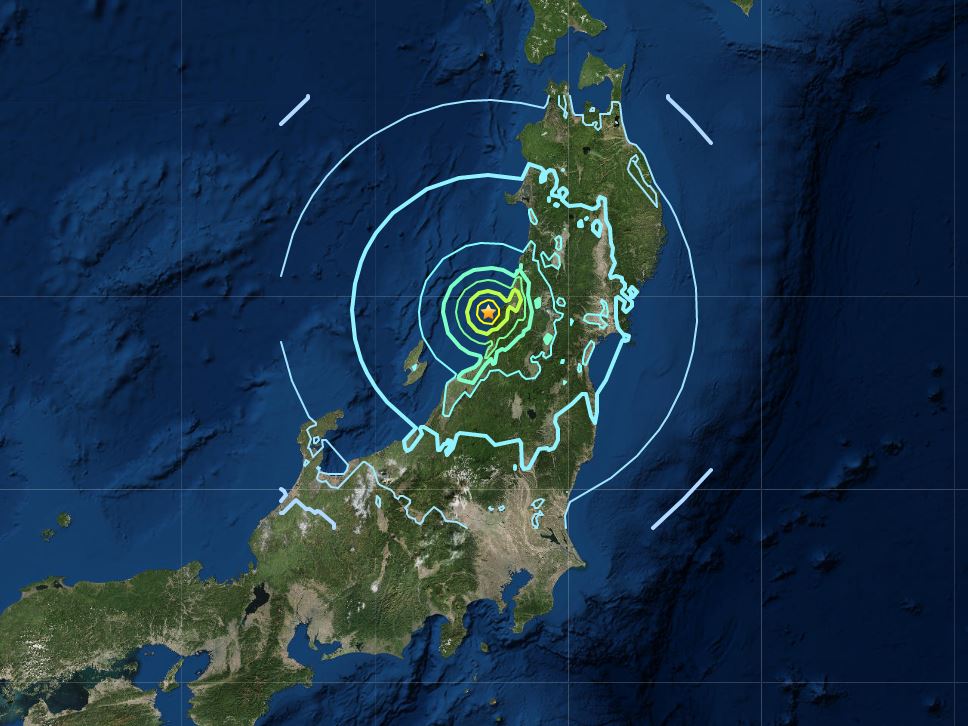
Gorgeous Tsunami Alert Issued For Pacific Islands And Japan After Magnitude-8 Earthquake Off Russia – Follow Live Image
Gorgeous tsunami alert issued for pacific islands and japan after magnitude-8 earthquake off russia – follow live photo that makes a perfect wallpaper.
.webp "Stunning Tsunami Alert Issued For Pacific Islands And Japan After Magnitude-8 Earthquake Off Russia – Follow Live Photo")
Stunning Tsunami Alert Issued For Pacific Islands And Japan After Magnitude-8 Earthquake Off Russia – Follow Live Photo
Beautiful tsunami alert issued for pacific islands and japan after magnitude-8 earthquake off russia – follow live wallpaper with stunning details and colors.
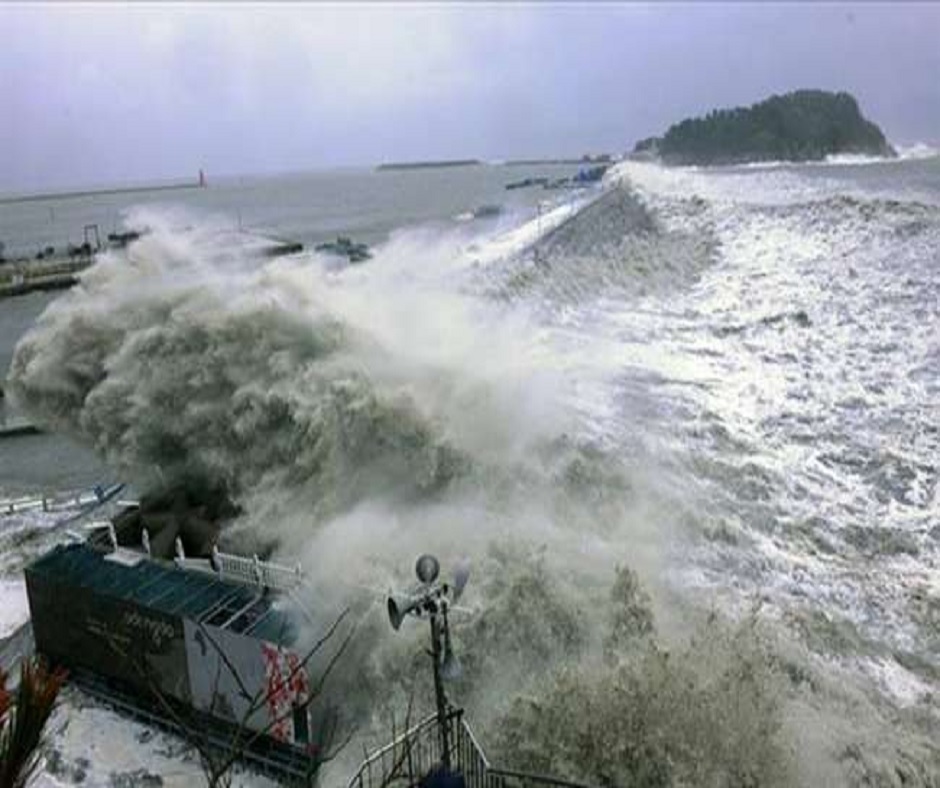
Beautiful Tsunami Alert Issued For Pacific Islands And Japan After Magnitude-8 Earthquake Off Russia – Follow Live View
High quality tsunami alert issued for pacific islands and japan after magnitude-8 earthquake off russia – follow live image perfect for desktop or mobile wallpaper.
Lovely Tsunami Alert Issued For Pacific Islands And Japan After Magnitude-8 Earthquake Off Russia – Follow Live Background
Stunning tsunami alert issued for pacific islands and japan after magnitude-8 earthquake off russia – follow live image with high resolution quality.

Beautiful Tsunami Alert Issued For Pacific Islands And Japan After Magnitude-8 Earthquake Off Russia – Follow Live View
High quality tsunami alert issued for pacific islands and japan after magnitude-8 earthquake off russia – follow live image perfect for desktop or mobile wallpaper.

Wonderful Tsunami Alert Issued For Pacific Islands And Japan After Magnitude-8 Earthquake Off Russia – Follow Live Background
Beautiful tsunami alert issued for pacific islands and japan after magnitude-8 earthquake off russia – follow live wallpaper with stunning details and colors.
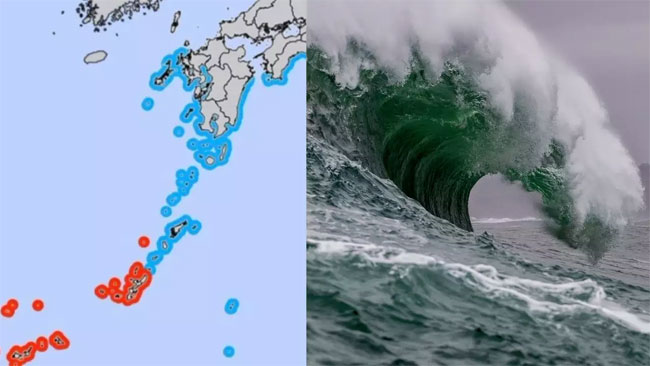
Gorgeous Tsunami Alert Issued For Pacific Islands And Japan After Magnitude-8 Earthquake Off Russia – Follow Live View
Gorgeous tsunami alert issued for pacific islands and japan after magnitude-8 earthquake off russia – follow live photo that makes a perfect wallpaper.

Gorgeous Tsunami Alert Issued For Pacific Islands And Japan After Magnitude-8 Earthquake Off Russia – Follow Live Background
Gorgeous tsunami alert issued for pacific islands and japan after magnitude-8 earthquake off russia – follow live photo that makes a perfect wallpaper.
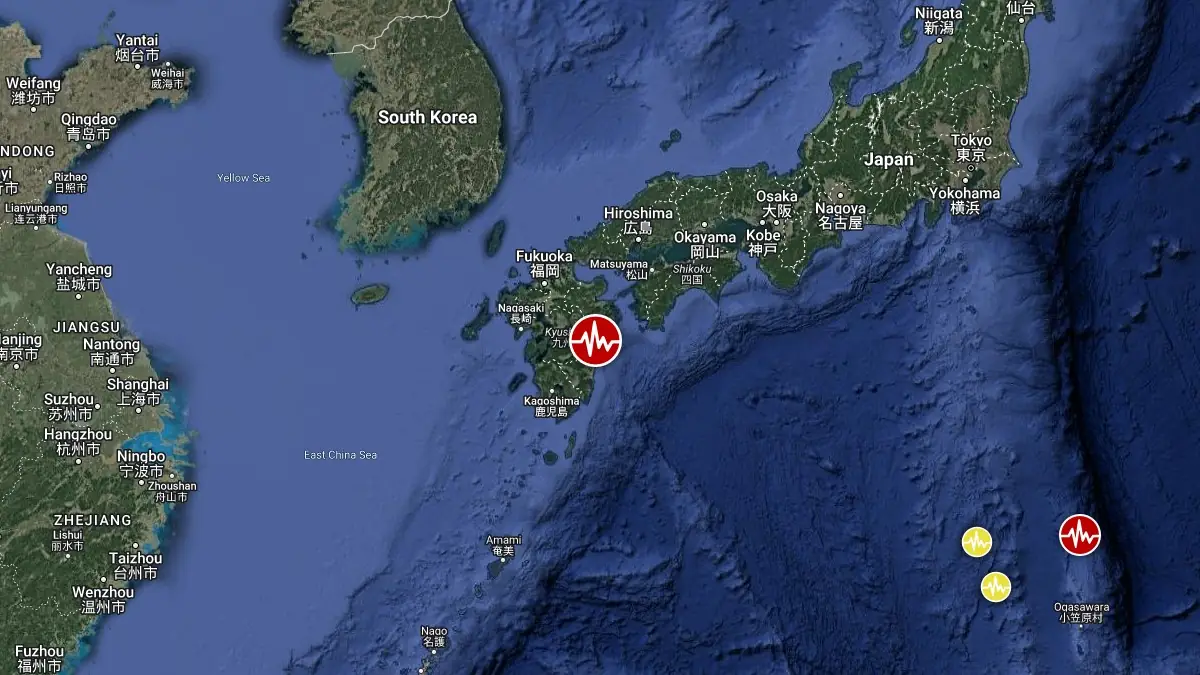
Breathtaking Tsunami Alert Issued For Pacific Islands And Japan After Magnitude-8 Earthquake Off Russia – Follow Live Image
Stunning tsunami alert issued for pacific islands and japan after magnitude-8 earthquake off russia – follow live image with high resolution quality.

Stunning Tsunami Alert Issued For Pacific Islands And Japan After Magnitude-8 Earthquake Off Russia – Follow Live Photo
Beautiful tsunami alert issued for pacific islands and japan after magnitude-8 earthquak