Can I Use Retinol With Salicylic Acid
Can I Use Retinol with Salicylic Acid?
Ever wondered, "can I use retinol with salicylic acid" in my skincare routine? It's a fantastic question that many skincare enthusiasts ponder. Both retinol and salicylic acid are powerhouse ingredients, celebrated for their unique benefits in treating various skin concerns, from acne to anti-aging.
However, combining potent active ingredients can sometimes lead to more harm than good if not done correctly. This article will break down what each ingredient does, why combining them can be tricky, and most importantly, how to safely navigate their use if you choose to.
Understanding Retinol and Salicylic Acid Separately
Before we dive into combining them, let's quickly review what makes each of these ingredients so special on its own.
What is Retinol?
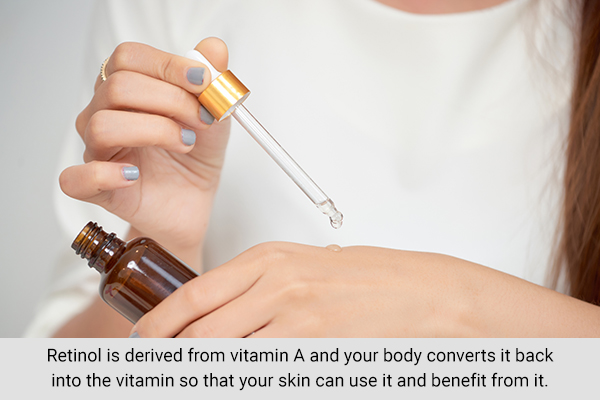
Retinol, a derivative of Vitamin A, is renowned for its anti-aging properties. It works by accelerating cell turnover, which helps reduce the appearance of fine lines and wrinkles, improves skin texture, and can even help with hyperpigmentation.
It also stimulates collagen production, making your skin look firmer and more youthful over time. Retinol is a long-game player, requiring consistent use for visible results.
What is Salicylic Acid?
Salicylic acid is a beta-hydroxy acid (BHA) famous for its ability to penetrate oil and exfoliate inside the pores. This makes it incredibly effective for treating acne, blackheads, and whiteheads.
It helps to dissolve dead skin cells and excess oil that clog pores, leading to clearer skin. Salicylic acid also has anti-inflammatory properties, which can calm irritated skin.
The Challenge: Why Combining Them Can Be Tricky
Both retinol and salicylic acid are powerful exfoliants and active ingredients. When used together, their combined strength can sometimes overwhelm your skin.
This increased potency can lead to an array of undesirable side effects. It's like trying to run two different high-speed programs on your computer at the same time; it might slow down or even crash if not managed well.
Potential Side Effects of Combining Retinol and Salicylic Acid
Using both ingredients simultaneously without proper care can result in several skin issues. Your skin might protest quite loudly!
- Increased Dryness: Both ingredients can be drying on their own. Together, they can strip your skin of its natural moisture.
- Excessive Peeling/Flaking: Over-exfoliation can cause noticeable peeling and flaking, making your skin look uneven and irritated.
- Redness and Irritation: Your skin may become red, itchy, and highly sensitive. This is a clear sign your skin barrier is compromised.
- Breakouts: Paradoxically, highly irritated skin can sometimes lead to more breakouts as its protective barrier is weakened.
- Sensitivity to Sun: Both ingredients increase your skin's sensitivity to UV rays, making proper sun protection even more crucial.
So, Can I Use Retinol with Salicylic Acid? The Short Answer & The Nuance
Generally, dermatologists advise against using retinol and salicylic acid at the exact same time, especially if you have sensitive skin or are new to either ingredient. However, the good news is you can often incorporate both into your routine if you do it strategically and cautiously.
It's all about staggering their use and listening intently to what your skin tells you. Think of it as a delicate dance rather than a head-on collision.
How to Safely Incorporate Both (If You Must!)
If you're determined to harness the benefits of both, here are a few expert-approved strategies to safely use retinol with salicylic acid:
Option 1: Alternate Days
This is arguably the safest and most recommended method. Use your salicylic acid product on one night and your retinol product on the next night. For example, Monday: Salicylic Acid, Tuesday: Retinol, Wednesday: Hydrating Moisturizer Only, Thursday: Salicylic Acid, and so on.
This gives your skin a break and allows each ingredient to work without direct interference or increased irritation.
Option 2: Different Times of Day
You can use salicylic acid in the morning and retinol at night. Salicylic acid generally works well as a morning cleanser or toner because it helps clear pores and reduce oiliness throughout the day. Retinol is best applied at night as it can cause sun sensitivity and is less stable in light.
Always follow up with a broad-spectrum SPF in the morning, regardless of your skincare routine.
Option 3: Spot Treatment (SA) with Retinol (All over)
If you primarily use salicylic acid for occasional breakouts, apply it only as a spot treatment on blemishes. You can then use your retinol all over the rest of your face at night.
This minimizes the overall skin contact with both actives simultaneously, reducing the risk of irritation.
Important Tips for Your Skincare Routine
Regardless of how you combine these powerful ingredients, certain rules apply to protect your skin:
- Start Slow and Low: Begin with lower concentrations of both products and use them infrequently (e.g., 2-3 times a week). Gradually increase usage as your skin builds tolerance.
- Patch Test: Before applying to your entire face, always test new product combinations on a small, inconspicuous area of your skin (like behind your ear or on your inner arm) for a few days to check for adverse reactions.
- Hydrate and Moisturize Religiously: Use a rich, barrier-supporting moisturizer to counteract potential dryness and support your skin's protective barrier.
- NEVER Skip Sunscreen: Both ingredients increase photosensitivity. Apply a broad-spectrum SPF 30+ every morning, rain or shine.
- Listen to Your Skin: Your skin will tell you if it's too much. If you experience excessive redness, peeling, burning, or discomfort, scale back immediately.
- Consult a Dermatologist: When in doubt, or if you have sensitive skin or specific skin conditions, always consult with a board-certified dermatologist. They can provide personalized advice.
Conclusion
So, can I use retinol with salicylic acid? While direct concurrent application is generally not recommended due to the risk of irritation, it is possible to incorporate both into your routine safely. The key lies in strategic timing, patience, and a deep understanding of your own skin's tolerance.
By staggering their use, listening to your skin's signals, and prioritizing hydration and sun protection, you can often enjoy the benefits of these potent ingredients without adverse effects. Always err on the side of caution and remember that consistency and patience are vital for achieving healthy, radiant skin.
FAQ: Can I Use Retinol with Salicylic Acid?
- Can I use retinol and salicylic acid on the same night?
- It is generally not recommended to use retinol and salicylic acid on the same night, especially if you have sensitive skin or are new to these ingredients. Combining them can lead to increased irritation, dryness, and redness due to their exfoliating properties. It's safer to alternate them on different nights.
- What happens if I mix retinol and salicylic acid?
- Mixing retinol and salicylic acid can lead to over-exfoliation, resulting in side effects like excessive dryness, peeling, redness, increased sensitivity, and a compromised skin barrier. In some cases, it can even trigger breakouts due to irritation.
- Who should avoid using both retinol and salicylic acid?
- Individuals with very sensitive skin, rosacea, eczema, or compromised skin barriers should generally avoid using both ingredients. Pregnant or breastfeeding women should also consult their doctor before using retinol and certain concentrations of salicylic acid.
- How long should I wait between applying them?
- If you're determined to use both on the same day (e.g., salicylic acid in the morning and retinol at night), ensure a significant time gap (at least 8-12 hours) between applications. If alternating nights, no waiting period is necessary between the two distinct products, as your skin gets a full day to recover.
can i use retinol with salicylic acid
can i use retinol with salicylic acid Wallpapers
Collection of can i use retinol with salicylic acid wallpapers for your desktop and mobile devices.

Captivating Can I Use Retinol With Salicylic Acid Artwork Art
Immerse yourself in the stunning details of this beautiful can i use retinol with salicylic acid wallpaper, designed for a captivating visual experience.

Breathtaking Can I Use Retinol With Salicylic Acid Background Illustration
Explore this high-quality can i use retinol with salicylic acid image, perfect for enhancing your desktop or mobile wallpaper.

Stunning Can I Use Retinol With Salicylic Acid Picture for Your Screen
Find inspiration with this unique can i use retinol with salicylic acid illustration, crafted to provide a fresh look for your background.

Captivating Can I Use Retinol With Salicylic Acid Picture for Mobile
This gorgeous can i use retinol with salicylic acid photo offers a breathtaking view, making it a perfect choice for your next wallpaper.

Vibrant Can I Use Retinol With Salicylic Acid Landscape in HD
Explore this high-quality can i use retinol with salicylic acid image, perfect for enhancing your desktop or mobile wallpaper.

Exquisite Can I Use Retinol With Salicylic Acid Scene for Mobile
Find inspiration with this unique can i use retinol with salicylic acid illustration, crafted to provide a fresh look for your background.
Breathtaking Can I Use Retinol With Salicylic Acid Scene for Your Screen
Transform your screen with this vivid can i use retinol with salicylic acid artwork, a true masterpiece of digital design.

Exquisite Can I Use Retinol With Salicylic Acid Picture Photography
A captivating can i use retinol with salicylic acid scene that brings tranquility and beauty to any device.

Exquisite Can I Use Retinol With Salicylic Acid Capture Nature
Immerse yourself in the stunning details of this beautiful can i use retinol with salicylic acid wallpaper, designed for a captivating visual experience.

Gorgeous Can I Use Retinol With Salicylic Acid Abstract Photography
A captivating can i use retinol with salicylic acid scene that brings tranquility and beauty to any device.
Detailed Can I Use Retinol With Salicylic Acid Moment Nature
Transform your screen with this vivid can i use retinol with salicylic acid artwork, a true masterpiece of digital design.
Gorgeous Can I Use Retinol With Salicylic Acid Photo Nature
Immerse yourself in the stunning details of this beautiful can i use retinol with salicylic acid wallpaper, designed for a captivating visual experience.

Beautiful Can I Use Retinol With Salicylic Acid Photo Art
Experience the crisp clarity of this stunning can i use retinol with salicylic acid image, available in high resolution for all your screens.
Crisp Can I Use Retinol With Salicylic Acid Photo Digital Art
A captivating can i use retinol with salicylic acid scene that brings tranquility and beauty to any device.

Amazing Can I Use Retinol With Salicylic Acid Picture in HD
Explore this high-quality can i use retinol with salicylic acid image, perfect for enhancing your desktop or mobile wallpaper.

High-Quality Can I Use Retinol With Salicylic Acid Capture for Desktop
Transform your screen with this vivid can i use retinol with salicylic acid artwork, a true masterpiece of digital design.
High-Quality Can I Use Retinol With Salicylic Acid Image in HD
Transform your screen with this vivid can i use retinol with salicylic acid artwork, a true masterpiece of digital design.

High-Quality Can I Use Retinol With Salicylic Acid Scene Illustration
Discover an amazing can i use retinol with salicylic acid background image, ideal for personalizing your devices with vibrant colors and intricate designs.

Serene Can I Use Retinol With Salicylic Acid Image Art
Transform your screen with this vivid can i use retinol with salicylic acid artwork, a true masterpiece of digital design.

Amazing Can I Use Retinol With Salicylic Acid Background Collection
Experience the crisp clarity of this stunning can i use retinol with salicylic acid image, available in high resolution for all your screens.
Download these can i use retinol with salicylic acid wallpapers for free and use them on your desktop or mobile devices.