How To Paint A Car Professionally
The Ultimate DIY Guide on How To Paint A Car Professionally
Are you dreaming of giving your ride a flawless, showroom-quality finish without the astronomical price tag of a professional body shop? Painting a car can seem daunting, but with the right preparation, tools, and technique, achieving a stunning result at home is entirely possible. If you want to know How To Paint A Car Professionally, you've come to the right place. We're breaking down the complex process into simple, manageable steps, ensuring your DIY job looks anything but amateur.
This comprehensive guide will walk you through everything, from setting up your workspace to applying that final, glossy clear coat. Remember, success in automotive refinishing is 80% preparation and 20% application. Ready to transform your vehicle?
Establishing Your Professional Workspace
The first step in learning how to paint a car professionally is creating an environment that minimizes dust and ensures safety. You need a dedicated space, preferably a garage or makeshift paint booth, that is clean, well-ventilated, and temperature-controlled. Dust is the enemy of a perfect paint job, so clean the floors and walls thoroughly before you start.
Temperature and humidity are critical factors. Most modern automotive paints require temperatures between 65°F and 80°F (18°C and 27°C) to cure correctly, and low humidity prevents issues like hazing or blushing.
Essential Safety Gear
Automotive paint fumes are highly toxic and flammable, making safety paramount. Never skip the necessary personal protective equipment (PPE). These items aren't optional—they are absolutely vital for your health during the entire process.
- A quality respirator with organic vapor cartridges (rated for paint).
- Disposable coveralls to protect your skin and prevent lint and hair from contaminating the paint.
- Nitrile gloves to keep paint and solvents off your hands.
- Eye protection (safety glasses or goggles).
Required Tools of the Trade
To get that smooth finish, you need the right application equipment. A professional job relies heavily on consistent air pressure and high-quality spray guns rather than cheap starter kits.
- HVLP (High Volume Low Pressure) Spray Gun: Essential for minimizing overspray, increasing paint transfer efficiency, and conserving expensive materials.
- Air Compressor: Must be capable of maintaining adequate CFM (Cubic Feet per Minute) and PSI (Pounds per Square Inch) for your chosen gun without constantly cycling.
- Air Filtration System: Crucial for removing moisture and oil from the air line. Moisture and oil cause contamination, leading to dreaded fish eyes and loss of adhesion in the paint.
- Various Sanding Tools: Including orbital sanders, long board sanders, and foam blocks.
Achieving Flawless Surface Preparation
Ask any expert how to paint a car professionally, and they will tell you that 80% of the work is preparation. If the surface isn't perfect, the finished paint will only amplify the imperfections underneath. This stage determines the quality and longevity of your final result.
Start by removing all necessary parts: handles, emblems, trim pieces, and light assemblies. Disassembly, though tedious, is essential to ensure you don't have ugly paint lines where components meet.
Stripping and Bodywork Basics
If the existing paint is cracked, peeling, or has deep rust, you must strip it down to the bare metal or a sound existing primer layer. Use sandpaper ranging from coarse (80-grit) for removing old paint, gradually moving to finer grits (180-220) for shaping body filler.
Any dents or damage need to be addressed now. Apply bondo (body filler), sand it smooth, and ensure all lines and curves match the surrounding panel perfectly. Use a guide coat (a contrasting color powder) when sanding filler to reveal high and low spots you might otherwise miss.
Detailing the Sanding Process
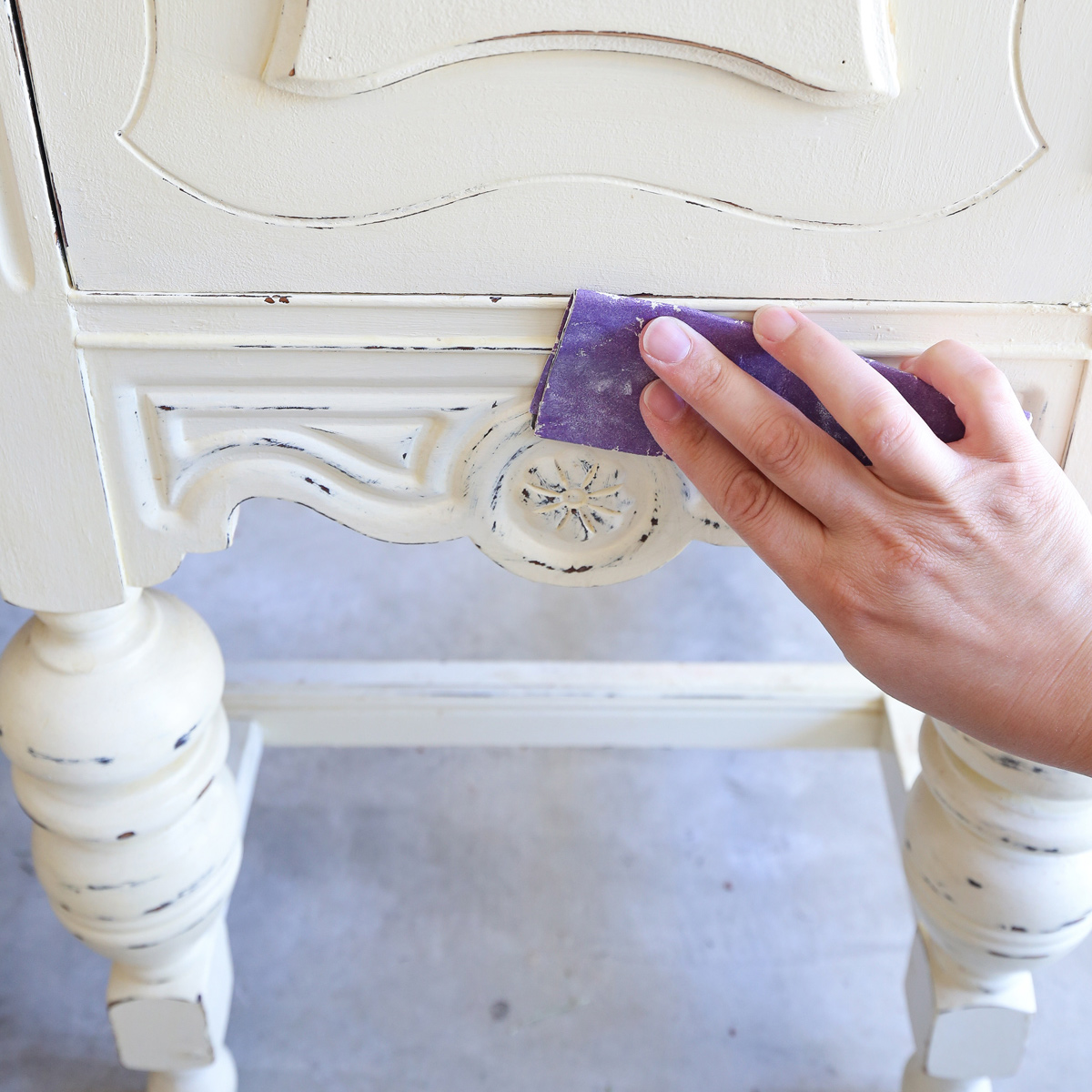
After initial shaping, the final sanding before primer application should use a grit around P320 or P400. This provides enough "tooth" for the primer to adhere without leaving deep scratch marks. Consistency is key; every inch of the car must be sanded uniformly.
Always clean the surface thoroughly with a degreaser or wax/grease remover between sanding stages. This prevents contaminants from being pushed into the paint pores, which would cause adhesion failure later on.
Masking and Tacking
Masking involves covering every single piece of trim, glass, door jamb, and interior space you don't want paint on. Use high-quality painter's tape and specialized masking paper or plastic film. Double-check all edges to ensure the tape is firmly pressed down and there are no potential gaps.
Just before applying the paint, run a tack cloth over all surfaces. This tacky cloth picks up any lingering dust particles or lint that might have settled during the masking stage, saving your clear coat from imperfections.
The Art of Professional Paint Application
Now for the exciting part! Consistency and technique are key here. Remember that the paint must be mixed precisely according to the manufacturer's instructions, including activator (hardener) and reducer (thinner) levels. Improper mixing can cause runs, premature curing, or a weak final finish.
Applying the Primer and Sealer
Primer serves two functions: filling minor scratches left by sanding and providing a solid anchor for your base coat. Apply 2-3 coats of high-build primer, allowing proper flash time between coats (usually 5–15 minutes). Once cured, the primer needs to be block-sanded smooth (usually P600 wet) to eliminate orange peel and ensure a perfectly flat surface.
A sealer coat applied just before the base coat helps to unify the color absorption of the surface and prevent primer from showing through thin spots in the color.
Laying Down the Base Coat (Color)
When spraying the base coat, use smooth, overlapping passes, holding the gun 6–8 inches from the surface. Maintain a consistent speed across the panel, triggering the gun only when the pass is directly over the vehicle. You typically need 2–4 coats to achieve full opacity, allowing the paint to "flash off" (dry to the touch) between each application.
If you are struggling with how to paint a car professionally and achieve even coverage, practice on scrap panels first. Even coverage is paramount, especially with metallic colors, where inconsistent application causes mottling or stripes.
The Crucial Clear Coat
The clear coat provides depth, shine, and essential UV protection. This is where your paint job truly gets its professional gloss. Apply 2–3 medium wet coats. The first coat should be a light mist to adhere well, followed by two slightly heavier, wet coats that flow out smoothly.
Be careful not to apply too heavily, or you risk runs and drips. Once the final clear coat is applied, the work area must remain undisturbed for several hours to allow the paint to harden without dust contamination.
Curing and Final Detailing
You're almost there! Once the clear coat is applied, the car must cure. Follow the paint manufacturer's recommendation, but generally, wait at least 24 hours before removing the masking tape and several days before moving on to final sanding and buffing. This waiting period is essential for maximizing hardness.
Color Sanding for a Mirror Finish
If you notice minor dust nibs, slight runs, or residual orange peel texture, color sanding (also known as wet sanding) is the professional technique used to achieve a mirror finish. This process flattens the clear coat, preparing it for a brilliant polish.
Start with very fine sandpaper, usually P1500, wet-sanding gently. Once the surface is uniformly dull (meaning all orange peel is removed), move up to P2000, then P3000. Use a foam sanding block to maintain flatness and prevent sanding through the clear coat.
Polishing Your Way to Perfection
Using a rotary or dual-action polisher, apply a heavy-cut compound to remove the sanding marks left by the P3000 paper. Follow this with a medium polish and finally a fine swirl remover to achieve maximum clarity and shine. This final step is what transforms a good paint job into a truly professional, deep-gloss finish.
Wait at least 30 to 90 days after painting for the solvents to fully evaporate (gas out) before applying any wax or sealant. Premature sealing can trap solvents and damage the fresh paint.
Conclusion: Mastering the Art of Automotive Refinishing
Learning How To Paint A Car Professionally is certainly a significant undertaking, but the outcome—a stunning, high-gloss finish applied by your own hands—is incredibly rewarding. Remember that success lies in preparation, patience, and practice. Don't rush the sanding; invest in proper safety gear; and maintain consistent technique during application.
By breaking the process down into manageable stages—from securing the right workspace to the final buffing—you can achieve results that rival even the most expensive auto body shops. Good luck, and enjoy your beautifully refinished vehicle!
Frequently Asked Questions (FAQ)
- How much does it cost to paint a car professionally if I do it myself?
- The cost for quality materials (paint, primer, clear coat, sandpapers, thinners, and basic PPE) can range from $700 to $2,500 depending on the type of paint (e.g., solid color vs. metallic or pearl) and the brand quality you choose. This figure does not include the initial purchase of essential tools like the compressor and HVLP gun.
- How long does a professional DIY car paint job take?
- A proper job, including full disassembly, meticulous bodywork, sanding, priming, and painting, usually takes 60 to 120 dedicated hours. Rushing the curing or sanding steps will compromise the final result and lead to premature failure.
- What is the most common mistake when painting a car?
- The most common mistake is inadequate surface preparation. Failing to properly sand, degrease, or mask the vehicle leads to adhesion problems, fish eyes, rust returning, or noticeable paint lines.
- Can I use spray cans to paint a car professionally?
- While spray cans have improved, they cannot replicate the finish achieved by an HVLP gun. They lack the necessary atomization control, resulting in an uneven spray pattern, inconsistent material depth, and generally lower durability.
How To Paint A Car Professionally
How To Paint A Car Professionally Wallpapers
Collection of how to paint a car professionally wallpapers for your desktop and mobile devices.
Detailed How To Paint A Car Professionally Artwork Digital Art
Experience the crisp clarity of this stunning how to paint a car professionally image, available in high resolution for all your screens.

Breathtaking How To Paint A Car Professionally Picture Digital Art
Discover an amazing how to paint a car professionally background image, ideal for personalizing your devices with vibrant colors and intricate designs.

Dynamic How To Paint A Car Professionally Artwork in 4K
A captivating how to paint a car professionally scene that brings tranquility and beauty to any device.
Serene How To Paint A Car Professionally Landscape Nature
Transform your screen with this vivid how to paint a car professionally artwork, a true masterpiece of digital design.

Dynamic How To Paint A Car Professionally Background Illustration
Find inspiration with this unique how to paint a car professionally illustration, crafted to provide a fresh look for your background.
Captivating How To Paint A Car Professionally Background Photography
A captivating how to paint a car professionally scene that brings tranquility and beauty to any device.
Artistic How To Paint A Car Professionally Background Art
This gorgeous how to paint a car professionally photo offers a breathtaking view, making it a perfect choice for your next wallpaper.

Vivid How To Paint A Car Professionally Design in 4K
Discover an amazing how to paint a car professionally background image, ideal for personalizing your devices with vibrant colors and intricate designs.
Detailed How To Paint A Car Professionally Background in HD
Discover an amazing how to paint a car professionally background image, ideal for personalizing your devices with vibrant colors and intricate designs.
Gorgeous How To Paint A Car Professionally Background Art
Immerse yourself in the stunning details of this beautiful how to paint a car professionally wallpaper, designed for a captivating visual experience.

Exquisite How To Paint A Car Professionally Image for Mobile
A captivating how to paint a car professionally scene that brings tranquility and beauty to any device.
Exquisite How To Paint A Car Professionally Design for Your Screen
Immerse yourself in the stunning details of this beautiful how to paint a car professionally wallpaper, designed for a captivating visual experience.
:strip_icc()/BEHROreganoSpice-e23fec9e65324b11bf179fb5503db64e.jpg "High-Quality How To Paint A Car Professionally Image Art")
High-Quality How To Paint A Car Professionally Image Art
Explore this high-quality how to paint a car professionally image, perfect for enhancing your desktop or mobile wallpaper.
:strip_icc()/Can-You-Paint-Over-Wallpaper-1331852257-066f01b6626c4b35bbc2cd68d7c30183.jpg "Breathtaking How To Paint A Car Professionally Background Nature")
Breathtaking How To Paint A Car Professionally Background Nature
Transform your screen with this vivid how to paint a car professionally artwork, a true masterpiece of digital design.
Breathtaking How To Paint A Car Professionally Background Collection
Explore this high-quality how to paint a car professionally image, perfect for enhancing your desktop or mobile wallpaper.
Gorgeous How To Paint A Car Professionally Abstract Digital Art
Immerse yourself in the stunning details of this beautiful how to paint a car professionally wallpaper, designed for a captivating visual experience.

Stunning How To Paint A Car Professionally Wallpaper Digital Art
A captivating how to paint a car professionally scene that brings tranquility and beauty to any device.
Captivating How To Paint A Car Professionally Artwork in 4K
Find inspiration with this unique how to paint a car professionally illustration, crafted to provide a fresh look for your background.

Artistic How To Paint A Car Professionally Scene Photography
A captivating how to paint a car professionally scene that brings tranquility and beauty to any device.
Exquisite How To Paint A Car Professionally Background Nature
Find inspiration with this unique how to paint a car professionally illustration, crafted to provide a fresh look for your background.
Download these how to paint a car professionally wallpapers for free and use them on your desktop or mobile devices.