Poland’s central bank alarmed by rating outlook changes By Investing.com
Poland's central bank alarmed by rating outlook changes By Investing.com
You've likely heard the buzz, and for good reason: Poland's central bank is alarmed by rating outlook changes. This isn't just a technical financial update; it's a critical development that could impact everything from Poland's borrowing costs to its economic stability. Investing.com's report highlights a growing concern within the National Bank of Poland (NBP), signaling potential turbulence ahead for one of Central Europe's largest economies. Let's break down what these changes mean for you, the market, and Poland's future.
The NBP's apprehension stems from recent shifts in how major credit rating agencies view Poland's economic prospects. Such outlook adjustments, even if not immediate rating downgrades, serve as a potent warning. They suggest that the underlying factors supporting Poland's current credit rating are weakening, or that new risks are emerging. Understanding this sentiment is crucial for anyone with an interest in European markets or the Polish economy.
Understanding the Recent Alarm from Poland's Central Bank
When we talk about "rating outlook changes," we're referring to the assessment by credit rating agencies like Fitch, Moody's, or S&P Global. These agencies evaluate a country's ability and willingness to meet its financial obligations. An "outlook" indicates the potential direction of a country's credit rating over the medium term, typically six months to two years.
A "negative outlook" doesn't mean a downgrade has happened, but it signals that one is more likely if current trends persist. Conversely, a "positive outlook" suggests an upgrade is possible. For Poland, the central bank's alarm likely points to recent shifts towards a negative outlook or heightened scrutiny from these agencies.
The National Bank of Poland is particularly sensitive to these changes because they directly influence investor confidence. A negative shift can lead to higher borrowing costs for the government, as investors demand a greater premium for perceived increased risk. This ripple effect can then impact corporate borrowing, consumer spending, and ultimately, economic growth.
What Triggered the Outlook Changes?
Several factors can contribute to a change in a country's credit rating outlook. For Poland, recent concerns have likely revolved around a combination of domestic and external pressures. These might include:
- **Fiscal Health:** Questions about the sustainability of public debt or the government's budget trajectory.
- **Monetary Policy Effectiveness:** Challenges in managing inflation or maintaining financial stability amidst global economic shifts.
- **Geopolitical Risks:** The ongoing conflict in Ukraine and its broader regional implications.
- **Rule of Law Concerns:** Disputes with the European Union over judicial independence, potentially affecting the flow of EU funds.
- **Economic Growth Projections:** Revisions to forecasts for GDP growth, industrial output, or export performance.
These elements, individually or in combination, paint a picture of increased risk for analysts. The NBP's alarm indicates they recognize the gravity of these assessments and their potential to crystallize into more severe ratings actions down the line.
The Domino Effect: From Outlook to Real Economy
It's crucial to understand that a rating outlook change isn't just an abstract financial concept. It has tangible effects on the real economy. When the risk perception of a country increases, several things typically happen:
- **Higher Borrowing Costs:** Governments, and by extension, state-backed companies, face higher interest rates when issuing new debt.
- **Reduced Foreign Investment:** International investors may become more hesitant to commit capital, seeking safer havens.
- **Currency Weakness:** The national currency, in this case, the Polish Zloty, may depreciate against major currencies, making imports more expensive.
- **Impact on Domestic Businesses:** Higher borrowing costs for the government often translate to higher costs for domestic banks and businesses, potentially slowing expansion and job creation.
- **Sovereign-Bank Link:** A weaker sovereign rating can also put pressure on the ratings of domestic banks, given their exposure to government debt.
This is why Poland's central bank is alarmed by rating outlook changes – they understand these are early indicators of broader economic challenges that need proactive management.
The Economic Context: Why Poland's Rating Matters
Poland has been a standout performer in the European Union for decades, consistently boasting strong GDP growth and attracting significant foreign direct investment. Its economic success story is often cited as a model for emerging markets. However, no economy is immune to external shocks or internal policy missteps. The current economic landscape presents a complex array of challenges.
High inflation has been a persistent issue, forcing the NBP to navigate a delicate balance between curbing price increases and supporting economic growth. Furthermore, global supply chain disruptions and energy price volatility, exacerbated by geopolitical tensions, add layers of complexity. In this environment, a stable credit rating is paramount, as it underpins confidence and keeps the cost of capital manageable.
Impact on Government Bonds and Foreign Investment
Poland's government bonds are a significant part of the portfolios of many international institutional investors. A negative outlook directly translates into higher yields demanded by these investors, as they perceive a greater risk of default or diminished value over time. This means the Polish government has to pay more to borrow money to fund its public services, infrastructure projects, and social programs.
Moreover, foreign direct investment (FDI) is a crucial driver of economic development, bringing capital, technology, and jobs. A worsening rating outlook can deter potential investors who might redirect their capital to countries with more stable and predictable financial environments. This could slow down economic diversification and modernization.
Relationship Between Ratings, Inflation, and Monetary Policy
The interconnections here are profound. Rating agencies closely watch a country's inflation trends and the central bank's response. If inflation is high and persistent, and the monetary policy response is perceived as insufficient or erratic, it can negatively influence credit ratings.
A central bank's credibility in managing inflation is a key factor. If the NBP is seen as losing control over price stability, it could further justify a negative outlook. This puts immense pressure on the NBP to make tough decisions, potentially hiking interest rates even if it risks slowing economic growth, all to defend its credibility and, by extension, the country's creditworthiness.
NBP's Stance and Potential Policy Responses
The alarm raised by Poland's central bank is not merely an expression of concern; it's a signal that they are closely monitoring the situation and considering potential responses. Central banks have a toolkit of policy instruments at their disposal, though each comes with its own set of trade-offs.
One primary tool is adjusting interest rates. Higher interest rates can help cool inflation by making borrowing more expensive, thus reducing demand. However, this also risks slowing economic activity and increasing the cost of existing debt for the government and businesses. Another tool is foreign exchange intervention, where the NBP might buy or sell zloty to stabilize its value, especially if it's depreciating rapidly due to investor jitters.
The NBP's communication strategy is also a vital policy tool. Clear, consistent messaging about their commitment to price stability and financial prudence can help reassure markets and mitigate negative sentiment. Navigating these challenges requires a careful balancing act, especially when facing external pressures and domestic political considerations.
Market Reactions and Investor Sentiment
When "Poland's central bank alarmed by rating outlook changes," markets typically react swiftly. The zloty is often the first to show signs of stress, potentially depreciating against major currencies like the Euro or US Dollar. This reflects investors selling Polish assets and moving their capital to perceived safer markets.
Polish government bond yields would also likely rise, as investors demand higher compensation for holding debt of a country with a less stable outlook. The stock market might see some selling pressure, particularly in sectors heavily reliant on foreign investment or vulnerable to higher interest rates. Investor sentiment, in these situations, can quickly turn cautious, even if the underlying economic fundamentals remain relatively strong.
Short-Term vs. Long-Term Implications
In the short term, the market's reaction might involve increased volatility and cautious trading. Traders and portfolio managers will be closely watching NBP statements, government policy announcements, and further communications from rating agencies. This period of uncertainty can lead to higher transaction costs and reduced liquidity.
For the long term, if the negative outlook persists or escalates into a full rating downgrade, the implications are more severe. It could entrench higher borrowing costs, potentially constrain fiscal policy choices, and make it harder for Poland to attract the long-term, productive investments needed for sustained growth. A sustained negative trajectory could also erode international confidence in Poland's economic management.
Broader Implications for the European Economy
Poland is a significant economic player within the European Union, making its economic health relevant beyond its borders. Any significant stress on the Polish economy or its financial markets could have spillover effects on other EU member states, particularly its immediate neighbors and major trading partners like Germany.
A weakening zloty or higher Polish bond yields could create some degree of contagion, particularly for other emerging market economies in Central and Eastern Europe. While direct contagion to the Eurozone might be limited given Poland's non-Eurozone status, indirect effects through trade, investment flows, and overall investor sentiment towards the region cannot be entirely dismissed. The EU is a deeply integrated economic bloc, and challenges in one part can reverberate across others.
What's Next? Outlook and Predictions
The coming months will be crucial for Poland. All eyes will be on the National Bank of Poland's monetary policy decisions, particularly regarding interest rates and any measures to address inflation. The government's fiscal policy and its dialogue with the European Union will also be under close scrutiny. Key data points to watch include inflation reports, GDP growth figures, and public debt statistics.
Analysts generally expect the NBP to maintain a hawkish stance as long as inflation remains elevated. However, they will also be mindful of supporting economic growth, which is a delicate balancing act. The resolution of disputes with the EU, particularly concerning rule of law and the release of recovery funds, could also provide a significant boost to sentiment and the rating outlook.
It's a dynamic situation, and while Poland's central bank is alarmed by rating outlook changes, the country's strong economic fundamentals and its commitment to the EU framework provide a solid foundation to navigate these challenges.
Conclusion
The news that Poland's central bank is alarmed by rating outlook changes, as reported by Investing.com, underscores the critical juncture at which the Polish economy finds itself. These shifts by credit rating agencies are not just technical adjustments; they are potent signals that reflect growing concerns over fiscal health, inflation management, and geopolitical risks. We've explored how these outlook changes can trigger higher borrowing costs, deter foreign investment, and potentially weaken the zloty, creating a ripple effect across the economy.
The National Bank of Poland faces a complex challenge in balancing inflation control with economic growth, all while defending the nation's creditworthiness. As an important player in the EU, Poland's economic trajectory holds broader implications for regional stability. The period ahead will demand vigilant policy management and clear communication to reassure markets and sustain investor confidence. Keep a close watch on economic indicators and policy decisions, as they will shape Poland's financial future.
Frequently Asked Questions (FAQ)
- What does a "rating outlook change" mean?
- A rating outlook change indicates the potential direction of a country's credit rating over the medium term (typically 6 months to 2 years). A "negative outlook" suggests a downgrade is more likely if current trends persist, while a "positive outlook" suggests an upgrade is possible.
- Which credit rating agencies assess Poland?
- Major international credit rating agencies such as S&P Global, Moody's, and Fitch Ratings regularly assess Poland's creditworthiness and publish reports on its rating and outlook.
- How do rating changes affect ordinary citizens in Poland?
- While not immediately obvious, rating changes can have an indirect impact. A negative outlook or downgrade can lead to higher government borrowing costs, which might mean less money for public services, or could eventually lead to higher taxes. It can also cause currency depreciation, making imported goods more expensive.
- What is the primary role of the National Bank of Poland (NBP) in this context?
- The NBP's primary role is to maintain price stability (control inflation) and ensure the stability of the financial system. In response to rating outlook changes, the NBP may adjust monetary policy (like interest rates) and use communication to stabilize markets and protect the economy.
- Is Poland's economy currently in crisis?
- No, a rating outlook change does not mean the economy is in crisis. It signifies that there are increased risks and challenges that, if not addressed effectively, could lead to a less favorable economic and financial situation in the future. Poland still has a robust economy with strong fundamentals.
Poland's central bank alarmed by rating outlook changes By Investing.com
Poland's central bank alarmed by rating outlook changes By Investing.com Wallpapers
Collection of poland's central bank alarmed by rating outlook changes by investing.com wallpapers for your desktop and mobile devices.
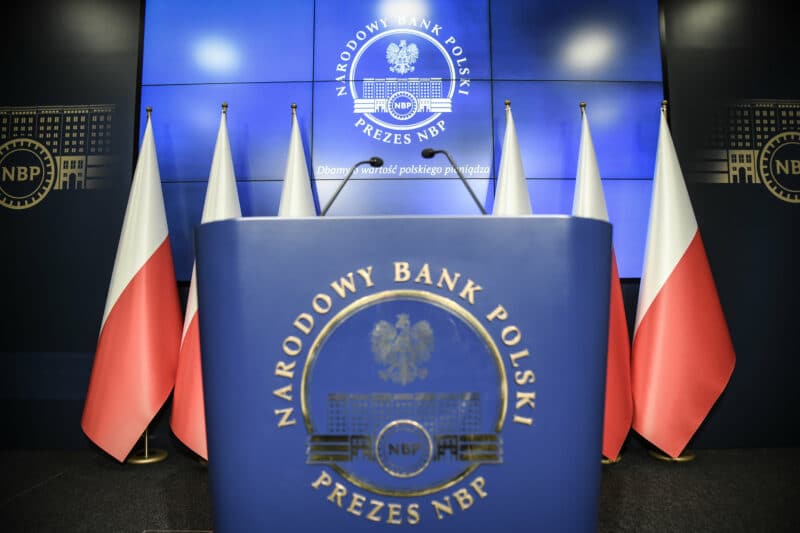
Breathtaking Poland's Central Bank Alarmed By Rating Outlook Changes By Investing.com Wallpaper Nature
Transform your screen with this vivid poland's central bank alarmed by rating outlook changes by investing.com artwork, a true masterpiece of digital design.

Stunning Poland's Central Bank Alarmed By Rating Outlook Changes By Investing.com Background for Desktop
Find inspiration with this unique poland's central bank alarmed by rating outlook changes by investing.com illustration, crafted to provide a fresh look for your background.

Exquisite Poland's Central Bank Alarmed By Rating Outlook Changes By Investing.com Wallpaper Digital Art
Immerse yourself in the stunning details of this beautiful poland's central bank alarmed by rating outlook changes by investing.com wallpaper, designed for a captivating visual experience.
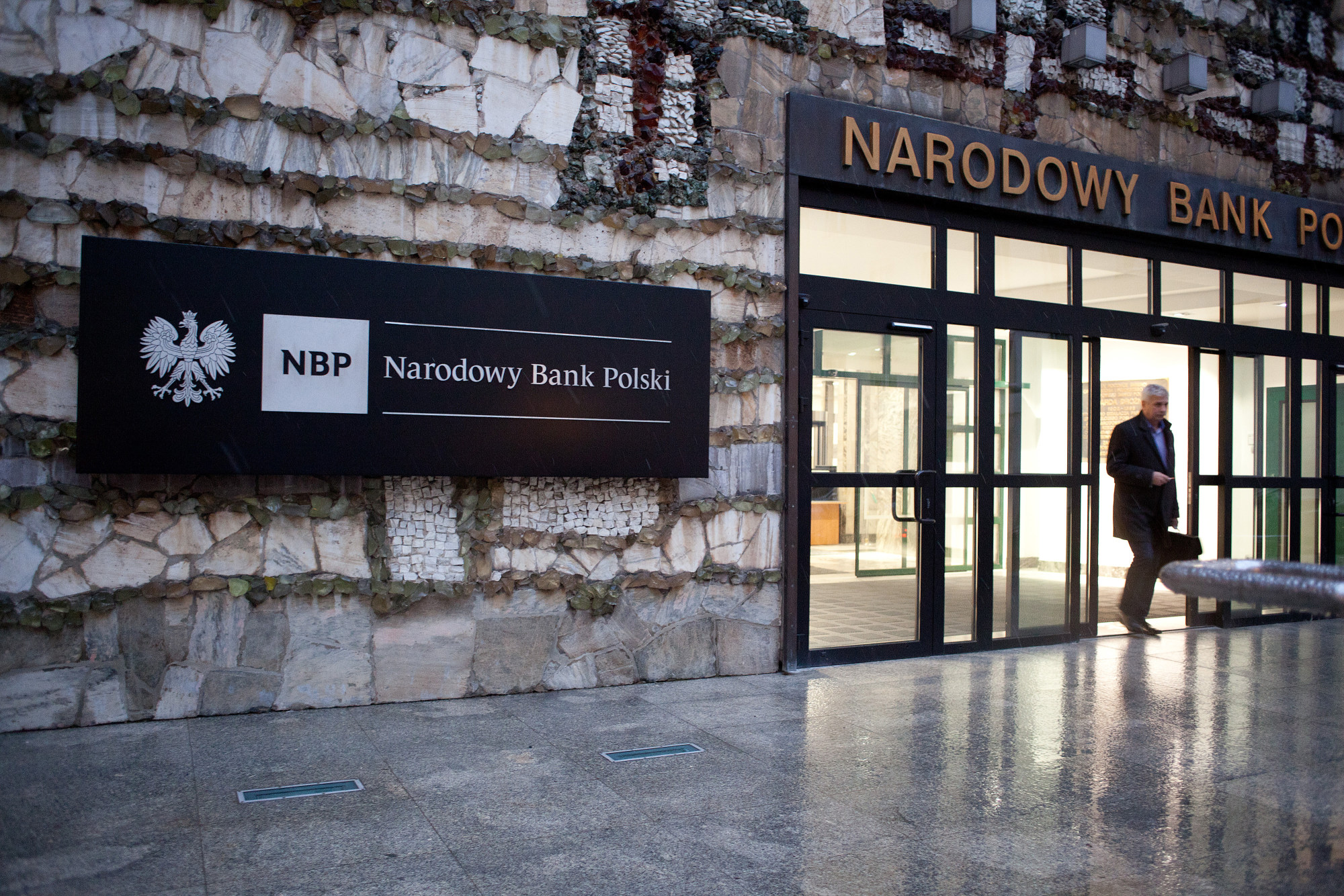
Serene Poland's Central Bank Alarmed By Rating Outlook Changes By Investing.com Landscape Digital Art
Explore this high-quality poland's central bank alarmed by rating outlook changes by investing.com image, perfect for enhancing your desktop or mobile wallpaper.
Breathtaking Poland's Central Bank Alarmed By Rating Outlook Changes By Investing.com Design for Mobile
Explore this high-quality poland's central bank alarmed by rating outlook changes by investing.com image, perfect for enhancing your desktop or mobile wallpaper.
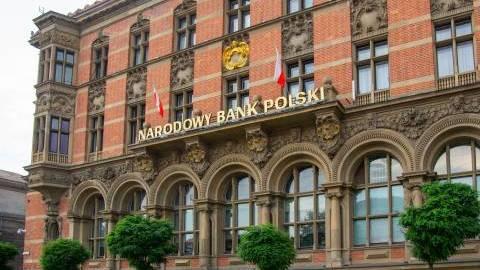
Serene Poland's Central Bank Alarmed By Rating Outlook Changes By Investing.com Scene Collection
Experience the crisp clarity of this stunning poland's central bank alarmed by rating outlook changes by investing.com image, available in high resolution for all your screens.
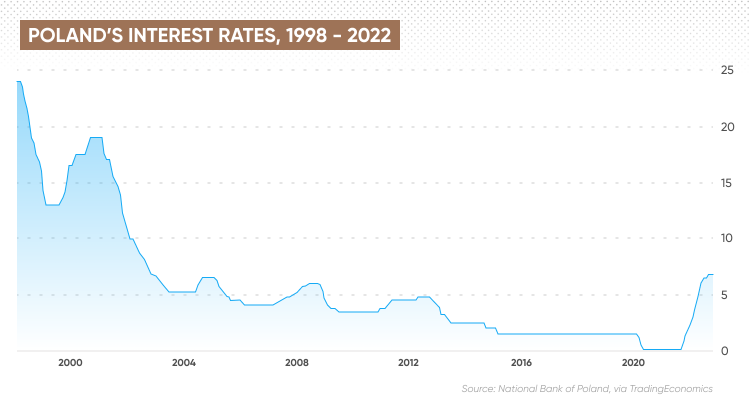
Mesmerizing Poland's Central Bank Alarmed By Rating Outlook Changes By Investing.com Landscape Illustration
Explore this high-quality poland's central bank alarmed by rating outlook changes by investing.com image, perfect for enhancing your desktop or mobile wallpaper.
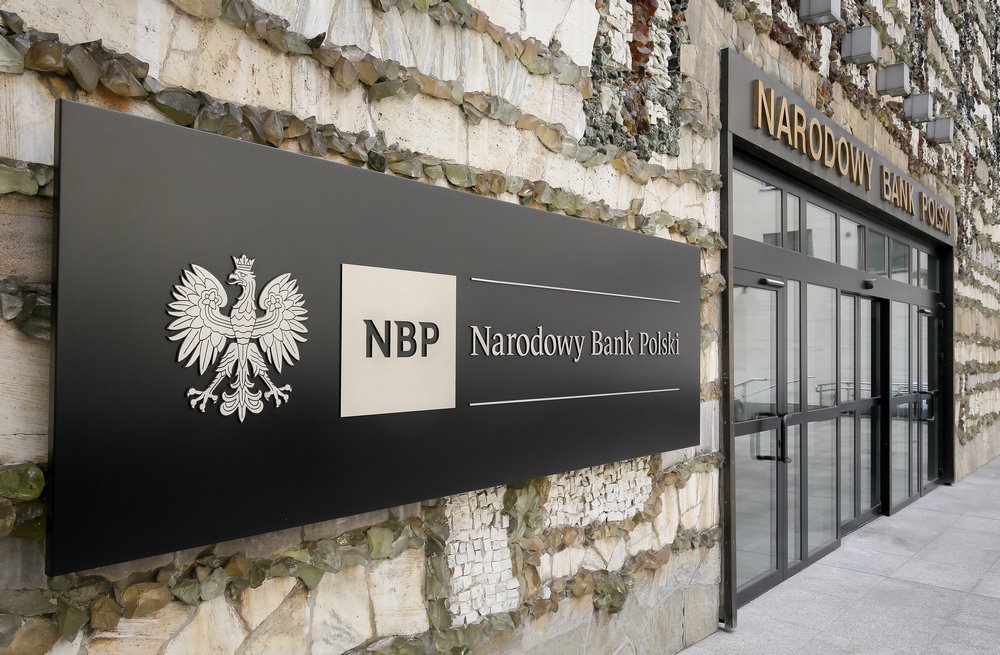
Breathtaking Poland's Central Bank Alarmed By Rating Outlook Changes By Investing.com View in 4K
Transform your screen with this vivid poland's central bank alarmed by rating outlook changes by investing.com artwork, a true masterpiece of digital design.
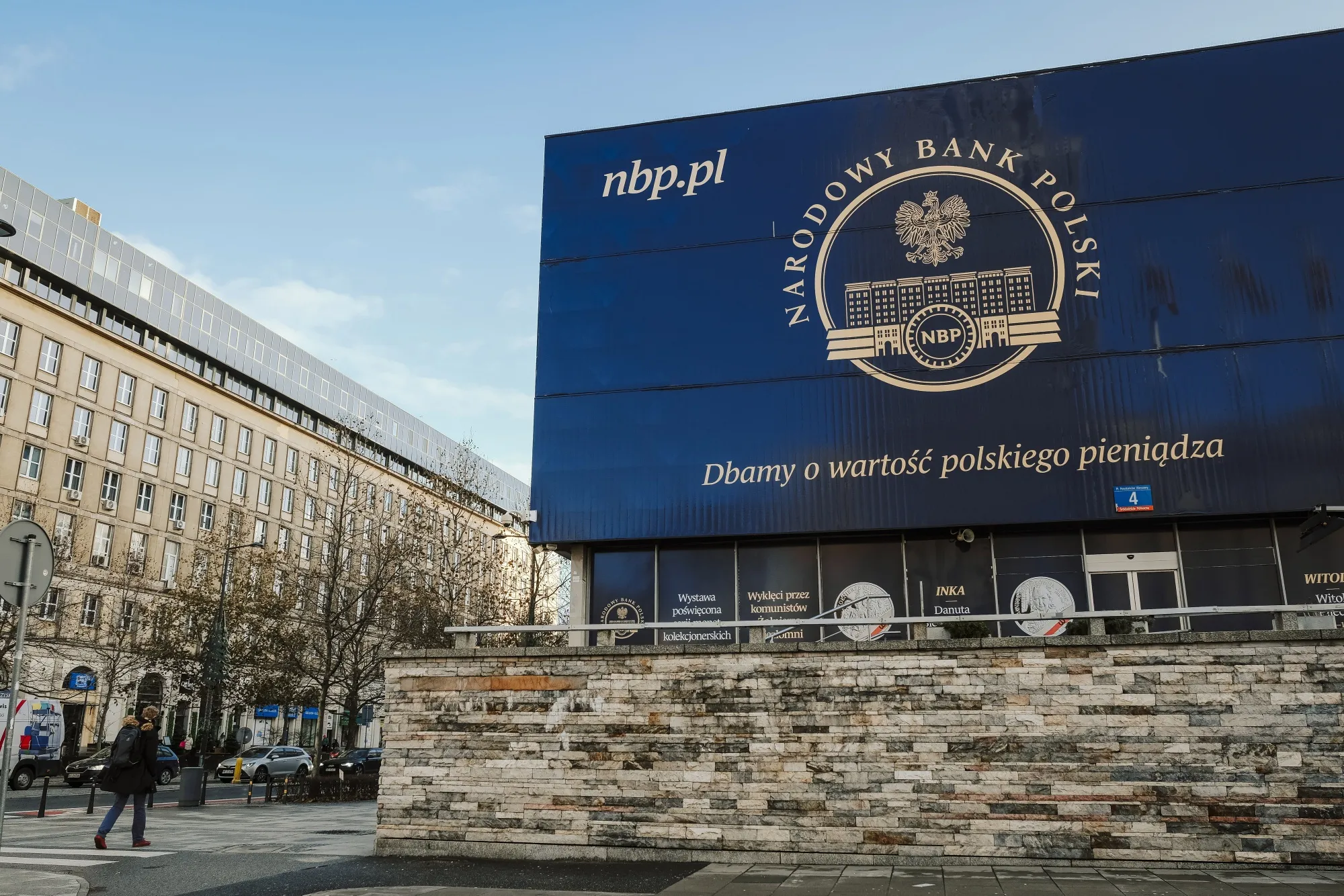
Mesmerizing Poland's Central Bank Alarmed By Rating Outlook Changes By Investing.com Landscape for Desktop
Experience the crisp clarity of this stunning poland's central bank alarmed by rating outlook changes by investing.com image, available in high resolution for all your screens.
Crisp Poland's Central Bank Alarmed By Rating Outlook Changes By Investing.com Abstract for Desktop
A captivating poland's central bank alarmed by rating outlook changes by investing.com scene that brings tranquility and beauty to any device.
Captivating Poland's Central Bank Alarmed By Rating Outlook Changes By Investing.com Background Art
This gorgeous poland's central bank alarmed by rating outlook changes by investing.com photo offers a breathtaking view, making it a perfect choice for your next wallpaper.

Vibrant Poland's Central Bank Alarmed By Rating Outlook Changes By Investing.com Abstract Illustration
Transform your screen with this vivid poland's central bank alarmed by rating outlook changes by investing.com artwork, a true masterpiece of digital design.

Dynamic Poland's Central Bank Alarmed By Rating Outlook Changes By Investing.com View Collection
A captivating poland's central bank alarmed by rating outlook changes by investing.com scene that brings tranquility and beauty to any device.

Vibrant Poland's Central Bank Alarmed By Rating Outlook Changes By Investing.com Capture in HD
Explore this high-quality poland's central bank alarmed by rating outlook changes by investing.com image, perfect for enhancing your desktop or mobile wallpaper.

Gorgeous Poland's Central Bank Alarmed By Rating Outlook Changes By Investing.com Scene Illustration
A captivating poland's central bank alarmed by rating outlook changes by investing.com scene that brings tranquility and beauty to any device.

Serene Poland's Central Bank Alarmed By Rating Outlook Changes By Investing.com Photo Photography
Experience the crisp clarity of this stunning poland's central bank alarmed by rating outlook changes by investing.com image, available in high resolution for all your screens.

Spectacular Poland's Central Bank Alarmed By Rating Outlook Changes By Investing.com Capture in 4K
Find inspiration with this unique poland's central bank alarmed by rating outlook changes by investing.com illustration, crafted to provide a fresh look for your background.

Gorgeous Poland's Central Bank Alarmed By Rating Outlook Changes By Investing.com Photo Photography
A captivating poland's central bank alarmed by rating outlook changes by investing.com scene that brings tranquility and beauty to any device.
Lush Poland's Central Bank Alarmed By Rating Outlook Changes By Investing.com Landscape in 4K
A captivating poland's central bank alarmed by rating outlook changes by investing.com scene that brings tranquility and beauty to any device.
Vibrant Poland's Central Bank Alarmed By Rating Outlook Changes By Investing.com View for Mobile
Transform your screen with this vivid poland's central bank alarmed by rating outlook changes by investing.com artwork, a true masterpiece of digital design.
Download these poland's central bank alarmed by rating outlook changes by investing.com wallpapers for free and use them on your desktop or mobile devices.