Retaliation or escalation? Trust between the U.S. and China is fading fast, analysts say
Retaliation or escalation? Trust between the U.S. and China is fading fast, analysts say
Dear reader, are you concerned about the rapidly evolving relationship between two of the world's superpowers? You're not alone. Recent analyses suggest that trust between the U.S. and China is fading fast, a trend that raises critical questions about whether the world is witnessing mere retaliation or a full-blown escalation of tensions. This isn't just a distant political drama; its implications ripple across global markets, technology, and international stability. Understanding the dynamics behind this erosion of trust is paramount for anyone trying to make sense of today's complex geopolitical landscape.
From trade disputes to ideological clashes, the friction points are multiplying, leaving many to wonder about the future trajectory of this crucial relationship. Is there a point of no return, or are there still pathways to de-escalation? Let's delve into what analysts are saying and explore the multifaceted factors contributing to this alarming decline in mutual confidence, directly impacting you and the global community.
The Core of the Deterioration: What's Happening?
The current state of U.S.-China relations is a complex tapestry woven from decades of intertwining economies and diverging political systems. What we're witnessing today is a significant shift, moving from strategic competition to what many perceive as a more confrontational stance. Both nations are increasingly viewing each other through a lens of suspicion, with actions from one side often interpreted as aggressive or destabilizing by the other. This negative feedback loop fuels the very distrust we are discussing.
Recent policy decisions, statements from high-ranking officials, and ongoing geopolitical maneuvers all point to a relationship under immense strain. The perception of national security interests on both sides now frequently clashes, superseding areas of potential cooperation. This deterioration isn't sudden; it's the culmination of various factors intensifying over several years, accelerated by specific events and policy shifts.
Economic Tensions: Tariffs, Tech, and Trade Wars
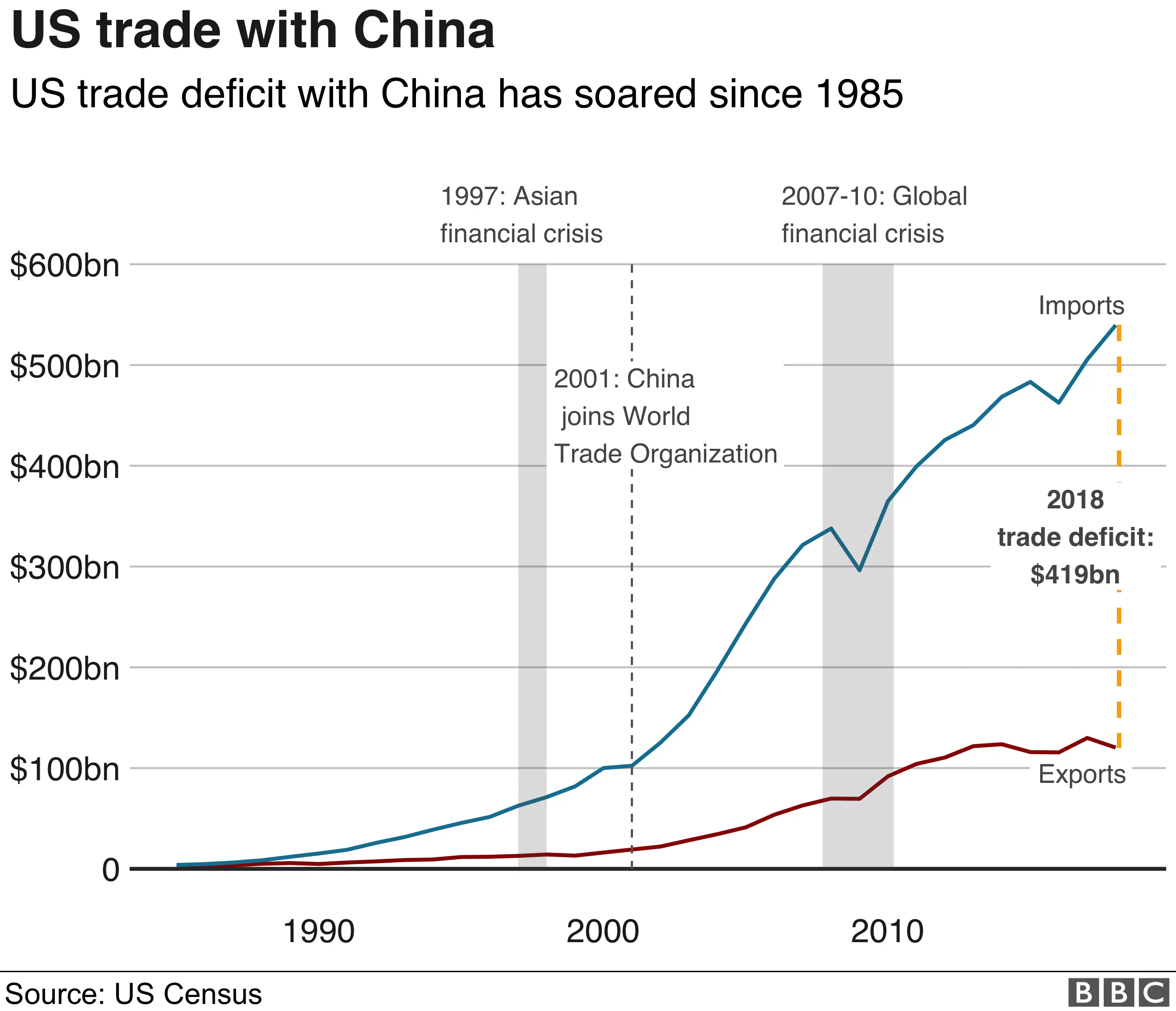
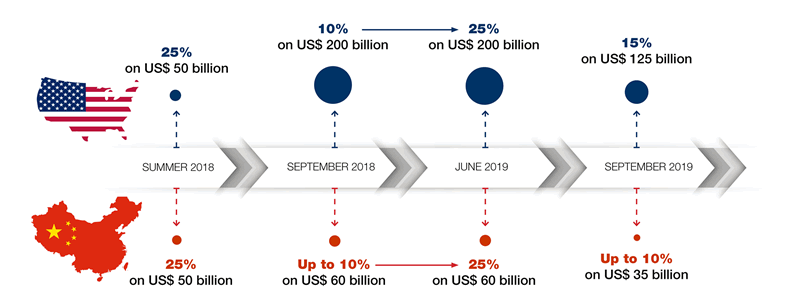
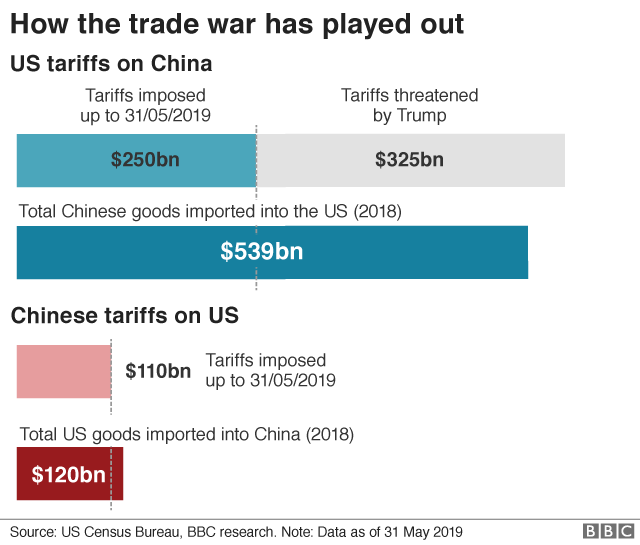
At the heart of much of the tension lies the economy. The trade war initiated by the previous U.S. administration left lingering tariffs and an unresolved sense of unfair trade practices. Beyond mere goods, the battleground has shifted significantly to technology, particularly in areas like semiconductors, artificial intelligence, and 5G networks. The U.S. has imposed restrictions aimed at curbing China's technological advancement, citing national security concerns and fair competition.
China, in turn, views these actions as attempts to contain its growth and maintain U.S. technological supremacy, often responding with its own measures. This "tech war" component is particularly damaging to trust, as it suggests a fundamental unwillingness to allow the other nation to thrive in critical sectors. Businesses worldwide are caught in the crossfire, facing supply chain disruptions and increased operational complexities as both nations push for greater economic resilience and independence from each other.
Geopolitical Flashpoints: Taiwan, South China Sea, and Beyond
Beyond economic rivalry, territorial disputes and political ideologies present significant geopolitical flashpoints. Taiwan remains perhaps the most sensitive issue, with the U.S. reaffirming its "One China" policy but simultaneously increasing engagement and arms sales to the island, much to Beijing's chagrin. China considers Taiwan a breakaway province and vows eventual "reunification," by force if necessary, a stance that escalates regional tensions.
The South China Sea is another area of contention, with China's expansive claims and construction of artificial islands clashing with the interests of other regional states and the U.S.'s freedom of navigation operations. Furthermore, issues like human rights in Xinjiang, the crackdown on democracy in Hong Kong, and cyber espionage claims all contribute to a growing list of grievances, making diplomatic breakthroughs increasingly difficult. These flashpoints illustrate the deep ideological and strategic divergences that continue to erode mutual trust.
A Crisis of Confidence: Why Trust is Eroding So Rapidly
The speed at which trust between the U.S. and China is fading fast is alarming, prompting a deeper look into the underlying mechanisms. It's not just about policy disagreements; it's about a fundamental shift in how each nation perceives the other's intentions and long-term goals. This crisis of confidence stems from a combination of deeply entrenched ideological differences, competing visions for global order, and a growing fear of strategic encirclement or displacement.
Both Washington and Beijing now seem to believe that the other is fundamentally working against its core interests, rather than merely competing within a shared framework. This zero-sum thinking makes compromise difficult and increases the likelihood of miscalculation. The lack of reliable communication channels and the propensity for rhetorical attacks further exacerbate this cycle of distrust, making effective diplomacy a constant uphill battle.
Misinformation and Propaganda: Fueling Distrust
In the digital age, the information landscape plays a significant role in shaping public opinion and, consequently, government policy. Both the U.S. and China engage in narrative warfare, portraying the other in a negative light to rally domestic support and influence international opinion. Accusations of misinformation, state-sponsored propaganda, and cyber interference are now commonplace, further poisoning the well of mutual understanding.
This constant barrage of negative messaging makes it incredibly difficult for citizens, and even policymakers, to form nuanced views, often reinforcing existing biases. When every piece of news is framed as an attack or a deceptive maneuver, trust becomes an impossible commodity. Analysts warn that this informational battle directly contributes to the breakdown of diplomatic efforts and deepens the chasm between the two nations.
Internal Pressures and Political Will
The domestic political landscapes of both the U.S. and China significantly influence their foreign policy decisions. In the U.S., a bipartisan consensus has emerged viewing China as a primary strategic rival, making any perceived leniency politically costly. Politicians often adopt a tough stance on China to demonstrate strength and appeal to voters concerned about economic competition and national security. This often limits the political will for significant concessions or trust-building initiatives.
Similarly, in China, President Xi Jinping's emphasis on national rejuvenation and strength fosters a firm stance against perceived foreign interference and aggression. The Communist Party's legitimacy is tied to its ability to protect national interests and restore China's standing on the world stage. These internal political dynamics, driven by nationalistic sentiments and the desire for domestic stability, make it challenging for either side to back down or offer olive branches without appearing weak at home, thus fueling the cycle of distrust and confrontation.
What Are the Immediate Stakes? Understanding the Risks
As trust between the U.S. and China continues to erode, the immediate stakes are incredibly high, potentially impacting everyone on the planet. The world is watching to see if this trend leads to outright retaliation or a dangerous escalation, with analysts warning of severe consequences. Understanding these risks is crucial for individuals, businesses, and governments alike.
Here are some of the most pressing immediate stakes:
- Increased Economic Volatility: Businesses face uncertainty due to trade restrictions, potential sanctions, and supply chain disruptions.
- Heightened Geopolitical Instability: Flashpoints like Taiwan and the South China Sea become more volatile, raising the risk of military incidents.
- Stifled Global Cooperation: Critical global issues, from climate change to pandemic preparedness, suffer from a lack of collaboration between the two largest economies.
- Accelerated Decoupling: Pressure on countries to choose sides, leading to a fragmented global economic and technological landscape.
- Risk of Miscalculation: The absence of trust increases the likelihood that a minor incident could spiral into a larger conflict due to misinterpretation of intentions.
The Specter of Economic Decoupling
One of the most tangible immediate risks is the ongoing process of economic decoupling. While a complete separation of the two intertwined economies seems unlikely and impractical, targeted decoupling in strategic sectors like advanced technology, critical minerals, and sensitive data is already underway. This shift forces companies to rethink their global strategies, potentially leading to higher costs, reduced efficiency, and a balkanized global economy.
For consumers, this could mean higher prices and fewer choices for certain goods, especially those reliant on complex international supply chains. Nations around the world are being pressured to "friendshore" or "reshoring" their production, further accelerating this trend. This fragmentation could severely impede global economic growth and innovation, affecting living standards worldwide.
Increased Regional Instability
The fading trust also directly translates into increased regional instability, particularly in the Indo-Pacific. With both powers augmenting their military presence and engaging in strategic alliances, the potential for miscalculation or accidental conflict rises dramatically. The South China Sea, Taiwan Strait, and even the Korean Peninsula could become hotter flashpoints if diplomatic channels falter and trust continues to plummet. Neighboring countries, heavily reliant on trade and stability in the region, find themselves in an increasingly precarious position.
This dynamic fuels an arms race, as nations scramble to bolster their defenses or align with a dominant power, further heightening the risk of regional conflicts. The implications for peace and security in Asia, and indeed globally, are profound, creating an environment where a local dispute could quickly draw in major powers, creating a much larger international crisis.
Looking Ahead: Can Trust Be Rebuilt, or Is This the New Normal?
Given the depth of the current distrust, many are asking: can trust between the U.S. and China ever be rebuilt, or are we entering a "new normal" characterized by permanent strategic competition and mutual suspicion? The path forward is fraught with challenges, and analysts offer varying perspectives. Some believe that fundamental ideological differences and competing national interests make a full return to prior levels of cooperation unlikely.
Others argue that while deep trust may be elusive, a more stable, albeit competitive, coexistence is achievable through consistent communication and a clear understanding of red lines. The focus might shift from rebuilding trust to managing distrust effectively, preventing it from spiraling into outright conflict. This is not just a question for the two nations, but for the entire global community that depends on their relationship for stability and progress.
The Role of Diplomacy and Dialogue
Despite the current challenges, diplomacy and sustained dialogue remain absolutely critical. Even when trust is low, maintaining open channels of communication helps prevent miscalculation and misunderstanding. Regular, high-level talks, even if they don't produce immediate breakthroughs, can help clarify intentions and reduce the risk of unintended escalation. Analysts emphasize the importance of "guardrails" – mechanisms and agreements that ensure competition doesn't veer into conflict.
Specific areas for cooperation, such as climate change, pandemic response, and nuclear non-proliferation, could still offer avenues for engagement, proving that shared challenges necessitate some level of interaction. Establishing practical, working relationships in these critical areas, even without deep trust, could slowly lay the groundwork for a more stable future.
Multilateral Approaches and Alliances
The role of other nations and multilateral institutions cannot be overstated. Alliances like the Quad (U.S., Japan, India, Australia) and AUKUS (Australia, U.K., U.S.) are increasingly important in shaping the regional security architecture and presenting a united front on certain issues. These alliances provide a counterbalance to China's growing influence and offer platforms for coordinated diplomatic and economic strategies.
Furthermore, international bodies like the UN, WTO, and various regional forums can serve as venues for mediating disputes and encouraging dialogue, ensuring that the U.S.-China dynamic doesn't solely dictate global affairs. Multilateralism can temper unilateral actions, push for adherence to international norms, and provide a collective voice for de-escalation, reminding both superpowers of their responsibilities to the broader global community.
Conclusion
The question of "Retaliation or escalation? Trust between the U.S. and China is fading fast, analysts say" is not just a rhetorical one; it reflects a profound shift in global power dynamics with far-reaching consequences. As we've explored, economic tensions, geopolitical flashpoints, and a crisis of confidence fueled by misinformation and internal pressures have created a deeply challenging environment. The immediate stakes are high, ranging from economic volatility to increased regional instability. While the complete rebuilding of trust seems a daunting task, effective diplomacy, consistent dialogue, and robust multilateral engagement offer pathways to managing this critical relationship.
The world is watching, and understanding these trends is vital for navigating the uncertainties ahead. The fading trust between these two giants will undoubtedly continue to shape international relations, trade, and security for years to come. Staying informed about these developments is not merely an academic exercise, but a necessity for comprehending the world around us.
FAQ: Retaliation or Escalation Between the U.S. and China
- What does "retaliation or escalation" mean in this context?
- It refers to the dilemma facing both the U.S. and China. When one country takes an action (e.g., imposing tariffs, conducting military drills), the other must decide whether to respond with a proportional counter-action (retaliation) or a more aggressive one that intensifies the conflict (escalation). This decision determines the trajectory of their relationship.
- Why is trust between the U.S. and China fading so quickly?
- Several factors contribute, including ongoing trade disputes, technological competition (especially regarding semiconductors and 5G), differing views on human rights and democracy, China's assertive actions in the South China Sea and towards Taiwan, and a general shift from strategic engagement to strategic competition. Misinformation and domestic political pressures also play significant roles in deepening mutual suspicion.
- How do economic tensions impact the relationship?
- Economic tensions manifest through tariffs, export controls, and restrictions on technology transfers. These actions, often taken by the U.S. citing national security, are seen by China as attempts to curb its economic rise. This leads to retaliatory measures, supply chain disruptions, and a push towards economic "decoupling," damaging mutual economic benefits and trust.
- What are the main geopolitical flashpoints?
- The most prominent flashpoints include Taiwan, which China considers a breakaway province and the U.S. supports with arms and diplomatic engagement; the South China Sea, where China's territorial claims clash with international law and other regional states; and issues surrounding human rights in Xinjiang and Hong Kong, which lead to international condemnation and sanctions.
- Can the U.S. and China rebuild trust, or is this the "new normal"?
- Analysts offer mixed views. Rebuilding deep trust is extremely challenging given ideological differences and competing national interests. However, some believe that establishing "guardrails" – mechanisms for managing competition and preventing conflict – and focusing on areas of mutual interest like climate change could lead to a more stable, albeit competitive, "new normal." Consistent dialogue, even without trust, is deemed crucial to avoid miscalculation and unintended escalation.
Retaliation or escalation? Trust between the U.S. and China is fading fast, analysts say
Retaliation or escalation? Trust between the U.S. and China is fading fast, analysts say Wallpapers
Collection of retaliation or escalation? trust between the u.s. and china is fading fast, analysts say wallpapers for your desktop and mobile devices.
Vivid Retaliation Or Escalation? Trust Between The U.s. And China Is Fading Fast, Analysts Say Abstract Photography
Transform your screen with this vivid retaliation or escalation? trust between the u.s. and china is fading fast, analysts say artwork, a true masterpiece of digital design.

Exquisite Retaliation Or Escalation? Trust Between The U.s. And China Is Fading Fast, Analysts Say Photo Collection
Find inspiration with this unique retaliation or escalation? trust between the u.s. and china is fading fast, analysts say illustration, crafted to provide a fresh look for your background.

Captivating Retaliation Or Escalation? Trust Between The U.s. And China Is Fading Fast, Analysts Say Artwork Concept
Immerse yourself in the stunning details of this beautiful retaliation or escalation? trust between the u.s. and china is fading fast, analysts say wallpaper, designed for a captivating visual experience.
Mesmerizing Retaliation Or Escalation? Trust Between The U.s. And China Is Fading Fast, Analysts Say View Nature
Discover an amazing retaliation or escalation? trust between the u.s. and china is fading fast, analysts say background image, ideal for personalizing your devices with vibrant colors and intricate designs.

Mesmerizing Retaliation Or Escalation? Trust Between The U.s. And China Is Fading Fast, Analysts Say Design for Mobile
Explore this high-quality retaliation or escalation? trust between the u.s. and china is fading fast, analysts say image, perfect for enhancing your desktop or mobile wallpaper.
Vivid Retaliation Or Escalation? Trust Between The U.s. And China Is Fading Fast, Analysts Say Landscape Nature
Discover an amazing retaliation or escalation? trust between the u.s. and china is fading fast, analysts say background image, ideal for personalizing your devices with vibrant colors and intricate designs.
Mesmerizing Retaliation Or Escalation? Trust Between The U.s. And China Is Fading Fast, Analysts Say Design Art
Discover an amazing retaliation or escalation? trust between the u.s. and china is fading fast, analysts say background image, ideal for personalizing your devices with vibrant colors and intricate designs.
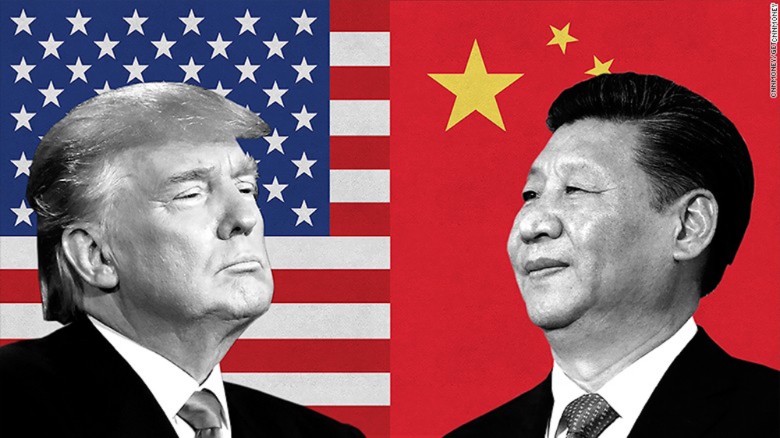
Artistic Retaliation Or Escalation? Trust Between The U.s. And China Is Fading Fast, Analysts Say Artwork Nature
This gorgeous retaliation or escalation? trust between the u.s. and china is fading fast, analysts say photo offers a breathtaking view, making it a perfect choice for your next wallpaper.
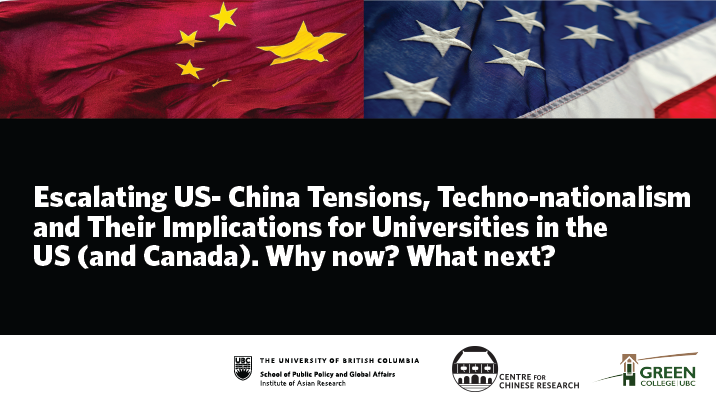
Gorgeous Retaliation Or Escalation? Trust Between The U.s. And China Is Fading Fast, Analysts Say View Collection
Find inspiration with this unique retaliation or escalation? trust between the u.s. and china is fading fast, analysts say illustration, crafted to provide a fresh look for your background.

Detailed Retaliation Or Escalation? Trust Between The U.s. And China Is Fading Fast, Analysts Say Scene for Mobile
Experience the crisp clarity of this stunning retaliation or escalation? trust between the u.s. and china is fading fast, analysts say image, available in high resolution for all your screens.

Vibrant Retaliation Or Escalation? Trust Between The U.s. And China Is Fading Fast, Analysts Say Image Collection
Discover an amazing retaliation or escalation? trust between the u.s. and china is fading fast, analysts say background image, ideal for personalizing your devices with vibrant colors and intricate designs.
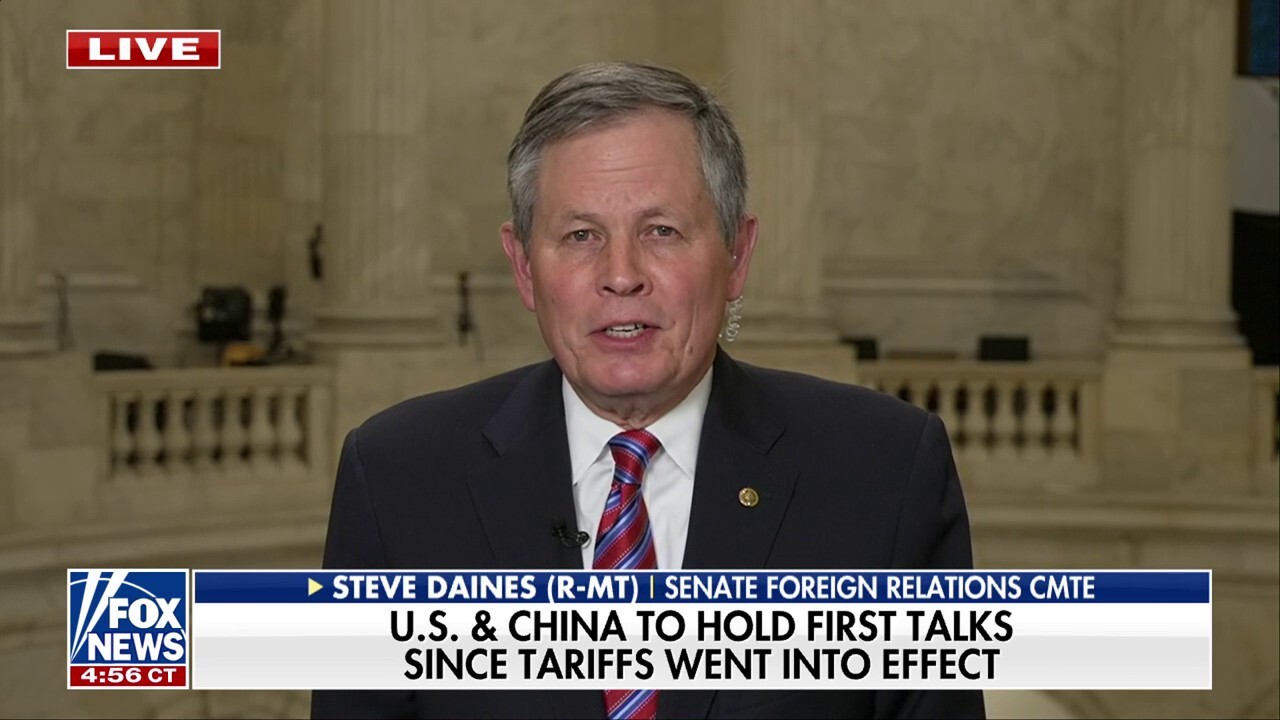
Vibrant Retaliation Or Escalation? Trust Between The U.s. And China Is Fading Fast, Analysts Say Artwork Photography
Transform your screen with this vivid retaliation or escalation? trust between the u.s. and china is fading fast, analysts say artwork, a true masterpiece of digital design.
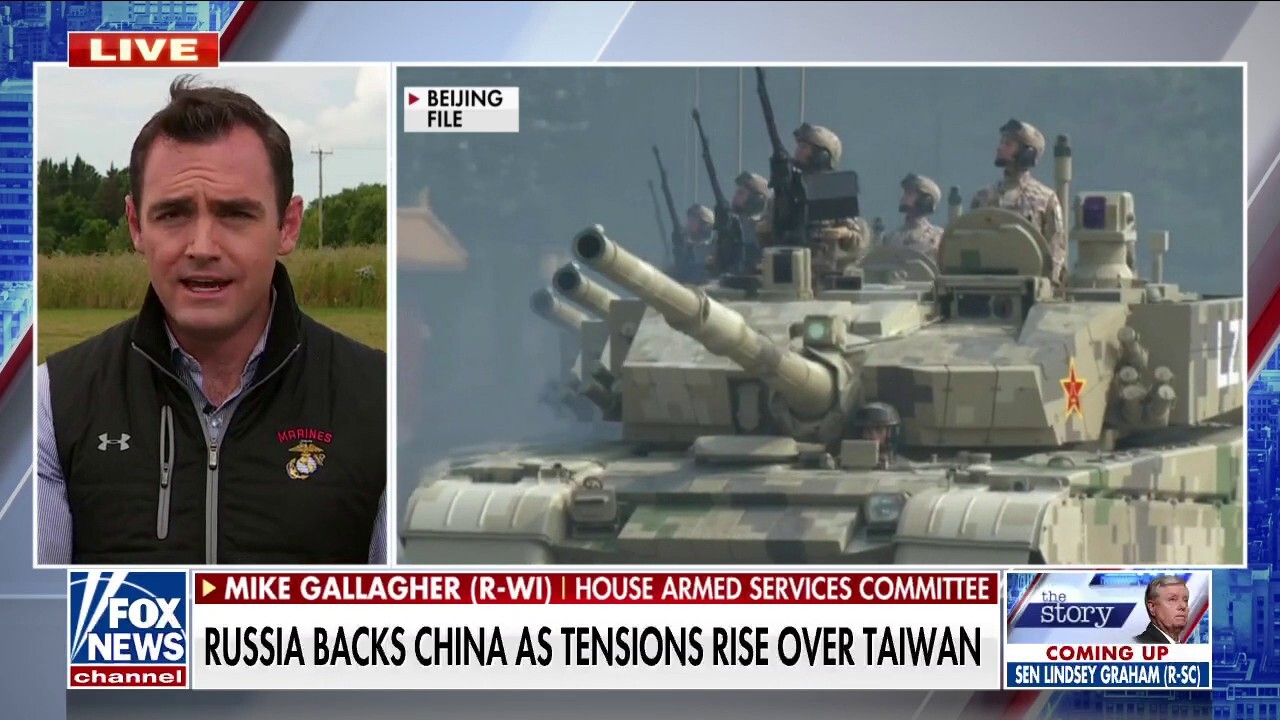
Lush Retaliation Or Escalation? Trust Between The U.s. And China Is Fading Fast, Analysts Say Scene Nature
Immerse yourself in the stunning details of this beautiful retaliation or escalation? trust between the u.s. and china is fading fast, analysts say wallpaper, designed for a captivating visual experience.

Beautiful Retaliation Or Escalation? Trust Between The U.s. And China Is Fading Fast, Analysts Say Capture for Desktop
Experience the crisp clarity of this stunning retaliation or escalation? trust between the u.s. and china is fading fast, analysts say image, available in high resolution for all your screens.
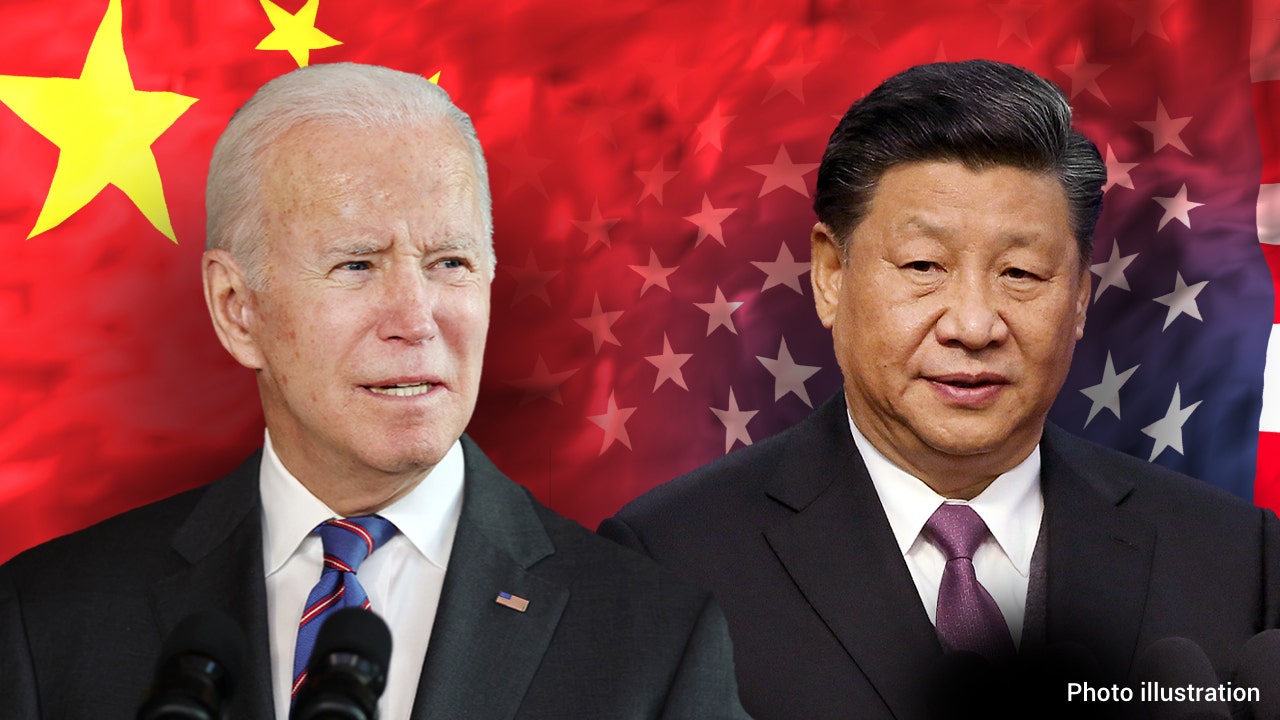
Stunning Retaliation Or Escalation? Trust Between The U.s. And China Is Fading Fast, Analysts Say Image Digital Art
This gorgeous retaliation or escalation? trust between the u.s. and china is fading fast, analysts say photo offers a breathtaking view, making it a perfect choice for your next wallpaper.

Artistic Retaliation Or Escalation? Trust Between The U.s. And China Is Fading Fast, Analysts Say Picture Digital Art
This gorgeous retaliation or escalation? trust between the u.s. and china is fading fast, analysts say photo offers a breathtaking view, making it a perfect choice for your next wallpaper.
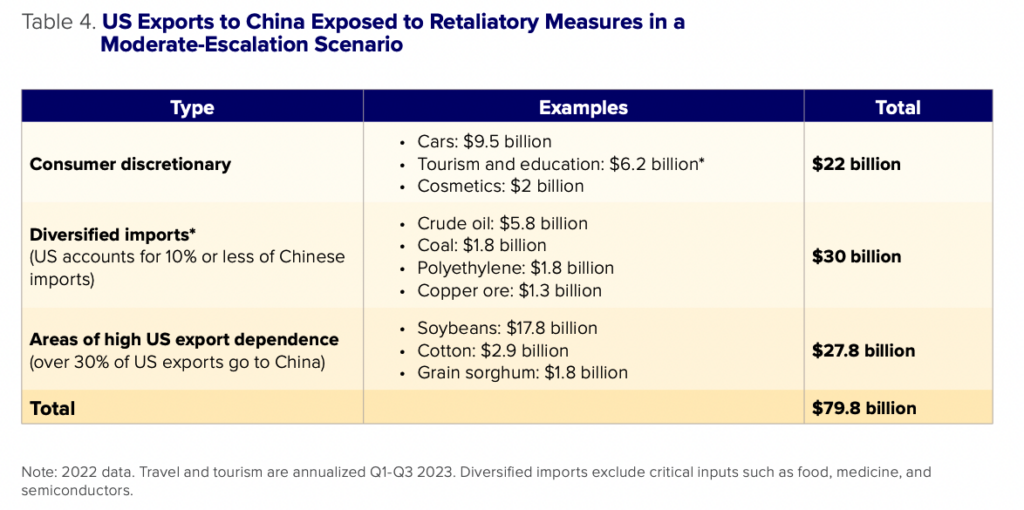
Gorgeous Retaliation Or Escalation? Trust Between The U.s. And China Is Fading Fast, Analysts Say View in 4K
A captivating retaliation or escalation? trust between the u.s. and china is fading fast, analysts say scene that brings tranquility and beauty to any device.

Crisp Retaliation Or Escalation? Trust Between The U.s. And China Is Fading Fast, Analysts Say Artwork in 4K
A captivating retaliation or escalation? trust between the u.s. and china is fading fast, analysts say scene that brings tranquility and beauty to any device.
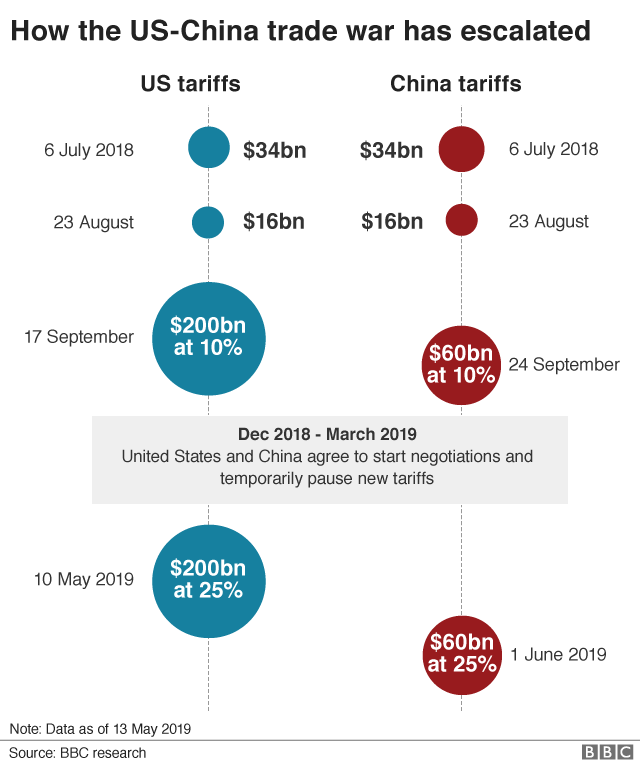
Vivid Retaliation Or Escalation? Trust Between The U.s. And China Is Fading Fast, Analysts Say Design for Mobile
Experience the crisp clarity of this stunning retaliation or escalation? trust between the u.s. and china is fading fast, analysts say image, available in high resolution for all your screens.
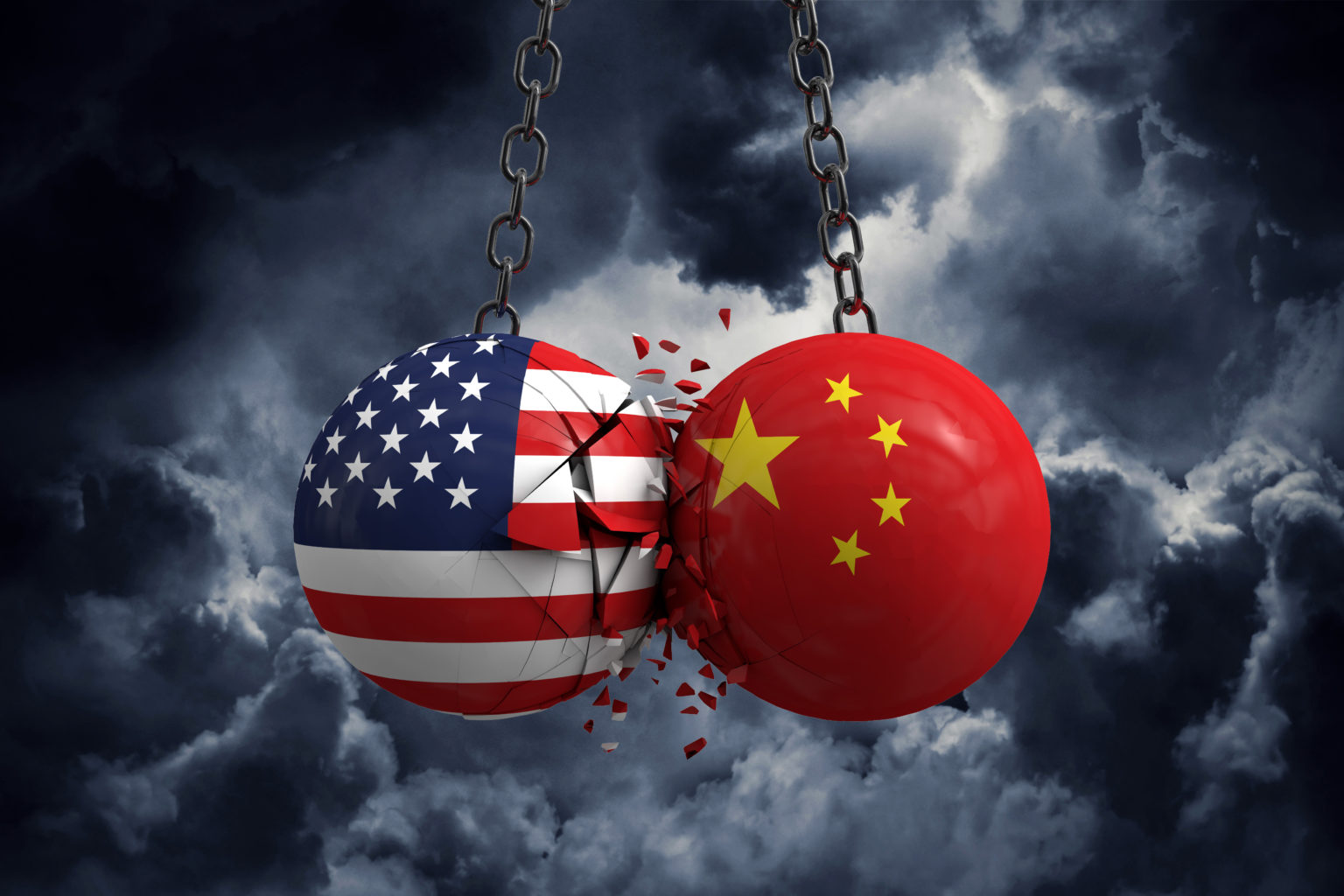
Lush Retaliation Or Escalation? Trust Between The U.s. And China Is Fading Fast, Analysts Say View Illustration
A captivating retaliation or escalation? trust between the u.s. and china is fading fast, analysts say scene that brings tranquility and beauty to any device.
Download these retaliation or escalation? trust between the u.s. and china is fading fast, analysts say wallpapers for free and use them on your desktop or mobile devices.