What you need to know: Seven questions about a capital gains tax
What You Need to Know: Seven Questions About a Capital Gains Tax
The concept of a capital gains tax (CGT) frequently dominates financial news cycles, especially during periods of proposed legislative changes. Whether you are an experienced investor or just starting to build your financial portfolio, understanding how CGT works is absolutely essential. It directly impacts your bottom line and dictates the profitability of your investments.
If you're wondering how these taxes apply to your stocks, property, or other assets, you are not alone. This trending update breaks down the complicated rules into understandable answers. We address the core mechanics and dive into the critical topic: What you need to know: Seven questions about a capital gains tax that every investor must ask.
Therefore, pay close attention. Getting these seven questions wrong could lead to significant financial penalties.
What Exactly Is a Capital Gains Tax?
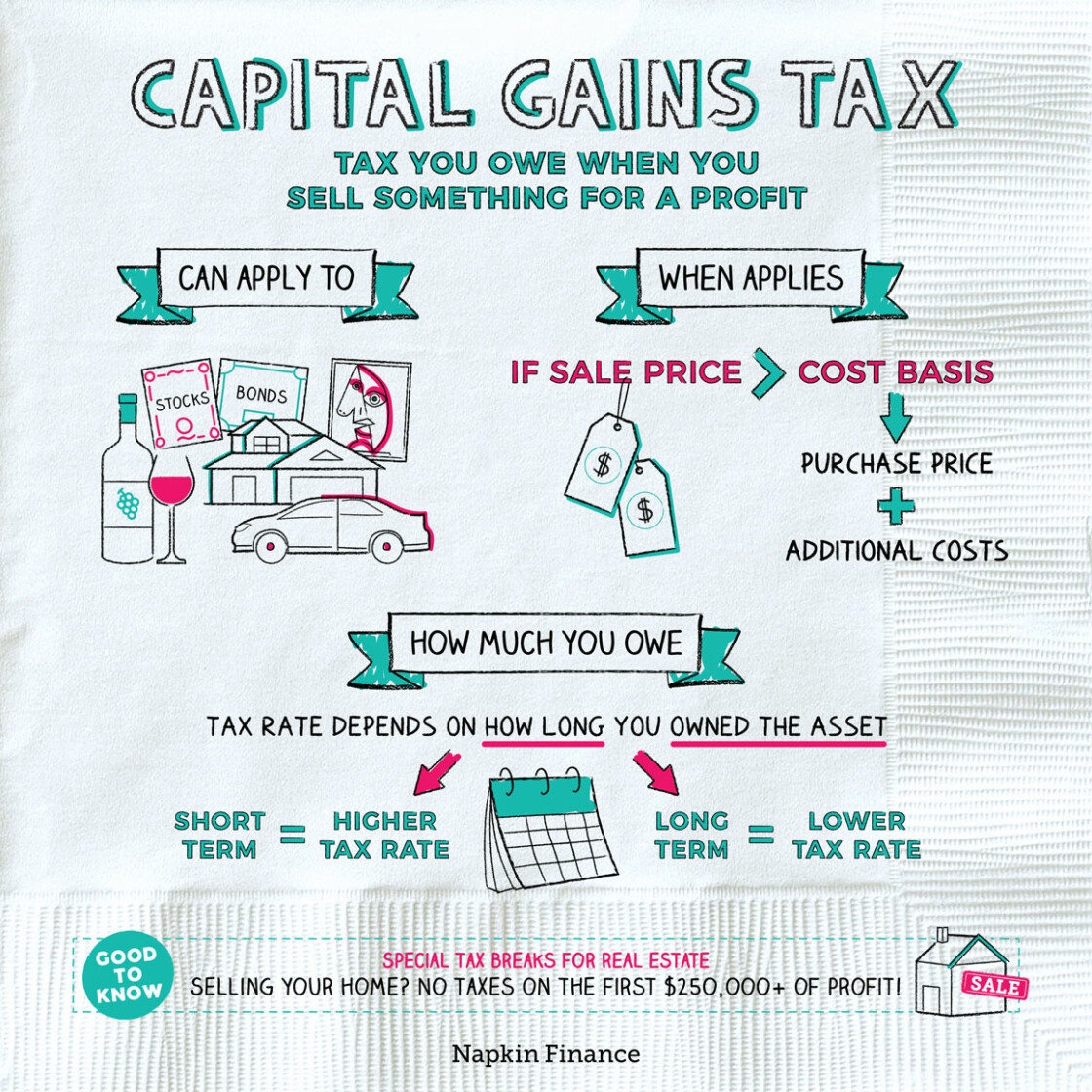
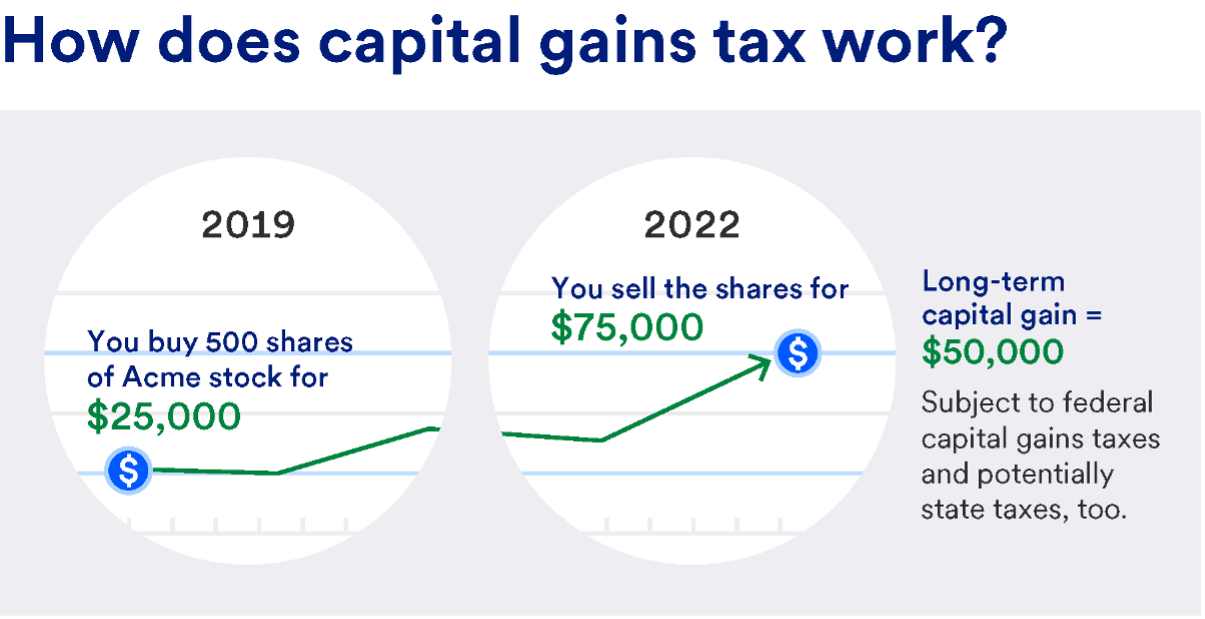
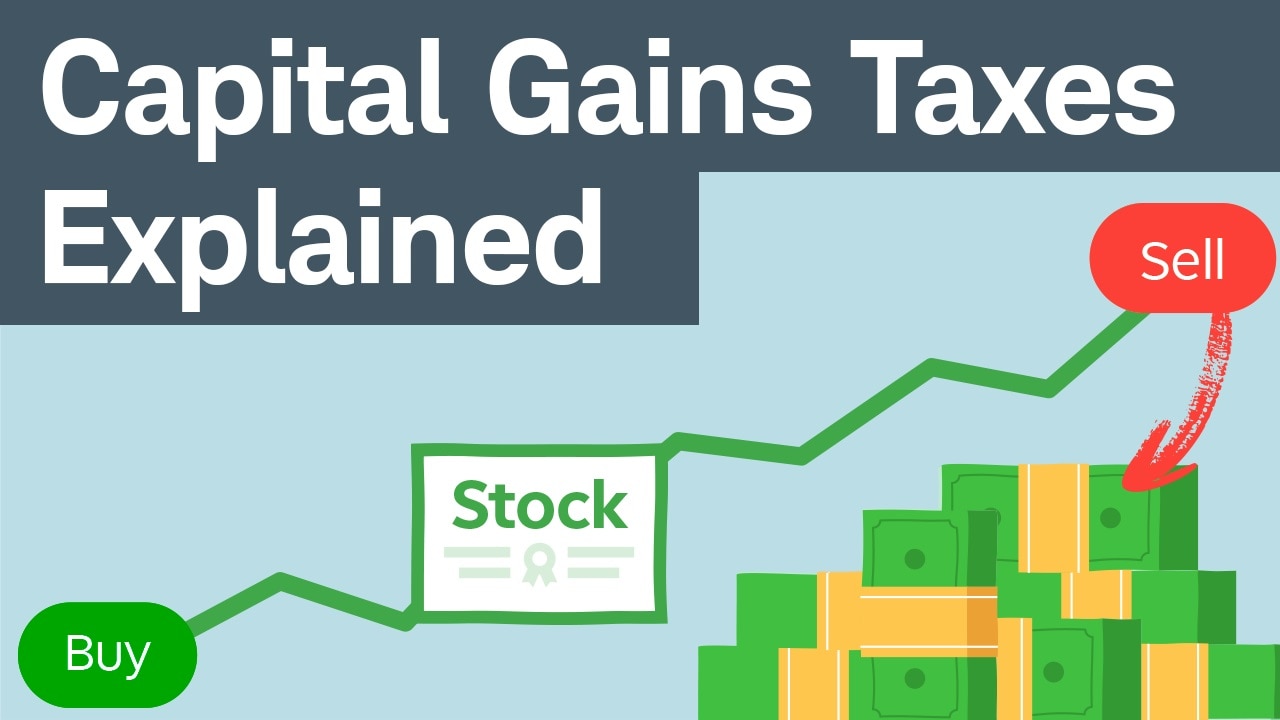
A capital gains tax is a levy imposed on the profits realized from the sale of a non-inventory asset. This is the difference between the selling price and the purchase price, often referred to as the "cost basis." Essentially, if you buy something for $100 and sell it for $150, the $50 profit is your capital gain, which may be subject to taxation.
Unlike income tax, which is applied to wages, capital gains tax focuses purely on investment growth. This distinction is vital because capital gains often benefit from different, sometimes lower, tax rates, depending on the length of time the asset was held. Moreover, these taxes are only triggered when the asset is actually sold—they are not applied to unrealized gains.
Understanding this foundation is the first step toward mastering your tax strategy. Now, let's address the core inquiries that define your liability.
The Seven Key Questions You Must Ask
To fully grasp what you need to know: Seven questions about a capital gains tax, we must dissect the details. These seven questions cover the entire scope of the tax, from what counts as an asset to how exemptions work.
Question 1: What Assets Are Subject to CGT?
Almost any asset you hold for investment or personal use can generate a capital gain when sold. The breadth of taxable assets is extensive, but there are some common categories every investor should be aware of.
Common assets subject to CGT include:
- Stocks, bonds, and mutual funds.
- Real estate and rental properties.
- Collectibles (such as art, antiques, and precious metals).
- Business assets and goodwill.
- Certain cryptocurrencies.
Crucially, some assets are typically exempt. The most common exemption is usually your primary residence, though rules vary significantly based on location and time of ownership.
Question 2: How Is the Capital Gain Calculated?
Calculating the gain is simple subtraction, but the details matter. You start with the net sale price and subtract the "adjusted cost basis." The cost basis is usually the original purchase price.
However, the adjusted cost basis can include costs associated with acquiring the asset (like brokerage fees) and, for real estate, the cost of capital improvements. Accurate record-keeping of all these expenditures is vital to minimize your taxable gain.
Question 3: Are There Different Tax Rates?
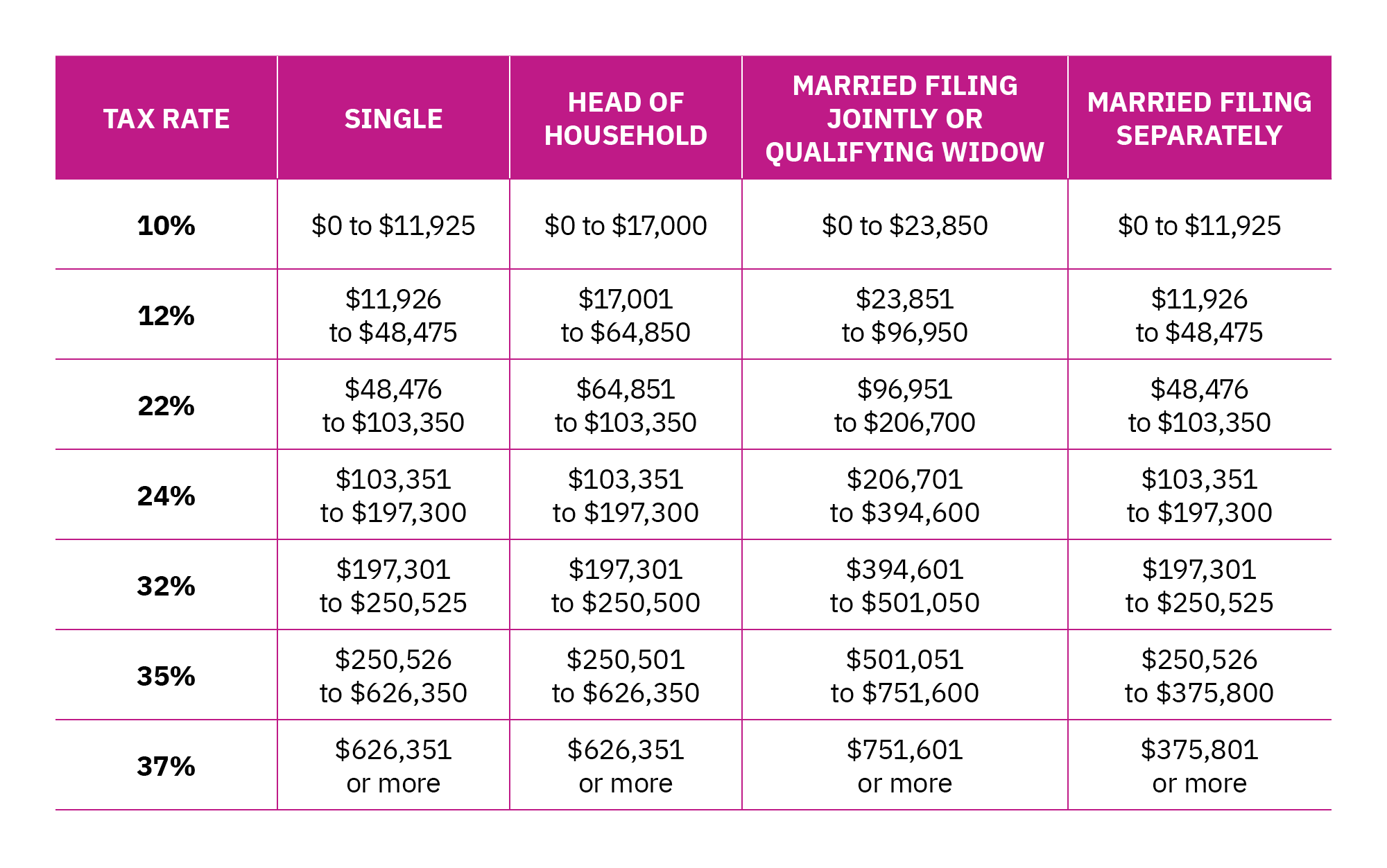
Yes, tax rates are fundamentally different based on the holding period of the asset. This is perhaps the most important concept in capital gains taxation. Tax regimes typically distinguish between short-term and long-term gains.
- Short-Term Gains: Applies to assets held for one year or less. These gains are usually taxed at your ordinary income tax rate, meaning they are treated exactly like your salary.
- Long-Term Gains: Applies to assets held for more than one year. These gains usually benefit from preferential, lower tax rates.
Therefore, timing your sale is a critical decision that dictates which tax bracket applies to your profit.
Question 4: Can I Offset My Losses?
Absolutely. One powerful feature of CGT regimes is the ability to use capital losses to offset capital gains. This strategy is known as tax-loss harvesting.
If you sold Asset A for a gain of $5,000 and sold Asset B for a loss of $3,000, your net taxable gain is only $2,000. Moreover, if your losses exceed your gains, most systems allow you to deduct a portion of the net loss against your ordinary income, often up to a set annual limit, with the rest potentially carried forward to future years.
Question 5: When Do I Pay the Tax?
The capital gains tax is generally paid when you file your annual income tax return for the year in which the sale occurred. However, large gains might require estimated quarterly tax payments throughout the year, depending on your jurisdiction and overall tax liability.
Failing to make estimated payments when required can result in underpayment penalties. Therefore, investors who realize a substantial gain early in the year must proactively plan for this tax obligation.
Question 6: What Exemptions Might Apply?
Several types of assets or transactions may qualify for full or partial CGT exemption. The most common and impactful exemption relates to the sale of your primary residence, often allowing a significant portion of the gain to be excluded if specific ownership and usage tests are met.
Other common exemptions include gains within tax-advantaged retirement accounts (like 401(k)s or IRAs) and certain small business stock gains. Furthermore, many countries offer specific deferral mechanisms, such as like-kind exchanges for real estate investments, though these rules are often complex and change frequently.
Question 7: How Does International Law Impact CGT?
For investors operating globally, international rules create layers of complexity. If you are a resident of one country but sell assets located in another, you might face taxation in both jurisdictions. This is known as double taxation.
Fortunately, many countries have tax treaties designed to mitigate this issue. These treaties often specify which country has the primary right to tax the gain. In the absence of a treaty, many countries offer a foreign tax credit, allowing you to credit the tax paid overseas against your domestic tax bill. This complex area requires expert guidance to navigate effectively.
Strategies to Manage Your Tax Liability
Navigating capital gains tax involves more than just calculating the liability; it requires strategic planning. Investors who are proactive can legally reduce their tax burden significantly.
Tax-Loss Harvesting
As mentioned earlier, tax-loss harvesting is the practice of strategically selling assets that have declined in value to offset gains realized from profitable sales. This is often done late in the tax year.
This strategy is particularly beneficial for high-income earners who realize substantial short-term capital gains, as those gains are subject to the highest ordinary income rates. Utilizing losses here can save thousands.
Holding Periods Matter
Never underestimate the difference between a short-term holding and a long-term holding. Waiting just one extra day past the one-year mark can change your tax rate dramatically, potentially halving the tax liability on the gain.
Before executing any significant asset sale, always confirm the exact purchase date. Planning your sale around the long-term holding requirement is the simplest, most effective way to lower your CGT bill.
Conclusion
Mastering the complexities of CGT is fundamental for maximizing investment returns. By addressing what you need to know: Seven questions about a capital gains tax, you gain clarity on which assets are taxed, how gains are calculated, and, most importantly, how to manage your tax rate.
Remember, the length of time you hold an asset is your greatest lever for tax efficiency, as long-term gains are taxed preferentially. Utilize loss offsets and be meticulous with record-keeping to ensure you only pay what is legally required. Staying informed is your best defense against unexpected tax hits.
Frequently Asked Questions (FAQ)
- What is the main difference between short-term and long-term capital gains?
- Short-term gains (assets held one year or less) are taxed at higher ordinary income rates. Long-term gains (assets held more than one year) are taxed at lower, preferential capital gains rates.
- Do I have to pay capital gains tax on gifts or inheritances?
- Generally, the person who receives the gift or inheritance does not pay capital gains tax upon receipt. However, if they later sell the asset, CGT may apply. For inherited assets, the cost basis is typically "stepped up" to the asset's market value on the date of death, which can significantly reduce the tax liability for the recipient.
- Does selling my primary home trigger capital gains tax?
- Not always. Most tax systems offer a significant exclusion amount for gains realized from the sale of a primary residence, provided you meet specific residency and ownership requirements. Check local tax law for the exact exclusion limit.
- What happens if I forget to report a capital gain?
- Failure to report a capital gain can lead to penalties and interest charges from tax authorities. Since brokerage firms and other financial institutions report sales to the tax authority, these transactions are usually easy for the government to track, making accurate reporting crucial.
What you need to know: Seven questions about a capital gains tax
What you need to know: Seven questions about a capital gains tax Wallpapers
Collection of what you need to know: seven questions about a capital gains tax wallpapers for your desktop and mobile devices.
Lush What You Need To Know: Seven Questions About A Capital Gains Tax Image in HD
This gorgeous what you need to know: seven questions about a capital gains tax photo offers a breathtaking view, making it a perfect choice for your next wallpaper.

Dynamic What You Need To Know: Seven Questions About A Capital Gains Tax Scene for Your Screen
Immerse yourself in the stunning details of this beautiful what you need to know: seven questions about a capital gains tax wallpaper, designed for a captivating visual experience.

Crisp What You Need To Know: Seven Questions About A Capital Gains Tax Background Nature
This gorgeous what you need to know: seven questions about a capital gains tax photo offers a breathtaking view, making it a perfect choice for your next wallpaper.

High-Quality What You Need To Know: Seven Questions About A Capital Gains Tax Artwork in HD
Transform your screen with this vivid what you need to know: seven questions about a capital gains tax artwork, a true masterpiece of digital design.

Amazing What You Need To Know: Seven Questions About A Capital Gains Tax Scene for Your Screen
Discover an amazing what you need to know: seven questions about a capital gains tax background image, ideal for personalizing your devices with vibrant colors and intricate designs.

Amazing What You Need To Know: Seven Questions About A Capital Gains Tax Background Concept
Explore this high-quality what you need to know: seven questions about a capital gains tax image, perfect for enhancing your desktop or mobile wallpaper.
Crisp What You Need To Know: Seven Questions About A Capital Gains Tax Photo Concept
Immerse yourself in the stunning details of this beautiful what you need to know: seven questions about a capital gains tax wallpaper, designed for a captivating visual experience.
:max_bytes(150000):strip_icc()/what-is-the-capital-gains-tax-fdeabd19e84849e9b12ebdadc1023859.png "Gorgeous What You Need To Know: Seven Questions About A Capital Gains Tax Artwork Digital Art")
Gorgeous What You Need To Know: Seven Questions About A Capital Gains Tax Artwork Digital Art
A captivating what you need to know: seven questions about a capital gains tax scene that brings tranquility and beauty to any device.
Dynamic What You Need To Know: Seven Questions About A Capital Gains Tax View in 4K
This gorgeous what you need to know: seven questions about a capital gains tax photo offers a breathtaking view, making it a perfect choice for your next wallpaper.
Vibrant What You Need To Know: Seven Questions About A Capital Gains Tax Moment Illustration
Discover an amazing what you need to know: seven questions about a capital gains tax background image, ideal for personalizing your devices with vibrant colors and intricate designs.
Lush What You Need To Know: Seven Questions About A Capital Gains Tax Landscape for Desktop
This gorgeous what you need to know: seven questions about a capital gains tax photo offers a breathtaking view, making it a perfect choice for your next wallpaper.
Detailed What You Need To Know: Seven Questions About A Capital Gains Tax Picture Photography
Discover an amazing what you need to know: seven questions about a capital gains tax background image, ideal for personalizing your devices with vibrant colors and intricate designs.

Lush What You Need To Know: Seven Questions About A Capital Gains Tax Design Concept
Immerse yourself in the stunning details of this beautiful what you need to know: seven questions about a capital gains tax wallpaper, designed for a captivating visual experience.

Exquisite What You Need To Know: Seven Questions About A Capital Gains Tax Abstract Illustration
Immerse yourself in the stunning details of this beautiful what you need to know: seven questions about a capital gains tax wallpaper, designed for a captivating visual experience.

Detailed What You Need To Know: Seven Questions About A Capital Gains Tax Moment Digital Art
Transform your screen with this vivid what you need to know: seven questions about a capital gains tax artwork, a true masterpiece of digital design.
Amazing What You Need To Know: Seven Questions About A Capital Gains Tax Scene Collection
Experience the crisp clarity of this stunning what you need to know: seven questions about a capital gains tax image, available in high resolution for all your screens.

Stunning What You Need To Know: Seven Questions About A Capital Gains Tax Image Collection
A captivating what you need to know: seven questions about a capital gains tax scene that brings tranquility and beauty to any device.
:max_bytes(150000):strip_icc()/capital_gains_tax.asp-Final-2add8822d04c4ea694805059d2a76b19.png "Gorgeous What You Need To Know: Seven Questions About A Capital Gains Tax View in HD")
Gorgeous What You Need To Know: Seven Questions About A Capital Gains Tax View in HD
Immerse yourself in the stunning details of this beautiful what you need to know: seven questions about a capital gains tax wallpaper, designed for a captivating visual experience.

Beautiful What You Need To Know: Seven Questions About A Capital Gains Tax Wallpaper in HD
Explore this high-quality what you need to know: seven questions about a capital gains tax image, perfect for enhancing your desktop or mobile wallpaper.
Artistic What You Need To Know: Seven Questions About A Capital Gains Tax Picture Art
A captivating what you need to know: seven questions about a capital gains tax scene that brings tranquility and beauty to any device.
Download these what you need to know: seven questions about a capital gains tax wallpapers for free and use them on your desktop or mobile devices.