145 years of pain – how the Parihaka story shapes Taranaki today
145 years of pain – how the Parihaka story shapes Taranaki today
For many, November 5th conjures images of bonfires and fireworks. But in Taranaki, New Zealand, this date marks a far deeper, more somber anniversary. This year, we commemorate a staggering 145 years since the brutal invasion of Parihaka, an event that remains the darkest chapter in Aotearoa's colonial history.
The resilience, the loss, and the quest for justice surrounding the Parihaka community are not confined to dusty history books. They actively influence the political, social, and cultural fabric of Taranaki even now. Understanding this legacy is crucial if we truly want to grasp modern New Zealand.
We are diving deep into the impact of this monumental event. Get ready to explore exactly how the enduring consequences of the Parihaka story shape Taranaki today, 145 years after the tragedy unfolded.
Understanding the Tragedy of Parihaka
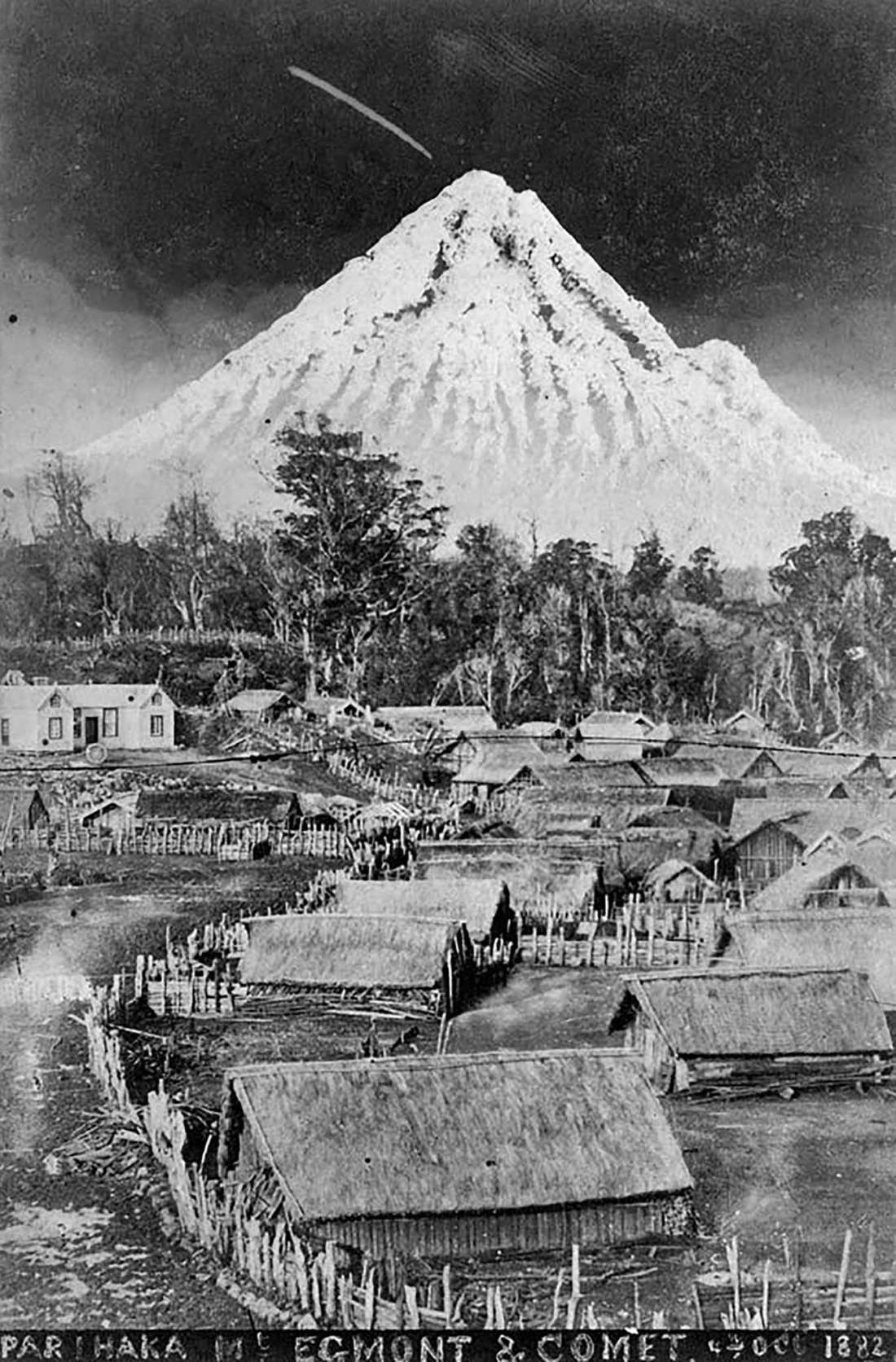
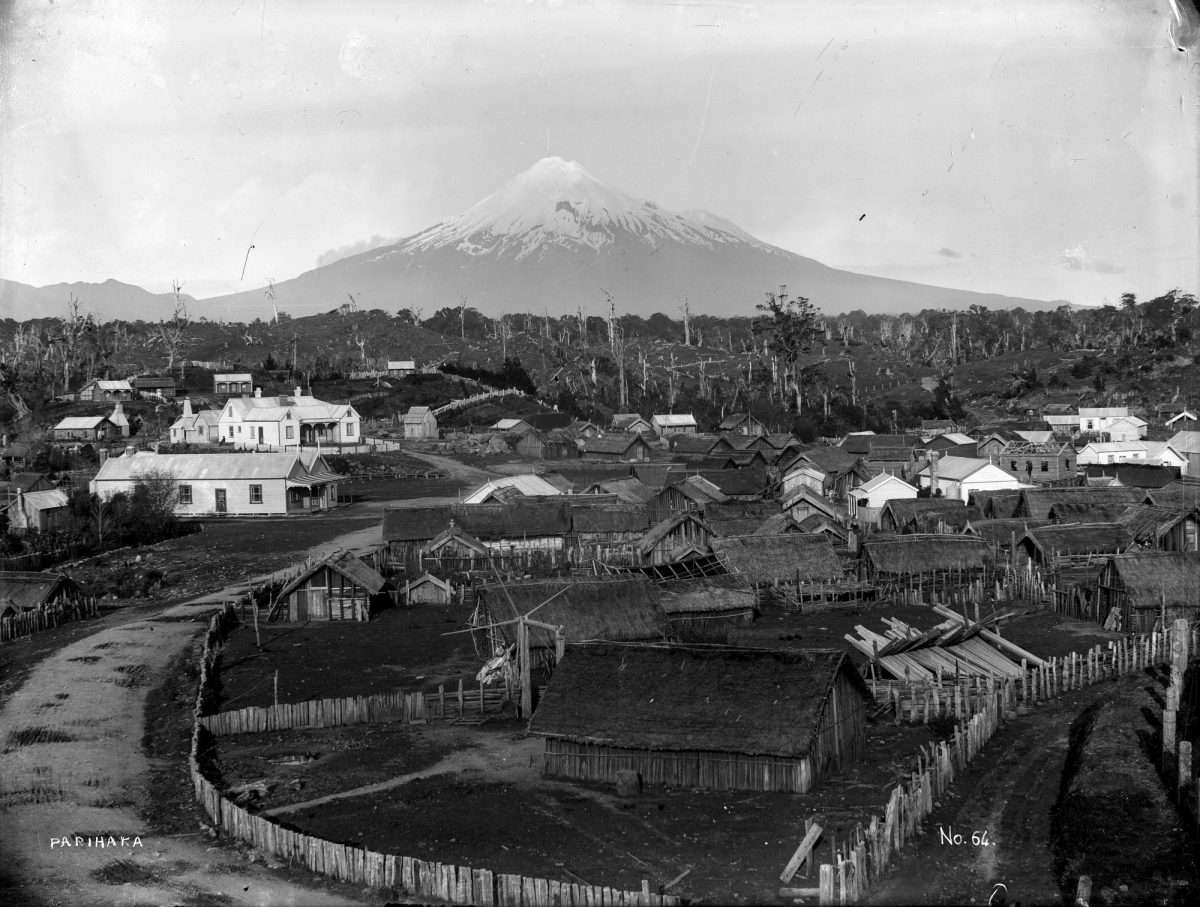
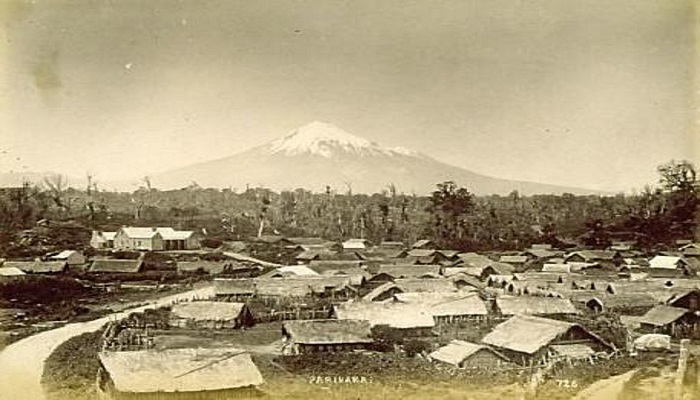
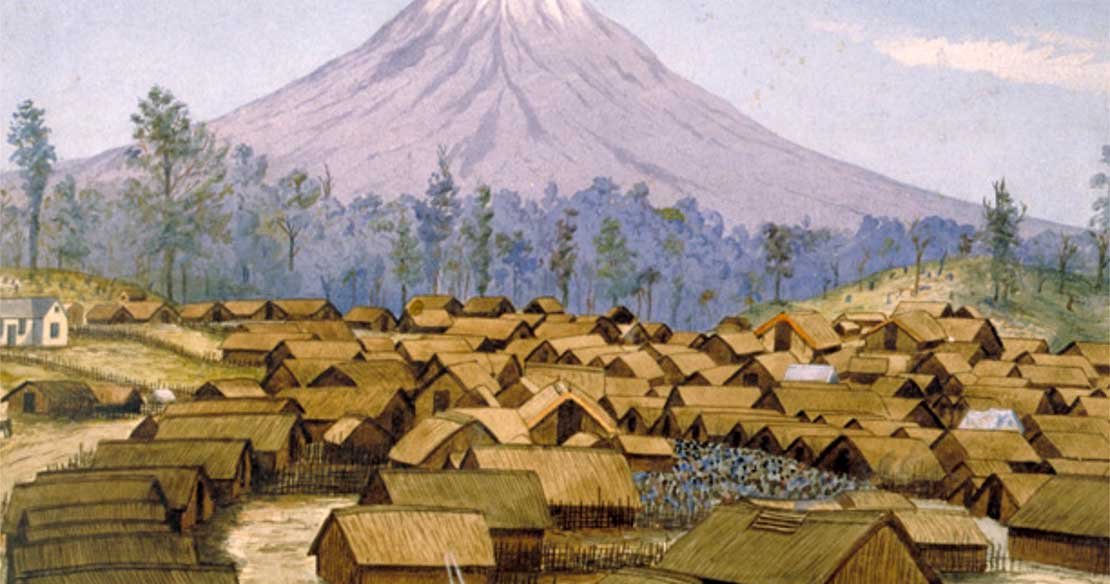
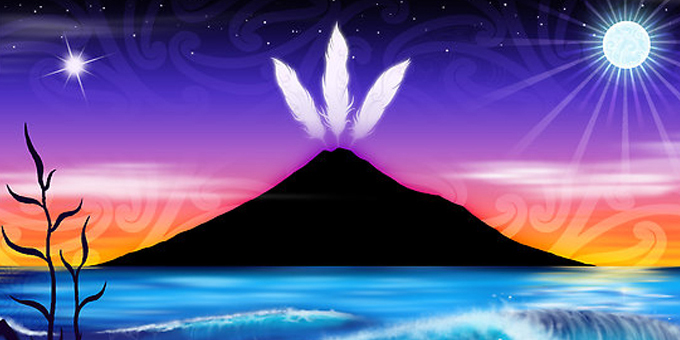
Parihaka was not a battlefield; it was a flourishing settlement dedicated to peace and autonomy. Established in the shadow of Mount Taranaki, it became a sanctuary for Māori displaced by the devastating Taranaki land wars of the 1860s.
At its peak, thousands lived there, cultivating land and practicing a unique form of peaceful resistance against the relentless confiscation of their territory by the Crown. This peaceful stance made Parihaka a beacon of hope, but also a direct threat to colonial power.
The refusal of the Parihaka people to relinquish their ancestral lands led to escalating tensions. They responded to survey teams and settler encroachments not with violence, but with symbolic acts of non-cooperation, such as ploughing up seized land and building fences across roads.
The Leaders: Te Whiti and Tohu
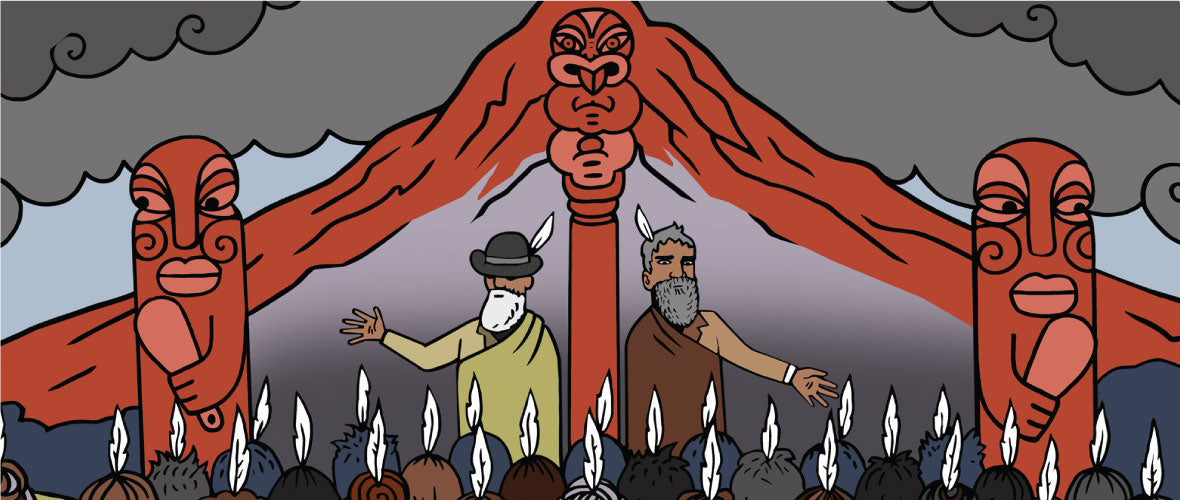
The strength of Parihaka lay entirely in the spiritual and philosophical guidance of its two central prophets: Te Whiti o Rongomai and Tohu Kākahi. These men preached absolute adherence to passive resistance, a strategy remarkably similar to those later employed by Gandhi and Martin Luther King Jr.
They instilled in their followers a deep commitment to maintaining peace, even in the face of extreme provocation. This discipline was legendary; when the Crown imprisoned the ploughmen, new groups immediately stepped forward to take their place.
Te Whiti and Tohu's vision was about preserving Māori identity and sovereignty through spiritual strength, rejecting the physical warfare that had decimated other iwi. Their teachings continue to resonate, underpinning modern Māori approaches to self-determination and justice.
The Invasion and Its Aftermath
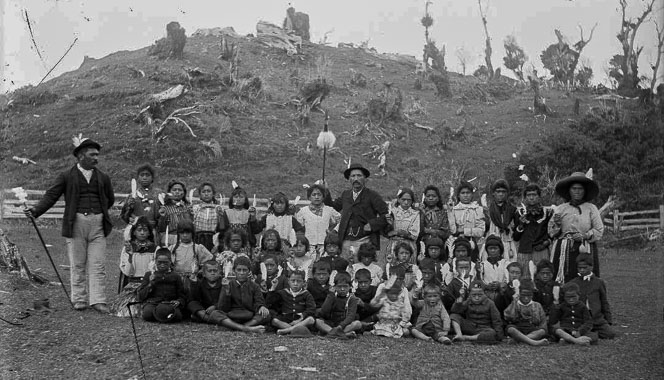
On November 5, 1881, the Crown ended this non-violent resistance decisively. A force of 1,500 armed constabulary marched upon Parihaka. Their entrance was met not by warriors, but by hundreds of children singing peace songs and offering food.
Despite this display of unarmed resistance, the invasion proceeded brutally. Te Whiti and Tohu were immediately arrested and held without trial for over two years. The remaining inhabitants were forcibly dispersed, their homes looted and destroyed, and crops ruined.
This systematic destruction was designed to erase the very memory of Parihaka as a political entity. The aftermath included widespread land confiscation and the internal exile of hundreds of men who were forced into hard labour, often in harsh conditions far from home.
The Lingering Trauma: 145 Years of Pain
The pain inflicted in 1881 didn't disappear with the return of the exiled Parihaka residents. Instead, the trauma became generational, deeply affecting the economic and social stability of Taranaki Māori for over a century. This intergenerational suffering is the core of the "145 years of pain – how the Parihaka story shapes Taranaki today" narrative.
The destruction disrupted traditional social structures and economic stability. Families struggled to recover their lands, which were now being rapidly settled by incoming European farmers. The cultural loss, particularly the removal of essential community leaders, was catastrophic.
Furthermore, the official silence surrounding the event compounded the suffering. For decades, the true nature of the Parihaka invasion was minimized or ignored in official histories, leaving descendants to carry the burden of an unrecognized historical crime.
Land Confiscation and Economic Impact
Perhaps the most tangible legacy of Parihaka is the massive and ongoing issue of land ownership. Following the invasion, the Crown enacted legislation to seize vast tracts of Taranaki land, ostensibly to cover the costs of the Taranaki Wars.
This effectively rendered the majority of Taranaki Māori landless. The economic impact was immediate and crippling. Deprived of the primary source of livelihood, Māori communities were relegated to the margins of the colonial economy.
Even today, addressing historical land injustices remains central to regional politics and tribal claims. The legacy of confiscation is visible in socioeconomic disparities across the region.
Modern Reconciliation Efforts
In recent years, significant steps have been taken towards reconciliation, acknowledging the profound and ongoing harm caused by the invasion. This shift marks a recognition that healing cannot begin without formal apology and redress.
The settlement process under the Waitangi Tribunal has provided a pathway for iwi to achieve legal and financial redress. However, these steps are recognized as initial measures rather than complete closure.
One pivotal moment occurred in 2017 when the Crown formally apologized to the people of Parihaka, presenting a formal document called Te Kawenata o Rongo (The Covenant of Peace). This apology aimed to repair the broken covenant between the Crown and the Parihaka community.
The reconciliation process highlights several ongoing areas of collaboration:
- Financial and Commercial Redress: Compensation for confiscated resources.
- Cultural Recognition: Support for cultural preservation and language revitalization.
- Joint Management: Shared decision-making over certain ancestral sites and natural resources.
- Historical Education: Ensuring the Parihaka story is taught accurately in schools nationwide.
Shaping Modern Taranaki Today
You cannot talk about Taranaki without acknowledging Parihaka. The history of this tiny community defines the region's identity, its politics, and its commitment to social justice. The principles of Te Whiti and Tohu—non-violence and resilience—have become foundational values for the entire region.
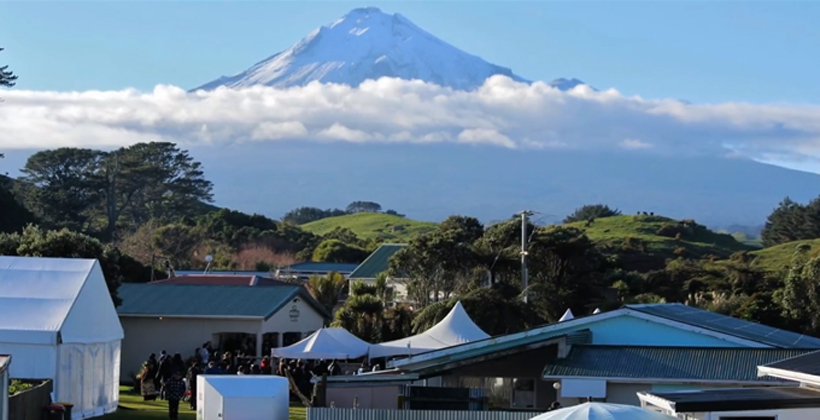
The annual commemoration events at Parihaka attract thousands, drawing people from all over the world who wish to honour the resistance fighters and learn from their peaceful example. This memorialization transforms a painful historical date into a continuous act of remembrance and learning.
Furthermore, the impact is felt directly in regional governance. Local councils and major Taranaki institutions increasingly prioritize partnerships with iwi and Māori organizations, seeking to integrate Māori worldviews into modern decision-making.
The enduring presence of the Parihaka legacy dictates that Taranaki's future must be built on honesty and mutual respect. This powerful story ensures that the quest for true reconciliation remains paramount.
The Parihaka story shapes Taranaki today in several critical ways:
- It drives regional dialogues on land ownership and environmental management.
- It fosters a strong regional identity rooted in resilience and non-violent activism.
- It necessitates ongoing government accountability through the Waitangi Tribunal process.
- It promotes Taranaki as a centre for peace studies and historical reflection.
Conclusion: The Enduring Power of Peace
The significance of "145 years of pain – how the Parihaka story shapes Taranaki today" cannot be overstated. The brutal invasion of 1881 attempted to silence a peaceful movement, yet in doing so, created a story of unparalleled moral strength that echoes across generations.
Today, Taranaki strives to move forward, guided by the profound principles of Te Whiti and Tohu. The pain is real, and the road to full reconciliation is long. However, the commitment to acknowledging this history—from the invasion to the forced dispersals—ensures that the legacy of Parihaka is one of enduring hope and commitment to peace, not just tragedy.
This chapter of New Zealand history reminds us that even after 145 years, historical truth must be faced head-on to build a truly equitable future for Taranaki and the nation as a whole.
FAQ: Understanding the Parihaka Legacy
- What happened at Parihaka on November 5, 1881?
- On November 5, 1881, a force of 1,500 armed constabulary invaded the peaceful Māori settlement of Parihaka. They arrested the leaders, Te Whiti o Rongomai and Tohu Kākahi, dispersed the inhabitants, and systematically destroyed the village in response to the community's passive resistance against land confiscation.
- Who were Te Whiti o Rongomai and Tohu Kākahi?
- They were the two spiritual prophets and leaders of the Parihaka settlement. They advocated for and successfully led a community based on absolute passive resistance (non-violence) against the colonial government's seizure of Taranaki lands, influencing later global peace movements.
- How does the Parihaka story relate to the phrase "145 years of pain – how the Parihaka story shapes Taranaki today?"
- The phrase refers to the century-and-a-half of socio-economic and cultural damage caused by the invasion and subsequent land confiscations. This history of pain actively shapes Taranaki today by driving ongoing land claims, reconciliation efforts, and regional identity rooted in resilience and justice.
- Has the New Zealand Government formally apologized for the Parihaka invasion?
- Yes, the Crown formally apologized to the people of Parihaka in 2017 as part of the reconciliation process, presenting a document known as Te Kawenata o Rongo (The Covenant of Peace). This apology acknowledged the injustice, trauma, and devastating consequences of the invasion.
- What is the key takeaway from the Parihaka resistance?
- The key takeaway is the enduring power and moral authority of non-violent resistance in the face of overwhelming military force. Parihaka demonstrated that spiritual and moral strength could be a potent form of resistance, leaving a profound legacy for peace movements globally.
145 years of pain – how the Parihaka story shapes Taranaki today
145 years of pain – how the Parihaka story shapes Taranaki today Wallpapers
Collection of 145 years of pain – how the parihaka story shapes taranaki today wallpapers for your desktop and mobile devices.
Spectacular 145 Years Of Pain – How The Parihaka Story Shapes Taranaki Today Image Nature
Immerse yourself in the stunning details of this beautiful 145 years of pain – how the parihaka story shapes taranaki today wallpaper, designed for a captivating visual experience.

High-Quality 145 Years Of Pain – How The Parihaka Story Shapes Taranaki Today Moment Nature
Experience the crisp clarity of this stunning 145 years of pain – how the parihaka story shapes taranaki today image, available in high resolution for all your screens.

High-Quality 145 Years Of Pain – How The Parihaka Story Shapes Taranaki Today Wallpaper Illustration
Discover an amazing 145 years of pain – how the parihaka story shapes taranaki today background image, ideal for personalizing your devices with vibrant colors and intricate designs.
Vibrant 145 Years Of Pain – How The Parihaka Story Shapes Taranaki Today Picture for Desktop
Transform your screen with this vivid 145 years of pain – how the parihaka story shapes taranaki today artwork, a true masterpiece of digital design.
Beautiful 145 Years Of Pain – How The Parihaka Story Shapes Taranaki Today Moment Concept
Explore this high-quality 145 years of pain – how the parihaka story shapes taranaki today image, perfect for enhancing your desktop or mobile wallpaper.

Captivating 145 Years Of Pain – How The Parihaka Story Shapes Taranaki Today Photo Nature
Find inspiration with this unique 145 years of pain – how the parihaka story shapes taranaki today illustration, crafted to provide a fresh look for your background.
Exquisite 145 Years Of Pain – How The Parihaka Story Shapes Taranaki Today Photo Art
This gorgeous 145 years of pain – how the parihaka story shapes taranaki today photo offers a breathtaking view, making it a perfect choice for your next wallpaper.

Captivating 145 Years Of Pain – How The Parihaka Story Shapes Taranaki Today View for Desktop
Immerse yourself in the stunning details of this beautiful 145 years of pain – how the parihaka story shapes taranaki today wallpaper, designed for a captivating visual experience.
Exquisite 145 Years Of Pain – How The Parihaka Story Shapes Taranaki Today Artwork in HD
This gorgeous 145 years of pain – how the parihaka story shapes taranaki today photo offers a breathtaking view, making it a perfect choice for your next wallpaper.
Detailed 145 Years Of Pain – How The Parihaka Story Shapes Taranaki Today Image in HD
Discover an amazing 145 years of pain – how the parihaka story shapes taranaki today background image, ideal for personalizing your devices with vibrant colors and intricate designs.
Stunning 145 Years Of Pain – How The Parihaka Story Shapes Taranaki Today Background for Your Screen
This gorgeous 145 years of pain – how the parihaka story shapes taranaki today photo offers a breathtaking view, making it a perfect choice for your next wallpaper.
Lush 145 Years Of Pain – How The Parihaka Story Shapes Taranaki Today Artwork Collection
A captivating 145 years of pain – how the parihaka story shapes taranaki today scene that brings tranquility and beauty to any device.
Lush 145 Years Of Pain – How The Parihaka Story Shapes Taranaki Today Photo Digital Art
Find inspiration with this unique 145 years of pain – how the parihaka story shapes taranaki today illustration, crafted to provide a fresh look for your background.

Spectacular 145 Years Of Pain – How The Parihaka Story Shapes Taranaki Today Abstract Art
A captivating 145 years of pain – how the parihaka story shapes taranaki today scene that brings tranquility and beauty to any device.

Mesmerizing 145 Years Of Pain – How The Parihaka Story Shapes Taranaki Today Wallpaper in 4K
Explore this high-quality 145 years of pain – how the parihaka story shapes taranaki today image, perfect for enhancing your desktop or mobile wallpaper.

Lush 145 Years Of Pain – How The Parihaka Story Shapes Taranaki Today Background for Your Screen
A captivating 145 years of pain – how the parihaka story shapes taranaki today scene that brings tranquility and beauty to any device.

Stunning 145 Years Of Pain – How The Parihaka Story Shapes Taranaki Today Moment Photography
Find inspiration with this unique 145 years of pain – how the parihaka story shapes taranaki today illustration, crafted to provide a fresh look for your background.
Crisp 145 Years Of Pain – How The Parihaka Story Shapes Taranaki Today Scene Illustration
Find inspiration with this unique 145 years of pain – how the parihaka story shapes taranaki today illustration, crafted to provide a fresh look for your background.

High-Quality 145 Years Of Pain – How The Parihaka Story Shapes Taranaki Today View for Your Screen
Explore this high-quality 145 years of pain – how the parihaka story shapes taranaki today image, perfect for enhancing your desktop or mobile wallpaper.
Vivid 145 Years Of Pain – How The Parihaka Story Shapes Taranaki Today Background Photography
Experience the crisp clarity of this stunning 145 years of pain – how the parihaka story shapes taranaki today image, available in high resolution for all your screens.
Download these 145 years of pain – how the parihaka story shapes taranaki today wallpapers for free and use them on your desktop or mobile devices.