Coat Spray Paint
The Ultimate DIY Guide to Coat Spray Paint Success
Hey there, DIY enthusiast! Are you looking to breathe new life into an old piece of furniture, bicycle, or even give your car trim a quick refresh? If so, you've definitely come across the magical solution known as Coat Spray Paint. It's accessible, fast, and when applied correctly, it can deliver a professional-looking finish that belies its simplicity.
Many people assume that spray painting is just about shaking the can and pressing the nozzle, but achieving that smooth, factory-like finish requires a little technique and a lot of preparation. This comprehensive guide will walk you through everything you need to know, transforming you from a hesitant beginner into a confident spray paint master. Let's dive into the world of amazing finishes delivered by a simple can of Coat Spray Paint.
Why Choose Coat Spray Paint for Your Next Project?
There are countless painting methods out there, so why is using a spray can often the best choice for small to medium projects? The appeal of Coat Spray Paint lies in its versatility and the quality of finish it provides, especially on complex shapes that rollers and brushes struggle to cover evenly.
For example, if you are working on something with intricate details, like wrought iron patio furniture or engine components, spray paint ensures that every nook and cranny is coated uniformly. This eliminates brush strokes and ensures a very smooth, consistent texture across the entire surface.
The Cost-Effectiveness Factor
Compared to buying quarts of paint, thinner, multiple brushes, and roller trays, a few cans of high-quality spray paint are significantly cheaper. This makes it the ideal solution for hobbyists or those operating on a tighter budget. You can achieve fantastic results without needing to invest in professional spray guns or compressors.
Speed and Accessibility
Most aerosol paint cans are ready to use right off the shelf, requiring no mixing or thinning. This drastically cuts down on setup and cleanup time. Furthermore, many modern spray formulas are designed to dry quickly, meaning you can often apply multiple coats in a single afternoon.
Preparation is Key: The Golden Rule of Spray Painting
Ask any seasoned painter, and they will tell you that 80% of a successful finish is due to preparation. If your surface isn't clean and properly keyed, even the most expensive Coat Spray Paint will fail, resulting in peeling or bubbling.
Ignoring this step is the most common mistake DIYers make. Remember, the paint only adheres as well as the surface underneath it allows. Therefore, taking your time with prep work ensures longevity and a superior aesthetic result.
Surface Cleaning and Degreasing
Before sanding, the surface must be free of grease, oil, dust, and wax. These contaminants prevent proper adhesion. For metal or plastic surfaces, use a dedicated degreaser or wax and grease remover. For wood, a simple wipe down with mineral spirits usually suffices after dusting.
Sanding and Priming Essentials
Sanding is crucial for two reasons: smoothing out imperfections and creating 'tooth' for the paint to grip. Start with a coarser grit (like 120 or 180) to smooth down major flaws, and finish with a finer grit (320 or 400) for a ready-to-paint surface. Always wipe down meticulously after sanding to remove all dust.
Priming provides a uniform base color and enhances the adhesion of the final coat. Select a primer specific to your material (plastic, metal, wood). A general rule of thumb is:
- Use a plastic-specific primer when painting plastics.
- Use a rust-inhibiting primer for ferrous metals.
- Use a sanding or filling primer for surfaces with minor scratches.
Choosing the Right Coat Spray Paint for the Job
Not all spray paints are created equal. The type of paint you choose directly impacts the durability and final appearance of your project. Ensure you read the label carefully to match the paint formula to the material you are working with.
Automotive vs. Household Spray Paint
Household paints (like general craft or furniture sprays) are great for indoor items and quick decorative fixes. However, they lack the robust chemical and UV resistance required for outdoor or high-wear items.
Automotive Coat Spray Paint systems, conversely, are engineered for extreme durability. They are formulated to withstand fluctuating temperatures, UV rays, road debris, and regular washing. If you are painting anything exposed to the elements, always opt for an automotive-grade product.
Understanding the Clear Coat Layer
For a truly professional finish, especially with metallic or automotive colors, the clear coat is non-negotiable. The clear coat is a colorless protective layer that provides depth, gloss, and protection against the elements.
When selecting your clear coat, you typically choose between a 1K (one-component) or 2K (two-component) formula. While 1K clears are simpler and cheaper, 2K clears (which require mixing an activator just before use) offer vastly superior chemical and abrasion resistance, making them ideal for high-impact surfaces.
Mastering the Technique: Tips for a Flawless Finish
The application process itself is straightforward, but consistency is key. Always ensure you are painting in a well-ventilated area, and wear appropriate personal protective equipment (PPE), including a respirator and gloves.
Follow these steps for achieving that enviable, drip-free finish:
- Ensure Optimal Conditions: Paint when the humidity is low and the temperature is between 65°F and 85°F (18°C and 30°C). Extreme heat or cold can affect drying time and adhesion.
- Shake Well: Shake the can vigorously for at least one minute after you hear the mixing ball rattling. This ensures the pigments are fully suspended.
- Test Spray: Always perform a test spray on cardboard to check the spray pattern and ensure the can is dispensing smoothly.
- Maintain Distance: Hold the can 8 to 12 inches away from the surface. Holding it too close causes drips; holding it too far away causes a dusty, rough finish.
- Use Thin Coats: Apply multiple light coats rather than one heavy one. Heavy coats lead to runs and drips. Your first coat should look semi-transparent.
- Keep Moving: Use smooth, consistent, sweeping motions. Start spraying just before you hit the object and stop spraying just after you leave the edge. Keep the can perpendicular to the surface at all times.
- Observe Flash Time: Allow the recommended flash time (usually 5–15 minutes) between coats. This allows solvents to evaporate before the next layer is applied.
- Apply Clear Coat (if needed): Apply the clear coat within the recommended timeframe after the final base coat, usually within an hour, or wait for the full cure time before sanding and applying clear coat later.
By following these steps, you minimize the risk of orange peel or paint sagging, maximizing the potential of your chosen Coat Spray Paint.
Conclusion
Utilizing high-quality Coat Spray Paint is a fantastic, accessible way to tackle everything from minor repairs to full restoration projects. Success hinges on a simple formula: diligent preparation combined with patient, thin application coats. Remember that the time you spend cleaning, sanding, and priming will pay dividends in the durability and mirror-like finish of your final product.
Don't be afraid to experiment! With practice, you'll find that achieving a professional spray paint finish is well within the reach of any dedicated DIYer. Go forth and spray confidently!
Frequently Asked Questions (FAQ) about Coat Spray Paint
- What causes spray paint to wrinkle or bubble?
- Wrinkling or bubbling usually occurs when the paint is applied too thickly in one pass, trapping solvents underneath, or when incompatible paints (like lacquer over enamel) are used together. Always stick to thin coats and follow recommended recoat times.
- Do I need to sand between coats of Coat Spray Paint?
- For most standard projects, if you apply the next coat within the manufacturer's suggested window (often 1-2 hours), sanding is not required. However, if the surface feels rough or if you wait until the paint is fully cured (24+ hours), a light sanding with 600-800 grit sandpaper is necessary to promote adhesion.
- How far away should I hold the can?
- A distance of 8 to 12 inches (20 to 30 cm) is generally the sweet spot. Holding it too close risks runs, while holding it too far results in overspray and a dry, textured finish.
- Can I use standard Coat Spray Paint on plastic?
- Yes, but you absolutely must use a dedicated plastic adhesion promoter (primer) first. Standard paint won't bond effectively to the slick surface of most plastics without this key step, leading to chipping.
Coat Spray Paint
Coat Spray Paint Wallpapers
Collection of coat spray paint wallpapers for your desktop and mobile devices.

Crisp Coat Spray Paint Abstract Concept
Find inspiration with this unique coat spray paint illustration, crafted to provide a fresh look for your background.
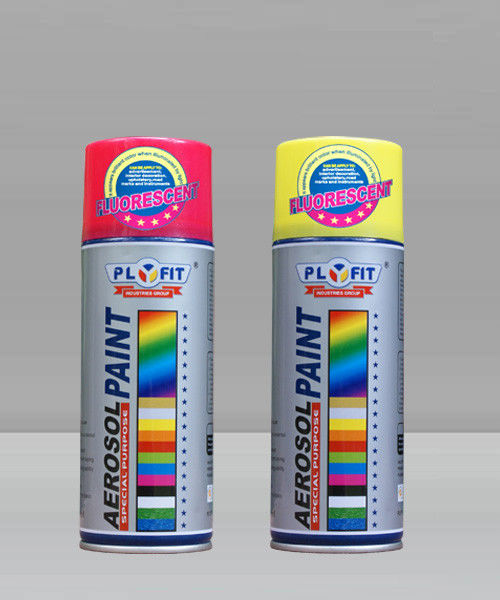
Vibrant Coat Spray Paint Photo in HD
Transform your screen with this vivid coat spray paint artwork, a true masterpiece of digital design.
Captivating Coat Spray Paint Image for Your Screen
A captivating coat spray paint scene that brings tranquility and beauty to any device.
Dynamic Coat Spray Paint Abstract Photography
Find inspiration with this unique coat spray paint illustration, crafted to provide a fresh look for your background.

Stunning Coat Spray Paint Artwork in 4K
This gorgeous coat spray paint photo offers a breathtaking view, making it a perfect choice for your next wallpaper.

Vivid Coat Spray Paint Photo Photography
Experience the crisp clarity of this stunning coat spray paint image, available in high resolution for all your screens.

Vibrant Coat Spray Paint Picture Collection
Experience the crisp clarity of this stunning coat spray paint image, available in high resolution for all your screens.

Detailed Coat Spray Paint Moment Digital Art
Explore this high-quality coat spray paint image, perfect for enhancing your desktop or mobile wallpaper.

Exquisite Coat Spray Paint Design Art
This gorgeous coat spray paint photo offers a breathtaking view, making it a perfect choice for your next wallpaper.

Exquisite Coat Spray Paint View Illustration
A captivating coat spray paint scene that brings tranquility and beauty to any device.

Vibrant Coat Spray Paint Picture for Your Screen
Discover an amazing coat spray paint background image, ideal for personalizing your devices with vibrant colors and intricate designs.

Beautiful Coat Spray Paint Abstract Illustration
Explore this high-quality coat spray paint image, perfect for enhancing your desktop or mobile wallpaper.

Lush Coat Spray Paint Picture Collection
A captivating coat spray paint scene that brings tranquility and beauty to any device.

Spectacular Coat Spray Paint Photo Illustration
Find inspiration with this unique coat spray paint illustration, crafted to provide a fresh look for your background.
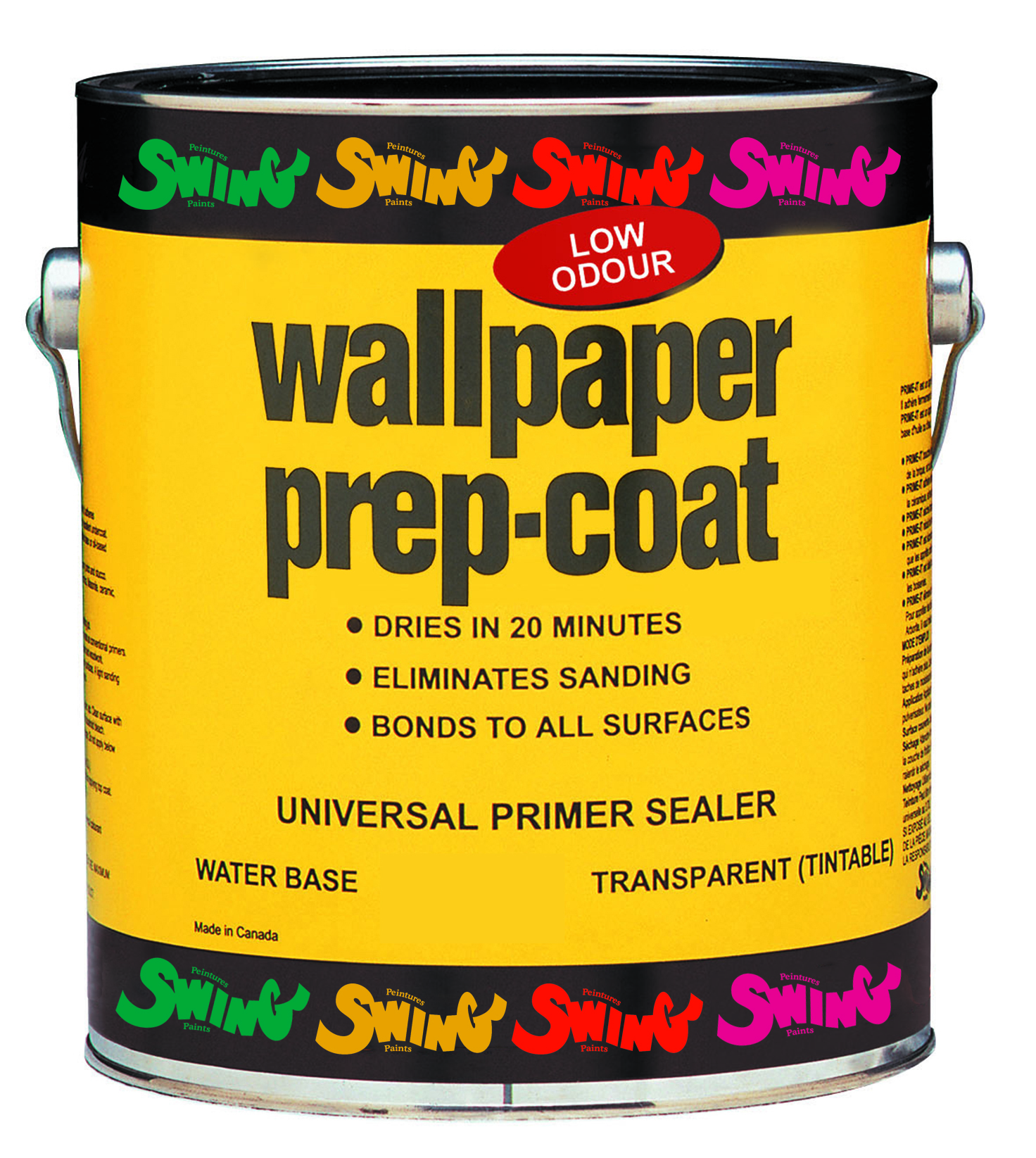
Gorgeous Coat Spray Paint Picture in 4K
Find inspiration with this unique coat spray paint illustration, crafted to provide a fresh look for your background.
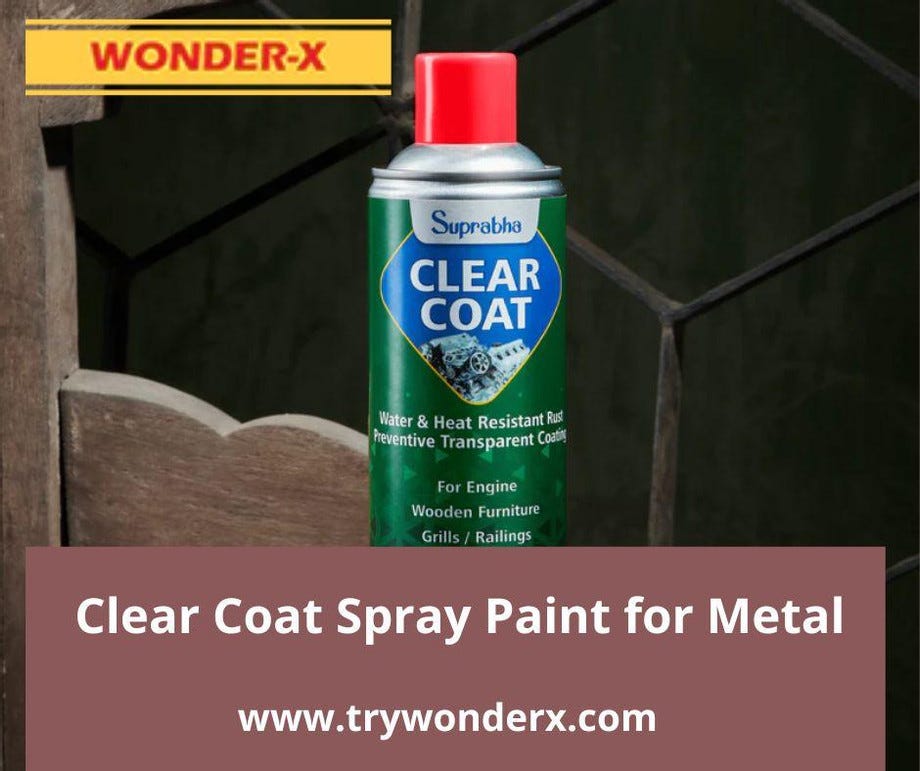
Vivid Coat Spray Paint Picture Art
Experience the crisp clarity of this stunning coat spray paint image, available in high resolution for all your screens.

Amazing Coat Spray Paint Moment Illustration
Experience the crisp clarity of this stunning coat spray paint image, available in high resolution for all your screens.

Serene Coat Spray Paint Scene for Mobile
Experience the crisp clarity of this stunning coat spray paint image, available in high resolution for all your screens.
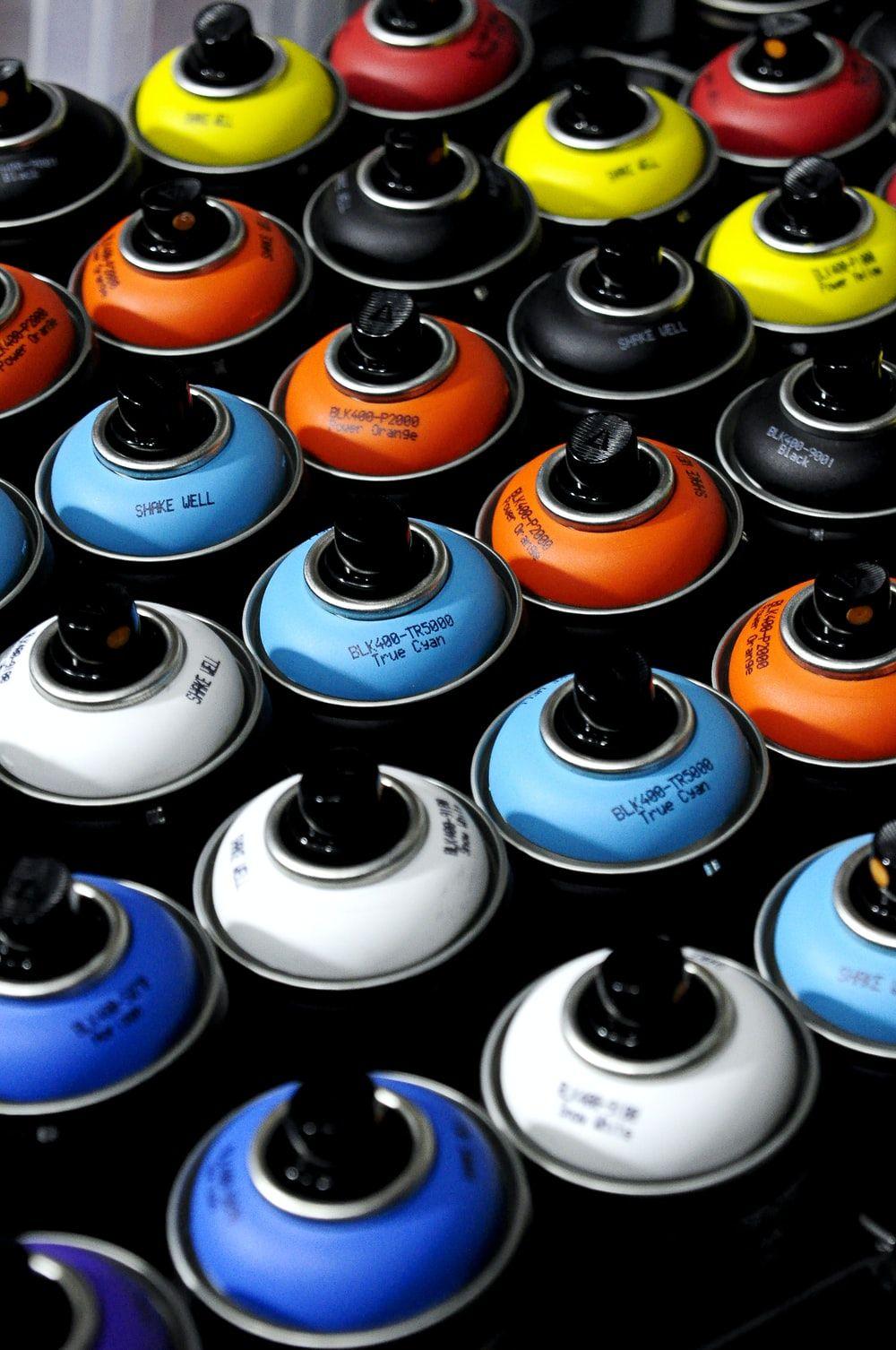
Serene Coat Spray Paint Scene Art
Discover an amazing coat spray paint background image, ideal for personalizing your devices with vibrant colors and intricate designs.
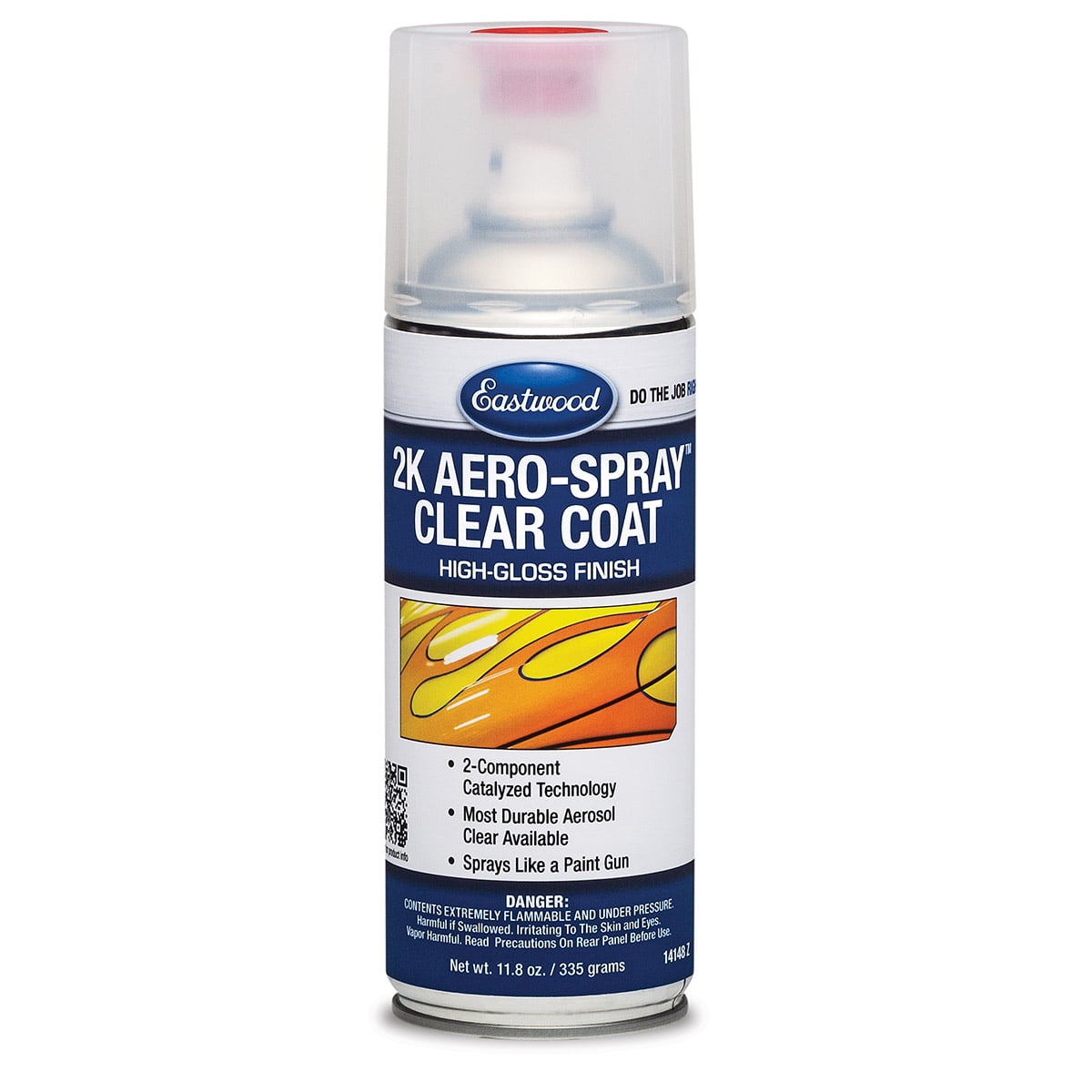
Crisp Coat Spray Paint Artwork Concept
A captivating coat spray paint scene that brings tranquility and beauty to any device.
Download these coat spray paint wallpapers for free and use them on your desktop or mobile devices.