Is It Hard To Paint A Room
Is It Hard To Paint A Room? The Honest DIYer's Guide
Let's get straight to the point: The thought of painting an entire room can feel overwhelming. You might be staring at those blank walls and wondering, truly, is it hard to paint a room? The short answer is no, it's not inherently difficult, but it does require patience and the right strategy.
Many people confuse "hard" with "tedious." Painting is mostly about preparation and logistics, not advanced skill. If you can hold a brush or a roller, you can successfully paint a room. We'll break down exactly what makes DIY painting successful, ensuring you get that crisp, professional finish without the frustration.
By understanding where the true effort lies—spoiler alert, it's not the painting itself—you can manage your expectations and budget your time wisely. Let's conquer those walls together!
The Truth About Painting: It's 90% Preparation
If you skip the prep work, painting becomes exponentially harder and the results look sloppy. Think of preparation as the foundation of your painting project. This stage is certainly time-consuming, but it dramatically reduces the chances of costly mistakes later on, such as drips, paint bleed, or peeling.
The biggest struggle people face when they ask, "Is it hard to paint a room?" usually comes from underestimating the power of thorough preparation. We're talking cleaning, patching, and taping—the unglamorous essentials that ensure paint adheres beautifully and evenly.
If you commit fully to the prep, the actual painting often feels quick and rewarding. This stage is where you earn your professional-looking results.
Essential Steps Before You Open the Paint Can
Proper surface prep is the difference between a paint job that looks amateur and one that looks like it was done by a professional. This checklist will guide you through the initial steps necessary for success.
Don't rush through this; dedicate a full afternoon or evening just to prep work.
- Clear the Room: Remove all wall fixtures, switch plates, outlet covers, and wall decor. Move furniture to the center and cover it completely with plastic sheeting or drop cloths.
- Clean the Walls: Use a mild detergent solution (like TSP substitute) and a damp sponge to wipe down the walls, especially in kitchens or bathrooms where grease or residue accumulates. Paint sticks poorly to dirty walls.
- Patch and Sand: Fill any holes, dents, or cracks with spackle or drywall compound. Once fully dry, sand them perfectly smooth. Uneven surfaces will show right through the paint, especially in bright light.
- Tape Everything: Use high-quality painter's tape along trim, baseboards, window frames, and the ceiling line (if you aren't painting the ceiling). Press the edges down firmly using a putty knife to prevent paint bleed-through.
- Prime Strategically: If you are changing colors drastically (light to dark or vice versa), or painting over glossy surfaces or repaired patches, use a quality primer. Primer saves you time and money by reducing the number of topcoats needed and ensuring true color application.
These initial steps might take longer than the actual painting, but trust us, they are critical to answering the question: Is it hard to paint a room successfully? Not if you follow these guidelines precisely!
The Act of Painting: Techniques to Master
Once the prep is done, the actual painting is quite rewarding. You finally get to see the color come alive! The key here is consistency and technique. You want to avoid drips, visible roller lines (lap marks), and areas where the coverage is uneven.
If you've never held a brush before, the "cutting in" around edges might feel a little tricky initially. However, with good quality angled brushes and a steady hand, you'll gain confidence quickly. Remember, gravity is your enemy, so keep your brush or roller from being overloaded.
Cutting In vs. Rolling: Getting Crisp Edges
Professionals always cut in first. This means painting the edges, corners, and areas next to the trim with a brush before using the roller on the main wall area. Doing this first ensures you have a neat border right up against the tape or ceiling.
When cutting in, dip only the bottom third of your brush into the paint. Tap off excess paint—never scrape the brush against the rim of the can—and draw a smooth, straight line. Work in small sections, always focusing on maintaining a crisp line.
Tips for Smooth Roller Application
The goal of rolling is to apply paint consistently and efficiently without leaving unsightly textures. Don't press too hard, as this squishes the paint to the edges of the roller, leaving ridges. Always maintain a wet edge to blend sections seamlessly.
- Load Properly: Soak the roller cover thoroughly in the tray, then roll off the excess on the ramp until it stops dripping.
- The "W" Technique: Start by rolling a large "W" on the wall, roughly 3 feet by 3 feet, then fill the area in with vertical strokes without lifting the roller. This technique ensures even paint distribution across the entire surface.
- Overlap: When moving to the next adjacent strip, slightly overlap the previous section by about half the roller width. This prevents visible lap marks once the paint dries.
- Two Coats Minimum: Almost every wall requires two full coats for deep, rich color and uniform coverage. Always wait for the manufacturer's recommended drying time between coats (usually 2-4 hours).
What Makes Painting Feel "Hard"? Common DIY Pitfalls
If you've heard horror stories about painting, they usually stem from common, easily avoidable mistakes. Many beginners try to rush the process or cut corners on materials, which inevitably leads to sloppy results and costly rework.
Understanding these pitfalls beforehand dramatically reduces the difficulty level. Remember, asking is it hard to paint a room is often less about physical difficulty and more about avoiding psychological frustration when things go wrong.
The Mistake of Choosing the Wrong Supplies
High-quality paint and tools are truly investments that pay dividends in reduced effort and better results. Cheap paint requires three or four coats for good coverage, meaning significantly more time and energy from you. Cheap brushes leave streaks and shed bristles behind.
Always opt for mid-range or premium supplies. This includes a quality angled brush for cutting in, a good roller frame that doesn't squeak, and roller covers designed for the texture of your wall and the type of paint you are using (e.g., microfibre for smooth interior walls).
Timing the Tape Removal for Perfect Lines
This is a critical point of success for beginners. If you wait until the paint is completely cured (which can take days), the paint film often bonds to the tape and tears when you pull it off, resulting in messy, jagged edges that require tedious touch-ups.
The trick is to remove the painter's tape when the paint is still slightly wet—or at least tacky. Pull the tape slowly at a sharp, 45-degree angle, peeling it away from the wall. This breaks the paint seal cleanly, leaving you with that satisfying, crisp line every single time.
When Does Painting a Room Become Truly Difficult?
While painting a standard bedroom or living room is a manageable weekend DIY project, the difficulty scale increases sharply under specific circumstances. For instance, high ceilings (over 10 feet) require scaffolding, specialized extension poles, and careful maneuvering, making the job physically demanding and riskier for the average homeowner.
Also, dealing with extensive surface damage, such as severe water stains, heavy texture knockdown, or major sections of peeling lead-based paint, demands complex preparation steps. These jobs require special scraping, sealing, or professional chemical stripping.
In these challenging cases, asking is it hard to paint a room might yield an answer closer to "yes," and hiring a licensed professional might be the safest and most efficient choice.
Conclusion: It's More Effort Than Expertise
Ultimately, the answer to the question, "Is it hard to paint a room?" is a resounding no, provided you respect the preparation phase and utilize quality materials. Painting requires patience and methodical effort, but not years of professional expertise.
The effort you put into cleaning, patching, and precise taping will directly translate into the quality of your finished walls. By investing time in proper technique and following the guidelines above, you can easily achieve beautiful, long-lasting results that will transform your space. Stop delaying that home project—grab your brush and start transforming your room today!
Frequently Asked Questions (FAQ)
- How long does it typically take to paint an average-sized room?
- For an average 10x12 room, expect the preparation (clearing, patching, taping) to take 4–6 hours. The actual application of two coats of paint will take another 4–8 hours, plus drying time in between. It is often a solid two-day weekend project if you work efficiently.
- What is the most difficult part of painting a room?
- Most DIY painters agree that the most challenging part is "cutting in"—using the brush to create a straight line where the wall meets the ceiling or trim. This requires a steady hand, but investing in a high-quality angled brush and using proper technique can drastically simplify this step.
- Do I really need two coats of paint?
- Yes, in almost all scenarios. Even premium paint rarely achieves true, deep color uniformity in a single coat. The first coat provides adhesion and a base color, while the second coat is essential for achieving the final, uniform color and depth, making the effort worthwhile.
- Should I paint the trim or the walls first?
- You should almost always paint the ceiling first, then the walls, and finally the trim and doors. This minimizes the need for precise taping around the walls, as any stray paint splatter on the trim or floor will be covered by the final coat.
Is It Hard To Paint A Room
Is It Hard To Paint A Room Wallpapers
Collection of is it hard to paint a room wallpapers for your desktop and mobile devices.

Spectacular Is It Hard To Paint A Room Moment Collection
This gorgeous is it hard to paint a room photo offers a breathtaking view, making it a perfect choice for your next wallpaper.

Serene Is It Hard To Paint A Room Image Digital Art
Explore this high-quality is it hard to paint a room image, perfect for enhancing your desktop or mobile wallpaper.
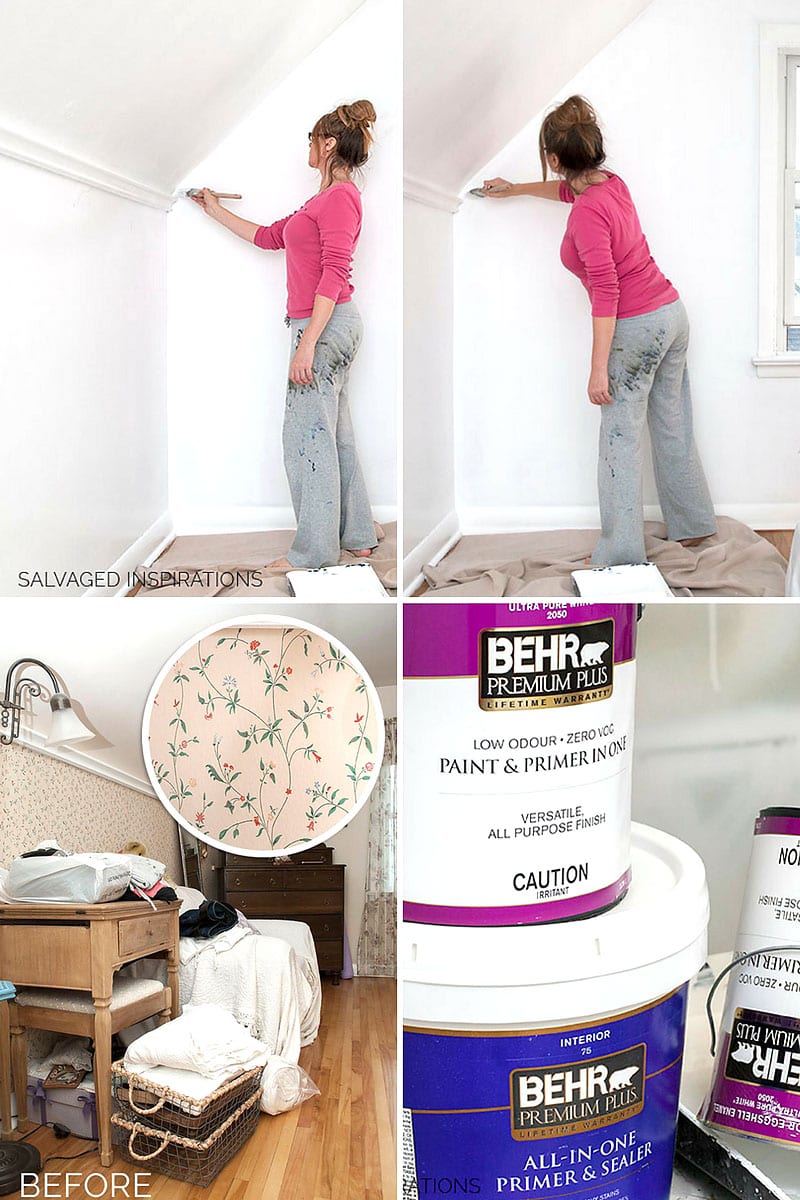
Lush Is It Hard To Paint A Room Artwork in 4K
Find inspiration with this unique is it hard to paint a room illustration, crafted to provide a fresh look for your background.
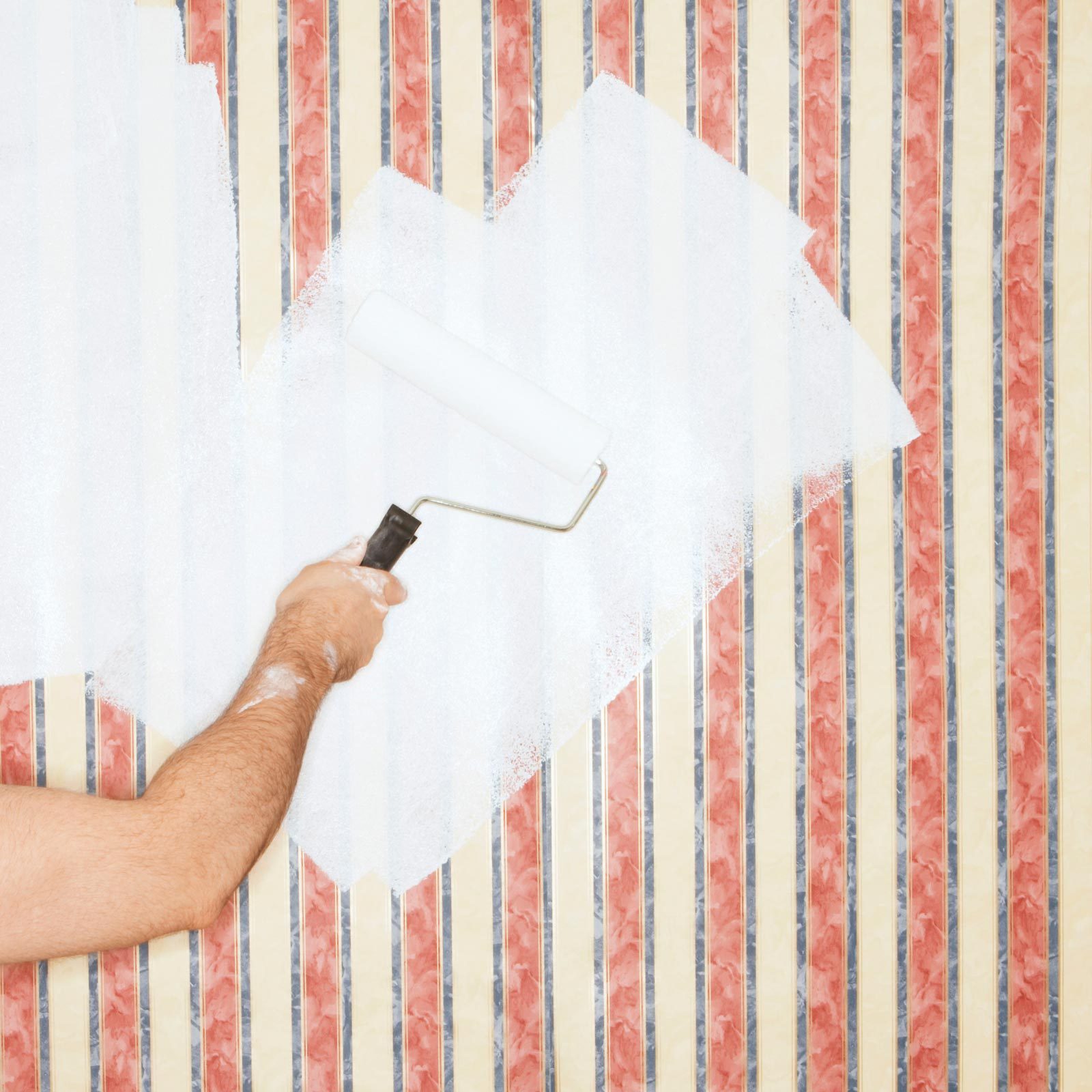
Beautiful Is It Hard To Paint A Room Scene Photography
Explore this high-quality is it hard to paint a room image, perfect for enhancing your desktop or mobile wallpaper.
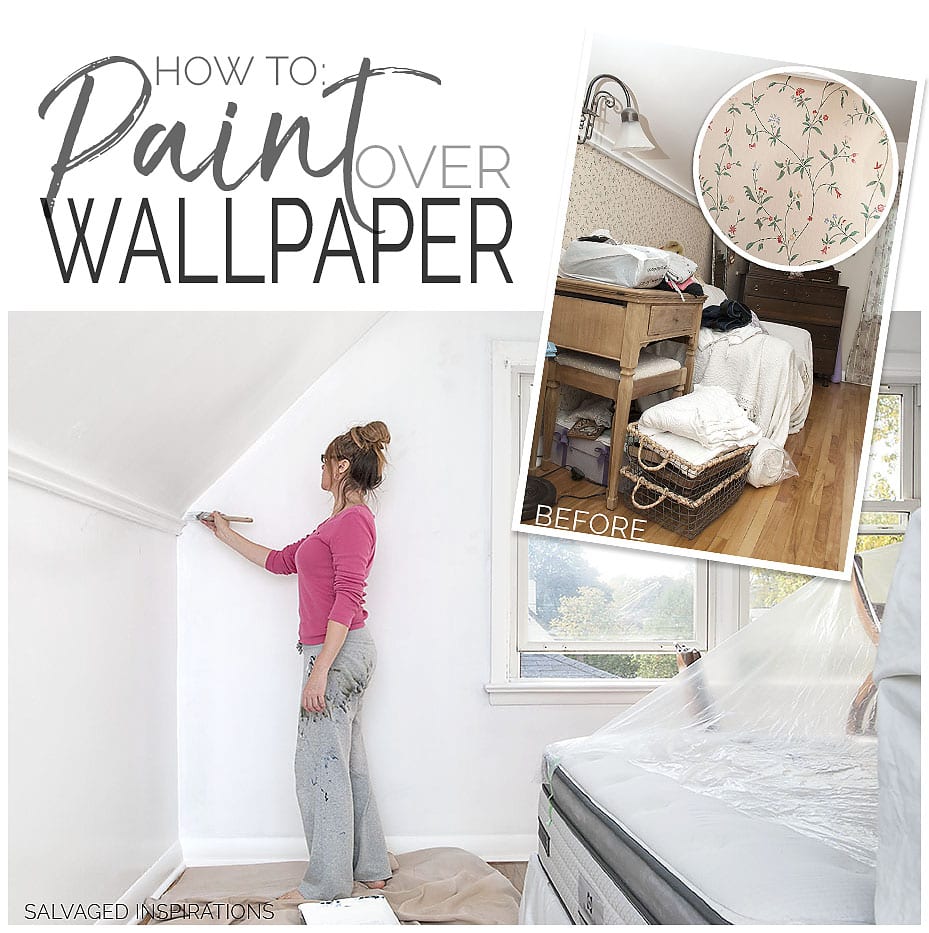
Breathtaking Is It Hard To Paint A Room Wallpaper Nature
Explore this high-quality is it hard to paint a room image, perfect for enhancing your desktop or mobile wallpaper.

Gorgeous Is It Hard To Paint A Room Landscape for Mobile
A captivating is it hard to paint a room scene that brings tranquility and beauty to any device.

Exquisite Is It Hard To Paint A Room View Digital Art
This gorgeous is it hard to paint a room photo offers a breathtaking view, making it a perfect choice for your next wallpaper.
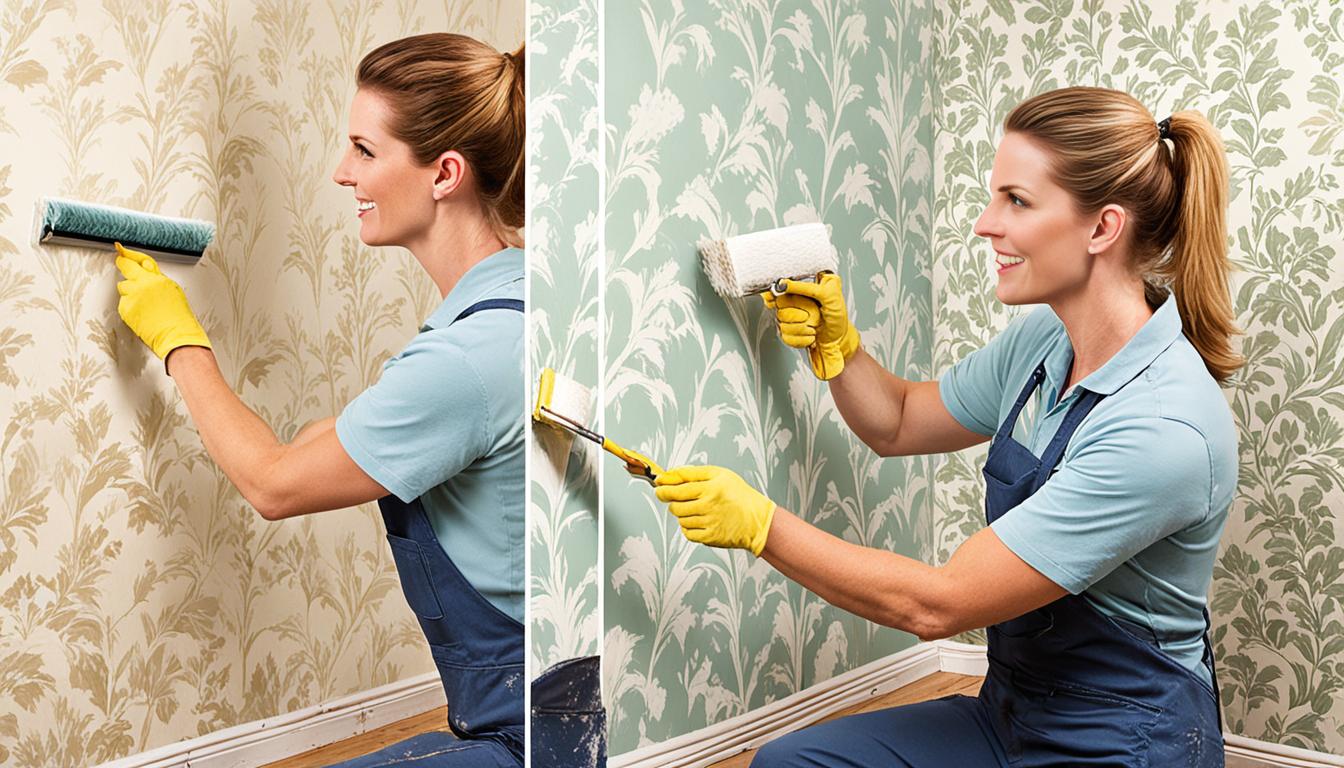
Detailed Is It Hard To Paint A Room Design in HD
Explore this high-quality is it hard to paint a room image, perfect for enhancing your desktop or mobile wallpaper.
:strip_icc()/Can-You-Paint-Over-Wallpaper-1331852257-066f01b6626c4b35bbc2cd68d7c30183.jpg "Breathtaking Is It Hard To Paint A Room Background Nature")
Breathtaking Is It Hard To Paint A Room Background Nature
Transform your screen with this vivid is it hard to paint a room artwork, a true masterpiece of digital design.
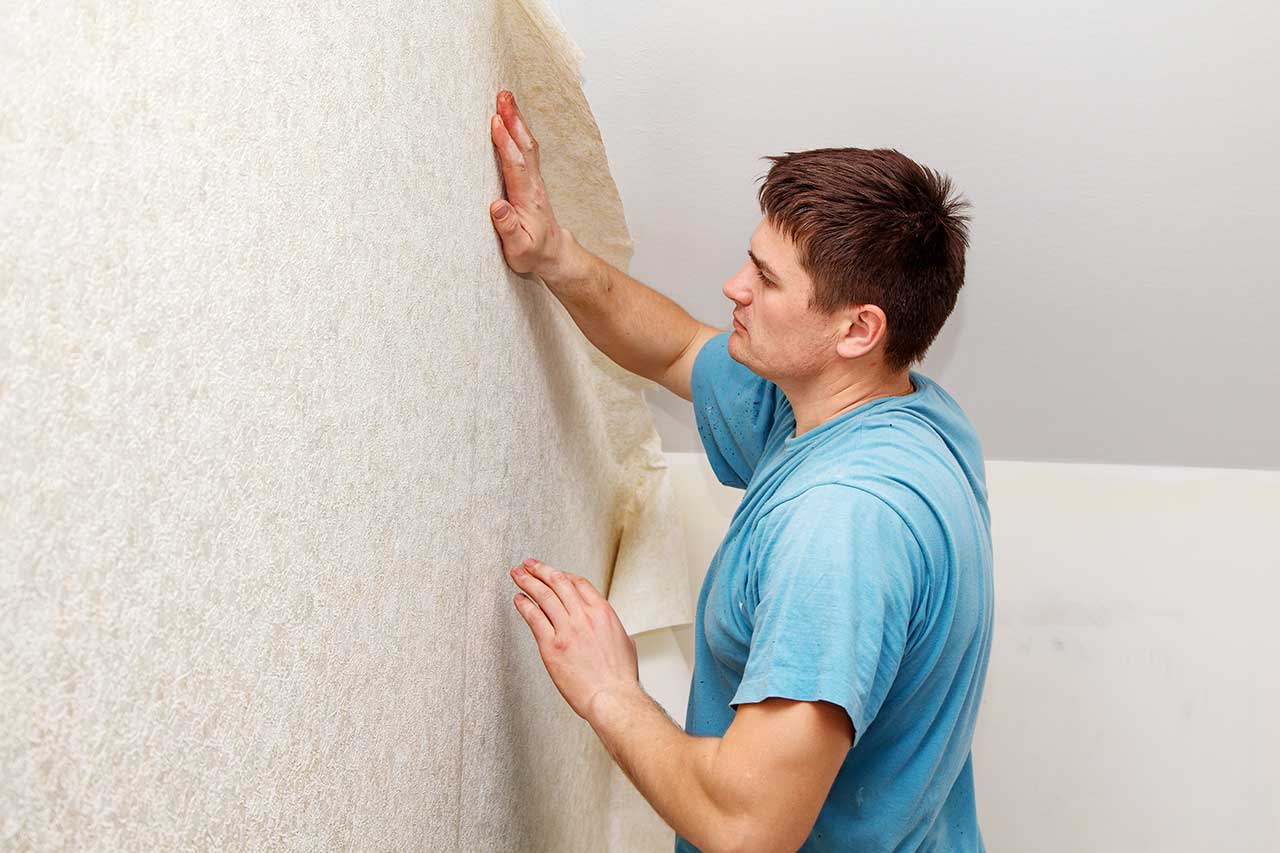
Crisp Is It Hard To Paint A Room Scene in HD
A captivating is it hard to paint a room scene that brings tranquility and beauty to any device.
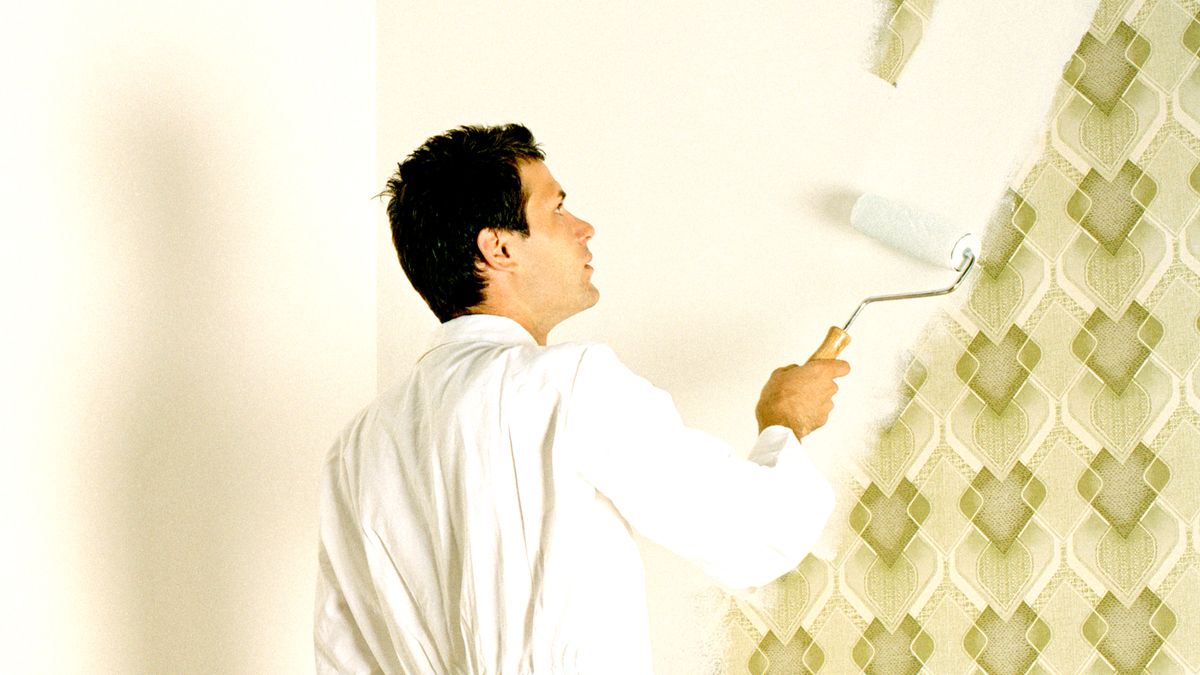
Crisp Is It Hard To Paint A Room Scene for Desktop
A captivating is it hard to paint a room scene that brings tranquility and beauty to any device.
Serene Is It Hard To Paint A Room Scene Illustration
Discover an amazing is it hard to paint a room background image, ideal for personalizing your devices with vibrant colors and intricate designs.
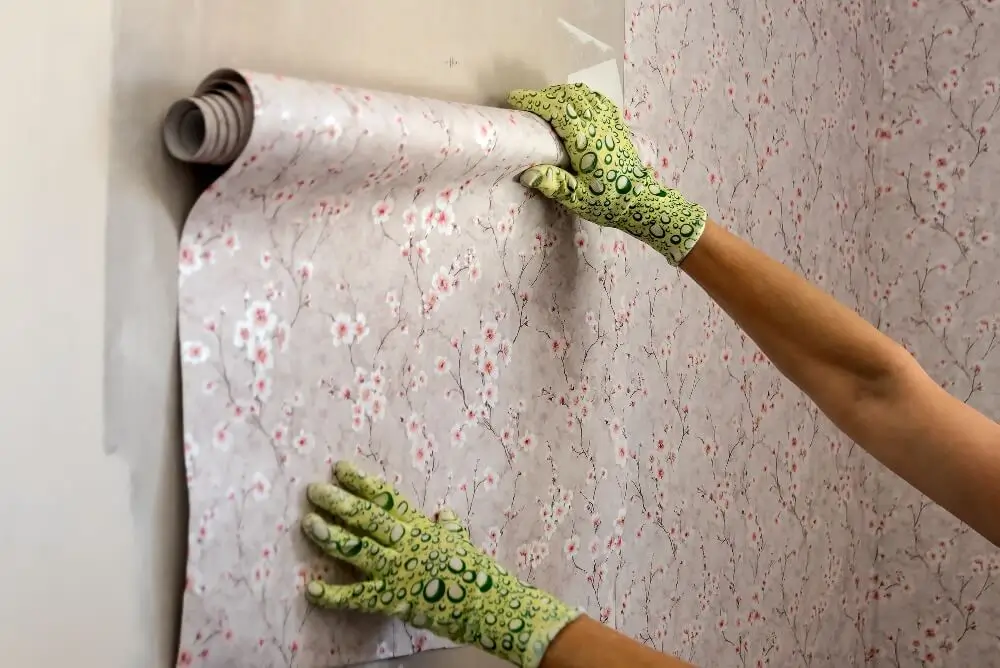
Crisp Is It Hard To Paint A Room Artwork for Your Screen
This gorgeous is it hard to paint a room photo offers a breathtaking view, making it a perfect choice for your next wallpaper.
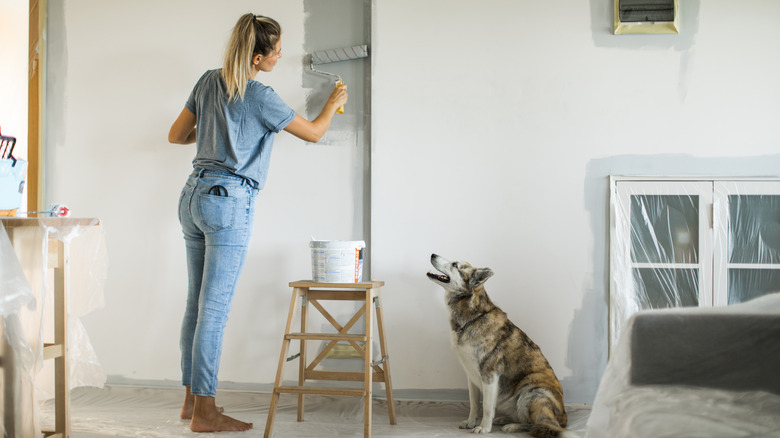
Stunning Is It Hard To Paint A Room Abstract for Your Screen
This gorgeous is it hard to paint a room photo offers a breathtaking view, making it a perfect choice for your next wallpaper.
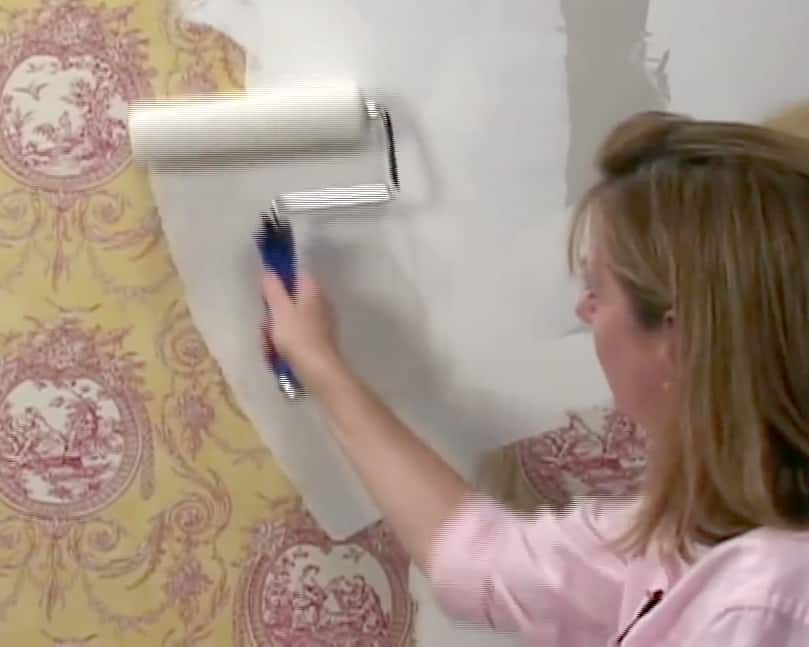
Amazing Is It Hard To Paint A Room Scene Photography
Experience the crisp clarity of this stunning is it hard to paint a room image, available in high resolution for all your screens.
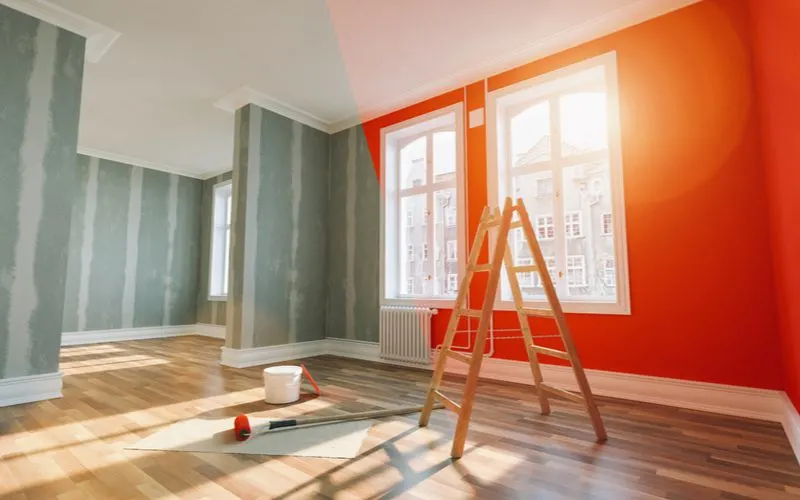
High-Quality Is It Hard To Paint A Room Capture Illustration
Discover an amazing is it hard to paint a room background image, ideal for personalizing your devices with vibrant colors and intricate designs.

Detailed Is It Hard To Paint A Room Design Nature
Experience the crisp clarity of this stunning is it hard to paint a room image, available in high resolution for all your screens.
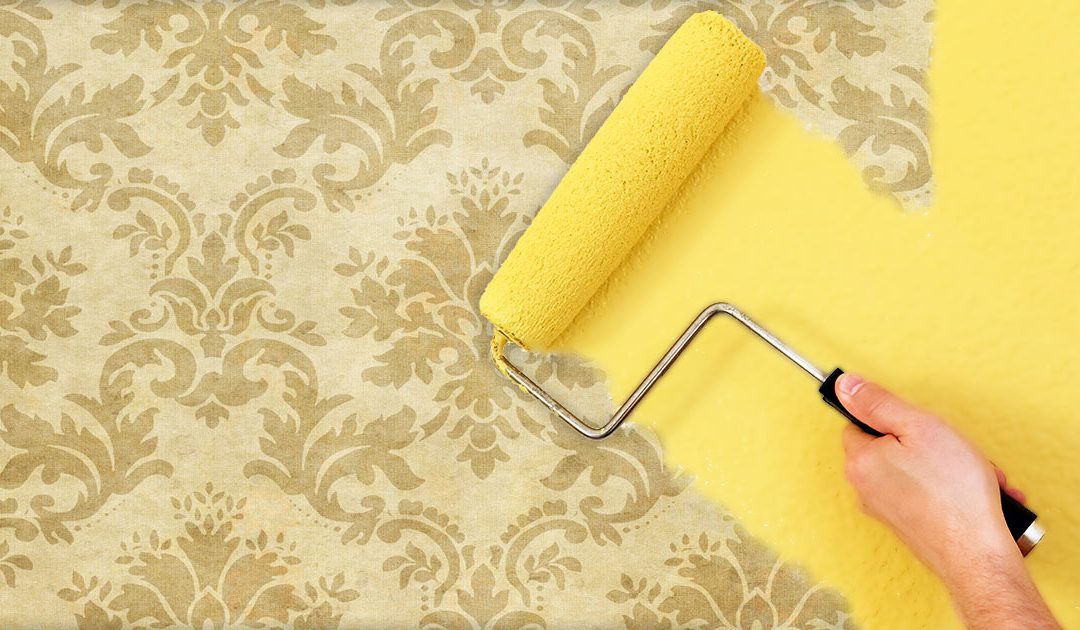
Captivating Is It Hard To Paint A Room Image Nature
Find inspiration with this unique is it hard to paint a room illustration, crafted to provide a fresh look for your background.

Mesmerizing Is It Hard To Paint A Room Picture Nature
Explore this high-quality is it hard to paint a room image, perfect for enhancing your desktop or mobile wallpaper.

Stunning Is It Hard To Paint A Room Image Illustration
Find inspiration with this unique is it hard to paint a room illustration, crafted to provide a fresh look for your background.
Download these is it hard to paint a room wallpapers for free and use them on your desktop or mobile devices.